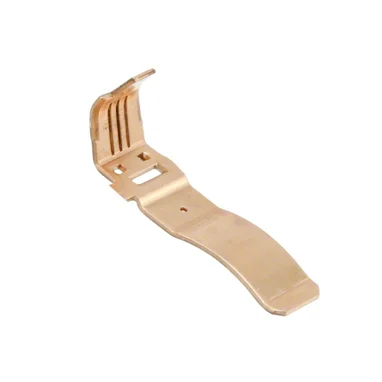
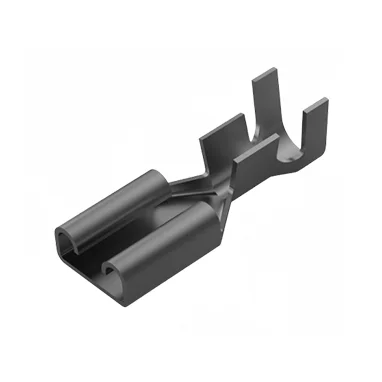
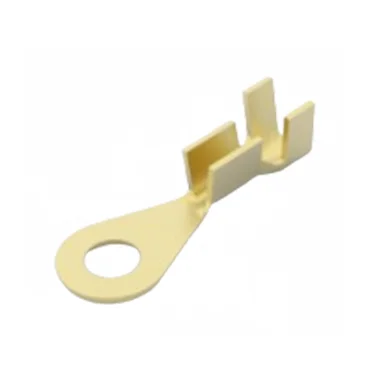
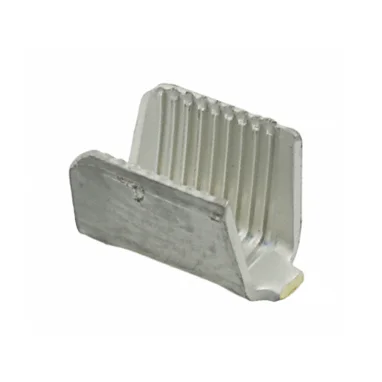
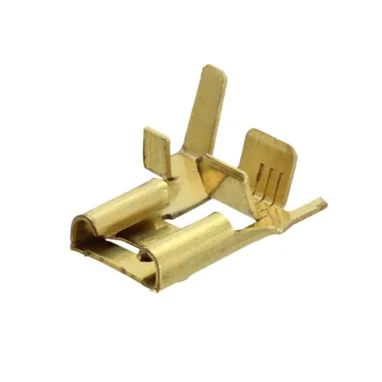
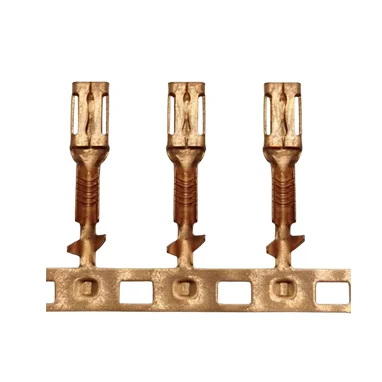
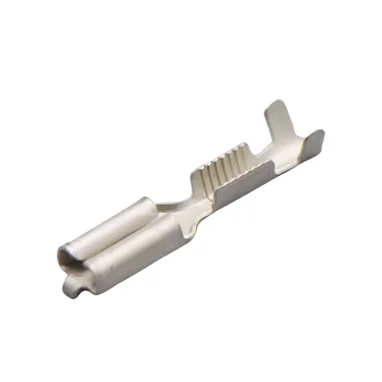
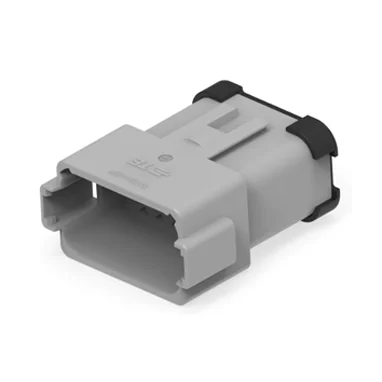
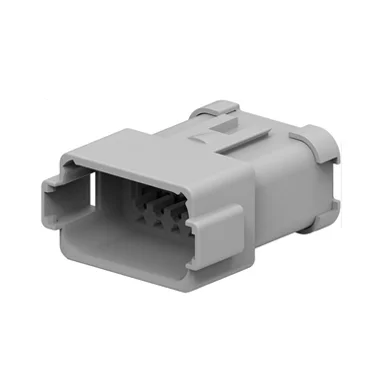
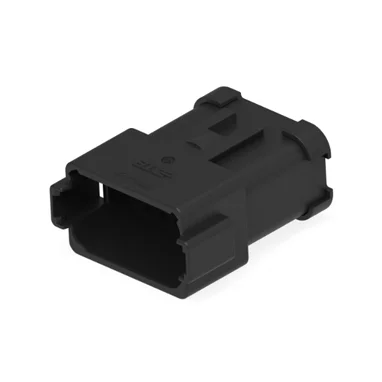
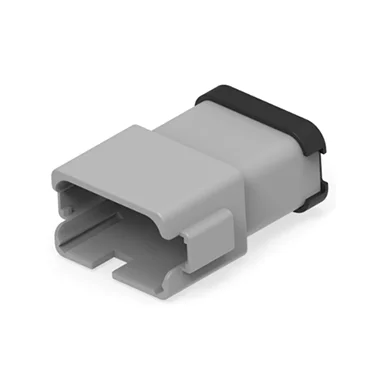
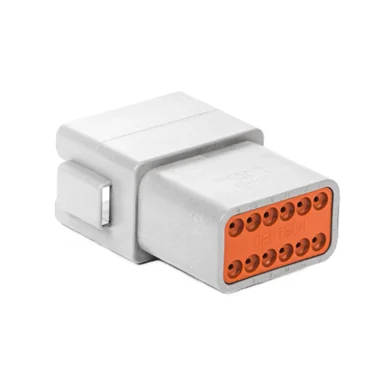
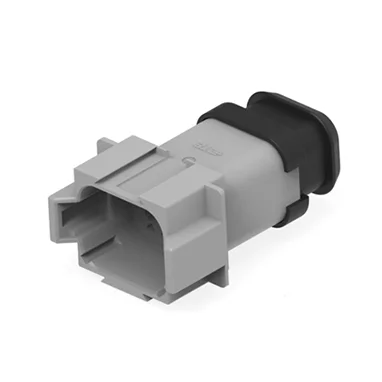
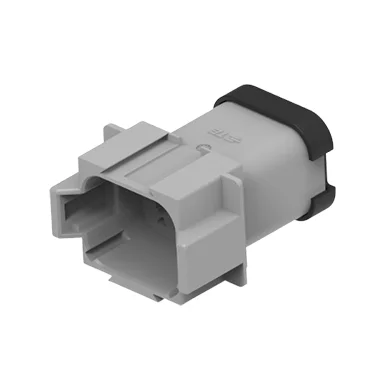
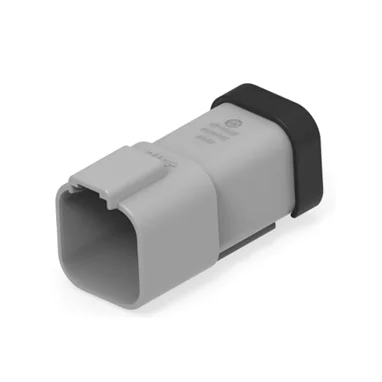
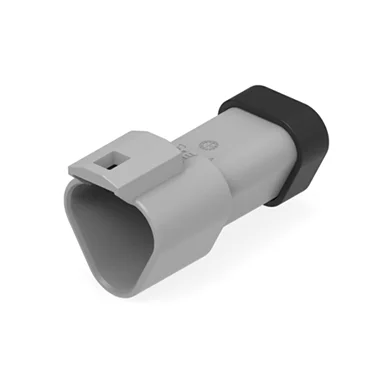
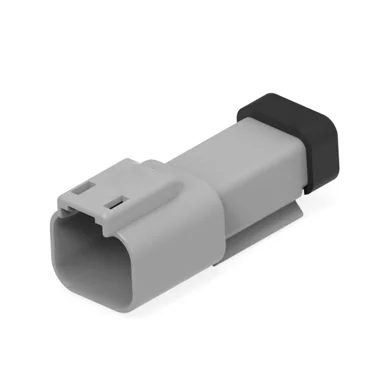
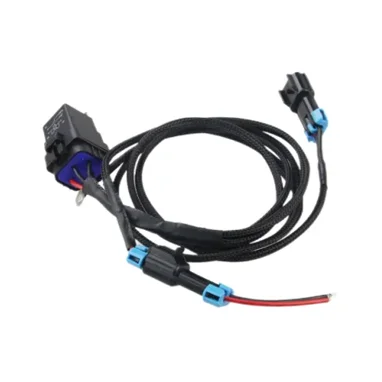
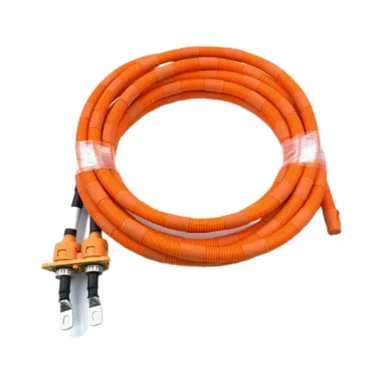
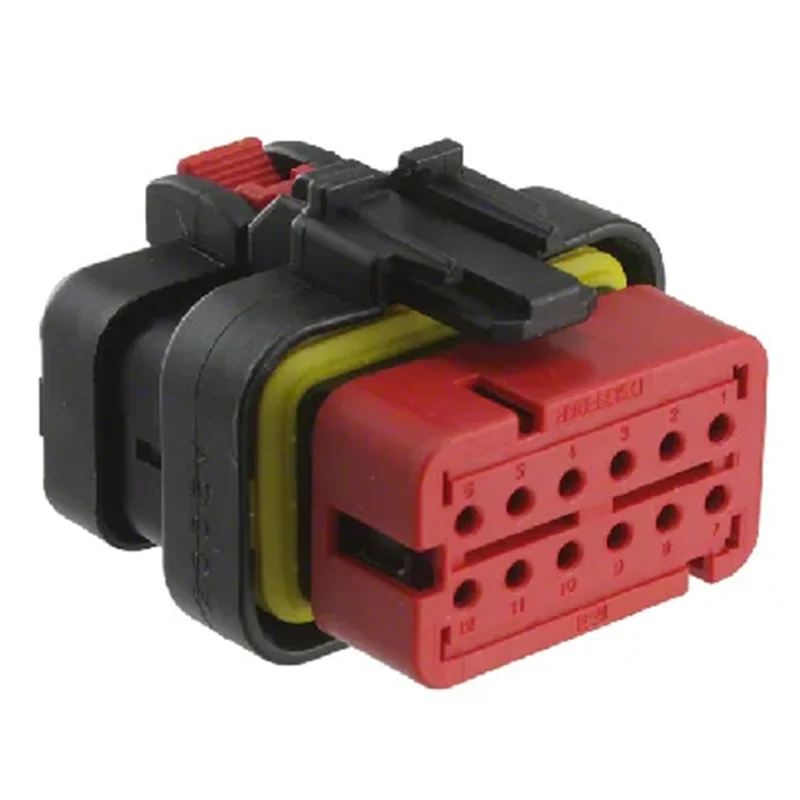
In the automotive industry, electrical connectors may seem like small components, but they play a critical role in ensuring the smooth operation of modern vehicles. These connectors are essential for the transmission of electrical power and signals between various automotive systems, such as lighting, infotainment, power steering, and engine management. OEM automotive electrical connectors (Original Equipment Manufacturer connectors) are designed to meet the exact specifications of the vehicle manufacturer, ensuring a perfect fit and optimal performance. In this article, we will explore why OEM automotive connectors are so important and how they contribute to vehicle safety, reliability, and efficiency.
Why OEM Automotive Electrical Connectors Matter
Electrical connectors are a vital part of the electrical systems in modern cars. These connectors help ensure that power and signals are transmitted efficiently, allowing for smooth communication between different vehicle components. OEM connectors are specifically designed to meet the manufacturer’s strict standards, which results in high performance and reliable connections. Using OEM connectors reduces the risk of electrical failures, which can be costly and dangerous.
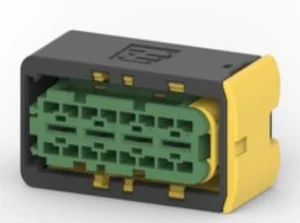
Key benefits of using OEM automotive electrical connectors include:
Enhanced Durability
OEM automotive connectors are built to last. They are designed to withstand the harsh conditions found in cars, including extreme temperatures, vibration, and exposure to moisture. These connectors are made from high-quality materials that resist wear and tear, ensuring they continue to function reliably for years. By choosing OEM connectors, car manufacturers and repair shops can reduce the frequency of replacements and maintenance costs.
Reduced Risk of Electrical Failures
The precision fit of OEM connectors ensures that they connect securely, minimizing the risk of common electrical problems like short circuits, loose connections, and signal interference. A poor connection can lead to malfunctioning electrical systems, which can compromise vehicle safety. By using OEM connectors, you significantly reduce the chances of such failures and ensure the vehicle’s electrical systems remain safe and reliable.
Ensuring Compatibility
OEM connectors are designed to fit perfectly with the vehicle’s electrical systems. This ensures seamless compatibility with various electronic components, such as power steering, navigation systems, and lighting. Using non-OEM connectors may lead to mismatched fittings or poor performance, which can result in costly repairs or void warranties. By using OEM parts, you maintain the integrity of the vehicle’s electrical systems and protect the warranty.
Types of OEM Automotive Electrical Connectors
There are different types of connectors used in automotive applications, each serving a specific function. Let’s look at the most common types of OEM automotive electrical connectors:
Power Connectors
Power connectors are used to deliver electrical power to the car’s components. These connectors need to handle high currents safely without causing overheating or short circuits. OEM power connectors are tested rigorously to ensure they can withstand extreme conditions and continue to deliver consistent power. This reduces the risk of electrical issues and ensures that the vehicle’s electrical systems work reliably.
Signal Connectors
Signal connectors are responsible for transmitting data signals between electronic components, such as infotainment systems, navigation, and safety features like parking sensors. OEM signal connectors are designed to transmit signals with high accuracy and minimal interference. Using OEM connectors ensures that the signals are transmitted smoothly and without disruption, which is vital for the proper functioning of advanced automotive systems.
Specialty Connectors
Specialty connectors are used for specific functions in vehicles, such as advanced driver-assistance systems (ADAS) or hybrid powertrains. These connectors are custom-designed to meet the precise needs of new technologies and applications. Specialty connectors are subject to rigorous testing to ensure they meet performance and safety standards. By using OEM specialty connectors, car manufacturers can ensure that cutting-edge features function reliably and safely.
Best Practices for Installing and Maintaining OEM Connectors
Proper installation and regular maintenance of OEM connectors are essential to ensure long-term performance and reliability.
Proper Handling and Installation
To get the most out of OEM automotive connectors, it is important to handle them with care during installation. Always follow the manufacturer’s instructions, and use the right tools to avoid damaging the connectors. Avoid bending or twisting connectors, as this can cause them to fail. Ensuring that connectors are clean and free from contaminants will help establish a secure electrical connection.
Regular Maintenance and Inspections
Even with high-quality OEM connectors, it’s important to perform regular checks and inspections. Over time, connectors can wear out due to environmental factors like heat, moisture, and vibration. Regularly inspect connectors for signs of damage, rust, or wear. If any issues are found, it’s crucial to replace or repair the connectors promptly to avoid larger electrical issues that could compromise vehicle performance and safety.
Why Choose Jingu for OEM Automotive Electrical Connectors?
At Jingu, we specialize in providing high-quality plastic connector,relays,control box and wiring harness designed to meet the strict standards of the automotive industry. Whether you are looking for connectors for power, signal, or specialty applications, Jingu offers solutions tailored to the specific needs of your vehicle. We provide both OEM and ODM services, ensuring that our connectors are customized to fit your exact requirements.
By choosing Jingu, you can rest assured that you are getting reliable, durable connectors that will enhance the safety, performance, and longevity of your vehicle’s electrical systems. Contact us today to learn more about our OEM automotive connector solutions!