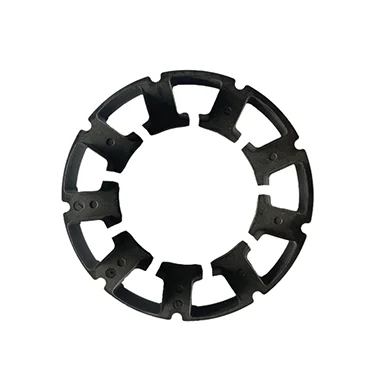
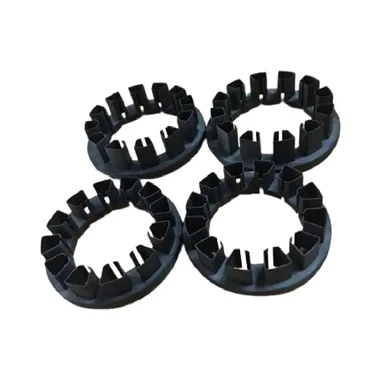
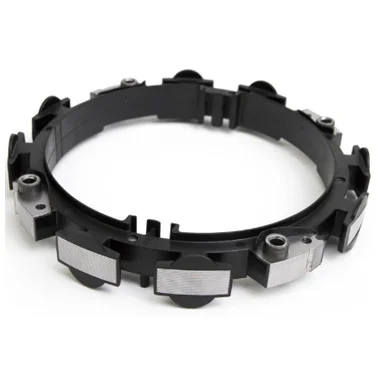
lighter than metal ones, making them easier to handle and install.
Corrosion Resistance
Ensuring a long service life even in harsh environments.
Cost-Effective
Providing a cost-effective solution without sacrificing quality.
Electrical Insulation
Reducing the risk of electrical shocks and short circuits.
Customizable
Easily customized in terms of shape, size, and color to meet specific application requirements.
Impact Resistance
Good impact resistance, protecting the components they enclose from damage.
Related Industry Applications
Electric Grinder
Lawn Trimmer
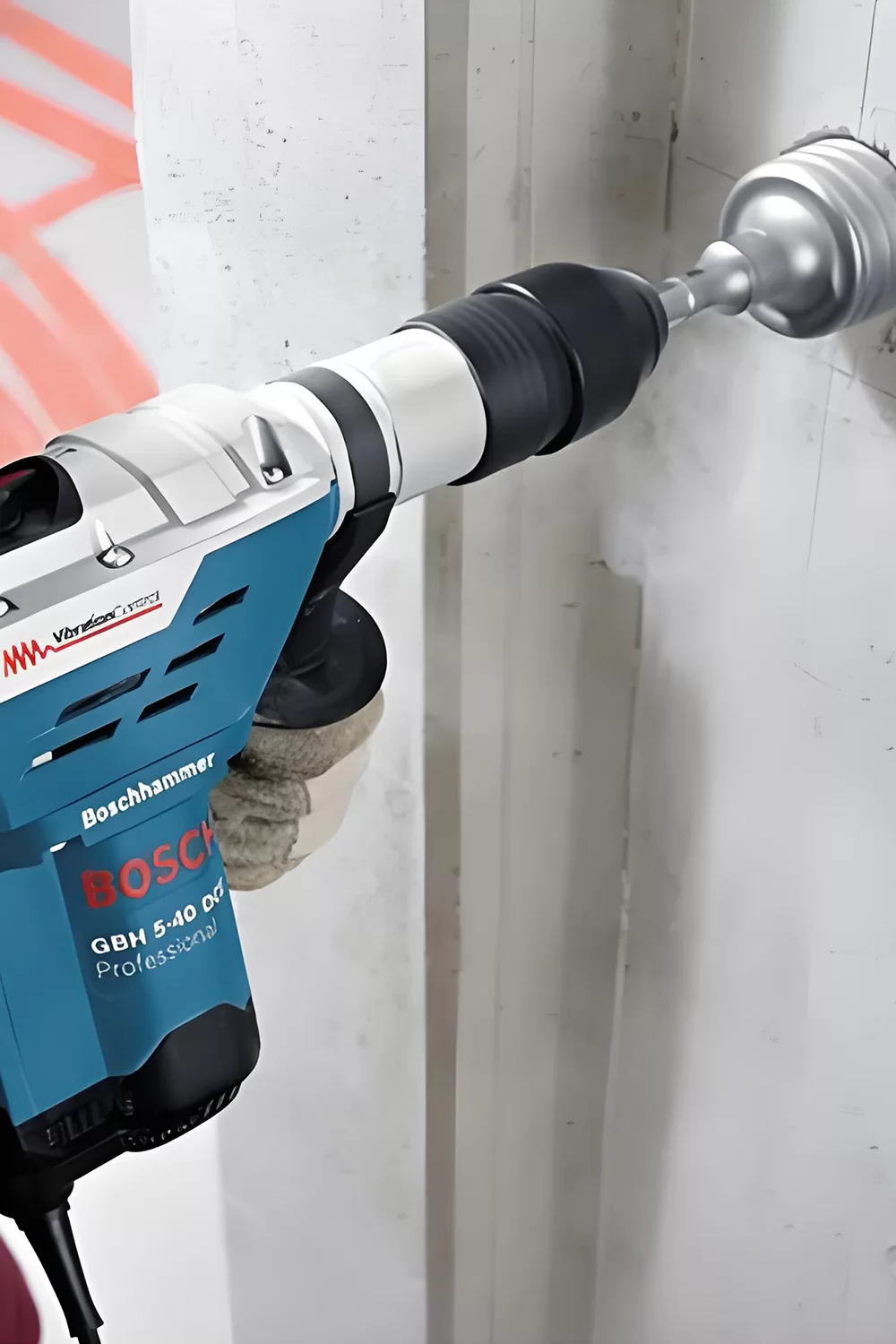
Hammer Dril
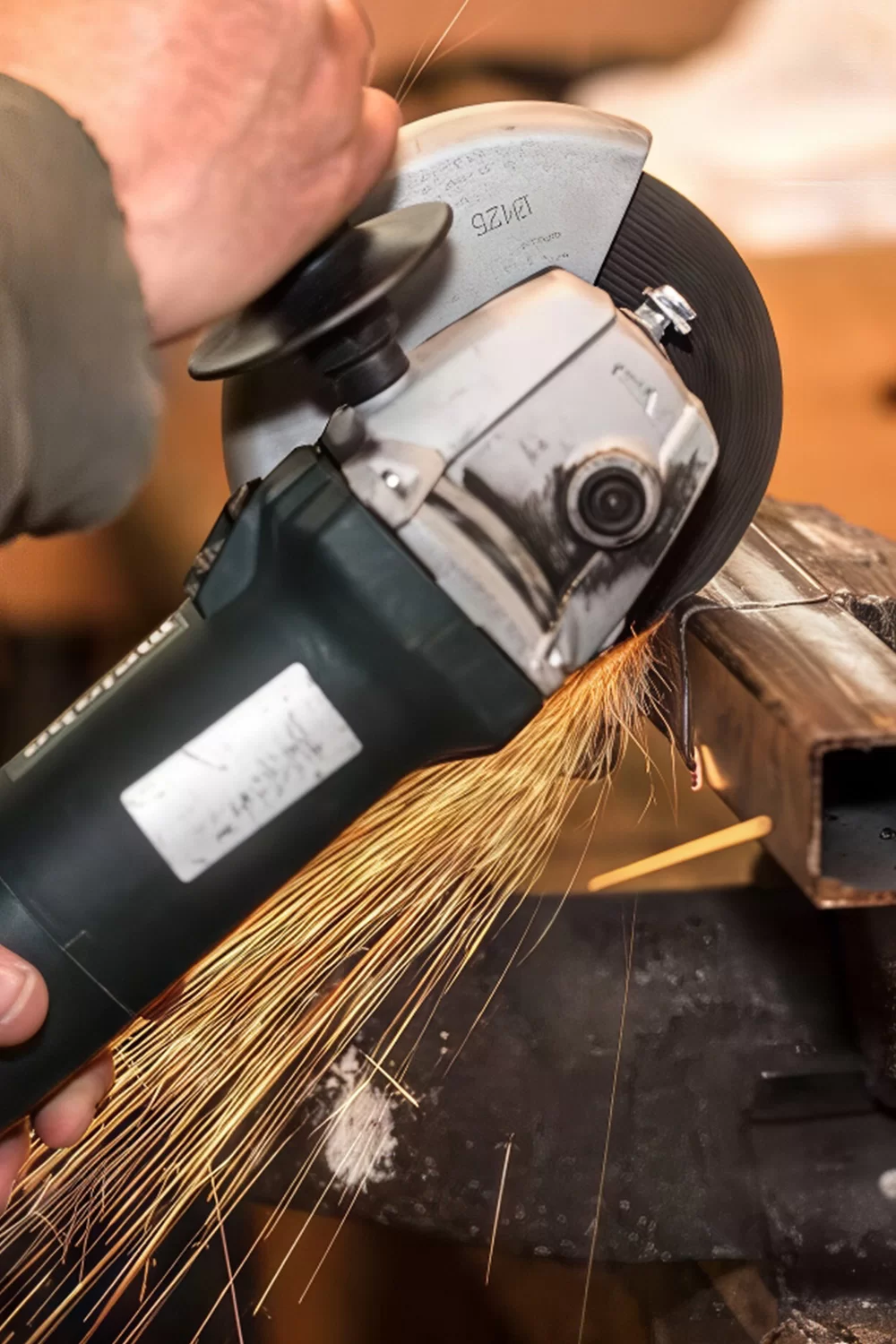
Elextric Angle Grinder
FAQ
How do I choose the right plastic end plate for my application?
Consider factors such as the size and shape of the structure, the environment it will be used in, the required durability, and any specific functional requirements. Consult with a supplier or engineer for guidance.
What is the maximum temperature that plastic end plates can withstand?
The maximum temperature varies depending on the material. Some plastics can withstand temperatures up to 100°C or more, while others may have lower temperature limits. Check the material specifications for the appropriate temperature range.
Can plastic end plates be customized?
Yes, plastic end plates can be customized in terms of size, shape, color, and thickness to meet specific requirements.
What are the advantages of plastic end plates compared to metal end plates?
Plastic end plates are lightweight, corrosion-resistant, cost-effective, and offer good electrical insulation. They are also easier to mold into different shapes and sizes.
What are the common materials used for plastic end plates?
Commonly used materials include polyethylene (PE), polypropylene (PP), polyvinyl chloride (PVC), and acrylonitrile butadiene styrene (ABS).