
Home » Product » Automotive Series » Branded Connector » Deutsch Connector » DTHD Series Connector
Minimizes Signal Attenuation And Interference, Ensuring Clear And Accurate Data Transmission
With Its Robust Design, It Can Handle High - Power Applications With Ease
It Can Withstand Harsh Environmental Conditions, Including Extreme Temperatures, Moisture, Vibration, And Shock
Designed To Be Highly Compatible With A Wide Range Of Cables And Mating Connectors
Featuring A Reliable Locking Mechanism, Provides A Secure And Stable Connection
Allowing For Efficient Use Of Space In Crowded Electrical Enclosures Or In Miniaturized Electronic Devices



When choosing the right DTHD connector for high – temperature environments, the following aspects should be considered:
**1. Temperature Rating**
– Check the connector’s specified operating temperature range. As mentioned before, DTHD connectors typically have an operating temperature range from – 55°C to +125°C. For high – temperature environments, ensure that the upper limit of the temperature range can accommodate the expected high – temperature conditions in your application. If the environment is expected to be close to or exceed the +125°C limit, you may need to explore alternative connector solutions or implement additional cooling measures.
**2. Material Selection**
– **Housing Material**:
– The housing of the connector is important. DTHD connectors usually have a thermoplastic housing. In high – temperature environments, look for thermoplastic materials with good heat – resistant properties. High – quality thermoplastics can maintain their mechanical strength and integrity at elevated temperatures. For example, some specialized thermoplastics can withstand higher temperatures without deforming or becoming brittle.
– **Contact Material**:
– The contact material should also be considered. Copper or copper – alloy contacts are common, but in high – temperature applications, the plating on the contacts becomes crucial. Gold – plated contacts can offer better resistance to oxidation and corrosion at high temperatures, which helps maintain good electrical conductivity. Tin – plated contacts can also be an option in some cases, as tin has relatively good temperature – resistance properties for electrical contacts.
**3. Sealing and Protection**
– A good seal is essential in high – temperature environments. Ensure that the DTHD connector has an effective sealing mechanism to prevent hot air, dust, or other contaminants from entering the connector. This is important because high – temperature environments may also be associated with other harsh conditions such as increased dust or the presence of corrosive gases. The sealed structure helps protect the internal components of the connector and maintain its electrical performance.
**4. Current – Carrying Capacity**
– In high – temperature environments, the current – carrying capacity of the connector may be affected. As the temperature rises, the resistance of the connector may increase, which can lead to a decrease in the effective current – carrying capacity. Therefore, when choosing a DTHD connector for high – temperature applications, it is necessary to re – evaluate the required current – carrying capacity based on the actual operating temperature. Select a connector with a sufficient margin in current – carrying capacity to ensure safe and reliable operation.
**5. Manufacturer’s Recommendations and Testing Data**
– Refer to the manufacturer’s technical documentation. Manufacturers often provide detailed information on the performance of their connectors in different environmental conditions, including high – temperature environments. They may also have test data on how their DTHD connectors perform over time at elevated temperatures. This information can be very valuable in making an informed decision. Additionally, if possible, look for independent test reports or certifications related to the connector’s performance in high – temperature applications.
1. **Temperature Resistance**
– DTHD connectors are typically designed to operate within a certain temperature range. They can generally operate in temperatures from – 55°C to +125°C.
– In high – temperature conditions within this range, they are likely to function properly. However, if the temperature exceeds the upper limit (125°C), their performance may be affected, and there could be risks such as degradation of the thermoplastic housing, changes in contact resistance, or even failure of the sealing mechanism.
2. **Harsh Environmental Conditions**
– **Moisture and Dust Resistance**
– DTHD connectors have an environmentally sealed design. This makes them well – suited for applications where there is exposure to moisture (such as in wet or humid environments) and dust (in dusty industrial or outdoor settings). The sealed structure helps prevent moisture from causing short circuits and keeps dust out, which could otherwise interfere with the electrical connection.
– **Chemical Resistance**
– While DTHD connectors can handle some environmental factors, their resistance to chemicals depends on the materials used in their construction. In general, if exposed to harsh chemicals, there is a risk of corrosion or degradation of the connector components. However, in most normal industrial or outdoor environments where chemical exposure is minimal or consists of common substances, they can perform adequately.
In conclusion, DTHD connectors can be used in high – temperature (within their specified temperature range) and many harsh environmental conditions, but care should be taken to ensure that the environmental factors do not exceed the capabilities of the connector design.
The maximum working voltage of the DTHD connector is 250 volts DC.
These connectors are designed to handle relatively high-power applications while maintaining reliable electrical performance within the specified voltage range. However, it is essential to ensure that the connectors are used within their rated parameters to ensure safe and proper operation.
When choosing the right DTHD connector for your application, you can consider the following factors:
**1. Current Requirements**
– Determine the amount of current that will flow through the connector in your application. Since DTHD connectors are available in different sizes with current – carrying capacities ranging from 25 to 100 amps, select the connector size that can handle the required current without overheating or causing electrical problems. For example, if your application requires a current of around 50 amps, you would choose the appropriate DTHD connector size that can safely carry this current.
**2. Environmental Conditions**
– **Moisture and Dust**: If your application is in an environment where there is a high likelihood of moisture exposure (such as outdoor or marine applications) or dust ingress (e.g., industrial settings with a lot of particulate matter), the sealed structure of the DTHD connector is a key advantage. Ensure that the connector’s sealing capabilities are sufficient to protect against these environmental factors.
– **Temperature Range**: Consider the operating temperature range of your application. DTHD connectors typically have a temperature range from – 55°C to +125°C. If your application will be exposed to extreme cold or hot temperatures outside this range, you may need to further evaluate the connector’s suitability or look for additional temperature – control measures.
**3. Installation Space and Configuration**
– **Compactness**: If space is limited in your application, take advantage of the compact size of the DTHD connector. Assess whether the connector can fit within the available space without interfering with other components.
– **Installation Type**: Decide whether an in – line or flange – mount installation is more appropriate for your setup. In – line installation offers flexibility in wiring, while flange – mount provides more stability. Consider the mechanical requirements and constraints of your application to make the best choice.
**4. Connection Stability**
– Look at the integrated latch feature of the DTHD connector. Since it ensures a secure mating between the male and female parts, if your application involves vibration or movement that could potentially cause a loose connection, the reliable latching mechanism of the DTHD connector is crucial.
**5. Compatibility with Accessories**
– Check if there are any accessories such as mounting clips that you may need for your application. Ensure that the DTHD connector you choose is compatible with these accessories to simplify the installation and improve the overall functionality of the connection.
**6. Cost and Availability**
– Consider the cost of the DTHD connector in relation to your budget. Also, check the availability of the connector in the market. A connector that is too expensive or difficult to obtain may not be a practical choice for your application, especially if you have production deadlines or cost constraints.
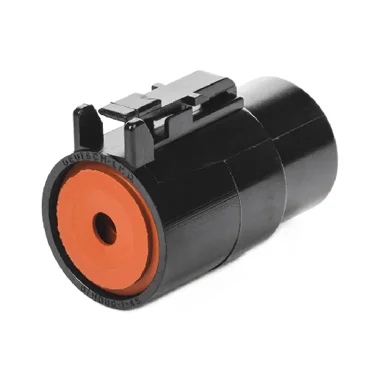
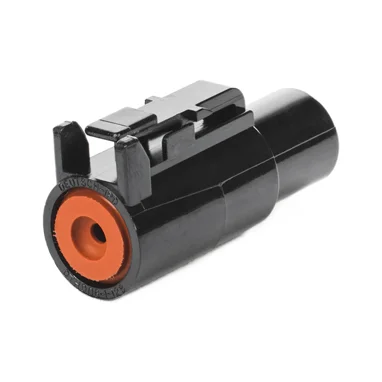
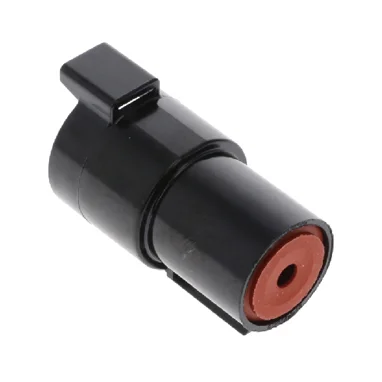
The features of Deutsch DTHD connectors are as follows:
1. **Single Terminal Design**: They are single terminal connectors, which means they are designed to handle a single power circuit termination, providing a simple and focused connection for specific electrical circuits.
2. **Current Carrying Capacity**: Available in three sizes that can carry currents ranging from 25 to 100 amps, allowing them to meet the requirements of different high-current applications.
3. **Sealed Structure**: Have an environmentally sealed design that offers excellent protection against moisture, dust, and other contaminants. This makes them suitable for use in harsh environments where reliable electrical connections are critical.
4. **Compact Size**: The connectors have a compact design, which is beneficial for applications where space is limited. Their small footprint allows for easy integration into various electrical systems without taking up too much space.
5. **Installation Options**: Can be used in-line or with flange mount. The flange mount option provides additional stability and security for the connection, while the in-line option offers more flexibility in wiring and installation.
6. **Thermoplastic Housing**: The housing is made of thermoplastic material, which provides good insulation and mechanical strength. It can also withstand a wide range of temperatures, typically from -55°C to +125°C, ensuring reliable performance in different operating conditions.
7. **Integrated Latch**: Equipped with an integrated latch for mating, which ensures a secure and stable connection between the male and female parts of the connector. This helps to prevent accidental disconnection and provides reliable electrical contact.
8. **Accessory Availability**: There are available accessories such as mounting clips, which can further enhance the installation and usability of the connectors.
The DTHD Series Connector is a type of electrical connector designed and manufactured by TE Connectivity, specifically under their Deutsch brand. These connectors are known for their durability and reliability in harsh environments, making them suitable for various applications across multiple industries, including automotive, aerospace, industrial, and military sectors.
### Key Features of DTHD Series Connectors:
1. **High Performance**: DTHD connectors are designed to operate in extreme temperatures and difficult environmental conditions, making them ideal for demanding applications.
2. **Sealed Design**: Many DTHD connectors feature a sealed construction, which protects against moisture, dust, and contaminants, ensuring a reliable connection.
3. **Modular Configuration**: The DTHD series often comes in different pin configurations, allowing for flexibility in design and application.
4. **Durable Materials**: Housings are typically made from high-quality thermoplastics (such as thermoplastic elastomer or nylon) that offer resistance to heat and chemicals. The contacts are usually made from copper alloy.
5. **Vibration Resistance**: These connectors are engineered to withstand vibration, making them suitable for use in vehicles and machinery that experience significant movement.
### Applications:
– **Automotive**: Integrated into electronic control units and various automotive sensors.
– **Aerospace**: Used in aircraft for reliable electrical connections in avionics and other systems.
– **Industrial Equipment**: Ideal for connecting electronics in heavy machinery and robotic systems.
– **Military**: Employed in military vehicles and equipment that require robust and reliable electrical connections.
DTHD connectors are often chosen when high reliability and environmental resistance are critical. If you have specific questions about the DTHD Series or need more details, feel free to ask!