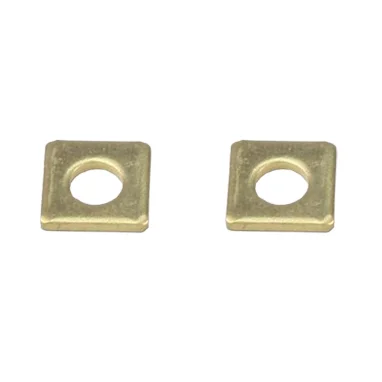
Ensure excellent sealing, keeping out contaminants like dust, dirt, and moisture, thereby extending bearing life.
Vibration Dampening
Help reduce vibration and noise from the rotating bearing, resulting in smoother operation and less wear on surrounding components.
Pressure Resistance
Withstand high pressures, ensuring a reliable seal even in demanding applications.
Chemical Resistance
A wide range of chemicals, making them suitable for use in various industrial environments.
Easy Installation
Easy to install during initial assembly or as replacements, saving time and effort.
Cost-Effective
Provide a cost-effective way to protect bearings, enhancing performance and potentially extending lifespan while reducing maintenance costs.
Related Industry Applications
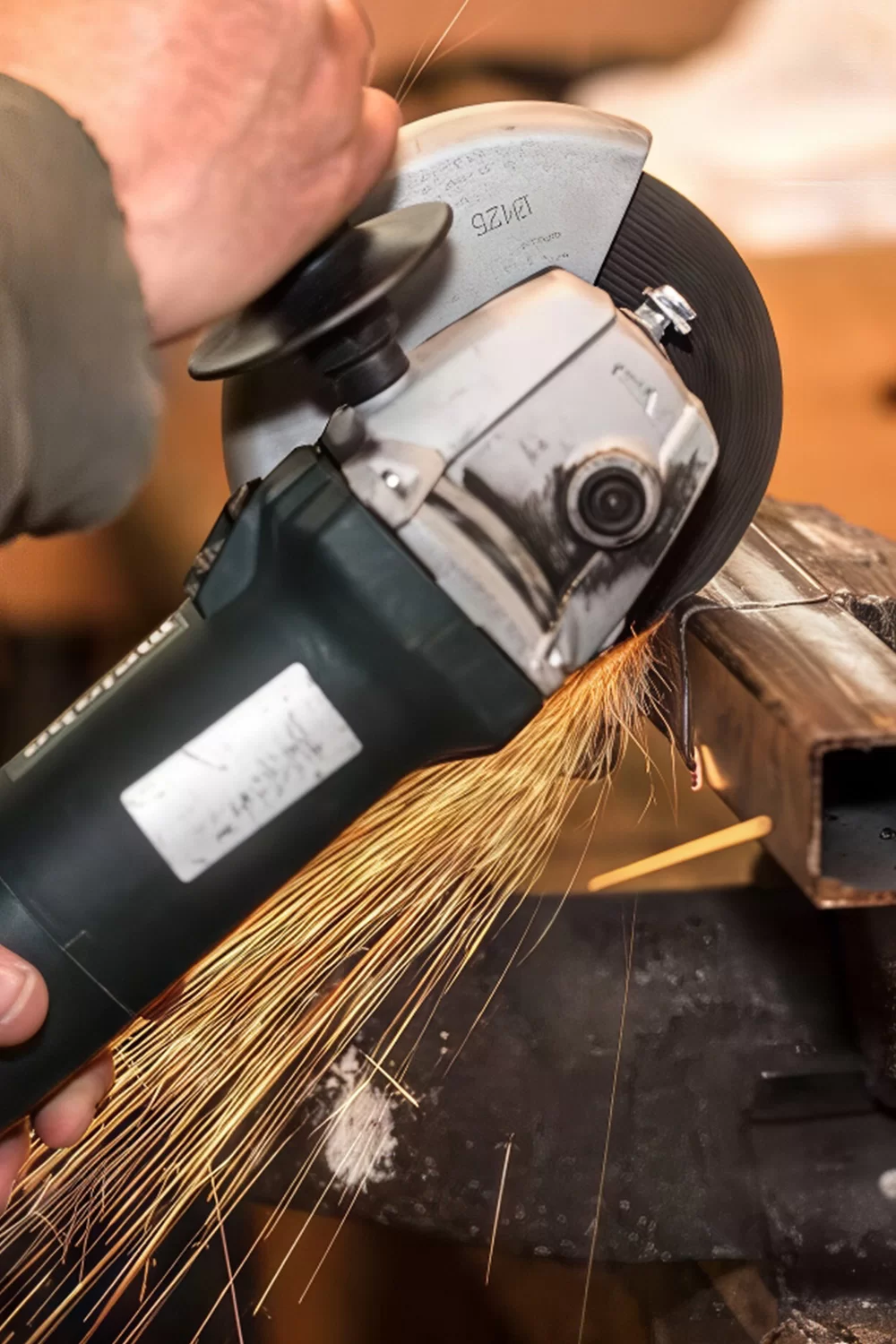
Electric Grinder
Snow Sweeper
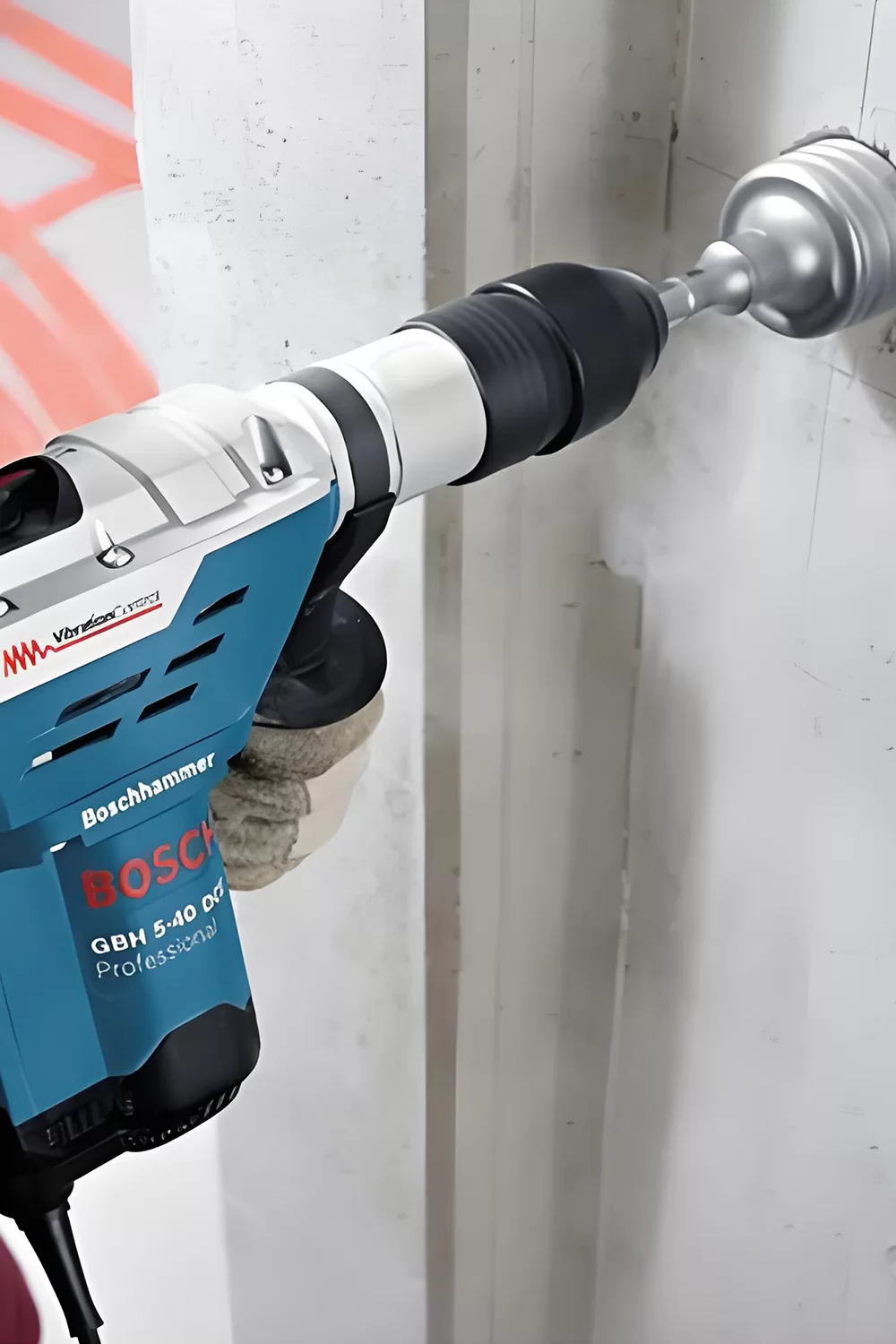
Hammer Dril
Elextric Angle Grinder
FAQ
What is the expected lifespan of a bearing gasket?
The lifespan of a bearing gasket depends on various factors such as the application, operating conditions, and quality of the gasket. In general, a well-maintained gasket can last for a significant period of time. Regular inspection and replacement as needed can help ensure optimal performance.
Can bearing gaskets be customized?
Yes, we are offer custom-made bearing gaskets to meet specific application requirements. Customization options include size, material, and design modifications.
How do I choose the right bearing gasket for my application?
To choose the right bearing gasket, consider factors such as the size and type of bearing, operating conditions (temperature, pressure, speed), and the type of contaminants present. Consult the manufacturer’s specifications and recommendations to ensure proper selection.
Can bearing gaskets be reused?
In most cases, bearing gaskets are designed for single use. However, if the gasket is in good condition and has not been damaged or deformed, it may be possible to reuse it. It is recommended to follow the manufacturer’s guidelines for reuse.
How do bearing gaskets work?
Bearing gaskets create a seal by compressing against the bearing and the housing. This compression force forms a barrier that prevents contaminants from entering the bearing and keeps the lubricant inside.
What materials are bearing gaskets made of?
Bearing gaskets can be made of various materials such as rubber, silicone, PTFE (polytetrafluoroethylene), and other elastomers. The choice of material depends on the application requirements, such as temperature, pressure, and chemical compatibility.