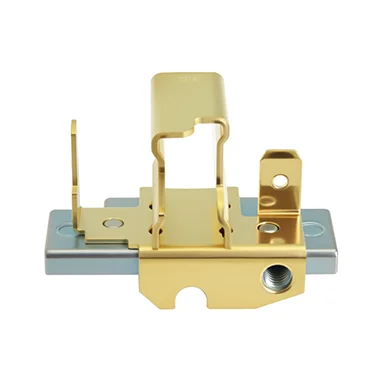
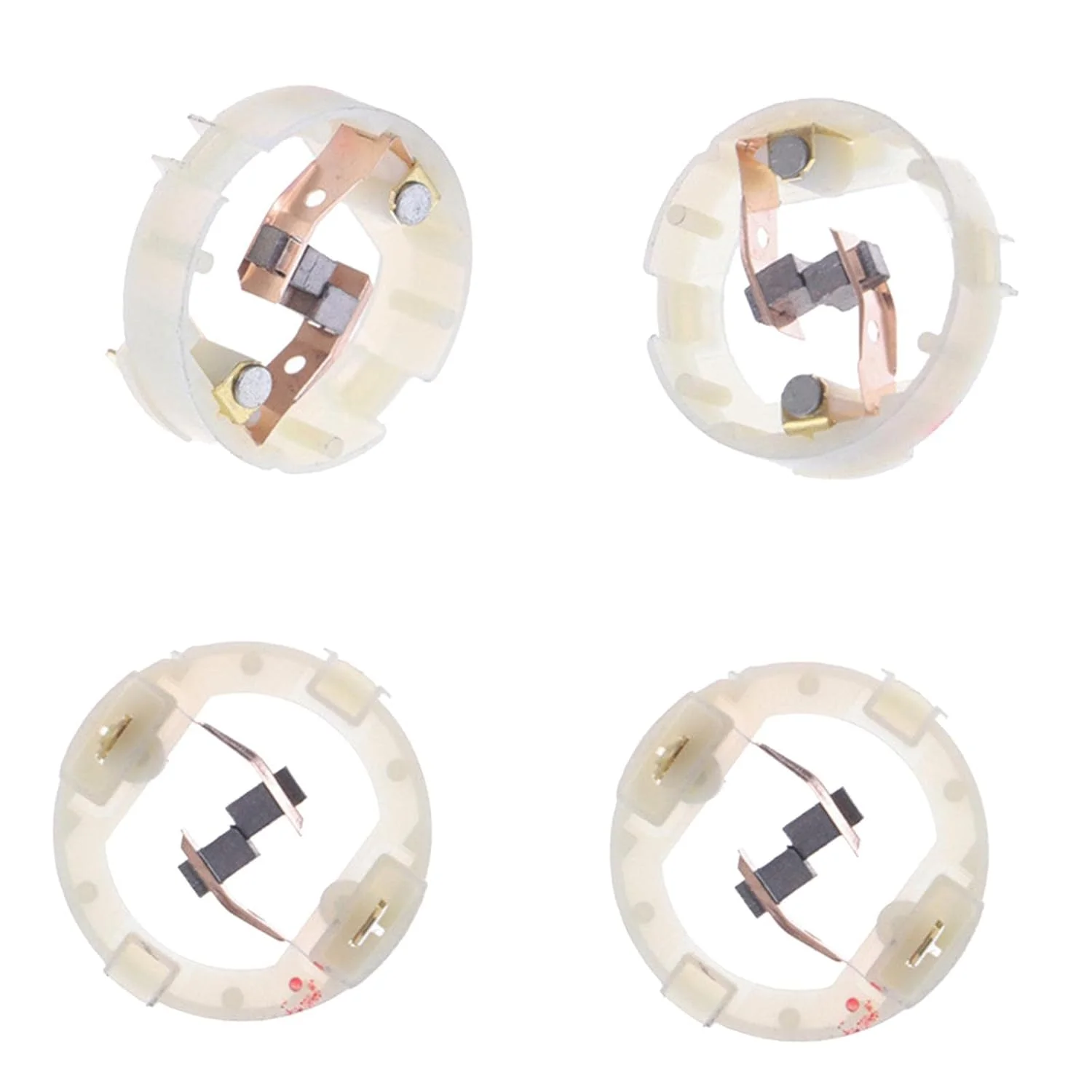
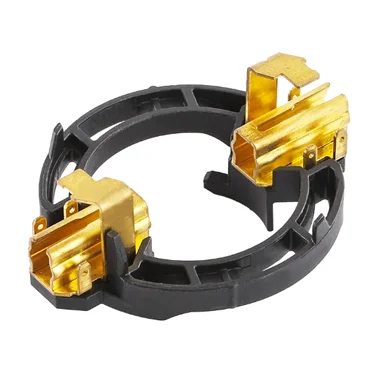
Brush Holder

Product Advantages

Secure Brush Retention

Keeps brushes securely in place for stable electrical contact during operation.

Optimal Brush Alignment

Ensures proper brush alignment with the commutator or slip ring, maximizing efficiency and minimizing wear.

Durability and Reliability

Ensure durability and long-lasting performance in continuous operation.

Easy Installation and Maintenance

Designed for easy brush installation and replacement, minimizing downtime and maintenance costs.

Heat Dissipation

Promote heat dissipation, preventing overheating and extending the life of the brushes and system.

Compatibility

Available in various sizes and configurations, ensuring compatibility with a wide range of motors and generators.

Related Industry Applications

FAQ

What are some maintenance tips for brush holders?

Keep the area around the brush holder clean and free from dust and debris. Use a soft brush or compressed air to clean regularly.
Check the spring tension periodically. If the springs are too loose or too tight, it can affect the performance of the brushes. Adjust or replace springs as needed.
Inspect the brushes for signs of wear or damage frequently. Replace brushes before they become too short or damaged, as this can cause excessive sparking and damage to the commutator.
Avoid overloading the electrical machine. Excessive load can cause the brushes to wear out faster and put stress on the brush holder.
Store brush holders in a dry and clean place when not in use. Protect them from moisture and physical damage.

How do I care for and maintain my Brush Holder to extend its life?

To maintain and prolong the lifespan of a brush holder, follow these steps:

1. Regular Inspection

– Conduct routine visual inspections of the brush holder. Look for signs of wear on the brushes, such as reduced length, uneven wear, or cracks.
– Check for any damage to the holder itself, including cracks, bent parts, or loose connections.
– Inspect the springs in the holder to ensure they are providing proper tension to keep the brushes in contact with the commutator or slip ring.

2. Cleanliness

– Keep the brush holder and surrounding area clean. Dust, dirt, and debris can accumulate and interfere with the operation of the brushes.
– Use a clean, dry cloth or compressed air to remove any dust or debris from the holder. Avoid using solvents or harsh chemicals that could damage the components.

3. Brush Replacement

– Replace worn brushes promptly. Worn brushes can cause increased sparking, reduced performance, and damage to the commutator or slip ring.
– Follow the manufacturer’s guidelines for brush replacement intervals and specifications.

4. Proper Installation

– Ensure that the brush holder is installed correctly and securely. Loose or misaligned holders can lead to poor contact and premature wear.
– Check that the brushes are properly seated in the holder and make good contact with the commutator or slip ring.

5. Lubrication (if applicable)

– Some brush holders may require lubrication of certain parts, such as the pivot points or sliding surfaces. Follow the manufacturer’s recommendations for the appropriate lubricant and application method.

6. Operating Conditions

– Operate the electrical machine within its specified voltage, current, and speed ranges. Overloading or operating under harsh conditions can accelerate wear on the brush holder.
– Avoid excessive vibration or shock, as this can also damage the holder and brushes.

7. Storage

– If the brush holder is not in use for an extended period, store it in a clean, dry place. Protect it from moisture, dust, and physical damage.

By following these maintenance steps, you can help ensure the proper functioning and longevity of your brush holder.

How can I troubleshoot a faulty brush holder?

Check for loose connections: Ensure that the brush holder is properly secured and all connections are tight.
Inspect brushes: Look for worn, damaged, or misaligned brushes. Replace if necessary.
Check for dirt or debris: Clean the brush holder and surrounding area to remove any contaminants that may affect performance.
Test electrical continuity: Use a multimeter to check for proper electrical connection between the brush holder and the commutator or slip ring.
Examine the spring tension: Make sure the springs in the brush holder are providing adequate pressure to maintain good contact.

How do I choose the right brush holder for my electrical machine?

Consider factors such as the machine’s voltage, current, speed, and brush size. Consult the manufacturer’s specifications or seek advice from an expert to ensure compatibility.

What are the common types of brush holders?

There are several types, including spring-loaded brush holders, magnetic brush holders, and mechanical brush holders. Each type has its own advantages and applications.

TYPE TO SEARCH