
Home » Product » Automotive Series » Relay Fuse Box
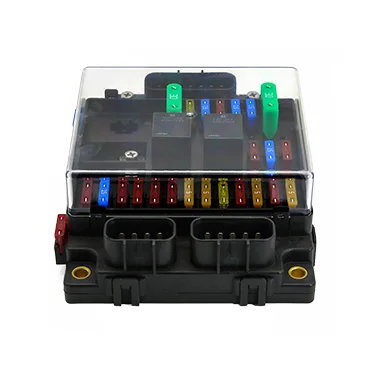
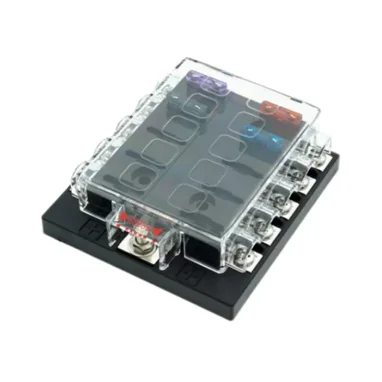
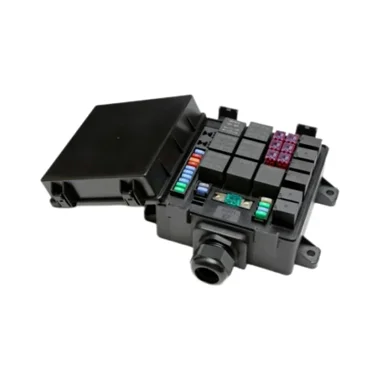
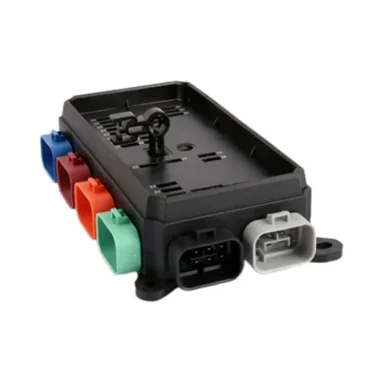
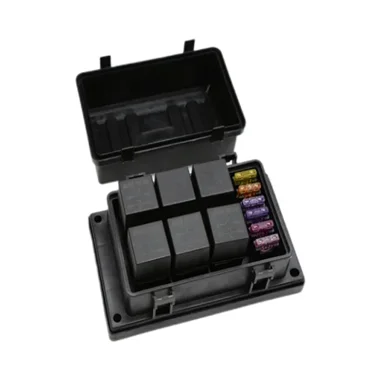
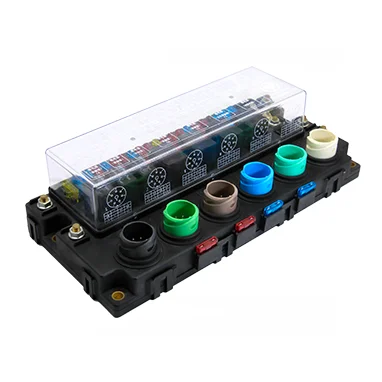
Centralized Protection For Electrical Circuits, Safeguarding Against Overcurrent And Short Circuits While Simplifying Management And Troubleshooting Of Electrical Issues.
Designed To Fit Into Tight Spaces, Maximizing Efficiency In Modern Vehicles Without Compromising Functionality.
Allows For Efficient Circuit Management, Clearly Designating Each Fuse And Relay, Which Simplifies Maintenance And Troubleshooting.
Providing Accurate Overcurrent Protection And Stable Switching For Diverse Electrical Loads.
Providing Reliable Circuit Protection And Control For Various Electrical Systems
With User-Friendly Access And Clear Markings For Both Professionals And Diy Enthusiasts.

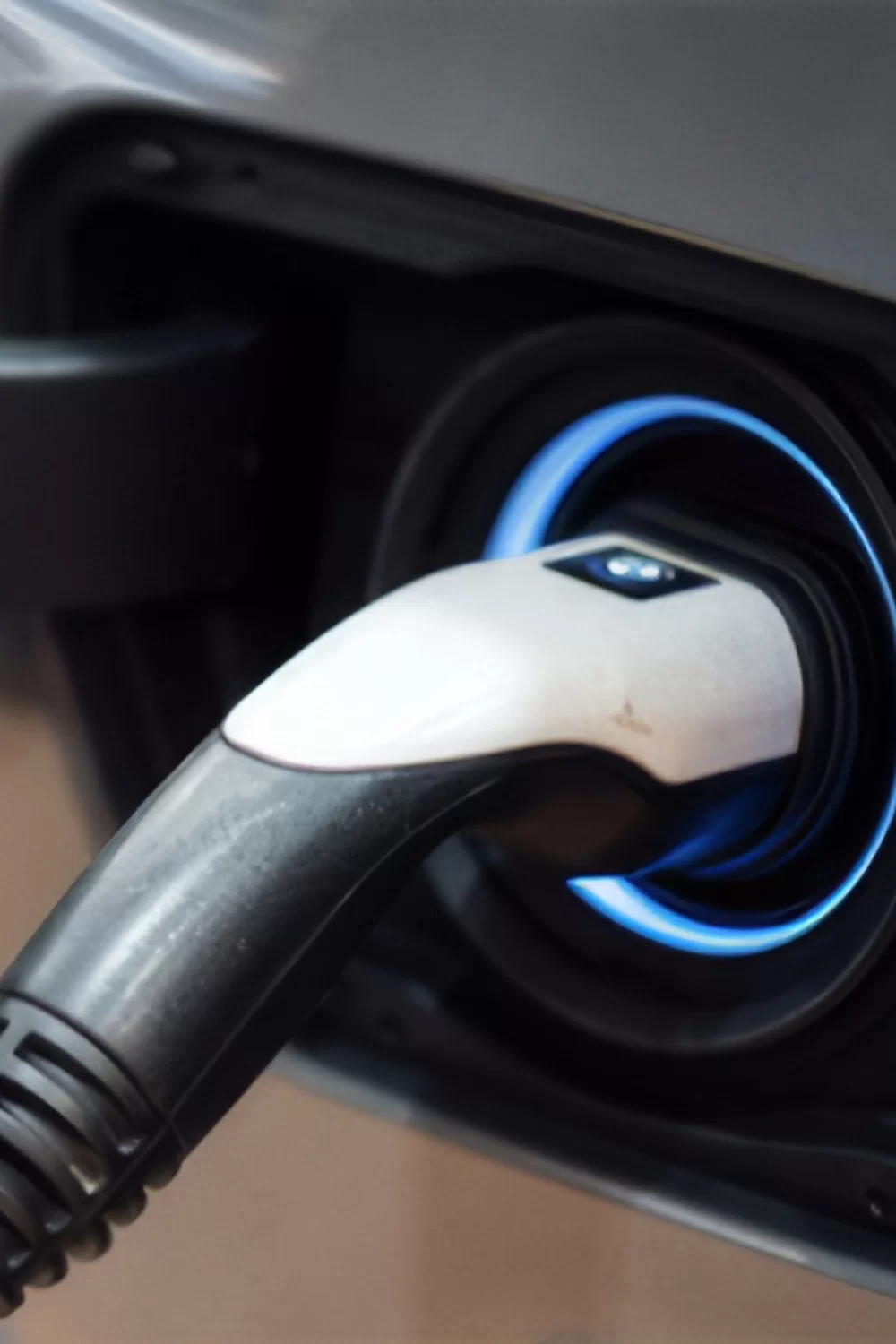
– **Passenger Cars**: In a typical sedan, the Relay Fuse Box protects various electrical systems. For instance, it safeguards the power supply to the headlights. When there is a sudden power spike due to a malfunction in the vehicle’s electrical system, the fuses in the box will blow, preventing damage to the expensive headlight bulbs. The relays in the box also play a crucial role in controlling the operation of components like the windshield wipers. When the wiper switch is turned on, the relay in the Relay Fuse Box closes the circuit, allowing power to reach the wiper motor.
– **Commercial Vehicles**: In a large truck, the Relay Fuse Box is responsible for protecting the electrical systems related to the truck’s refrigeration unit (if it is a refrigerated truck). The fuses prevent overcurrent from damaging the compressor motor of the refrigeration system. Relays are used to control the start – stop cycles of the refrigeration unit based on the temperature settings. Additionally, it protects the electrical circuits for the truck’s air – conditioning system, dashboard instruments, and trailer connection lighting.
– **Motorcycles**: On a motorcycle, the Relay Fuse Box is vital for protecting the ignition system. A single short – circuit in the ignition wiring could lead to a non – starting motorcycle or even damage to the engine control unit. The fuses in the box ensure that any abnormal current in the ignition circuit is cut off. The relays are used for functions such as controlling the power to the motorcycle’s horn and turn signals.
– **Small Boats**: In a small fishing boat, the Relay Fuse Box protects the electrical systems on board. For example, it safeguards the power supply to the boat’s navigation lights. These lights are crucial for the safety of the boat at night or in low – visibility conditions. If there is a fault in the wiring leading to the navigation lights, the fuses in the Relay Fuse Box will prevent excessive current from damaging the light bulbs. The relays are used to control the operation of the bilge pump. When the water level in the bilge reaches a certain level, the relay closes the circuit, activating the bilge pump to remove the water.
– **Yachts**: On a luxury yacht, the Relay Fuse Box has a more complex role. It protects the electrical systems for various amenities such as the air – conditioning units in different cabins, the entertainment systems (including televisions, sound systems), and the lighting systems throughout the yacht. The fuses and relays ensure that these systems operate smoothly and are protected from electrical faults. For example, the fuses protect the power supply to the yacht’s large – capacity air – conditioning compressors, and the relays control the switching on and off of different lighting zones depending on the user’s requirements.
– **Manufacturing Factories**: In a manufacturing plant, Relay Fuse Boxes are used to protect the electrical circuits of various machines. For example, in a conveyor belt system, the Relay Fuse Box protects the motor that drives the conveyor belt. If there is a jam in the conveyor belt, which may cause an overload on the motor, the fuses in the box will cut off the power to prevent motor burnout. The relays are used to control the start – stop and speed regulation of the conveyor belt motor. Similarly, in automated assembly line machines, the Relay Fuse Box protects the electrical components such as solenoids, sensors, and motors from electrical surges and short – circuits.
– **Power Generation Facilities**: In a power plant, Relay Fuse Boxes are used in the control and protection of auxiliary systems. For example, they protect the electrical circuits for the cooling pumps that are essential for cooling the generators. The fuses prevent overcurrent in the pump motors, and the relays are used to start and stop the pumps based on the temperature and pressure requirements of the cooling system. Additionally, in the control rooms of power plants, Relay Fuse Boxes protect the electrical circuits for monitoring and control equipment such as computers, communication devices, and instrumentation panels.
By centralizing power distribution, fuse relay boxes ensure efficient routing of electrical power to various components as needed. This optimized distribution minimizes voltage drops, spikes, and electrical interference, promoting consistent performance and extending the lifespan of electrical systems.
Relay and relay box are often used in vehicles, fuses are used in cars to limit current and prevent fires. Relays are switching devices that use a small current to control a much larger current in a second circuit. Because relays are often changed and switched off, they need their own fuse to protect them. In practice, it is placed in the same position as the fuse.
The fuse box in an automotive central control box typically includes several common types:
– Utilizes plug-in blade fuses, which are generally thin and easy to replace.
– Commonly found in modern vehicles due to their compact size and straightforward installation.
– Uses glass tube fuses, a design more prevalent in older models.
– Care must be taken during replacement, as the glass tubes are prone to breakage.
– Employs smaller fuses, suitable for vehicles with limited space.
– Typically used in newer models, especially those with numerous electronic devices.
– Designed for high-current loads, commonly used for starting motors or high-power devices.
– These fuses are relatively large and are usually located in fixed positions.
– Integrates multiple fuse types, including standard and maxi fuses.
– Provides flexibility to accommodate varying electrical demands.
Different vehicles and models may use various fuse boxes, so selection and installation should be based on specific electrical system designs.
When selecting an appropriate automotive central control box, consider the following aspects:
1. **Compatibility:** Ensure the chosen control box is compatible with your vehicle’s make, model, and year, as electronic systems may vary.
2. **Functional Requirements:** Select a control box based on your needs, such as whether it should manage air conditioning, audio systems, navigation, and more.
3. **Brand and Quality:** Opt for products from reputable brands, as they generally offer better quality and customer service. Check user reviews and professional evaluations.
4. **Ease of Installation:** If you plan to install it yourself, choose a control box that is easy to install, with detailed instructions or videos available.
5. **Price:** Compare prices across different brands and models to find the best option within your budget, considering the product’s value for money rather than just the price.
6. **Warranty and Support:** Look for products with good warranty policies to ensure timely support in case of issues.
7. **Additional Features:** Some modern control boxes may offer smart functions, such as smartphone connectivity and remote control, so choose features that meet your personal needs.
GVEI Valley provides perfect relay fuse box customization one-stop service, which can meet the different needs of various models.
The automotive relay fuse box, also known as the central electronic control unit or body control module, typically includes several key components:
**Relays:** These switches control electrical currents, enabling automatic circuit switching for functions like lighting and ignition.
**Fuses:** These protect circuits from overloads or short circuits, ensuring the safety of the electrical system.
**Switches:** Manual controls for various functions, such as headlights, horns, and windows.
**Connectors:** These facilitate connections and communication between various sensors and electrical components, ensuring smooth signal transmission.
**Control Units:** Microcontrollers or processors within the central control box that handle data processing and logical control.
**Sensor Interfaces:** Used to connect various vehicle sensors, such as door switches and light sensors, to collect data and respond accordingly.
**Circuit Boards:** Provide a platform for electrical connections and component installations, ensuring the proper functioning of all parts.
These components work together to control and manage the vehicle’s electronic systems, ensuring optimal operation and safety.