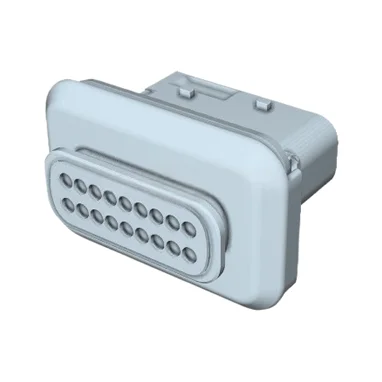
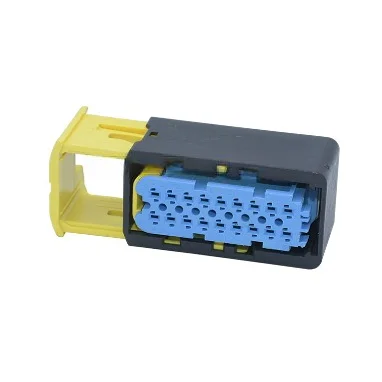
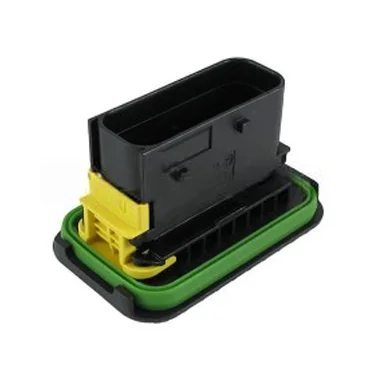
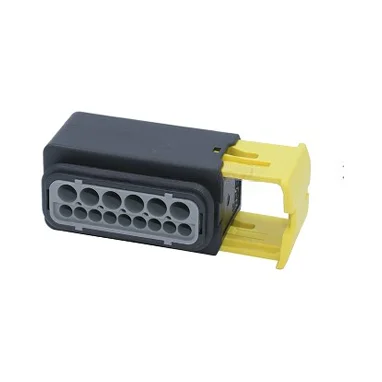
HDSCS Connector

Product Advantages

High - Quality Construction

Built With Top - Notch Materials And Precision Engineering

Excellent Electrical Performance

Offers Reliable Electrical Conductivity, Minimizing Signal Loss And Interference

Versatile Compatibility

Compatible With A Wide Range Of Cables And Devices

Secure And Stable Connection

Provides A Secure Connection That Resists Accidental Disconnection.

Compact And Space - Saving Design

Allows For Efficient Use Of Space, Especially In Applications Where Space Is Limited

Cost - Effective Solution

Despite Its High - Quality Features, Offers A Cost - Effective Solution For Various Electrical Connection Needs

Related Industry Applications

FAQ

Can the Heavy Duty Sealed Connector Series (HDSCS) be customized to meet specific application requirements?

The Heavy Duty Sealed Connector Series (HDSCS) can be customized to meet specific application requirements. Here are the reasons and ways:

1. **Reasons for customization feasibility**

– **Diverse application scenarios**: Different industries and applications have unique requirements for connectors in terms of size, shape, electrical parameters, and environmental adaptability. The HDSCS needs to be customized to fit these diverse needs. For example, in the automotive industry, the space available for connector installation in different vehicle models is different, and the connector needs to be customized in size and shape to ensure a proper fit.

– **Special environmental requirements**: Some applications may involve harsh environments such as high temperature, high humidity, strong vibration, and strong corrosion. To ensure the reliable performance of the connector in such environments, customization is necessary to enhance its sealing, anti-vibration, and corrosion resistance capabilities.

2. **Ways of customization**

– **Structural customization**: This includes customizing the shape, size, and mating method of the connector. For example, for some applications that require a special installation angle or limited space, the shape of the connector housing can be customized to meet the installation requirements. The number and arrangement of contact pins can also be adjusted according to the specific electrical connection needs.

– **Material selection and treatment**: Different materials have different properties, such as temperature resistance, corrosion resistance, and mechanical strength. According to the specific application environment, appropriate materials can be selected for the connector housing, contact pins, and seals. For example, in high-temperature environments, materials with high-temperature resistance can be used; in corrosive environments, materials with good corrosion resistance can be selected. In addition, surface treatment processes such as plating can be used to improve the performance of the connector.

– **Electrical parameter customization**: Customization of electrical parameters such as current, voltage, and impedance can be carried out according to the specific electrical requirements of the application. This may involve adjusting the size and material of the contact pins to ensure stable electrical connection and meet the required electrical performance indicators.

– **Sealing and protection customization**: For applications in harsh environments, the sealing performance of the connector is crucial. Customization can be carried out in terms of the type and structure of the seal to improve the sealing effect and prevent the ingress of dust, water, and other contaminants. Additionally, protection measures such as adding protective covers or coatings can be customized to enhance the durability and reliability of the connector.

How to ensure the reliability and durability of a Heavy Duty Sealed Connector Series (HDSCS) in harsh environments?

To ensure the reliability and durability of a Heavy Duty Sealed Connector Series (HDSCS) in harsh environments, the following steps can be taken:

### 1. Design and Material Selection

– **High – Quality Materials**

– **Housing Material**: Select a housing material that is highly resistant to environmental factors. For example, using a UL 94 V – 0 – rated thermoplastic for the HDSCS housing. This type of material can withstand high temperatures, impacts, and chemical exposures. It provides a strong and stable structure to protect the internal components of the connector.

– **Contact Materials**: Choose contact materials with excellent conductivity and corrosion resistance. High – purity copper alloys, such as beryllium – copper or phosphor – bronze, are often good choices. These materials can maintain low – resistance electrical connections over time. Additionally, applying a suitable plating like gold plating can further enhance corrosion resistance and conductivity.

– **Robust Design Features**

– **Sealing Design**: Ensure the connector has an effective sealing mechanism. Since the HDSCS is rated to IP67 and IP6K9K (with a backshell), the sealing design should be carefully engineered. This may involve using high – quality rubber gaskets or O – rings at the mating surfaces and around the wires entering the connector. The seals should be able to prevent the ingress of dust, water, and other contaminants even under high – pressure water jets or in dusty environments.

– **Locking Mechanisms**: Incorporate reliable locking mechanisms. The integrated secondary lock with a poka – yoke feature in the HDSCS helps confirm contact alignment and retention. This type of locking mechanism should be designed to withstand vibrations and mechanical shocks without loosening. Additionally, keying options can prevent incorrect mating, which could otherwise damage the connector or lead to unreliable connections.

### 2. Manufacturing and Assembly

– **Precision Manufacturing**

– Use high – precision manufacturing techniques to ensure that the dimensions of the connector components are accurate. This includes precise machining of the housing and contacts to ensure proper mating and a tight seal. Any manufacturing defects, such as rough surfaces or misaligned parts, can lead to reduced reliability.

– Quality control during manufacturing is crucial. Conduct thorough inspections of each component to check for flaws in materials or workmanship. This can involve visual inspections, as well as more advanced testing methods such as electrical conductivity testing and mechanical strength testing.

– **Proper Assembly**

– Train assembly workers to follow strict assembly procedures. Incorrect assembly can undermine the reliability of the connector. For example, improper installation of the seals or incorrect mating of the connector halves can lead to leakage or poor electrical contact. Workers should be aware of the importance of cleanliness during assembly to avoid introducing contaminants into the connector.

### 3. Testing and Certification

– **Environmental Testing**

– Subject the HDSCS connectors to a comprehensive range of environmental tests. This should include temperature cycling tests to simulate the extreme temperature variations in harsh environments. For example, testing the connectors from – 40°C to + 85°C or even wider temperature ranges to ensure they can function properly at all times.

– Vibration and shock testing is also essential. Connectors should be able to withstand the vibrations and shocks typical of their intended applications, such as the high – frequency vibrations in off – road vehicles or the shock loads during shipping or installation.

– Conduct waterproof and dustproof tests to verify that the connectors meet their IP – rated sealing standards. This can involve exposing the connectors to water jets, immersion in water, and exposure to dust clouds under controlled conditions.

– **Electrical Performance Testing**

– Regularly test the electrical performance of the connectors. This includes measuring the contact resistance to ensure it remains within acceptable limits over time. High contact resistance can lead to power losses and overheating.

– Perform insulation resistance testing to check for any electrical leakage between the contacts or between the contacts and the housing. Any signs of reduced insulation resistance can indicate potential problems in the connector’s integrity.

### 4. Maintenance and Monitoring

– **Regular Maintenance**

– Establish a maintenance schedule for the HDSCS connectors in use. This may involve periodic inspections to check for signs of wear, damage, or degradation. For example, checking the seals for cracks or deterioration, and examining the contacts for signs of corrosion or wear.

– During maintenance, clean the connectors if necessary, using appropriate cleaning agents that will not damage the materials. Ensure that any damaged components, such as seals or contacts, are replaced promptly.

– **Monitoring in Service**

– Implement a system for monitoring the connectors during their in – service life. This can be achieved through the use of sensors or by regularly checking electrical parameters. For example, monitoring the temperature of the connectors during operation can help detect any abnormal heating, which may indicate a problem with the electrical connection or the cooling mechanism.

What are the common applications of Heavy Duty Sealed Connector Series (HDSCS)?

The Heavy Duty Sealed Connector Series (HDSCS) has several common applications due to its excellent sealing performance and durability:

1. **Automotive industry**:

– **Commercial vehicles**: Such as trucks and buses, where the connectors are used for various electrical connections within the vehicle, like connecting the engine control unit to sensors, wiring harness connections in the chassis, and for lighting systems. They can withstand the vibrations, temperature variations, and exposure to dust and moisture that are common in these vehicles.

– **Off-highway vehicles**: Including construction machinery (e.g., excavators, loaders), agricultural machinery (e.g., tractors, harvesters), and mining vehicles. These vehicles operate in extremely harsh environments with high levels of dust, dirt, and vibration, making the heavy-duty sealed connectors essential for reliable electrical connections.

– **Special vehicles**: Such as emergency vehicles (ambulances, fire trucks), recreational vehicles (RVs), and military vehicles. These vehicles require high-performance connectors to ensure the proper functioning of their specialized equipment and systems.

2. **Marine industry**: In boats, ships, and other marine vessels, HDSCS connectors are used for electrical connections in the engine room, navigation systems, lighting, and other onboard equipment. They can resist the corrosive effects of saltwater and the humid marine environment.

3. **Aerospace industry**: Although specific aerospace connectors have more stringent requirements, some heavy-duty sealed connectors can be used in certain non-critical or secondary systems within aircraft and spacecraft, such as for interior lighting connections or some auxiliary electrical systems, where they need to withstand vibration, temperature changes, and low-pressure environments during flight.

4. **Industrial machinery and equipment**:

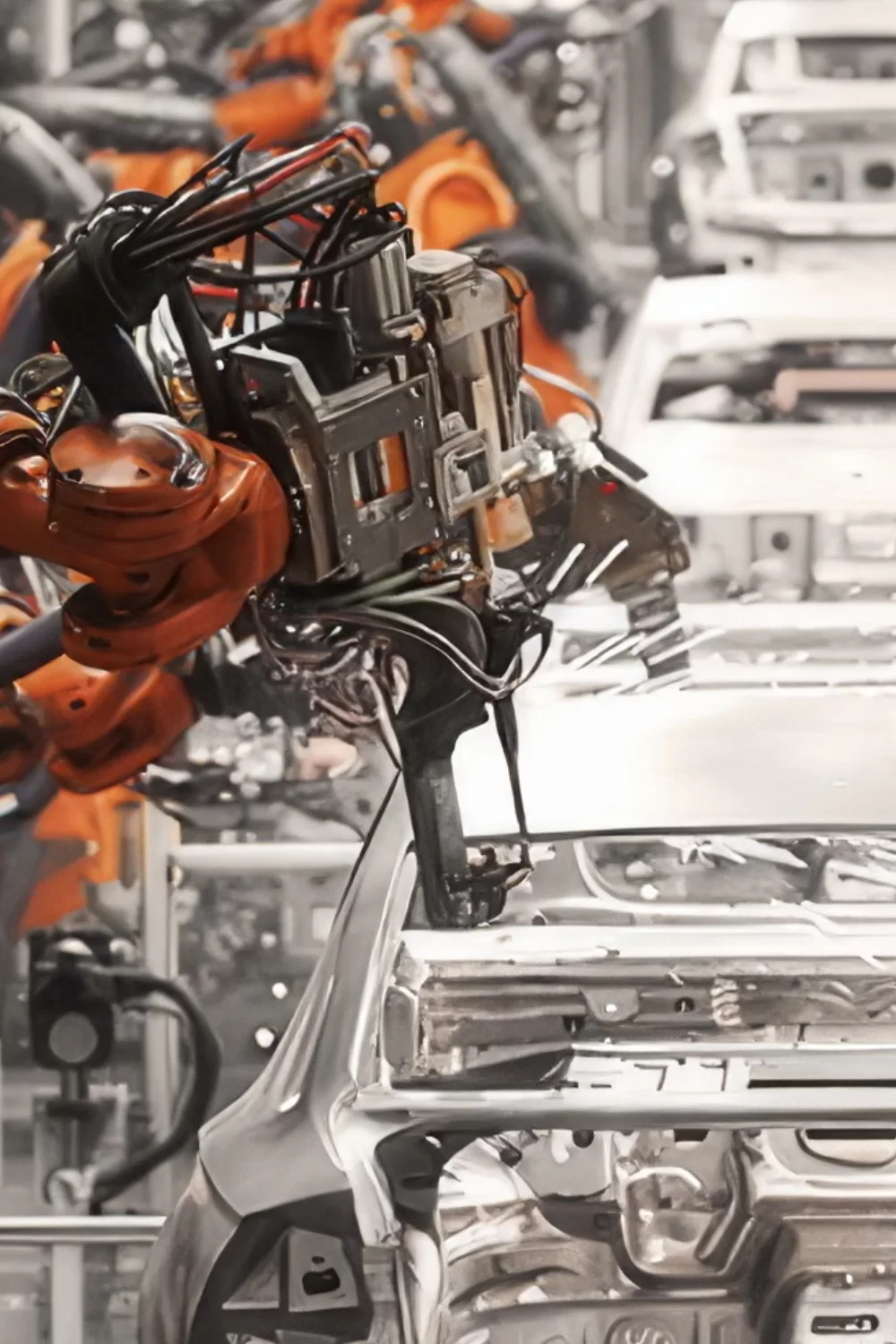
– **Manufacturing plants**: Used in industrial robots, conveyor systems, and other automated machinery to ensure reliable electrical connections between different components. They can handle the mechanical stresses and environmental challenges in industrial production environments.

– **Power generation and distribution**: Applied in power plants and electrical substations for connecting electrical equipment and cables, providing a reliable and sealed connection in high-voltage and high-temperature environments.

5. **Telecommunications and electronics**: In some outdoor telecommunications equipment and electronic devices that are exposed to the elements, such as base stations and outdoor surveillance systems, heavy-duty sealed connectors can be used to ensure the stability of electrical connections and protect against moisture and dust.

What is the typical lifespan of a Heavy Duty Sealed Connector Series (HDSCS)?

The typical lifespan of a Heavy Duty Sealed Connector Series (HDSCS) can vary depending on several factors, but generally, it can last for many years under proper usage and maintenance conditions.

In ideal circumstances, with normal operating conditions (such as within the specified temperature, voltage, and current ranges), and without exposure to excessive environmental stresses like extreme heat, cold, moisture, or mechanical damage, an HDSCS connector can have a lifespan of 10 to 20 years or even longer. However, if the connector is used in harsh environments with high vibration, wide temperature fluctuations, or high humidity, its lifespan may be significantly reduced.

For example, in the automotive industry where these connectors are often used, if a vehicle is driven regularly in extreme weather conditions or on rough terrains, the lifespan of the HDSCS connectors in the vehicle may be shorter than those used in more moderate operating environments.

what is a Heavy Duty Sealed Connector Series (HDSCS)?

A Heavy Duty Sealed Connector Series (HDSCS) is a type of connector designed to meet the rigorous demands of various demanding applications, especially in the commercial vehicle and off-road vehicle industries. Here are its main characteristics and features:

1. **Robust construction**:

– **Material**: Made from a rugged UL 94 V-0-rated thermoplastic, which provides high strength and durability to withstand harsh environments, such as high vibration, impact, and extreme temperatures.

– **Structure**: The connector has a solid and stable structure to ensure the reliability of the connection even in challenging working conditions.

2. **Sealing performance**: Rated to IP67 and IP6K9K (when used with a backshell), it offers excellent sealing capabilities to protect against the intrusion of dust, water, and other contaminants. This is crucial for applications where the connector may be exposed to harsh environmental conditions, such as in engine compartments, undercarriages, or outdoor equipment.

3. **Secondary lock and keying features**: It has an integrated secondary lock with a poka-yoke (error-proofing) feature. The secondary lock confirms contact alignment and retention, ensuring a secure connection and preventing accidental disconnection. The keying options help to ensure correct mating and prevent incorrect insertion, enhancing the reliability and safety of the connection.

4. **Variety of configurations**: Available in 5 housing sizes and 4 keying options, with arrangements ranging from 2 to 18 positions. This allows for flexibility in meeting different application requirements and provides a wide range of choices for designers and engineers.

5. **Compatibility with high-current contacts**: Accepts contact sizes such as 6.3/4.8K (up to 40 amps), 2.8 (up to 40 amps), and 1.5K (up to 20 amps), enabling it to handle high-current applications effectively.

In summary, the Heavy Duty Sealed Connector Series is a reliable and durable connector solution that is well-suited for applications that require high-performance connectivity in harsh environments, such as in the truck, bus, construction equipment, agricultural equipment, and special vehicle industries.

TYPE TO SEARCH