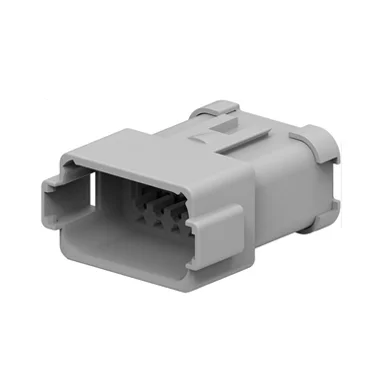
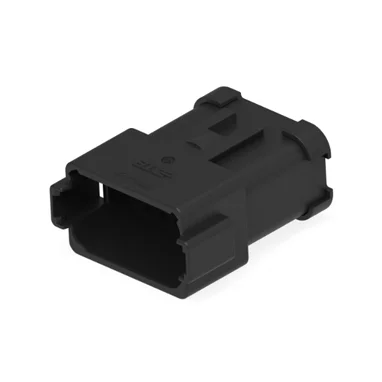
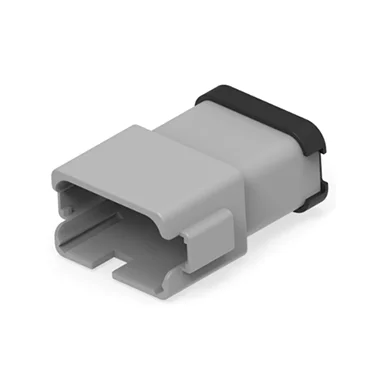
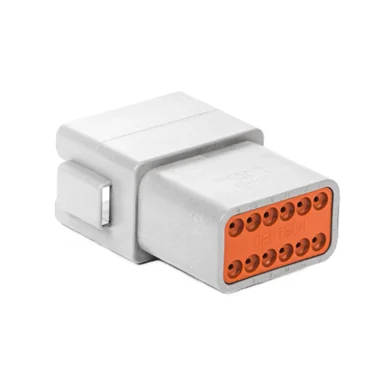
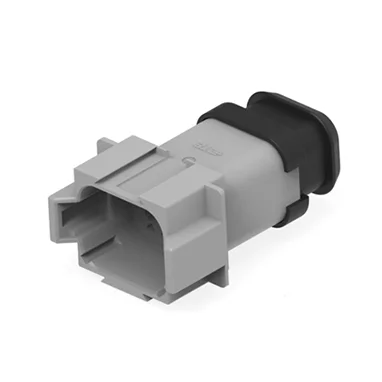
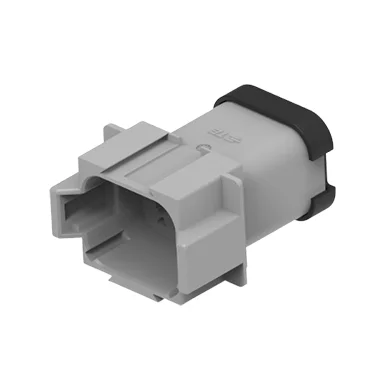
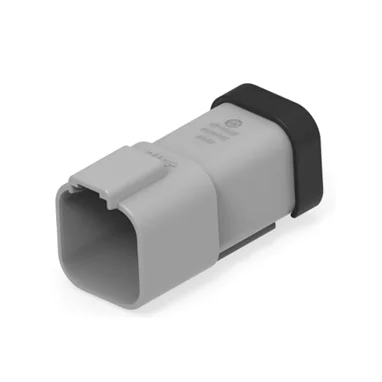
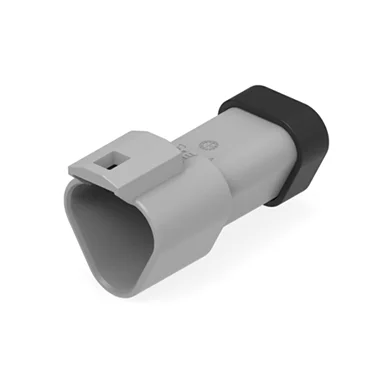
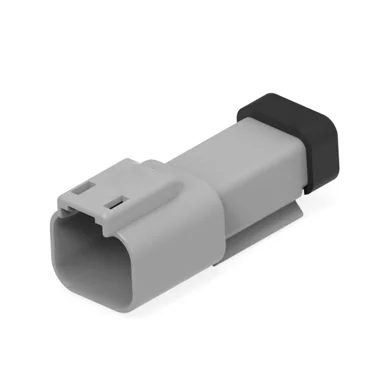
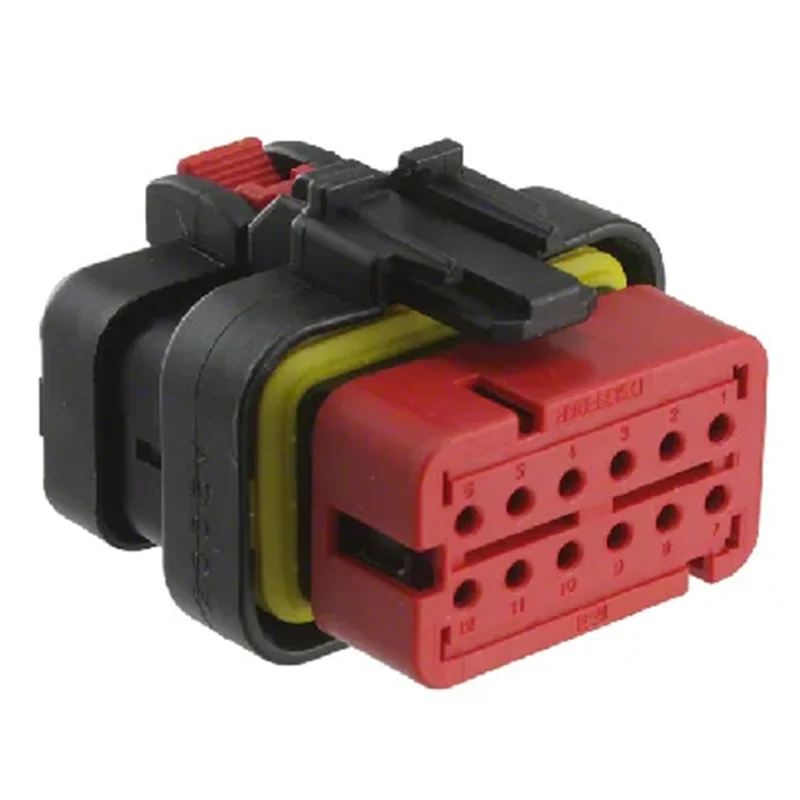
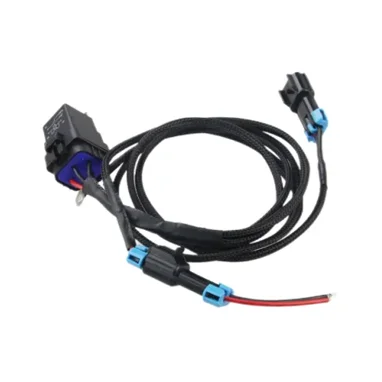
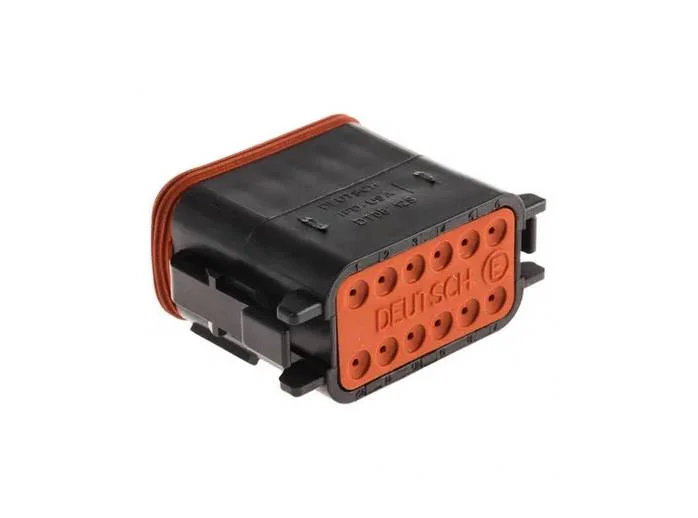
The demand for efficient and reliable automotive electrical connectors has grown rapidly as vehicles become more intelligent and electrified. From lighting systems and infotainment to powertrains and sensors, every electronic function in a car depends on stable and secure electrical connections. Choosing the right car connector is not only about fitting the right shape or size—it is about ensuring long-term reliability, safety, and performance.
Below are the key factors that engineers and manufacturers should consider when selecting connectors for automotive wiring systems.
Current Rating: Ensuring Safe Electrical Transmission
The current rating of an automotive connector determines how much electrical current it can safely carry without overheating or damaging internal components. If the current exceeds the connector’s rated capacity, resistance increases, which can lead to heat buildup, voltage drops, and even system failure or fire.
To ensure safety, always choose connectors rated slightly above the expected operating current. This margin helps the system handle temporary surges while maintaining stable electrical performance.

Voltage Rating: Preventing Electrical Failure
Just like current, voltage limits are equally important. The voltage rating defines the maximum voltage the connector can handle before electrical breakdown occurs. Applying higher-than-rated voltage may cause arcing, insulation damage, or data transmission errors.
For automotive applications where systems often operate on 12V, 24V, or higher for EV platforms, it is critical to select connectors designed specifically for that voltage range. This helps prevent short circuits and ensures consistent reliability throughout the automotive wiring system.
Number of Contacts: Meeting Complex System Requirements
As vehicles integrate more electronics, the need for multi-function connectors increases. The number of contacts, also called pin density, affects how many signals or power lines a connector can carry.
High-density automotive connectors allow for power, signal, and control lines to be combined in one interface, saving space and simplifying installation. They also improve system versatility and make it easier to expand or upgrade in the future. Choosing the right contact configuration ensures both performance and design flexibility.
Environmental Conditions: Durability Under Harsh Conditions
Automotive environments can be extremely demanding. Connectors may face heat from the engine, exposure to water, oil, or dust, and continuous temperature fluctuations. Therefore, understanding environmental conditions is essential.
A waterproof car connector with a high IP (Ingress Protection) rating—such as IP67 or IP69K—can effectively block out moisture and dust. Materials that resist corrosion and chemicals, such as high-performance plastics and rubber seals, are also crucial for long-term durability. Selecting connectors with proper sealing and protection ensures consistent performance even in challenging environments.
Mechanical Design: Vibration Resistance and Secure Locking
In vehicles, vibration and movement are constant. A reliable automotive connector should remain securely locked despite mechanical stress. Locking mechanisms such as push-locks, secondary locks, and latch systems prevent accidental disconnection.
In addition, features like strain relief and cable clamps help protect the wires from bending, pulling, or breaking at the connector entry point. These designs enhance mechanical stability and reduce maintenance needs in both standard and heavy-duty vehicles.
Termination Type: Achieving Reliable Electrical Contact
Proper wire termination ensures electrical stability and ease of assembly. Common termination types include crimp terminals, soldering, and screw connections.
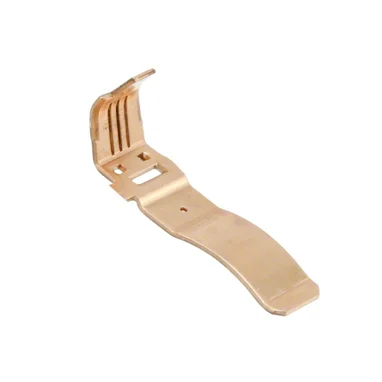
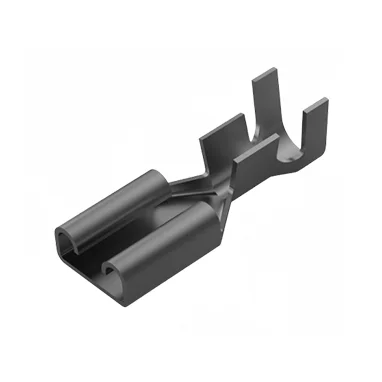
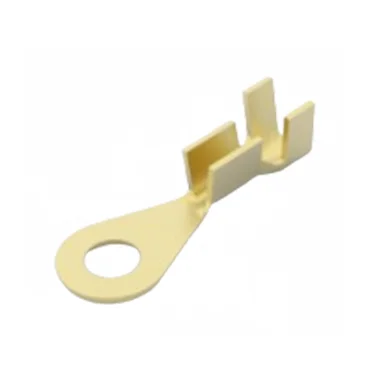
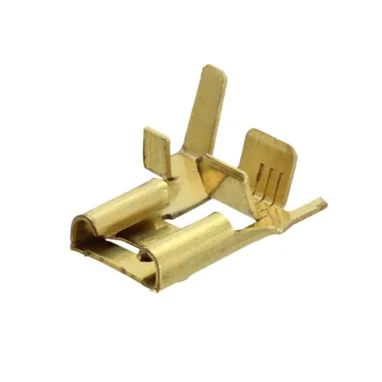
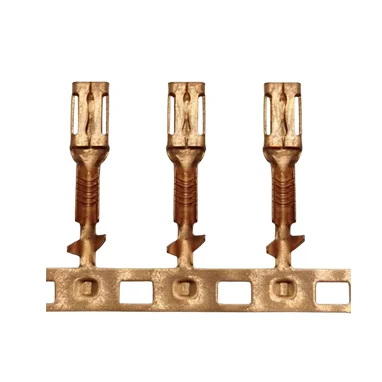
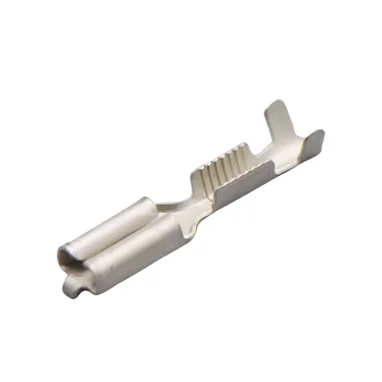
Among them, crimp terminal automotive connectors are widely used because they provide secure and vibration-resistant joints when done correctly. Consistent crimping force ensures low resistance and prevents signal loss. For mass production, crimping also offers speed and repeatability, making it ideal for automotive harness assembly.
Material Selection: Balancing Weight, Strength, and Conductivity
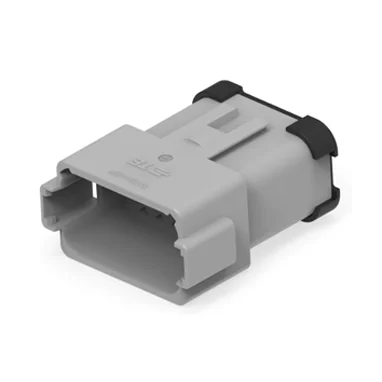
Connector housings are typically made from either plastic or metal. Plastic automotive connectors are lightweight and corrosion-resistant, suitable for most passenger vehicles and electronic modules.
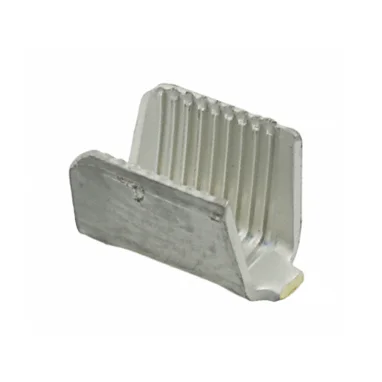
Meanwhile, metal car connectors offer higher mechanical strength and heat resistance, often preferred in industrial vehicles, trucks, and off-road applications. Selecting the right material helps balance performance, durability, and weight across different vehicle systems.
Signal Integrity: Ensuring Stable Data and Power Transmission
Modern vehicles rely heavily on data communication—such as CAN, LIN, and Ethernet systems—making signal integrity a critical factor. High-quality contact materials like silver- or gold-plated alloys reduce contact resistance and minimize signal loss over time.
A signal integrity automotive connector should also maintain low capacitance and inductance to support high-speed data transfer. This ensures reliable operation for advanced driver-assistance systems (ADAS), sensors, and communication networks that depend on fast and stable signal transmission.
Conclusion: Selecting the Right Connector for Long-Term Reliability
Choosing the right automotive electrical connector involves more than just matching technical specifications. It requires careful consideration of electrical, mechanical, environmental, and material factors to ensure long-term performance and safety.
By focusing on current and voltage ratings, pin density, sealing performance, locking mechanisms, and signal integrity, engineers can achieve stable and efficient connections across all vehicle systems—from powertrains to infotainment networks.
Juhor offers professional automotive connector solutions designed for safety, performance, and long-term reliability. Whether you need durable waterproof connectors, high-density car connectors, or precision crimp terminals, Juhor provides dependable products that meet the demanding standards of the modern automotive industry.
Contact Jingu today to discover reliable automotive electrical connectors for your next wiring system project.