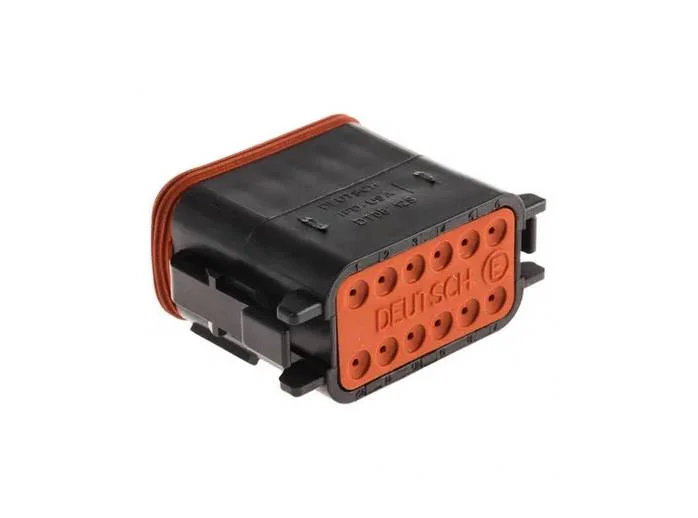
Introduction: Why Insulation Matters in EV High-Voltage Wire Harnesses
As electric vehicles (EVs) become mainstream, ensuring the safety and reliability of their high-voltage wire harness systems is essential. Unlike conventional internal combustion engine (ICE) vehicles that typically operate below 60V, electric vehicles use cables and connectors rated from 600V up to 1000V.
Within the EV wire harness, these high-voltage cables carry large currents between the battery, inverter, and electric motor. To maintain stable performance and prevent safety risks such as short circuits or overheating, the insulation layer plays a crucial role. It must resist heat, vibration, chemicals, and mechanical stress throughout the vehicle’s lifetime.
Harsh Operating Conditions of EV High-Voltage Wire Harnesses
The automotive wire harness in electric vehicles faces far harsher conditions than in conventional vehicles. Since high-voltage cables transmit currents from 250A to 450A, they continuously generate heat. In addition, EV components are packed into limited spaces, which means cables must bend tightly without losing insulation integrity.
Moreover, these cables are often routed near motors, inverters, and other heat sources. They are also exposed to continuous vibration and environmental challenges such as humidity, dust, and road debris. Under these demanding conditions, the insulation layer must provide both electrical safety and long-term mechanical durability.
Therefore, choosing proper insulation materials for high-voltage wire harnesses is one of the key factors in ensuring safe and efficient EV operation.
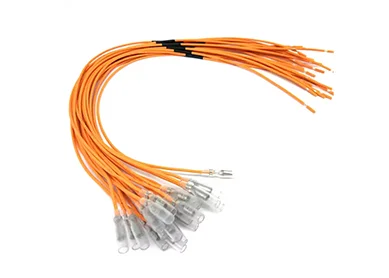
Key Performance Requirements for Insulation Layers
1. Electrical Performance
The insulation layer must prevent electric shock and short circuits by maintaining high dielectric strength and low leakage current. Since EV high-voltage systems operate at much higher voltages than conventional ones, stable electrical insulation is vital for both performance and safety.
Proper insulation ensures that each circuit in the EV wire harness remains protected, even under high voltage and current loads.
2. Thermal Resistance
Heat management is another critical factor. The insulation must withstand high temperatures caused by heavy current flow and nearby heat-generating components. Standard automotive cables are usually rated for up to 105°C, while EV high-voltage cables typically require 125°C to 175°C temperature ratings.
The higher the temperature resistance, the longer the cable’s service life. According to automotive standards such as GB/T 25085, GB/T 25087, and ISO 19642, EV high-voltage cables are tested for 3,000 to 12,000 hours of thermal aging to ensure stability under long-term use.
3. Mechanical Strength and Flexibility
The insulation layer must also withstand bending, vibration, and mechanical stress without cracking. Because the EV wire harness is routed through tight spaces, flexibility is a major design consideration.
High-flexibility insulation materials allow cables to bend around corners and components easily, reducing installation complexity. This flexibility also helps maintain cable integrity in areas exposed to continuous vibration, such as near electric motors or suspension systems.
Common Insulation Materials Used in EV Wire Harnesses
Different insulation materials are selected based on voltage, temperature, and environmental conditions. Below are the most common materials used in high-voltage wire harnesses for electric vehicles:
| Material | Heat Resistance | Flexibility | Flame Retardancy | Notes |
| PVC | Up to 90°C | Fair | Good | Economical but restricted by RoHS regulations |
| XLPE (Cross-linked Polyethylene) | 125–150°C | Moderate | Excellent | Widely used for EV high-voltage wire harness insulation |
| TPE (Thermoplastic Elastomer) | 125°C | Excellent | Good | Flexible and recyclable; suitable for lightweight designs |
| Silicone Rubber (SIR) | Up to 180°C | Excellent | Excellent | Ideal for high-temperature or compact routing areas |
Among these materials, XLPE remains one of the most popular choices due to its balance of electrical strength, heat resistance, and cost-effectiveness. Silicone rubber offers superior flexibility and high-temperature performance, making it ideal for compact EV wire harness routing. TPE, meanwhile, provides environmental benefits and excellent bendability for applications requiring both durability and sustainability.
Compliance with Automotive Standards
To ensure safety and performance, high-voltage wire harnesses must comply with strict international standards such as QC/T 1037, GB/T 25087, and ISO 19642. These standards define testing methods for voltage endurance, insulation resistance, mechanical strength, and flame retardancy.
Compliance not only guarantees the cable’s long-term reliability but also ensures compatibility across different automotive platforms and global markets.

Safety and Color Identification
For safety reasons, high-voltage cables in EV wire harnesses are color-coded for easy recognition. According to QC/T 414, high-voltage cables must be bright orange, serving as a visual warning to technicians and operators.
Additional markings such as “Caution! High Voltage 600V” or lightning symbols are often printed on the insulation surface. This helps reduce maintenance risks and prevents accidental contact during vehicle servicing or disassembly.
Emerging Trends in EV Wire Harness Insulation Materials
As the automotive industry transitions toward electrification, new insulation materials are being developed to meet higher performance and environmental requirements.
Modern EV wire harness designs increasingly rely on halogen-free, recyclable insulation materials that comply with RoHS and REACH directives. Manufacturers are also focusing on lightweight and compact solutions that improve routing efficiency and energy efficiency.
Advancements in polymer chemistry and cross-linking technology are leading to insulation materials with enhanced flexibility, higher temperature resistance, and longer service life—perfectly suited for next-generation high-voltage wire harnesses.
Conclusion
In electric vehicles, the performance and safety of the high-voltage wire harness depend heavily on the quality of insulation materials. The insulation must offer strong dielectric strength, superior thermal resistance, flexibility, and compliance with automotive standards.
By selecting the right insulation materials—such as XLPE, silicone rubber, or TPE—manufacturers can ensure long-lasting, safe, and efficient power transmission throughout the vehicle’s lifespan.
As a trusted wire harness supplier, Jingu provides reliable solutions for EV wire harnesses, high-voltage cables, and automotive connectors.
With strict quality control and advanced material technology, Jingu helps automakers build safer and more efficient electrical systems for the future of mobility.
Contact Juhor today to learn more about our automotive wire harness and high-voltage cable solutions.