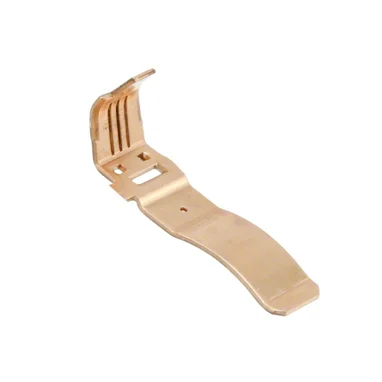
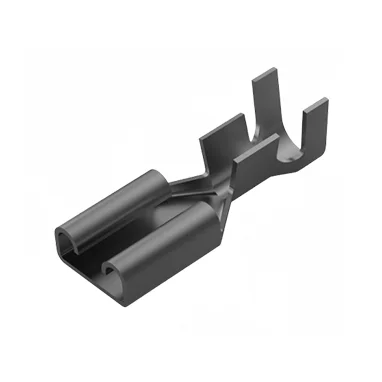
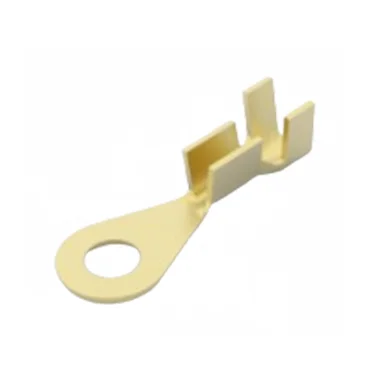
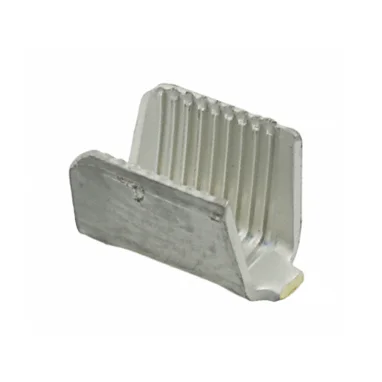
Industry Scenarios

Lawn Trimmer

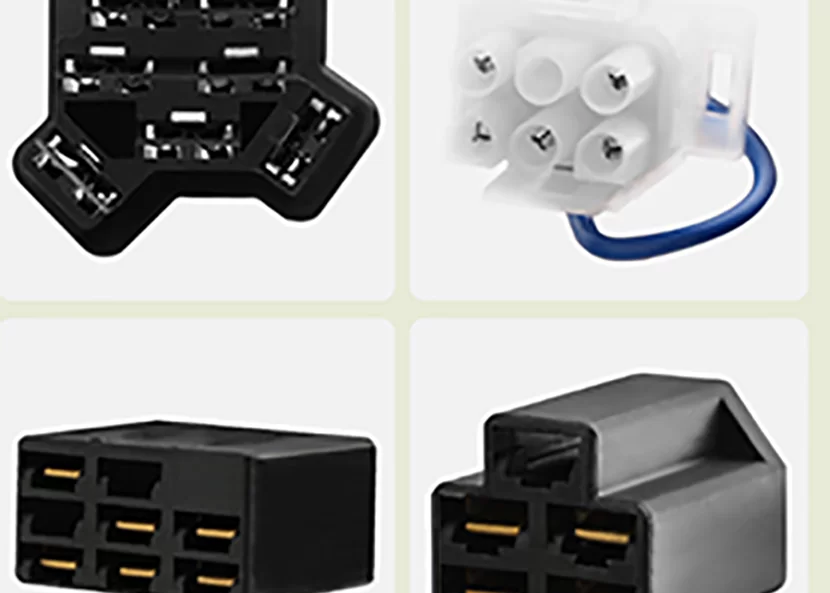
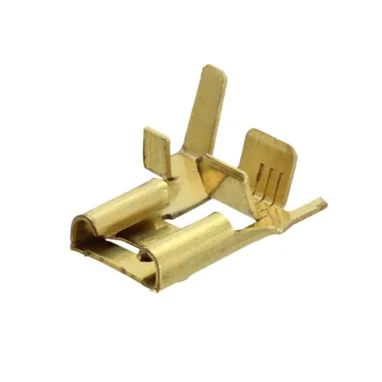
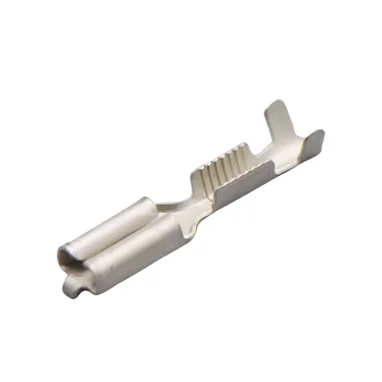
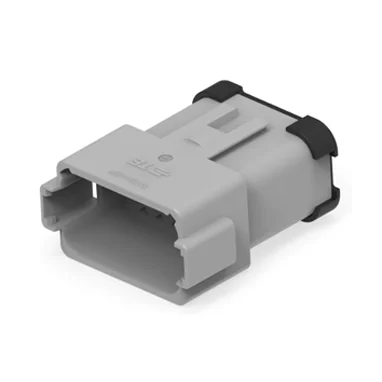
Different specifications of wires,matched with multiple specifications of terminals and connectors.

Lawn Trimmer

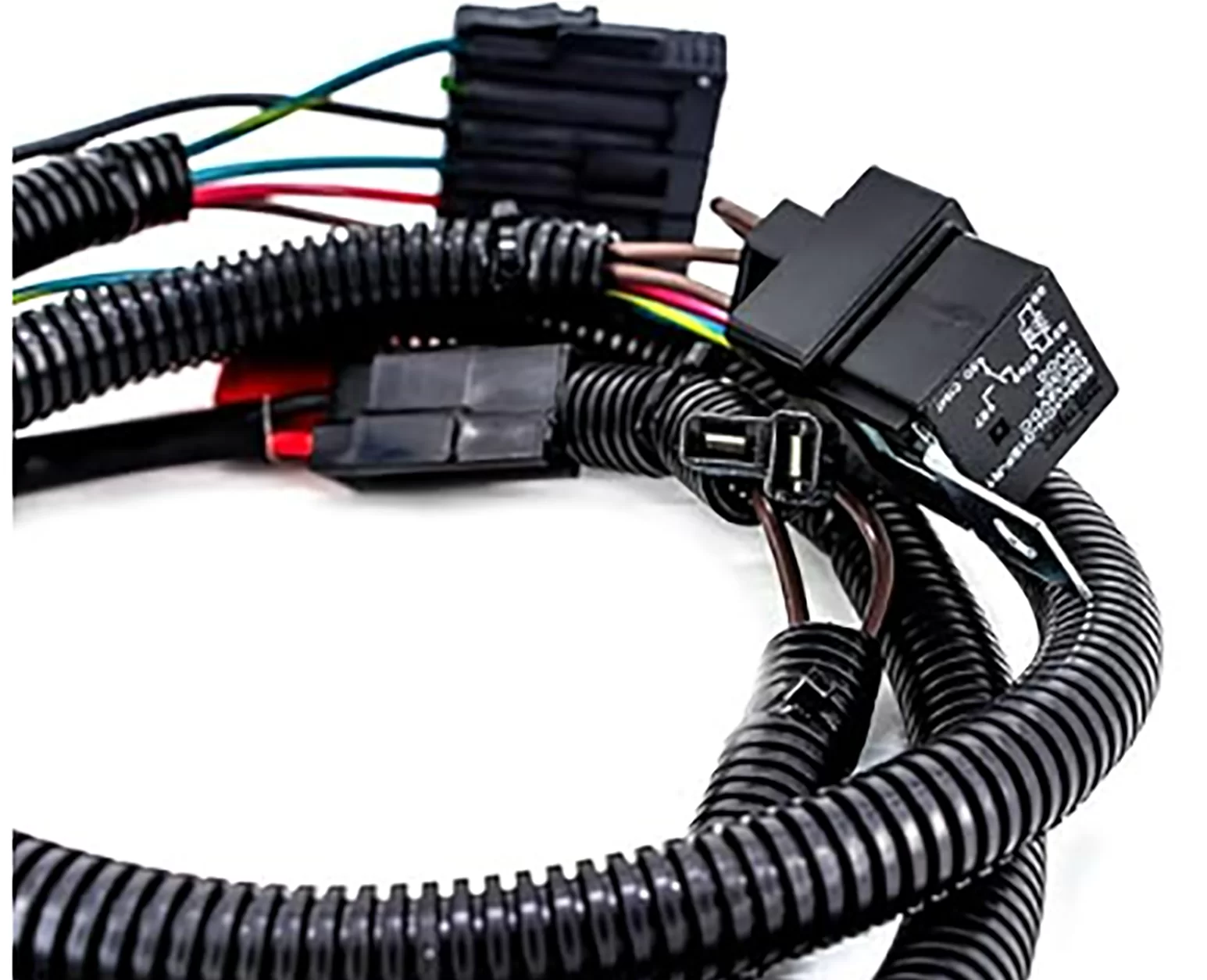
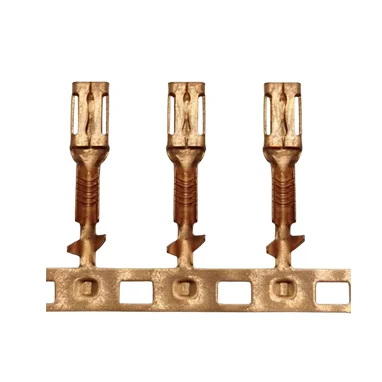
Multi core sheathed wire, automatic continuous riveting terminal forming process.

Lawn Trimmer

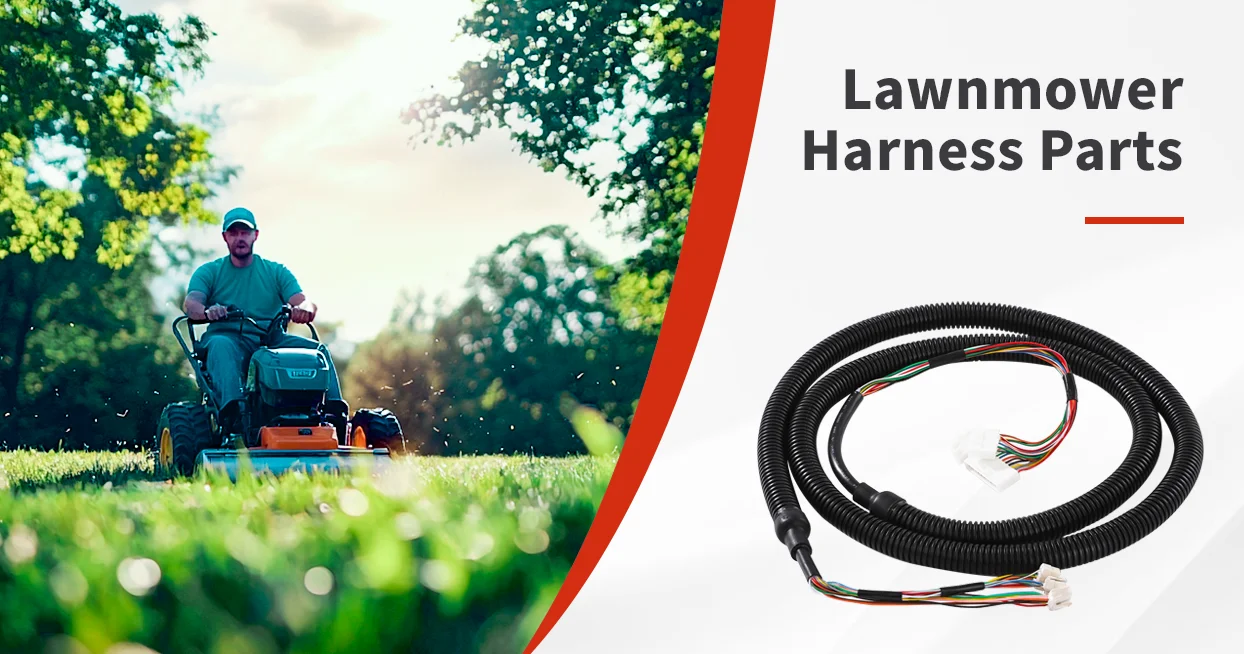
Advantages of Lawnmower Harness Parts

  • Efficient transmission
  • high stability
  • high security
  • Easy maintenance
  • High compatibility

Customer Cases

Lawn Trimmer

The Case for Lawnmower Harness Parts

efficient operation. A damaged or malfunctioning harness causes power disruptions and may stop the lawnmower.

For example, frayed wiring due to movement and elements leads to intermittent power supply, making the engine sputter and stall.

A loose connection in the harness plugs prevents proper signal transfer, affecting components like the starter motor or blade control system.

Regular inspection and maintenance can prevent these problems and ensure a smooth lawn mowing experience.

Customer Reviews

Related Products

FAQ

How Insert Molding Works

Insert molding is quite similar to conventional injection molding. It involves melting and injecting molten raw materials or plastic into a mold, using the same injection molding materials used in conventional plastic molding.

The major differentiating factor between conventional injection molding and insert molding is the addition of inserts to the mold used in the insert molding process. Below are the steps to insert molding successfully.

Step 1: Load Inserts Into the Mold

When designing the molds for insert molding, engineers take into consideration the positioning of the inserts within the mold. This is quite an important consideration as holding inserts in place can ensure they retain their orientation as well as location.

Step 2: Inject the Molten Plastic Into the Mold

This is the second step in insert molding and involves using an injection unit to inject the molten plastic into the mold. This injection phase occurs under high pressure. This pressure forces the molten plastic to fill all parts of the mold, evacuating air through the vents present in the mold and ensuring the plastic adheres completely to the inserts.

Step 3: Open the Mold and Remove the Molded Part

With the molten plastic filling the mold, it is important to keep it at a set temperature to allow uniform solidification. Furthermore, Maintaining a holding pressure helps reduce shrinking effects while ensuring no backflow into the barrel occurs. When cooled, the mold opens, allowing the removal of the molded part.

Step 4: Separate the Molded Part From the Sprue

Most molded parts come attached to the sprues on which their molding occurred. Sprues are like frameworks that guarantee all components of the molded part are present. However, to use the part, you have to separate it from the sprue. Taking precautions is important to prevent damaging or losing the molded part.

Step 5: Post Processing

After molding, plastic parts would require further treatment before being ready for final use. Here are some post-processing treatments manufacturers subject insert-molded parts to;

Deburring: This is the removal of excess material that affects the appearance of the molded part. Trimming often occurs manually through the use of simple tools.

Heat Treatment: Heat treatment helps remove internal stress, which could reduce the quality of a molded part. The temperature of this treatment should be 10-20 degrees Celsius higher than the service temperature of the part or lower than its deformation temperature.

Surface Finish: There are different types of surface finish available, from surface printing to electroplating. The type chosen is dependent on your design needs. Some finishes improve material strength and physical properties, while others add aesthetic effects to the product.

Humidity Control: This post-processing treatment aims to insulate the molded parts from the air, speed up moisture absorption, stabilize size and prevent oxidation. This treatment involves putting molded parts in hot water of 80-100 degrees Celsius.

What is the insert molding process?

The insert molding process involves several key steps:

1. **Mold Preparation**: The mold is designed to accommodate both the insert and the plastic material.

2. **Insert Placement**: A pre-made insert (such as metal or another plastic part) is placed in the mold cavity.

3. **Injection**: Molten plastic is injected into the mold, surrounding the insert.

4. **Cooling**: The mold is cooled, allowing the plastic to solidify and bond with the insert.

5. **Ejection**: The finished part is ejected from the mold, integrating the insert with the molded plastic.

This process is efficient for creating complex parts with integrated components. If you want to explore specific applications or benefits, just let me know!

What is an insert Mould?

An insert mold is a type of injection molding process that involves placing a pre-made component (the insert) into the mold before injecting the molten plastic. This method allows for the incorporation of metal parts, connectors, or other materials into the final plastic product. Key benefits include improved structural integrity, enhanced functionality, and reduced assembly time. Would you like to delve deeper into its applications or advantages?

Can shaped terminals be customized to specific requirements?

Yes, shaped terminals can be customized to specific requirements. Here are the reasons and ways in which customization is possible:

### 1. Reasons for Customizability

– **Diverse Application Needs**

– Different industries and applications have unique requirements for terminals. For example, in the aerospace industry, terminals may need to meet strict weight, size, and reliability requirements due to the extreme conditions of flight. In medical devices, terminals may need to be biocompatible and sterilizable. Customization allows shaped terminals to be tailored to these specific needs.

– Applications in high – tech electronics, such as in 5G communication equipment, may require terminals with specific electrical properties like high – frequency signal transmission capabilities. Custom – shaped terminals can be designed to optimize these properties.

– **Integration with Specialized Systems**

– Some systems have unique architectures or operating conditions. For instance, in a complex industrial automation system, the terminals may need to be integrated with specific sensors, actuators, or control modules. Custom – shaped terminals can be designed to ensure seamless integration and proper functionality within these systems.

– In automotive advanced driver – assistance systems (ADAS), terminals may need to be customized to handle the high – speed data transmission requirements while also being resistant to the harsh automotive environment.

### 2. Customization Options

– **Shape and Geometry**

– **Tailoring for Specific Connections**

– The shape of the terminal can be customized according to the connection type. For example, if a connection needs to be made to a non – standard – shaped component, the terminal can be designed with a unique shape to ensure a proper fit. In the case of connecting to a complex – shaped electrical device in a research – level experiment, a custom – shaped terminal can be created to match the device’s geometry precisely.

– For applications where space is limited, such as in miniaturized electronic devices, the shape of the terminal can be optimized. A flattened or curved shape can be designed to fit within the tight space constraints while still providing reliable electrical and mechanical connections.

– **Enhancing Mechanical Performance**

– The geometry of the terminal can be adjusted to improve mechanical performance. For example, increasing the thickness or length of a certain part of a shaped terminal can enhance its load – bearing capacity. In applications like heavy – duty industrial machinery where terminals need to withstand high mechanical forces, custom – shaped terminals can be designed with reinforced structures.

– **Material Selection**

– **Meeting Electrical Requirements**

– Depending on the electrical requirements, different materials can be chosen for the shaped terminals. For high – current applications, materials with high electrical conductivity like copper or copper alloys can be selected. In applications where corrosion resistance is crucial, such as in marine – based electrical systems, terminals can be made of stainless steel or plated with corrosion – resistant materials.

– For high – frequency applications, materials with low dielectric loss, such as certain types of polymers or specialized metals, can be used. Custom – shaped terminals allow for the precise selection of materials based on these electrical properties.

– **Matching Mechanical Properties**

– The material of the terminal can also be chosen to match the mechanical requirements. For example, in applications where flexibility is needed, like in some wearable electronics, a flexible polymer – based material can be used for the shaped terminal. In high – strength applications, such as in aerospace structural components, high – strength metals can be used.

– **Electrical Properties**

– **Customizing Resistance and Capacitance**

– The electrical resistance and capacitance of the terminal can be customized. For example, in precision electronic circuits where signal integrity is crucial, the resistance of the terminal can be adjusted by changing its length, cross – sectional area, or material. This can be achieved through customization of the shaped terminal’s design.

– In some applications where capacitive coupling needs to be minimized or maximized, the shape and dielectric properties of the terminal can be customized. For example, in radio – frequency (RF) circuits, custom – shaped terminals can be designed to control the capacitance for optimal signal transmission.

What are the factors to consider when designing a press – fit connection?

When designing a press – fit connection, several factors need to be carefully considered:

### 1. Component Materials

– **Mechanical Properties**

– **Strength and Hardness**: The strength and hardness of the materials used for both the male and female components are crucial. For example, if the male component is too hard and the female component is relatively soft, excessive deformation of the female part may occur during the press – fit process, leading to potential damage or an unreliable connection. On the other hand, if both components are too soft, the connection may not have sufficient mechanical strength to withstand applied loads.

– **Elasticity and Ductility**: Materials with appropriate elasticity and ductility are preferred. Elasticity allows the female component to deform during the press – fit operation and then return to a stable state, creating a tight frictional hold on the male part. Ductility ensures that the material can withstand the deformation without cracking or breaking.

– **Coefficient of Thermal Expansion (CTE)**

– In applications where temperature variations are expected, the CTE of the materials should be considered. If the male and female components have significantly different CTEs, changes in temperature can cause the fit to loosen or tighten excessively. For example, in an electronic device where a press – fit connection is used on a printed circuit board (PCB), the CTE of the metal pin (male component) and the PCB material (female component) should be compatible to maintain a reliable connection over a wide temperature range.

### 2. Geometric Dimensions

– **Interference Fit**

– **Interference Amount**: Determining the appropriate amount of interference between the male and female components is critical. Too little interference may result in a loose connection that can lead to vibration-induced loosening or poor electrical conductivity (if applicable). Excessive interference can cause excessive stress in the components, potentially leading to cracking, deformation, or even failure. The interference amount is typically determined based on the materials’ properties, the expected loads, and the application requirements.

– **Tolerance Control**: Precise control of the dimensions of both the male and female parts is essential. Manufacturing tolerances need to be carefully defined to ensure that the interference fit is within the acceptable range. Tight tolerances may increase manufacturing costs but are necessary for reliable connections, especially in high – precision applications.

– **Shape and Surface Finish**

– **Male Component Shape**: The shape of the male component, such as whether it is a round pin, a square post, or a more complex shape, affects the press – fit process. A round pin is commonly used for its simplicity and ease of insertion, but in some cases, a non – circular shape may be required for alignment or to prevent rotation.

– **Chamfer and Corner Radius**: A chamfer or rounded corner on the leading edge of the male component can ease the insertion process, reducing the likelihood of damage to the female component during press – fitting.

– **Surface Finish**: A smooth surface finish on both the male and female components is desirable. A rough surface can increase the friction during insertion, making the process more difficult and potentially causing surface damage. It can also affect the long – term stability of the connection.

### 3. Assembly and Disassembly Requirements

– **Assembly Force**

– The force required to assemble the press – fit connection needs to be within an acceptable range. If the force is too high, it may require specialized and expensive assembly equipment, or it may cause damage to the components during assembly. On the other hand, if the force is too low, it may indicate an insufficient interference fit. The assembly force is related to factors such as the interference amount, the materials’ friction properties, and the surface area of the contact.

– **Disassembly Considerations**

– In some applications, the ability to disassemble the connection without damaging the components may be important. While press – fit connections are generally difficult to disassemble without some risk of damage, design considerations can be made to ease the process. For example, providing access points for applying controlled force to separate the components or using materials that are more forgiving during disassembly can be considered, although this may be a trade – off with the connection’s reliability.

### 4. Application – Specific Requirements

– **Load Conditions**

– **Static and Dynamic Loads**: The expected static and dynamic loads that the press – fit connection will experience need to be analyzed. Static loads include forces such as the weight of attached components or constant pressure, while dynamic loads can include vibrations, shocks, and cyclic loads. The design should ensure that the connection can withstand these loads without failure. For example, in an automotive engine compartment, press – fit connections for sensors need to withstand high – frequency vibrations and occasional shock loads.

– **Torsional and Shear Loads**: If the application involves torsional or shear loads, the design of the press – fit connection should be able to resist these forces. This may require additional design features such as anti – rotation mechanisms or a different shape of the male and female components to better distribute the load.

– **Environmental Factors**

– **Temperature and Humidity**: As mentioned earlier, temperature variations can affect the fit due to differences in CTE. Humidity can also impact the connection, especially if it causes corrosion of the components. In a humid environment, using materials with good corrosion resistance or applying protective coatings may be necessary.

– **Chemical Exposure**: In some applications, the press – fit connection may be exposed to chemicals. The materials should be selected to be resistant to the chemicals present in the environment. For example, in a chemical processing plant, connectors may need to be made of materials that can withstand exposure to corrosive chemicals.

– **Electrical Requirements (if applicable)**

– **Electrical Conductivity**: If the press – fit connection is used for electrical applications, such as in a printed circuit board, the electrical conductivity of the connection needs to be considered. The materials used should have low – resistance properties to ensure efficient power and signal transmission.

– **Insulation and Dielectric Properties**: In some cases, the connection may need to provide electrical insulation or have specific dielectric properties. For example, in high – voltage applications, the press – fit connection should be designed to prevent electrical breakdown between adjacent components.


Applications of Insert Molding

Insert molding has a wide range of applications in various industries, including:

1. **Automotive industry**:

– **Interior components**: Parts like car door handles, gear shift knobs, and dashboard buttons often use insert molding. The metal inserts provide strength and durability, while the plastic outer layer offers a comfortable grip and aesthetic appeal. For example, a gear shift knob may have a metal core for rigidity and a plastic covering for a better tactile feel and to match the interior design.

– **Engine and powertrain components**: In the engine compartment, insert-molded parts such as sensor housings, connector plugs, and fuel system components are used. These parts need to withstand high temperatures, vibrations, and harsh environments, and the combination of metal and plastic in insert molding provides the necessary mechanical strength and chemical resistance.

– **Chassis and suspension systems**: Components like bushings, brackets, and fasteners can be made through insert molding. The metal inserts enhance the load-bearing capacity and stability of these parts, while the plastic surrounds provide insulation and noise reduction.

2. **Electronics industry**:

– **Connectors**: Electrical connectors are a common application of insert molding. Metal pins, sockets, or terminals are embedded in a plastic housing to create a reliable electrical connection. This allows for easy plugging and unplugging while ensuring good conductivity and insulation. For instance, USB connectors, power plugs, and audio jacks often use insert molding.

– **Electronic enclosures**: The housings for electronic devices such as laptops, mobile phones, and tablets can be made using insert molding. Metal inserts can be added for reinforcement, heat dissipation, or electromagnetic shielding. At the same time, the plastic outer shell provides protection against impacts, moisture, and dust.

3. **Medical industry**:

– **Medical devices**: Many medical devices require high precision and sterility. Insert molding is used to manufacture components such as syringe barrels, needle hubs, and surgical instrument handles. The metal inserts in these parts provide strength and accuracy, while the plastic parts ensure biocompatibility and ease of use.

– **Implantable devices**: In some implantable medical devices, insert molding is used to combine biocompatible metals with polymers. For example, in orthopedic implants like artificial joints, a metal insert may be embedded in a plastic component to provide a better fit and reduce stress on the surrounding bone.

4. **Aerospace industry**:

– **Aircraft components**: Parts such as aircraft seat brackets, control panel switches, and engine components may use insert molding. The high-performance requirements of the aerospace industry demand materials with excellent strength, lightweight properties, and resistance to extreme temperatures and vibrations. Insert molding can meet these requirements by combining metals like titanium or aluminum with high-performance plastics.

– **Satellite and space equipment**: In satellite and space applications, insert molding is used for components that need to withstand the harsh space environment, including radiation, temperature extremes, and vacuum. Metal inserts can provide structural support, while the plastic parts offer insulation and protection.

5. **Household appliance industry**:

– **Appliance handles**: Handles for appliances like refrigerators, washing machines, and ovens often use insert molding. The metal inserts give the handles strength and stability, while the plastic covering provides a comfortable grip and a sleek appearance.

– **Small appliance components**: Parts for small appliances such as coffee makers, blenders, and toasters also use insert molding. For example, the heating elements in a toaster may be embedded in a plastic housing using insert molding to ensure proper insulation and heat transfer.

6. **Construction industry**:

– **Building hardware**: Components like door hinges, window handles, and locksets can be made using insert molding. The metal inserts provide the necessary mechanical strength and durability, while the plastic parts offer corrosion resistance and decorative finishes.

– **Plumbing fittings**: Plumbing fittings such as faucets, valves, and connectors may use insert molding. The metal inserts ensure a tight seal and resistance to water pressure, while the plastic parts provide insulation and ease of installation.

Do you want to use insert molding services but are unsure if it’s the right process to make your parts?

All you need to do is contact GVEI, as we have a team of professional engineers on the ground. Our talented team of engineers will be happy to provide the best advice as regards the ideal manufacturing process for your parts.

We always follow specifications to produce parts that meet client requirements, which is one thing our numerous clients attest to.

What are the advantages of insert molding?

Its wide range of applications, simple process and lower costs are some of the advantages this process has over its counterparts. Here are some other advantages of Insert molding;

Reduction in Assembly Cost

Due to its single-shot-only status, insert molding is one of the most cost-effective manufacturing processes used by manufacturers. Furthermore, one of the reasons for the cost-effectiveness of this process is that it eliminates post-molding assembly and separate parts installation. The elimination of these processes not only reduces cost but also reduces motion waste while saving production time.

Reduction in Size and Weight

Since this process does not use much material, it reduces material waste, extension, and cost. Besides, it eliminates the need for connectors and fasteners, thereby delivering components that are lighter in weight and smaller in size. It also seamlessly improves the strength of parts by incorporating the strength of metal inserts into plastic parts.

Increased Design Flexibility

Insert molding allows an unlimited number of configurations which is why designers prefer the process. For instance, it empowers designers to include features in plastic parts that make them sturdier than conventional parts. It also makes the transition from plastic to metal parts more efficient and seamless.

Increases Design Reliability

Since the thermoplastic holds the inserts firmly, there is little risk of parts loosening. It also helps prevent design problems like misalignment, improper terminations, and other design problems, thereby improving the design and part’s reliability. Also, the thermoplastic resin enhances the design’s resistance to both shock and vibration.

Other advantages include improving corrosion resistance, reducing post-molding assembly, and improving design strength and durability.

How Insert Molding Works

Insert molding is quite similar to conventional injection molding. It involves melting and injecting molten raw materials or plastic into a mold, using the same injection molding materials used in conventional plastic molding.

The major differentiating factor between conventional injection molding and insert molding is the addition of inserts to the mold used in the insert molding process. Below are the steps to insert molding successfully.

Step 1: Load Inserts Into the Mold

When designing the molds for insert molding, engineers take into consideration the positioning of the inserts within the mold. This is quite an important consideration as holding inserts in place can ensure they retain their orientation as well as location.

Step 2: Inject the Molten Plastic Into the Mold

This is the second step in insert molding and involves using an injection unit to inject the molten plastic into the mold. This injection phase occurs under high pressure. This pressure forces the molten plastic to fill all parts of the mold, evacuating air through the vents present in the mold and ensuring the plastic adheres completely to the inserts.

Step 3: Open the Mold and Remove the Molded Part

With the molten plastic filling the mold, it is important to keep it at a set temperature to allow uniform solidification. Furthermore, Maintaining a holding pressure helps reduce shrinking effects while ensuring no backflow into the barrel occurs. When cooled, the mold opens, allowing the removal of the molded part.

Step 4: Separate the Molded Part From the Sprue

Most molded parts come attached to the sprues on which their molding occurred. Sprues are like frameworks that guarantee all components of the molded part are present. However, to use the part, you have to separate it from the sprue. Taking precautions is important to prevent damaging or losing the molded part.

Step 5: Post Processing

After molding, plastic parts would require further treatment before being ready for final use. Here are some post-processing treatments manufacturers subject insert-molded parts to;

Deburring: This is the removal of excess material that affects the appearance of the molded part. Trimming often occurs manually through the use of simple tools.

Heat Treatment: Heat treatment helps remove internal stress, which could reduce the quality of a molded part. The temperature of this treatment should be 10-20 degrees Celsius higher than the service temperature of the part or lower than its deformation temperature.

Surface Finish: There are different types of surface finish available, from surface printing to electroplating. The type chosen is dependent on your design needs. Some finishes improve material strength and physical properties, while others add aesthetic effects to the product.

Humidity Control: This post-processing treatment aims to insulate the molded parts from the air, speed up moisture absorption, stabilize size and prevent oxidation. This treatment involves putting molded parts in hot water of 80-100 degrees Celsius.

How do shaped terminals differ from traditional terminals?

Shaped terminals differ from traditional terminals in several aspects:

### 1. Shape and Design

– **Shaped Terminals**

– **Unique Geometric Forms**

– Shaped terminals are designed with specific geometries to meet particular functions. For example, pin – shaped terminals are long and slender, blade – shaped terminals are flat and narrow, and ring – shaped terminals have a circular opening. These shapes are tailored for different applications, such as precise connection in printed circuit boards (PCBs) for pin – shaped terminals, quick connection in automotive fuses for blade – shaped terminals, and secure connection to bolts or screws for ring – shaped terminals.

– **Function – Driven Design**

– The design of shaped terminals is often driven by the need to optimize a specific aspect of performance. For instance, fork – shaped terminals with multiple tines are designed for better gripping or holding of components in mechanical assemblies, providing a more stable connection compared to traditional single – point contact terminals.

– **Traditional Terminals**

– **Generic Shapes**

– Traditional terminals often have more generic shapes, such as simple cylindrical or rectangular forms. They may lack the specialized geometry of shaped terminals. For example, some traditional screw terminals are just basic cylindrical posts with a screw for wire attachment, without the specific shape – related advantages of shaped terminals.

– **General – Purpose Design**

– Traditional terminals are typically designed for general – purpose use, aiming to provide a basic electrical or mechanical connection. They may not be optimized for specific applications like shaped terminals. For example, a traditional terminal in a simple electrical box may be used for a variety of wire connections without considering specialized requirements such as high – speed signal transmission or vibration – resistant connections.

### 2. Function and Application

– **Shaped Terminals**

– **Specialized Applications**

– Shaped terminals are used in applications where their unique shape provides a distinct advantage. In the electronics industry, pin – shaped terminals are essential for connecting integrated circuits to PCBs, enabling high – density and reliable connections for complex circuitry. In the automotive industry, blade – shaped terminals are widely used in fuses and connectors to ensure quick and reliable electrical connections in the vehicle’s electrical system.

– **Performance Optimization**

– They are designed to optimize performance in specific areas. For example, hook – shaped terminals in mechanical systems are optimized for quick attachment and detachment of cables or chains, improving the efficiency of installation and maintenance processes.

– **Traditional Terminals**

– **Broad – Spectrum Applications**

– Traditional terminals are more commonly used in general – purpose applications where specialized shape – based performance is not required. For example, in basic household electrical wiring, traditional screw terminals are often used to connect wires in junction boxes because they are simple, easy to use, and cost – effective for general electrical connections.

– **Less Specialized Performance**

– They do not typically offer the same level of performance optimization as shaped terminals in specialized applications. For example, traditional terminals may not be as effective as shaped terminals in applications that require high – speed electrical signal transmission or in environments with high vibration levels.

### 3. Connection Mechanism

– **Shaped Terminals**

– **Shape – Specific Connection**

– The connection mechanism of shaped terminals is often based on their specific shape. For example, ring – shaped terminals connect to bolts or screws by slipping the circular opening over the bolt and tightening with a nut. Pin – shaped terminals are inserted into holes or sockets on PCBs and then soldered. This shape – specific connection provides a more reliable and often more efficient connection method compared to traditional terminals.

– **Enhanced Mechanical Engagement**

– Some shaped terminals, like fork – shaped terminals, offer enhanced mechanical engagement. The multiple tines of a fork – shaped terminal can grip other components more effectively than a traditional single – point contact terminal, providing better stability and load – bearing capacity.

– **Traditional Terminals**

– **General Connection Methods**

– Traditional terminals usually rely on more common connection methods. For example, screw terminals use a screw to clamp the wire in place, which is a relatively simple and straightforward method but may not offer the same level of precision and reliability as shape – specific connection methods of shaped terminals.

– **Less Precise Mechanical Interaction**

– They may have less precise mechanical interaction during connection compared to shaped terminals. For example, a traditional cylindrical terminal may not have the same level of alignment and gripping ability as a shaped terminal like a fork – shaped one when connecting to other components.

What are the advantages of using shaped terminals?

Using shaped terminals offers several advantages:

### 1. Electrical Advantages

– **Improved Electrical Contact**

– **Specific Shapes for Better Fit**

– Shaped terminals such as pin – shaped, blade – shaped, and ring – shaped are designed to provide a more precise and reliable electrical contact. For example, pin – shaped terminals in printed circuit boards (PCBs) are inserted into corresponding holes or sockets. The snug fit ensures that there is minimal air gap between the contact surfaces, which reduces electrical resistance. This is crucial for efficient power and signal transmission, as lower resistance means less power loss and better signal integrity.

– **Large Contact Area in Some Shapes**

– Blade – shaped terminals, with their flat surfaces, offer a relatively large contact area. This large contact area helps in distributing the electrical current more evenly, reducing the risk of overheating due to high – current density. In automotive electrical systems, where components may experience high currents, the large contact area of blade – shaped terminals in fuses and connectors helps in maintaining stable electrical connections.

– **Enhanced Connection Stability**

– **Ring – Shaped Terminals for Secure Connections**

– Ring – shaped terminals are particularly advantageous when it comes to connection stability. When used to connect wires to bolts or screws, the circular opening of the ring – shaped terminal distributes the tightening force evenly around the bolt. This helps in creating a secure connection that can withstand mechanical vibrations and shocks without loosening easily. In applications like battery connections in vehicles or electrical installations in industrial machinery, this stability is crucial to prevent electrical disruptions.

### 2. Mechanical Advantages

– **Easy Assembly and Disassembly**

– **Blade – Shaped and Hook – Shaped Terminals**

– Blade – shaped terminals, commonly used in automotive applications, are easy to insert and remove from their corresponding slots. This makes them very convenient for maintenance and replacement of components. For example, when replacing a fuse in a car’s fuse box, the blade – shaped terminals on the fuse can be quickly and easily removed and inserted. Hook – shaped terminals, on the other hand, are useful for quick attachment and detachment of cables or chains. In conveyor systems or lifting equipment, the hook – shaped terminals on cables can be easily hooked onto or unhooked from fixed points, saving time during installation and maintenance.

– **Versatile Connection Options**

– **Fork – Shaped Terminals for Adjustable Connections**

– Fork – Shaped terminals offer versatility in mechanical assemblies. Their design with multiple tines allows them to grip or hold other components in different ways. In adjustable mechanical linkages, a fork – shaped terminal can be adjusted to engage with rods or shafts of different sizes within a certain range. This adaptability makes them useful in various mechanical systems where components need to be connected in a flexible and adjustable manner.

### 3. Design and Compatibility Advantages

– **Tailored for Specific Applications**

– **Shape – Specific Functionality**

– Shaped terminals are designed to meet the specific requirements of different applications. For example, in the aerospace industry, terminals may need to be extremely reliable and lightweight. Pin – shaped terminals used in aerospace electronics are designed to be small and lightweight while still providing reliable electrical connections. In medical devices, terminals may need to be biocompatible and sterilisable. The shape of the terminals can be designed to fit within the constraints of the device while meeting these requirements.

– **Compatibility with Existing Systems**

– **Ring – Shaped and Blade – Shaped Terminals**

– Ring – shap ed terminals are often compatible with existing bolt – and – screw – based systems. This means that they can be easily integrated into existing electrical installations without the need for major modifications. Blade – shaped terminals, which are widely used in automotive electrical systems, are designed to be compatible with the standard fuse box and connector designs in vehicles. This compatibility simplifies the manufacturing process and reduces costs.

What is the Shaped Terminal?

A shaped terminal refers to a terminal that has a specific shape designed for particular functions and applications in electrical or mechanical systems. Here are some aspects related to shaped terminals:

### 1. Electrical Applications

– **Pin – Shaped Terminals**

– **Structure and Use**

– Pin – shaped terminals are long and slender, often resembling a small rod or pin. In electrical engineering, they are commonly used in printed circuit boards (PCBs). For example, in integrated circuits (ICs), pin – shaped terminals are used to connect the IC chip to the PCB tracks. The pins are inserted into holes or sockets on the PCB and soldered in place. This provides a reliable electrical connection for signals and power transfer between the chip and the rest of the circuit.

– **Advantages**

– Their shape allows for precise alignment during assembly, which is crucial for proper electrical connections. Pin – shaped terminals can also be made in different lengths and diameters to suit various PCB designs and component requirements.

– **Blade – Shaped Terminals**

– **Structure and Use**

– Blade – shaped terminals are flat and narrow, similar to a small blade. They are widely used in automotive electrical systems. For instance, in automotive fuses, the blade – shaped terminals on the fuse fit into corresponding slots in the fuse box. In other automotive components like relays and some electrical connectors, blade – shaped terminals are used to make quick and easy connections. The flat shape provides a large surface area for good electrical contact.

– **Advantages**

– Blade – shaped terminals are easy to insert and remove, which is convenient for maintenance and replacement in automotive applications. They also offer a relatively stable electrical connection due to their flat contact surface.

– **Ring – Shaped Terminals**

– **Structure and Use**

– Ring – shaped terminals have a circular opening in the middle, like a ring. They are used to make connections to bolts or screws. In electrical installations, for example, when connecting a wire to a battery terminal or to a chassis ground, a ring – shaped terminal can be slipped over the bolt or screw and then tightened with a nut. This type of terminal provides a secure connection that can withstand mechanical stress and vibration.

– **Advantages**

– The ring shape distributes the force evenly when tightened, reducing the risk of loosening. It also allows for easy connection to existing bolts or screws without the need for special connectors.

### 2. Mechanical Applications

– **Hook – Shaped Terminals**

– **Structure and Use**

– Hook – shaped terminals have a curved or hooked end. In mechanical systems, they can be used for attaching components such as cables or chains. For example, in some lifting equipment or conveyor systems, a hook – shaped terminal on a cable can be used to quickly attach or detach the cable from a fixed point. The hook shape provides a simple yet effective way to hold the component in place.

– **Advantages**

– Hook – shaped terminals are easy to use for quick connections and disconnections. They can also be designed with different curvatures and sizes to accommodate various components and load – bearing requirements.

– **Fork – Shaped Terminals**

– **Structure and Use**

– Fork – shaped terminals have two or more tines, like a fork. In mechanical assemblies, they can be used to grip or hold other components. For example, in some adjustable mechanical linkages, a fork – shaped terminal can be used to engage with a rod or shaft, allowing for movement and adjustment while maintaining a connection.

– **Advantages**

– The fork – shaped design provides a more stable grip compared to a single – point connection. It can also be adjusted to fit different sizes of components within a certain range.

What is the purpose of a seal?

A seal is a device used to create an impression or imprint on paper utilizing wax or a stamp. The seal is used to execute a legal document or guarantee the document’s authenticity.

What are seals and gaskets?

Gaskets are used to seal two components or flanges that have a flat surface. Seals are used to describe parts that are used between engine parts, pumps and shafts that rotate. Gaskets are used as static seals. When a seal is used between engine parts, pumps and shafts that rotate, it is described as a dynamic seal.

What is automotive sealing system?

What is a seal used for in the automotive industry? Sealing applications help protect parts of your vehicle from the elements. Our foam-based seal is fantastic for keeping water and dust out of vital components, as well as dampening noise and vibrations

What Types of Seals Are In My Car?

Your car contains several types of seals, each serving specific functions. Here are some common types:

1. **Gaskets**:

– **Head Gasket**: Seals the engine block and cylinder head to prevent coolant and oil leaks.

– **Intake Gasket**: Seals the intake manifold to the engine.

2. **O-Rings**:

– Used in various fittings and connections, such as fuel injectors and water pumps, to prevent fluid leaks.

3. **Lip Seals**:

– Found in rotating shafts, like those in the transmission or differential, to keep out dirt and moisture while retaining lubricant.

4. **Weatherstripping**:

– Rubber seals around doors, windows, and trunks that prevent water and air from entering the vehicle.

5. **Axle Seals**:

– Located at the ends of the axles, preventing gear oil leaks in the differential.

6. **Brake Seals**:

– Used in brake calipers and master cylinders to prevent fluid leaks.

7. **Fuel Seals**:

– Found in fuel pumps and injectors, ensuring a tight seal to prevent fuel leaks.

These seals are crucial for maintaining your car’s performance and preventing fluid leaks, ensuring a safe and efficient ride. If you have specific concerns about any seal, let me know!

What are automotive seals?

Automotive seals are components designed to prevent the leakage of fluids, air, or contaminants in various parts of a vehicle. They play a crucial role in ensuring the reliability and longevity of automotive systems.

Key types include:

1. **Gaskets**: Used between engine components to create a seal against oil or coolant leaks.

2. **O-Rings**: Circular seals that fit into grooves to prevent leakage in fittings and connections.

3. **Weatherstripping**: Used around doors and windows to keep out water and air.

4. **Lip Seals**: Commonly found in rotating shafts, providing a barrier against dirt and moisture.

These seals are essential for maintaining performance and preventing damage. Are you looking for details on a specific type of seal? Please contact Jingu auto parts co.,Ltd

Is press-fit better than soldering?

As an alternative to soldering, press fitting has the following advantages: No required soldering or welding experience. Less preparation necessary given its effectiveness on wet, damp or dry pipes. Can take up to 95% less time to install than soldering.

How do press-fit fittings work?

Press-fittings provide a reliable seal, reduce error, and when pressed correctly, are free of leaks. Generally, a press-fit is the fastening of two parts—in this case, inserting a pipe into a fitting by normal force, with the interference holding both parts in place.

What is the difference between push fit and press-fit?

Push fit technology has been designed to optimise time efficiency and to help ensure installers are able to work across jobs more effectively. Unlike press fit methods, push fit fittings require no additional tools for installation.

TYPE TO SEARCH