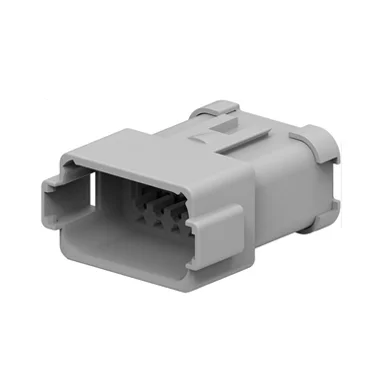
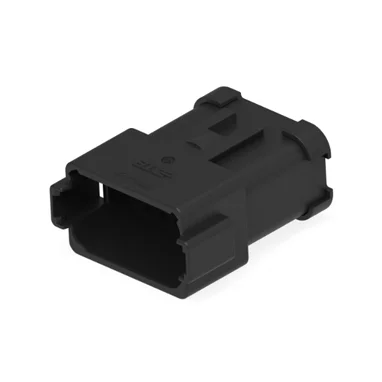
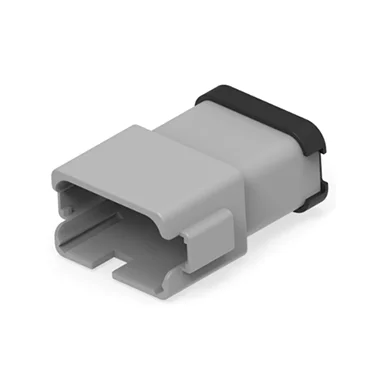
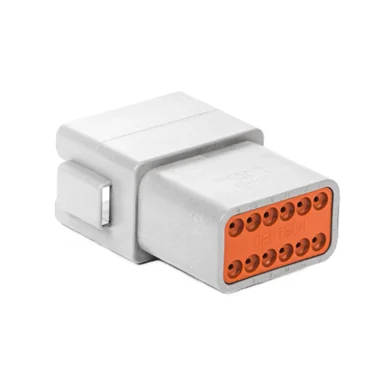
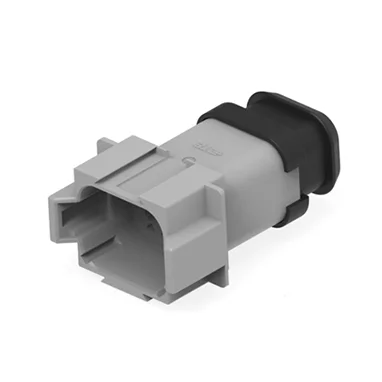
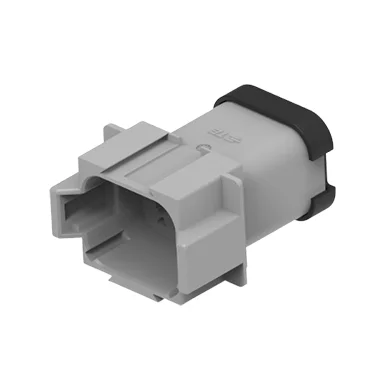
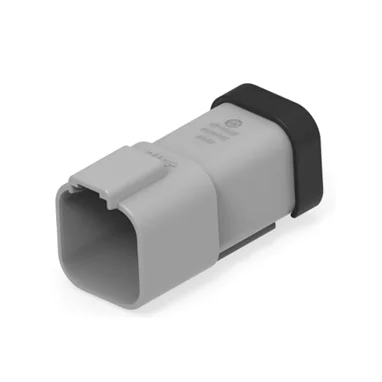
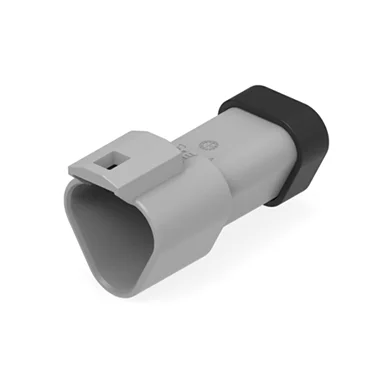
When it comes to enhancing your vehicle’s visibility during adverse weather conditions, fog lights are an essential upgrade. However, the effectiveness of these lights heavily relies on one often-overlooked component: the wiring harness. In this article, we will explore the critical role wiring harnesses play in fog light installation, providing you with a comprehensive understanding that can help ensure a successful setup.
Understanding the Wiring Harness
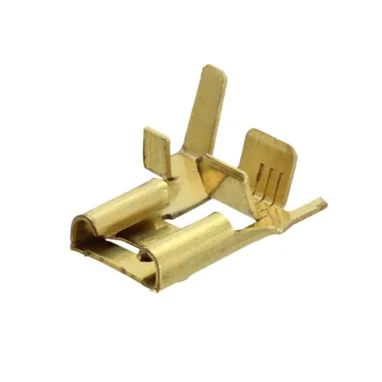
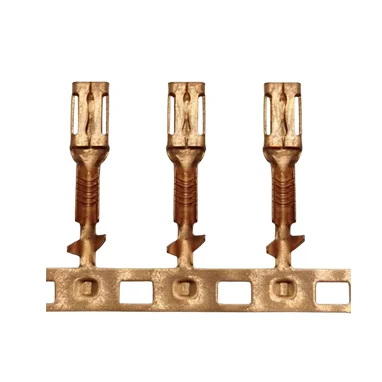
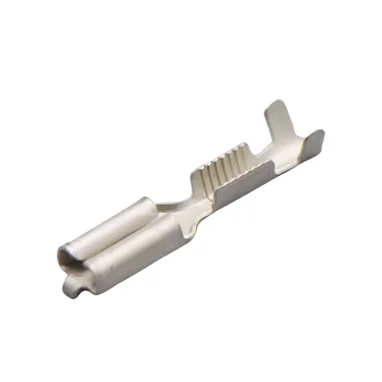
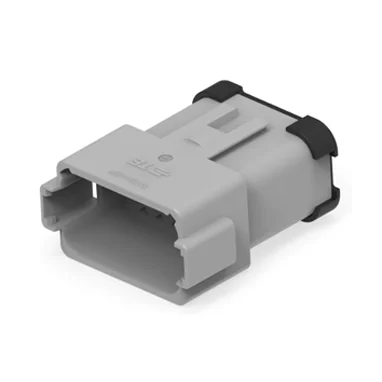
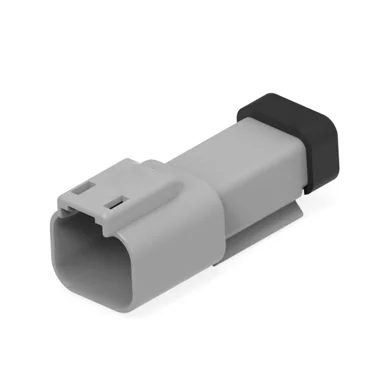
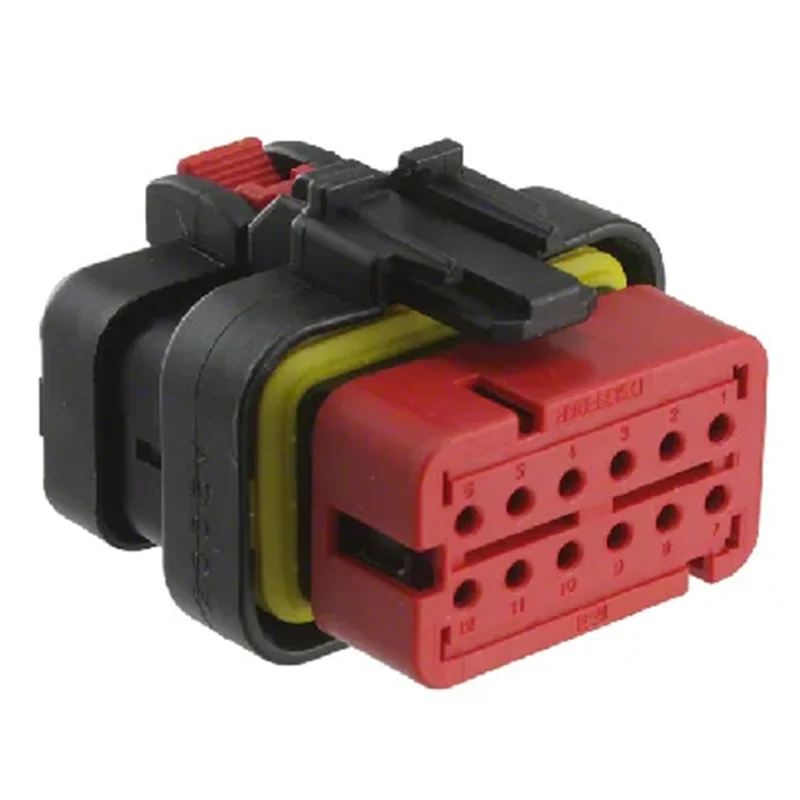
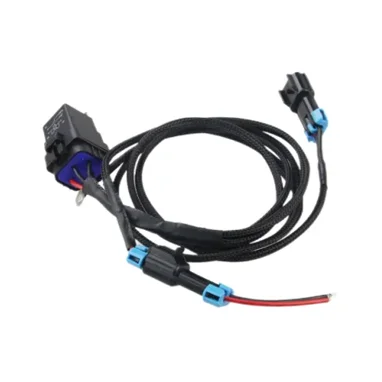
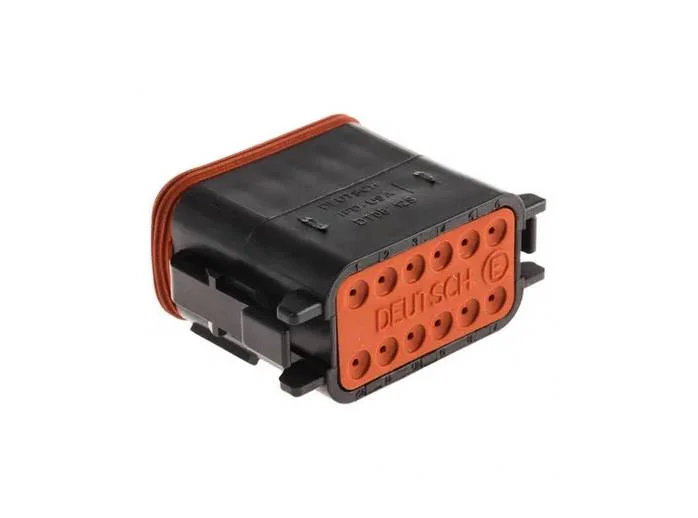
A wiring harness is a collection of wires, connectors, and terminals that transmit electrical power and signals throughout your vehicle. When installing fog lights, the wiring harness serves as the backbone of the electrical system, connecting the lights to the vehicle’s power source, switch, and any necessary relays or fuses.
Key Functions of a Wiring Harness:
- Power Distribution:The harness distributes power from the battery to the fog lights. A properly designed harness ensures that the lights receive sufficient voltage, maximizing their brightness and functionality.
- Signal Transmission:It allows signals to flow from the switch inside the vehicle to the fog lights, enabling you to turn them on and off easily.
- Protection and Organization:A well-constructed wiring harness protects wires from wear, abrasion, and environmental factors. It keeps the installation neat, reducing the risk of shorts or electrical failures.
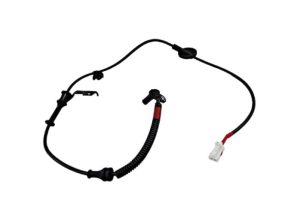
Choosing the Right Wiring Harness
Selecting the appropriate wiring harness is crucial for a successful fog light installation. Here are several factors to consider:
- Compatibility:Ensure the harness is compatible with your vehicle make and model. Many manufacturers offer vehicle-specific harnesses designed to connect directly to existing wiring, which simplifies the installation process.
- Quality of Materials:Look for harnesses made from high-quality materials that can withstand heat, moisture, and vibrations. This is particularly important for fog lights, which are often exposed to harsh conditions.
- Included Components:A complete harness kit typically includes all necessary connectors, fuses, and relay systems. This ensures you have everything needed for a smooth installation.
- Ease of Installation:Some harnesses are designed for easy DIY installation, featuring color-coded wires and clear instructions. If you’re not experienced with automotive wiring, this can save you time and frustration.
The Installation Process: Step-by-Step Guide
Installing fog lights using a wiring harness is a straightforward process. Follow these steps to ensure a successful setup:
Tools and Materials Needed:
- Fog light kit (including lights and harness)
- Screwdrivers (Phillips and flathead)
- Socket wrench set
- Wire strippers and crimpers
- Electrical tape
- Zip ties
- Owner’s manual for your vehicle
Installation Steps:
- Prepare Your Vehicle:
Park on a flat surface and engage the parking brake.Disconnect the battery to avoid electrical shorts.
- Mount the Fog Lights:
Identify the mounting locations in your vehicle’s bumper.Use the provided brackets and screws to securely mount the fog lights.
- Install the Wiring Harness:
Route the wiring harness from the fog lights into the engine bay. Be cautious to avoid hot or moving parts.Use zip ties to secure the wires and prevent damage.
- Connect the Fog Lights:
Connect the fog lights to the harness using the provided connectors. Ensure the connections are secure.
- Install the Switch:
Choose a suitable location inside the vehicle for the switch. Common areas include the dashboard or near the steering wheel.Route the switch wiring through the firewall, connecting it to the harness.
- Connect to the Battery:
Attach the harness’s power wire to the positive battery terminal and the ground wire to the negative terminal. Secure the connections with electrical tape.
- Test the Fog Lights:
Reconnect the battery and test the fog lights using the switch. Ensure they illuminate properly and adjust their aim if necessary.
- Final Checks:
Inspect all connections and the alignment of the fog lights. Make any necessary adjustments to optimize performance.
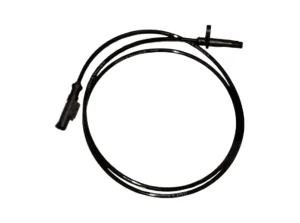
Maintenance Tips for Fog Light Wiring
To keep your fog lights functioning optimally, regular maintenance is essential. Here are some tips:
- Inspect the Wiring:Periodically check for frayed wires, corrosion, or loose connections. Address any issues promptly to avoid electrical failures.
- Clean the Lenses:Ensure the fog light lenses are clean and clear. Dirt and moisture can diminish their effectiveness.
- Test Regularly:Periodically test the fog lights and the wiring harness to ensure everything is functioning correctly. Replace any burnt-out bulbs as needed.
- Protect Against Moisture:If your vehicle is often exposed to wet conditions, consider using waterproof connectors to protect the wiring harness from moisture intrusion.
Conclusion
Integrating fog lights into your vehicle can greatly enhance your safety and visibility in challenging weather conditions, but the success of this upgrade largely hinges on the quality and installation of the wiring harness. By understanding the importance of wiring harnesses, selecting the right components, and following a clear installation process, you can ensure your fog lights function optimally. Regular maintenance will further enhance their longevity and effectiveness, allowing you to drive with confidence no matter the conditions.
For those looking to enhance their vehicle’s lighting system, investing in high-quality fog lights and wiring harnesses from trusted suppliers is a step towards safer driving experiences.
If you’re facing persistent wiring harness issues, Jingu Auto Parts offers durable and high-quality solutions to keep your vehicle running smoothly. Contact us today for customized wiring harness options designed to meet your needs!