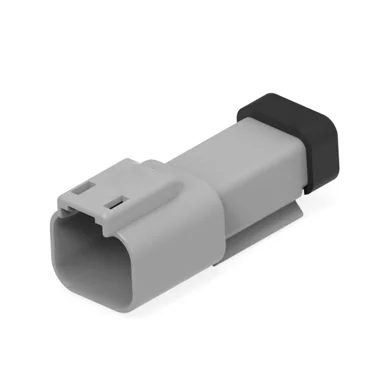
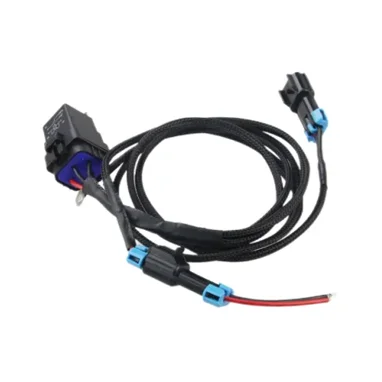
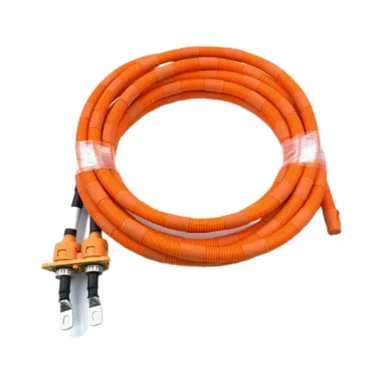
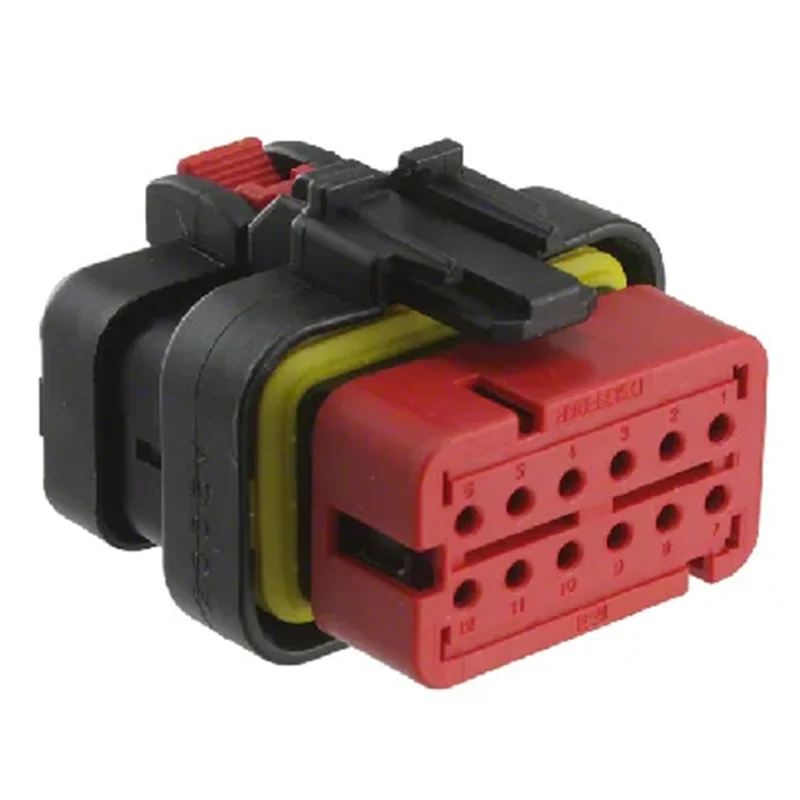
Automotive tab terminals play a crucial role in ensuring reliable electrical connections in vehicles. Proper crimping of these terminals guarantees durable, vibration-resistant, and corrosion-free joints that maintain electrical continuity under harsh automotive conditions. At Jingu Auto Parts Co., Ltd. (GVEI), a leader in automotive parts manufacturing, we understand the importance of precision in crimping tab terminals for vehicle wiring harnesses and electrical systems.
This detailed guide will walk you through the essential steps and best practices to crimp automotive tab terminals correctly. Whether you’re a professional technician, assembly line worker, or DIY enthusiast, mastering the crimping process helps improve connection quality, reduce failures, and extend the lifespan of automotive wiring.
What Is an Automotive Tab Terminal?
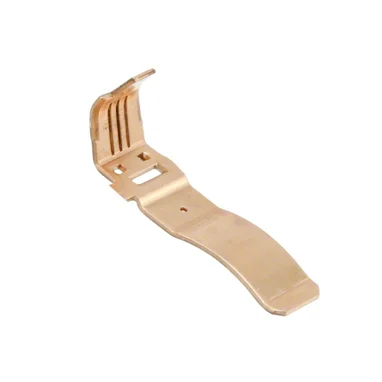
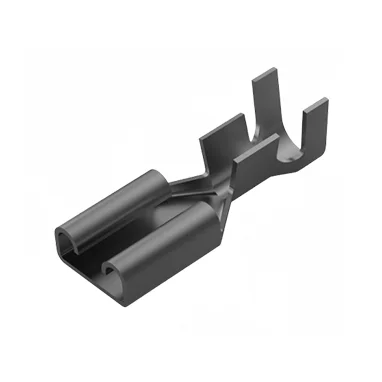
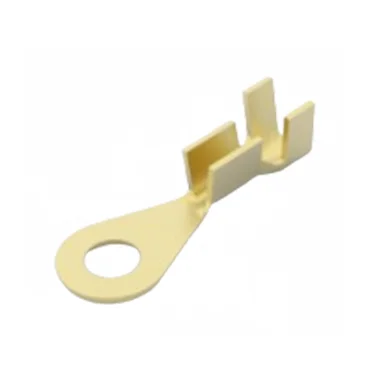
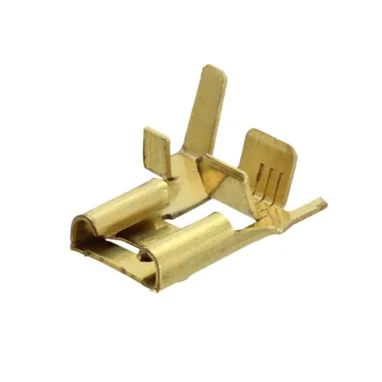
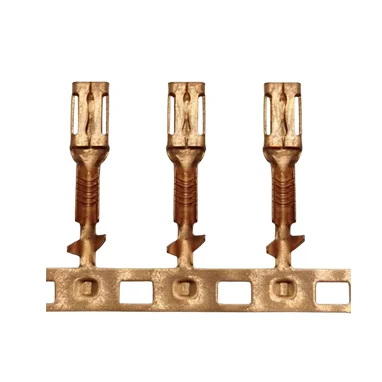
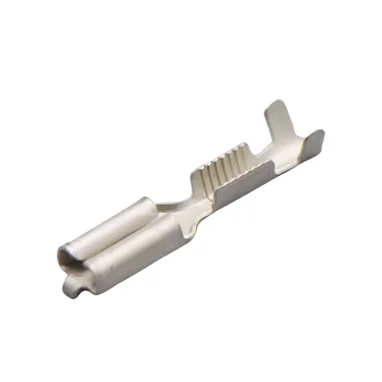
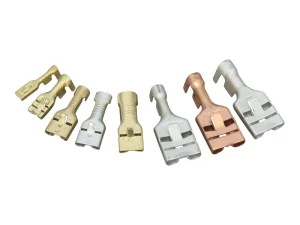
Before diving into crimping techniques, it’s essential to understand what automotive tab terminals are. These terminals are flat, usually metal connectors designed to join electrical wires securely to components like switches, relays, sensors, and power distribution points. The “tab” refers to the flat blade or male connector that inserts into a corresponding female connector.
Key Features of Automotive Tab Terminals:
- Made from high-conductivity metals (usually tin-plated copper or brass)
- Designed to handle automotive voltage and current ratings
- Often used in wiring harnesses for quick connect/disconnect capability
- Compatible with crimping tools for mechanical and electrical bonding
Why Is Proper Crimping Important?
Crimping is the process of mechanically deforming the terminal around the wire conductor to create a strong electrical and mechanical connection. Improper crimping can lead to:
- Poor electrical conductivity causing voltage drops
- Loose connections resulting in intermittent faults
- Increased resistance that generates heat and potential failures
- Corrosion due to exposed wire strands or gaps
Therefore, mastering the right crimping method is essential to ensure safety, reliability, and compliance with automotive industry standards.
Tools and Materials Needed
To achieve the best results when crimping automotive tab terminals, gather the following tools and materials:
- Automotive tab terminals(compatible size and type for your wire gauge)
- Wire stripper(to remove insulation cleanly without damaging strands)
- Crimping tool(specifically designed for tab terminals, preferably ratcheting type for consistent pressure)
- Wire cutter(for trimming wires neatly)
- Multimeter(optional, for testing continuity after crimping)
Step-by-Step Guide to Crimp Automotive Tab Terminals
Step 1: Select the Correct Terminal and Wire Size
Matching the terminal size with the wire gauge is the first and most important step. Using a terminal designed for a different wire size can cause poor crimps or damage.
- Check the wire gauge (e.g., 16 AWG, 18 AWG).
- Select the tab terminal rated for that wire size.
- Ensure the terminal type (male tab or female receptacle) suits your application.
Step 2: Strip the Wire Insulation Properly
Using a wire stripper:
- Strip approximately 5-7 mm (about ¼ inch) of insulation from the wire end.
- Avoid nicking or cutting the wire strands as this weakens the conductor.
- The exposed wire length should match the terminal barrel length.
Step 3: Insert the Wire into the Terminal Barrel
- Insert the stripped wire fully into the terminal barrel.
- Make sure no wire strands are left outside or sticking out.
- The insulation should rest just at the edge of the barrel for good strain relief.
Step 4: Position the Terminal in the Crimping Tool
- Open your crimping tool and position the terminal barrel into the appropriate crimping die.
- Ensure the terminal is aligned properly — the crimp area must be centered in the die.
- Use the die designed for tab terminals, not generic crimpers.
Step 5: Perform the Crimp
- Squeeze the crimping tool handles firmly and evenly.
- For ratcheting tools, apply pressure until the tool automatically releases.
- Do not over-crimp or under-crimp, as either can damage the terminal or cause loose connections.
Step 6: Inspect the Crimped Terminal
- Visually inspect the crimp for uniform compression without damage.
- Confirm the wire is securely held by gently pulling on it.
- Use a multimeter to test for electrical continuity if necessary.
Step 7: Connect the Terminal
- Insert the tab terminal into its mating connector or female receptacle.
- Ensure a snug fit with no excessive play or looseness.
Tips for Successful Automotive Tab Terminal Crimping
- Use high-quality terminalslike those from Jingu Auto Parts Co., Ltd. (GVEI) to ensure material reliability.
- Always use a dedicated crimping tooldesigned for automotive tab terminals.
- Avoid reusing terminals after crimping as the metal fatigues.
- Maintain your crimping tools regularly to ensure consistent pressure.
- Follow the vehicle manufacturer’s specifications or industry standards for wire and terminal choices.
Common Mistakes to Avoid
- Using incorrect terminal size for the wire gauge.
- Stripping too much or too little insulation.
- Using the wrong crimping die or tool.
- Applying uneven or insufficient crimp force.
- Ignoring wire strand damage during stripping.
Why Choose GVEI for Automotive Tab Terminals?
At Jingu Auto Parts Co., Ltd. (GVEI), we specialize in producing high-quality automotive terminals that meet global industry standards. Our terminals offer excellent conductivity, corrosion resistance, and precise dimensions to ensure seamless crimping and reliable electrical connections.
- Extensive product range:Various sizes and plating options.
- Stringent quality control:Tested for durability and performance.
- Technical support:Guidance on proper usage and application.
- Competitive pricing:Optimized for OEMs and aftermarket needs.
Conclusion
Crimping automotive tab terminals properly is fundamental to vehicle electrical system integrity. By following the step-by-step process outlined above and using quality terminals from trusted suppliers like Jingu Auto Parts Co., Ltd. (GVEI), you can ensure secure, long-lasting electrical connections.
Investing in the right tools, selecting the correct terminals, and practicing careful crimping will reduce electrical faults and maintenance costs in your automotive projects. For superior automotive tab terminals and expert advice, trust Jingu Auto Parts Co., Ltd. (GVEI) — your partner in automotive electrical solutions.