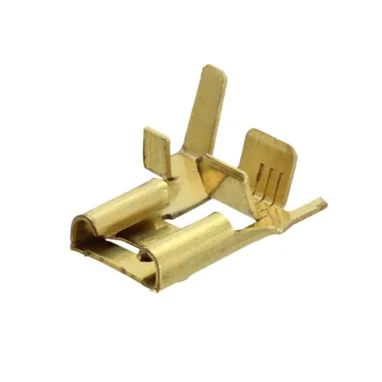
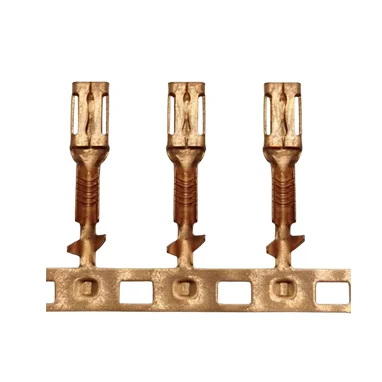
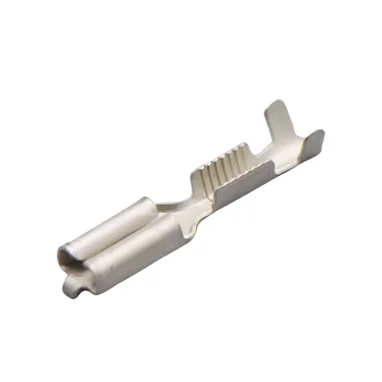
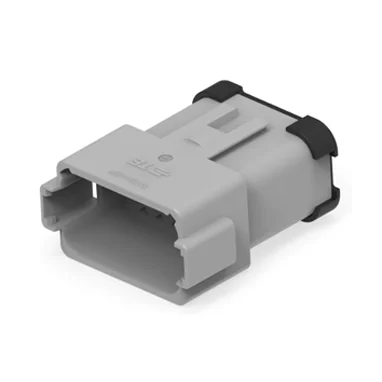
When it comes to ensuring safe, reliable, and long-lasting electrical connections in vehicles, selecting the proper crimp terminal is a crucial step. Automotive wiring systems operate under challenging conditions such as vibration, temperature fluctuations, and moisture exposure. Choosing the right crimp terminal not only improves electrical conductivity but also enhances the overall performance and durability of the vehicle’s electrical system.
As a trusted supplier, Jingu Auto Parts Co., Ltd. (GVEI) specializes in high-quality automotive crimp terminals that meet international standards and customized requirements. This guide will walk you through the essential considerations for selecting the proper crimp terminal for your application.
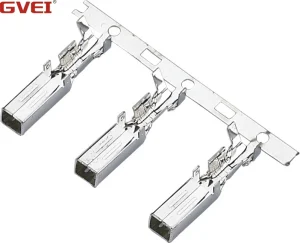
1. Understand the Application Requirements
The first step in selecting a crimp terminal is to understand where and how it will be used. Automotive applications vary widely—from power distribution systems to sensor connections—so the electrical and mechanical demands can differ. Key factors include:
- Voltage and Current Ratings: Ensure the terminal can handle the specific electrical load.
- Environmental Conditions: Consider resistance to heat, cold, humidity, salt spray, and vibration.
- Connection Purpose: Power circuits may need heavy-duty ring or spade terminals, while signal circuits often use tab or pin terminals.
At GVEI, we provide terminals designed for diverse automotive environments, ensuring reliable performance across different vehicle systems.
2. Match the Wire Size and Type
Proper crimping relies on a perfect match between the wire and the terminal. Using the wrong size can lead to poor conductivity, overheating, or even failure.
- Wire Gauge (AWG): Select a terminal that matches the conductor size exactly.
- Stranded vs. Solid Wire: Automotive wiring typically uses stranded copper wires for flexibility. Choose terminals optimized for this type.
- Insulation Compatibility: Some terminals are designed for thin-wall insulation, while others fit thicker jackets.
GVEI’s crimp terminals are manufactured in precise sizes to fit a wide range of automotive wires, ensuring consistent and secure crimps.
3. Choose the Right Terminal Material
The material of a crimp terminal affects both conductivity and durability. Common options include:
- Copper or Tin-Plated Copper: Excellent conductivity and corrosion resistance, widely used in automotive applications.
- Brass: Good mechanical strength with decent conductivity.
- Nickel-Plated Terminals: Extra protection against high heat and corrosion.
At GVEI, we utilize high-grade copper alloys and advanced plating processes to provide terminals with optimal conductivity and corrosion resistance.
4. Select the Proper Terminal Type
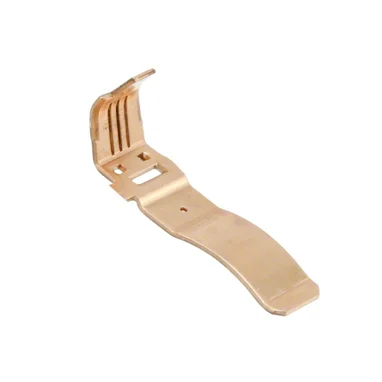
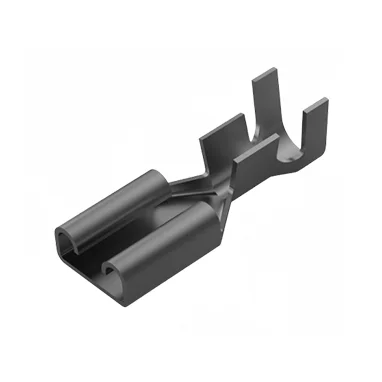
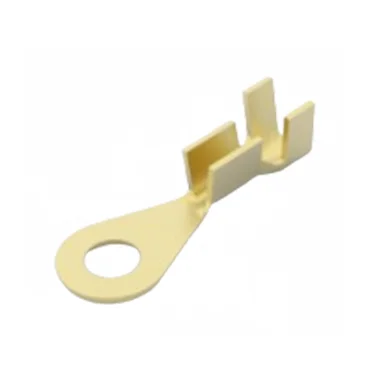
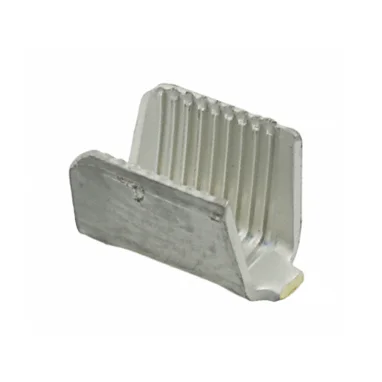
Automotive crimp terminals come in various shapes and designs, each suited for specific applications:
- Ring Terminals– Ideal for power connections where a secure bolted joint is needed.
- Spade Terminals– Easy to install and remove, commonly used for serviceable connections.
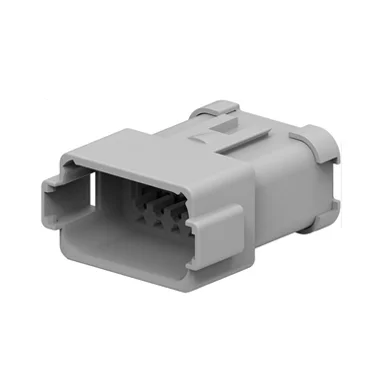
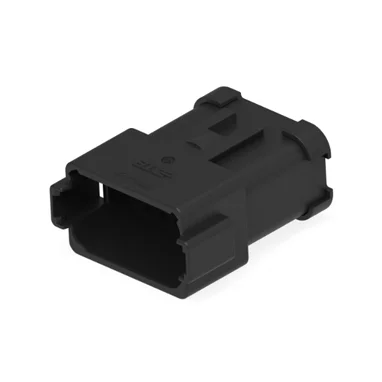
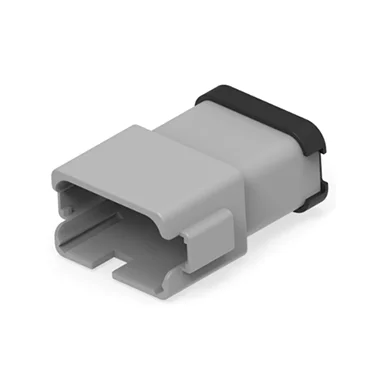
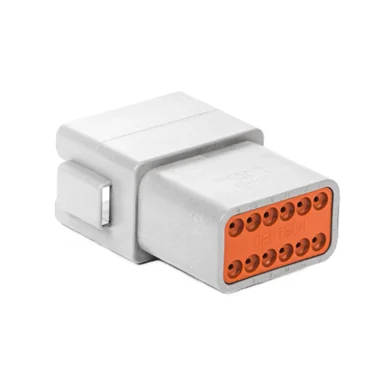
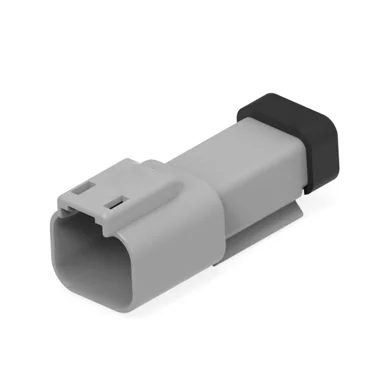
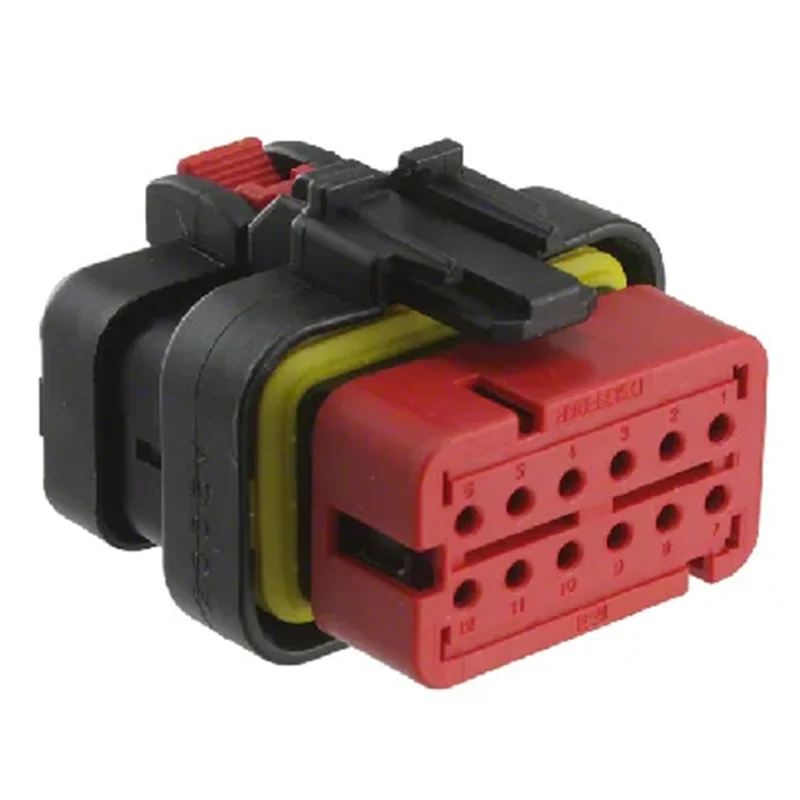
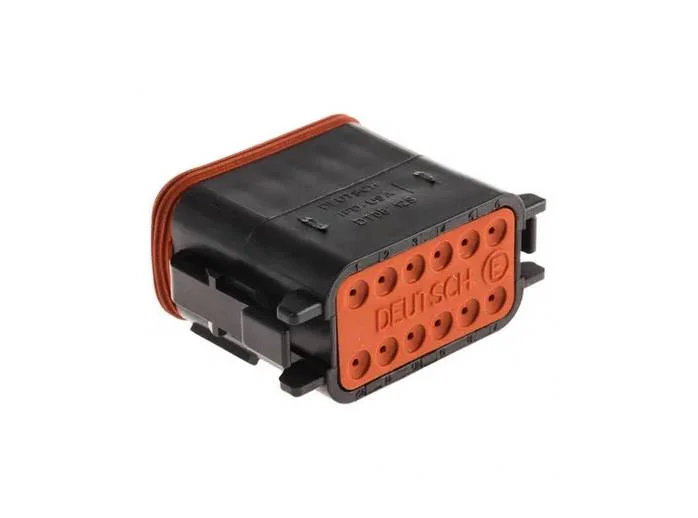
- Tab and Receptacle Terminals– Often used in automotive connectors for quick assembly and disassembly.
- Butt Connectors– Used for splicing or extending wires.
GVEI offers a wide selection of terminal types, ensuring customers can find the right solution for every wiring need.
5. Consider Insulation and Protection
In harsh automotive environments, terminals often require extra protection. Insulated terminals with vinyl, nylon, or heat-shrink sleeves provide additional mechanical strength and guard against moisture or abrasion. For high-vibration areas, double-crimp designs are recommended to secure both conductor and insulation firmly.
GVEI’s insulated and non-insulated options are engineered to meet different protection levels, helping customers achieve safe and long-lasting connections.
6. Verify Compliance with Standards
For the automotive industry, compliance with quality and safety standards is essential. Look for terminals that meet or exceed certifications such as:
- IATF 16949– Quality management system for automotive suppliers.
- ISO and DIN Standards– Ensuring compatibility and performance consistency.
- Customer-Specific Requirements– OEMs may specify unique standards for connectors and terminals.
GVEI’s production strictly follows IATF 16949 and ISO certifications, guaranteeing that every crimp terminal meets rigorous automotive requirements.
7. Rely on a Trusted Supplier
Finally, selecting the right crimp terminal goes hand in hand with choosing a reliable supplier. A trusted manufacturer provides not only high-quality products but also technical support, customization options, and timely delivery.
Jingu Auto Parts Co., Ltd. (GVEI) has years of experience in producing precision-engineered crimp terminals. With advanced manufacturing equipment, strict quality control, and the ability to provide custom solutions, GVEI has become a dependable partner for automotive OEMs and aftermarket clients worldwide.
Conclusion
Selecting the proper crimp terminal involves evaluating factors such as wire size, material, terminal type, insulation, and compliance with automotive standards. By considering these elements, manufacturers and engineers can ensure safe, efficient, and long-lasting electrical connections.
At GVEI, we are committed to providing automotive crimp terminals that meet the highest standards of quality, reliability, and performance. Whether you need standard terminals or customized solutions, GVEI is your trusted partner in driving innovation and reliability in automotive electrical systems.
Contact GVEI today to learn more about our automotive crimp terminal solutions and request a quote.
📧 Email: alltrade@gvei.com
🌐 Website: www.gvei.com
☎️ Phone: +86 15058771812