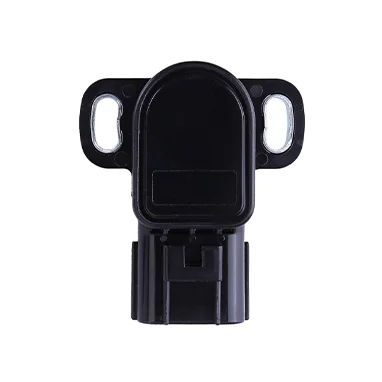
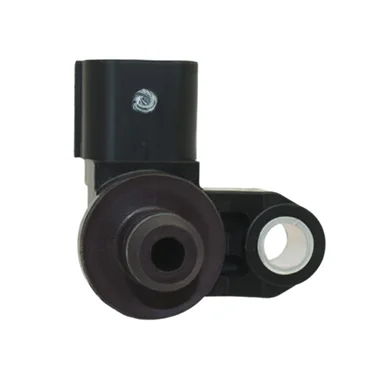
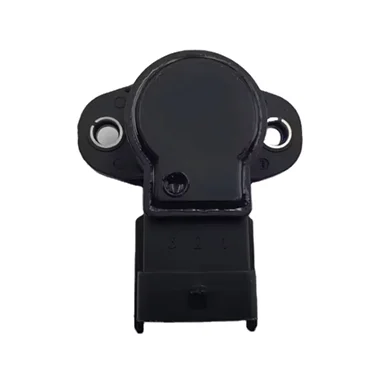
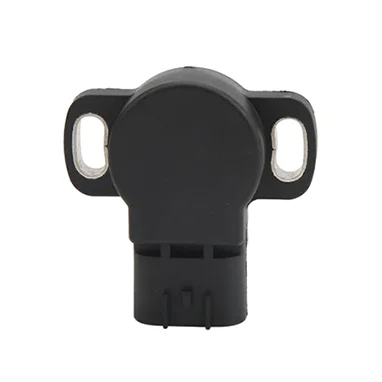
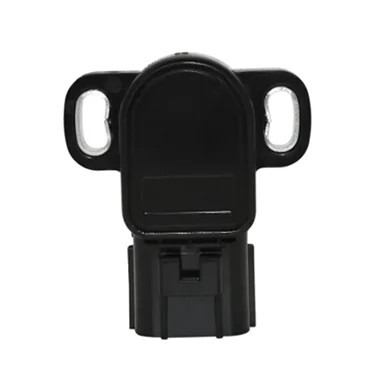
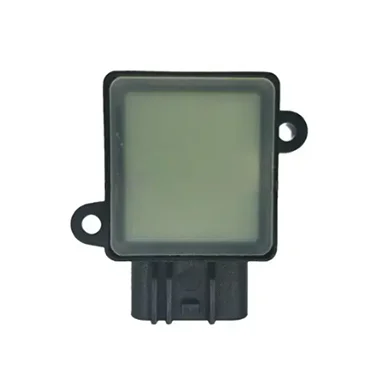
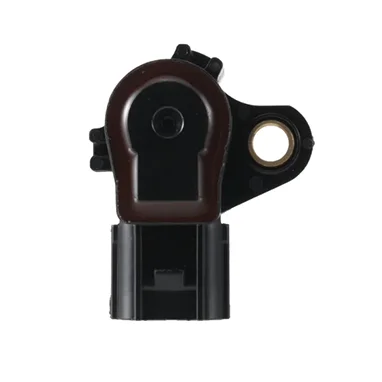
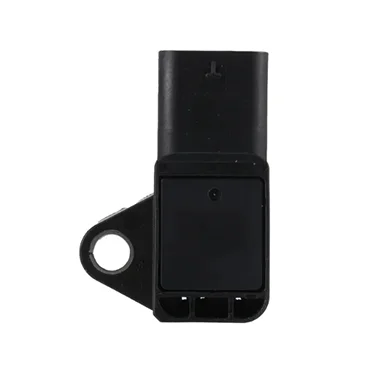
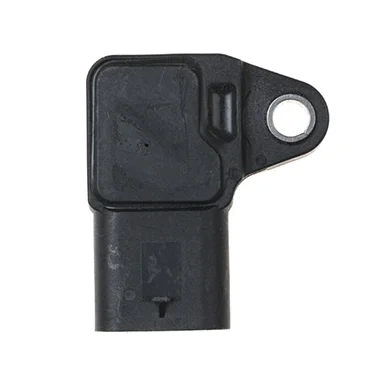
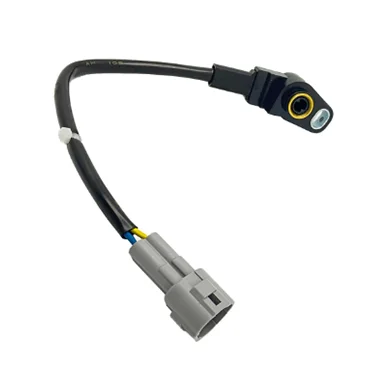
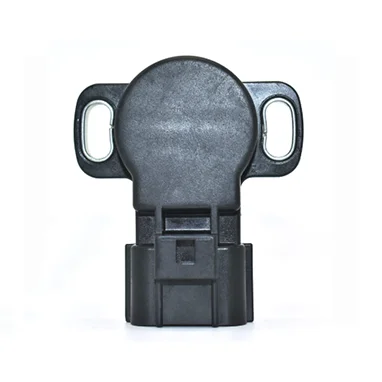
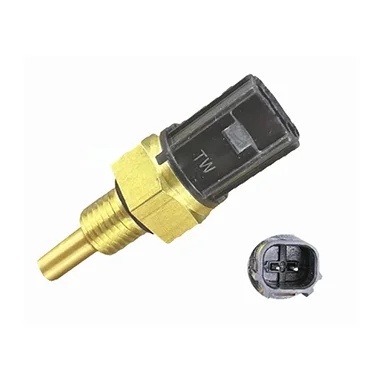
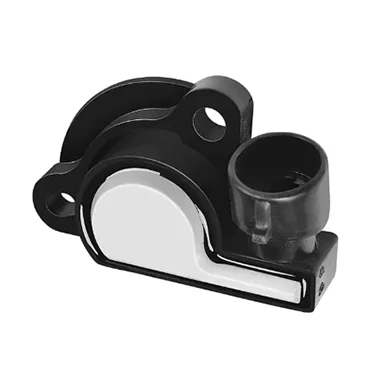
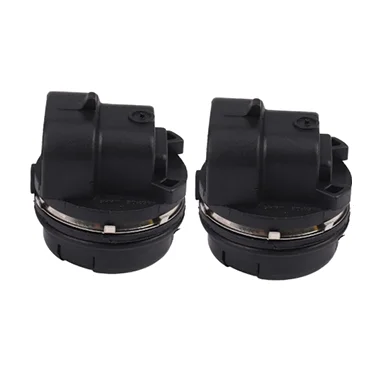
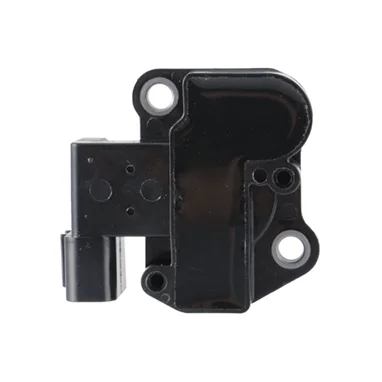
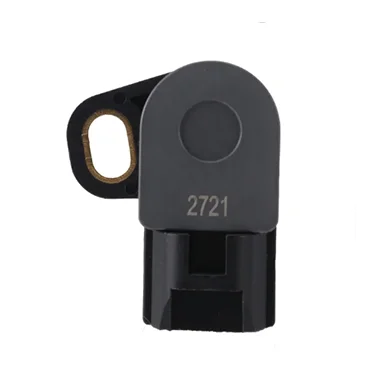
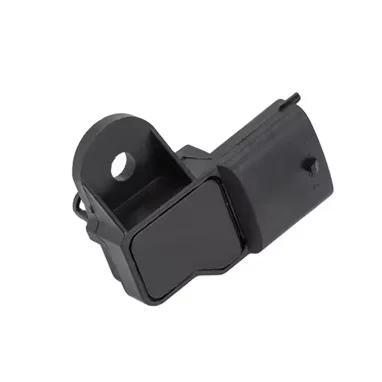
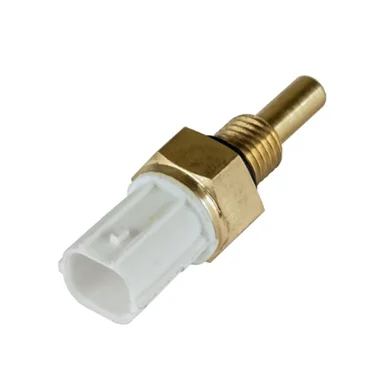
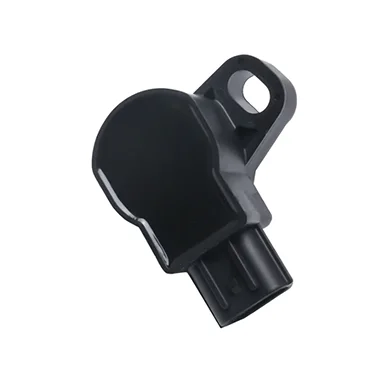
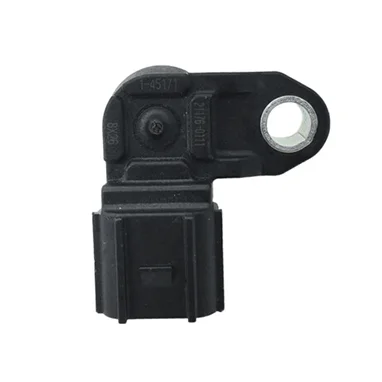
Sensor

Product Advantages

High Precision

Deliver precise wheel speed readings, essential for anti-lock braking systems, preventing lock-up and ensuring optimal vehicle control.

Reliability

With Durable Materials That Withstand Extreme Conditions To Ensure Consistent Abs Performance And Minimize System Failure Risk.

Quick Response Time

A Rapid Response Time, Instantly Detecting Changes In Wheel Speed And Relaying Information To The Control Unit For Immediate Braking Pressure Adjustment.

Compatibility

Seamlessly Integrate Into The Braking Systems Of Various Vehicle Models, From Small Cars To Commercial Vehicles, Offering Versatility For Manufacturers And Suppliers.

Cost - Effective

Excellent Value, Being Cost-Effective And Durable, Which Minimizes Replacement Frequency And Enhances Vehicle Safety.

Enhanced Vehicle Safety

Enhance Vehicle Safety By Ensuring Proper Abs Function, Reducing Braking Distance On Slippery Surfaces, And Decreasing The Likelihood Of Accidents.

Related Industry Applications

FAQ

How do I use a troubleshooter to read the fault codes for the ABS sensor?

To read the fault codes from the ABS sensor using a diagnostic tool, you can typically follow these steps:

1. **Prepare the Diagnostic Tool**: Ensure you have a compatible OBD-II diagnostic scanner, as many modern vehicles support the OBD-II standard.

2. **Connect the Diagnostic Tool**:

– Plug the scanner into the vehicle’s OBD-II port, usually located under the dashboard on the driver’s side or near the door.

– Turn the ignition switch to the “on” position without starting the engine.

3. **Power on the Diagnostic Tool**:

– Turn on the scanner and select the “Read Fault Codes” or similar option.

– Navigate to the ABS system option. Some scanners have a dedicated menu for “ABS” or “Brake System.”

4. **Read the Fault Codes**:

– Follow the prompts to select the option to read the fault codes. The tool will scan the ABS system and return any relevant fault codes.

– Record all displayed fault codes.

5. **Interpret the Fault Codes**:

– Consult the manual or database corresponding to the fault codes to understand their meanings and possible solutions.

6. **Clear the Fault Codes (Optional)**:

– After completing the diagnosis, you may choose to clear the fault codes to see if the issues reoccur.

7. **Test Drive**:

– If you cleared the fault codes, take the vehicle for a short test drive to confirm whether the issue has been resolved.

### Important Notes:

– Ensure the vehicle is in a safe condition during this process.

– If you are unfamiliar with using a diagnostic tool, it is advisable to seek assistance from a professional technician for inspection and repair.

By following these steps, you can obtain the fault codes from the ABS sensor and further diagnose and resolve the issue.

Why is the ABS sensor resistance out of normal range?

Several factors may cause the resistance of ABS sensors to exceed normal range:

1. **Damage or Wear**: Prolonged use can lead to wear or damage of internal components, resulting in changes in resistance.

2. **Corrosion**: Connections or wiring of the sensor may corrode over time, affecting the transmission of electrical signals and altering resistance.

3. **Wiring Issues**: Damage, breakage, or short circuits in the wiring harness connected to the ABS sensor can also impact resistance values.

4. **Environmental Factors**: Extreme temperatures, humidity, or other environmental conditions can affect sensor performance, causing resistance variations.

5. **Manufacturing Defects**: Design or production flaws during manufacturing may lead to instability in the sensor’s performance.

If abnormal resistance in the ABS sensor is detected, it is recommended to conduct an inspection and replacement promptly to ensure the proper functioning of the braking system.

What are the symptoms of a faulty ABS sensor?

Failures of ABS sensors may lead to the following symptoms:

1. **ABS Warning Light Illuminated**: The ABS warning light on the dashboard will light up, indicating a problem with the ABS system.

2. **Decreased Braking Performance**: During emergency braking or skidding, the braking system may respond abnormally, resulting in increased stopping distance.

3. **Vehicle Instability**: On slippery or adverse road conditions, the vehicle may experience skidding or loss of traction.

4. **ABS System Failure**: If the ABS sensor fails, the ABS function may not operate correctly, and the braking system may revert to a standard non-ABS mode.

5. **Abnormal Brake Pedal Feel**: Pressing the brake pedal may result in shaking or unusual noises, especially during emergency braking.

6. **Inaccurate Vehicle Speed Display**: Since the ABS sensor monitors wheel speed, a failure may cause the speedometer to display incorrect readings.

If you notice any of these symptoms, it is recommended to promptly check the ABS system and sensors to ensure vehicle safety.

What materials can improve the environmental resistance of ABS Sensor?

1. **Polytetrafluoroethylene (PTFE)**

– **Water and Chemical Resistance**: PTFE is highly hydrophobic, meaning it repels water effectively. This property makes it an excellent choice for protecting the ABS sensor from moisture, which can otherwise cause corrosion or short – circuits. It is also resistant to a wide range of chemicals, including oils and solvents that may be present in the vehicle’s environment.

– **Temperature Stability**: PTFE can withstand a wide temperature range, from extremely low to high temperatures (- 200°C to + 260°C). This makes it suitable for ensuring the ABS sensor’s performance in different climate conditions, whether in cold winter or hot summer.

2. **Silicone Rubber**

– **Sealing and Vibration Damping**: Silicone rubber is often used for sealing purposes. It can form a tight seal around the ABS sensor, preventing the ingress of dust, moisture, and other contaminants. Additionally, it has good vibration – damping properties. Since vehicles are subject to vibrations, silicone rubber can help absorb these vibrations, protecting the internal components of the sensor from mechanical damage caused by excessive vibration.

– **Temperature and UV Resistance**: It can tolerate a relatively wide temperature range (- 50°C to + 200°C) and is resistant to ultraviolet (UV) radiation. This is important for ABS sensors that may be exposed to sunlight, especially in outdoor or uncovered vehicle parts.

3. **Stainless Steel**

– **Corrosion Resistance**: Stainless steel is used in the construction of ABS sensor components, especially in parts that are exposed to the external environment or come into contact with corrosive substances. It has a natural resistance to rust and corrosion, which helps to maintain the integrity of the sensor over time.

– **Mechanical Strength**: It provides high mechanical strength, which is beneficial for withstanding mechanical stresses such as impacts and vibrations. This ensures that the sensor remains in proper working condition even in harsh driving conditions.

4. **Ceramic Materials**

– **High – Temperature Resistance**: Ceramic materials can withstand extremely high temperatures, often much higher than other materials. For ABS sensors that may be exposed to high – temperature areas near the vehicle’s braking system or engine, ceramic components can maintain their physical and electrical properties, ensuring accurate sensor operation.

– **Chemical Inertness**: Ceramics are generally chemically inert, which means they are not easily reacted with other substances. This property helps protect the sensor from chemical corrosion and degradation in the presence of various vehicle fluids and environmental pollutants.

What factors affect the performance of the ABS Sensor?

1. **Environmental Conditions**

– **Temperature**: Extreme temperatures can have a significant impact on ABS sensor performance. In very cold conditions (e.g., below – 40°C), the sensor’s internal components may become less responsive or even brittle, affecting its ability to accurately detect wheel speed. At high temperatures (e.g., above 125°C), the sensor’s electronics may malfunction or its physical structure could be damaged, leading to inaccurate readings.

– **Moisture**: Exposure to water, rain, or high humidity can be detrimental. If the sensor is not properly sealed or has a low – level protection class (e.g., IP54 compared to IP67), water can seep into the sensor, causing short – circuits or corrosion of its electrical components. This can disrupt the normal operation of the sensor and lead to incorrect wheel speed signals.

– **Dust and Debris**: In off – road or dusty environments, dust and debris can accumulate on the sensor. This can interfere with the sensor’s sensing mechanism, especially if it is a magnetic – based sensor. The presence of foreign particles may disrupt the magnetic field or block the optical path (in the case of some advanced sensors), resulting in inaccurate readings.

2. **Mechanical Factors**

– **Vibration**: Vehicles are constantly subjected to vibrations during operation. Excessive vibration can cause loosening of the sensor’s mounting or damage to its internal components. If the sensor is not firmly mounted, it may move slightly, leading to inconsistent readings of the wheel speed. Additionally, continuous vibrations can also cause fatigue in the sensor’s wiring, potentially resulting in wire breakage and signal loss.

– **Impact and Shock**: In the event of a vehicle hitting a pothole or experiencing a minor collision, the ABS sensor may be subjected to impact or shock. This can physically damage the sensor, such as cracking the sensor housing or misaligning its internal sensing elements. As a result, the sensor may no longer be able to accurately measure wheel speed.

3. **Electrical Factors**

– **Power Supply Stability**: Fluctuations in the power supply voltage can affect the performance of the ABS sensor. If the operating voltage is outside the specified range (e.g., less than 5 volts or more than 16 volts for some sensors), the sensor may not function properly. Inconsistent power supply can lead to erratic output signals, causing the ABS system to misinterpret the wheel speed data.

– **Electromagnetic Interference (EMI)**: In a vehicle, there are numerous electrical components that can generate electromagnetic fields. If the ABS sensor is not properly shielded, it can be affected by EMI from other components such as the engine’s ignition system or radio equipment. EMI can introduce noise into the sensor’s output signal, making it difficult for the ABS control unit to accurately interpret the wheel speed information.

How to choose the right ABS Sensor for different application scenarios?

1. **Vehicle Type**

– **Passenger Cars**:

– For small and medium – sized passenger cars, a compact and lightweight ABS sensor is usually preferred. These sensors should have high precision for accurate braking control on normal road conditions. They often need to be cost – effective as well, since the market for passenger car parts is price – sensitive. For example, a sensor with a digital output signal and a relatively narrow sensing range (sufficient for typical passenger car speeds) would be suitable.

– **Commercial Vehicles (Trucks, Buses)**:

– Commercial vehicles are heavier and require more powerful braking systems. The ABS sensors for them should be more durable to withstand the higher stresses and longer operating hours. They need a wider sensing range to handle the higher wheel speeds during highway driving. Also, sensors with better protection against environmental factors like dust and water ingress are necessary, such as those with a high IP protection class (e.g., IP67 or IP68).

– **Off – Road Vehicles**:

– Off – road vehicles operate in harsh and uneven terrains. ABS sensors for these vehicles should have excellent shock resistance. They may also require a higher magnetic field strength for accurate sensing in the presence of dirt, mud, and other debris. Additionally, they need to function well in a wide temperature range as off – road environments can experience extreme heat or cold.

2. **Road Conditions**

– **Dry and Smooth Roads**:

– In such conditions, a standard – precision ABS sensor may be sufficient. However, if the vehicle is a high – performance sports car, a sensor with very high precision and a quick response time is desirable to ensure optimal braking performance during high – speed maneuvers.

– **Wet and Slippery Roads**:

– Sensors with a high resolution are important on wet and slippery roads. This allows for more precise detection of wheel speed changes, enabling the ABS system to adjust the braking pressure more accurately. Also, sensors that can operate reliably in the presence of water (e.g., those with proper waterproofing) are crucial.

– **Icy Roads**:

– On icy roads, the ABS sensor needs to be extremely sensitive. A sensor with a low – temperature operating range and high – precision measurement capabilities is required. This is because the difference in wheel speed during braking on ice can be very small, and the sensor must be able to detect these subtle changes to prevent the wheels from locking up.

3. **System Integration Requirements**

– **OEM (Original Equipment Manufacturer) Applications**:

– When integrating into a vehicle’s original braking system during manufacturing, the ABS sensor must be fully compatible with the vehicle’s existing electronics and software. It should meet the specific electrical and communication protocol requirements of the vehicle’s ABS control unit. For example, if the vehicle’s ABS system uses a particular type of digital communication standard, the sensor must be able to interface with it.

– **Aftermarket Applications**:

– In aftermarket installations, compatibility is also important. However, there may be more flexibility in choosing a sensor that can be retrofitted into different vehicle models. Sensors that come with adjustable mounting brackets and universal connectors may be more suitable for aftermarket applications. Additionally, aftermarket sensors should be easy to install and calibrate without requiring specialized tools or extensive technical knowledge.
TYPE TO SEARCH