Home » Product » Automotive Series » Branded Connector » Deutsch Connector » DEUTSCH Contacts » Page 2
Ensure Minimal Resistance During The Transfer Of Electrical Signals Or Power
Withstand Mechanical Stresses Such As Vibration, Shock, And Repeated Mating - Unmating Cycles Without Significant Wear Or Degradation
Shape, Size, And Contact Geometry Are Optimized To Ensure A Secure And Stable Connection
Highly Compatible With A Diverse Range Of Connectors And Mating Components. Integrated Into Different Types Of Electrical Interfaces
Maintain Their Electrical And Mechanical Properties In Both High - Temperature Environments
Provide A Balance Between Quality And Cost, Delivering Reliable Performance At A Competitive Price

To ensure the electrical performance of DEUTSCH Contacts in the automotive industry, several key practices are implemented:
1. **Material Selection**: High-quality materials are used to withstand corrosion and ensure conductivity.
2. **Sealing Techniques**: Effective sealing methods protect against moisture and contaminants.
3. **Rigorous Testing**: Connectors undergo extensive testing for temperature, vibration, and electrical integrity.
4. **Proper Installation**: Following installation guidelines ensures secure connections and minimizes failure risks.
In the automotive industry, the specific performance requirements for DEUTSCH Contacts are as follows:
1. **Electrical performance**:
– **High current-carrying capacity**: Automotive electrical systems have diverse power requirements. DEUTSCH Contacts must be able to carry sufficient current to meet the power needs of various components, such as engine control systems, lighting systems, and power window systems. For example, in high-power applications like powering the starter motor, the connectors need to handle large currents without overheating or causing electrical failures.
– **Low contact resistance**: Low contact resistance is crucial to ensure efficient power transmission and signal transfer. It reduces energy losses during electrical conduction and helps maintain the stability and accuracy of electrical signals. This is particularly important for electronic control systems in vehicles, such as engine management systems and anti-lock braking systems, where precise signal transmission is essential for the proper functioning of the vehicle.
– **Good electromagnetic compatibility (EMC)**: The automotive environment is filled with various electromagnetic signals from different electronic devices and systems. DEUTSCH Contacts need to have good EMC performance to resist external electromagnetic interference and prevent the generation of electromagnetic radiation that may affect the normal operation of other components in the vehicle.
2. **Mechanical performance**:
– **Robust mechanical structure**: The connectors should have a strong and durable mechanical structure to withstand the vibrations, shocks, and mechanical stresses experienced in a vehicle. This includes having high-quality materials and a reliable connection design to ensure that the contacts remain firmly connected even in harsh driving conditions, such as on bumpy roads or during rapid acceleration and deceleration.
– **High insertion and extraction force**: The connectors need to have appropriate insertion and extraction forces. The insertion force should be moderate to ensure easy installation without causing damage to the contacts or the mating parts, while the extraction force should be high enough to prevent accidental disconnection during vehicle operation.
– **Tight sealing performance**: In order to protect the electrical connection from moisture, dust, and other contaminants, DEUTSCH Contacts must have excellent sealing performance. This is especially important for components located in the engine compartment, undercarriage, or other areas exposed to harsh environmental conditions.
3. **Temperature resistance**:
– **Wide operating temperature range**: Vehicles operate in a wide range of temperatures, from extremely cold in winter to very hot in summer. DEUTSCH Contacts must be able to function reliably within a wide temperature range, typically from -40°C to +125°C or even wider, to ensure the normal operation of the vehicle’s electrical system in all seasons and under different driving conditions.
4. **Chemical resistance**: The connectors may be exposed to various chemicals in the automotive environment, such as oils, fuels, and cleaning agents. They need to have good chemical resistance to prevent corrosion and degradation caused by these chemicals, ensuring the long-term stability of the electrical connection.
Here are some specific examples of DEUTSCH Contacts applications in the automotive industry:
1. **Engine control systems**: DEUTSCH Contacts are used to connect various sensors, actuators, and control units within the engine control module. For example, they ensure the reliable transmission of signals between the engine’s temperature sensor, oxygen sensor, and the engine control unit (ECU), allowing the ECU to accurately monitor and control the engine’s operation.
2. **Transmission systems**: In automatic transmissions, DEUTSCH Contacts are employed to connect the transmission control module to different components such as solenoids, speed sensors, and gear position sensors. This enables the transmission to shift gears smoothly and respond to the driver’s commands effectively.
3. **Lighting systems**: Both the exterior and interior lighting of a vehicle can utilize DEUTSCH Contacts. For exterior lights like headlights, taillights, and turn signals, these connectors provide a stable electrical connection to ensure the lights function properly even in the presence of vibrations and varying environmental conditions. Interior lights such as dome lights, dashboard lights, and reading lights also rely on DEUTSCH Contacts for their electrical connections.
4. **Sensors and actuators**: Various sensors in a car, such as pressure sensors in the braking system, air flow sensors in the intake system, and position sensors in the suspension system, use DEUTSCH Contacts to transmit the sensed data to the relevant control units. Actuators like fuel injectors, windshield wiper motors, and power window motors also require reliable electrical connections provided by DEUTSCH Contacts to operate correctly.
5. **Starter and alternator systems**: The starter motor, which is responsible for starting the engine, and the alternator, which charges the vehicle’s battery while the engine is running, use DEUTSCH Contacts to connect to the vehicle’s electrical power supply and control circuits. These connectors ensure the efficient transfer of electrical power between the components, enabling the reliable operation of the starter and alternator.
6. **Electric vehicles (EVs) and hybrid vehicles**: In EVs and hybrid vehicles, DEUTSCH Contacts are crucial for connecting the battery pack to the motor controller, as well as for connecting various charging interfaces and onboard electrical systems. Their high reliability and resistance to environmental factors make them suitable for the demanding requirements of electric and hybrid vehicle applications.
7. **On-board diagnostics (OBD) systems**: The OBD system, which is used to monitor and diagnose the vehicle’s performance and detect faults, relies on DEUTSCH Contacts to connect the diagnostic port to the vehicle’s internal computer systems. This allows technicians to access and analyze the vehicle’s diagnostic information using specialized diagnostic tools.
DEUTSCH Contacts have a wide range of applications in various industries due to their excellent performance and reliability. The main applications include:
1. **Automotive industry**:
– **Under-the-hood connections**: DEUTSCH Contacts are widely used in the engine control modules, transmission systems, lighting systems, sensors, pumps, and starters of automobiles. They ensure the stable transmission of electrical signals and power in the harsh environment under the hood, which is characterized by high temperature, vibration, and oil and gas corrosion.
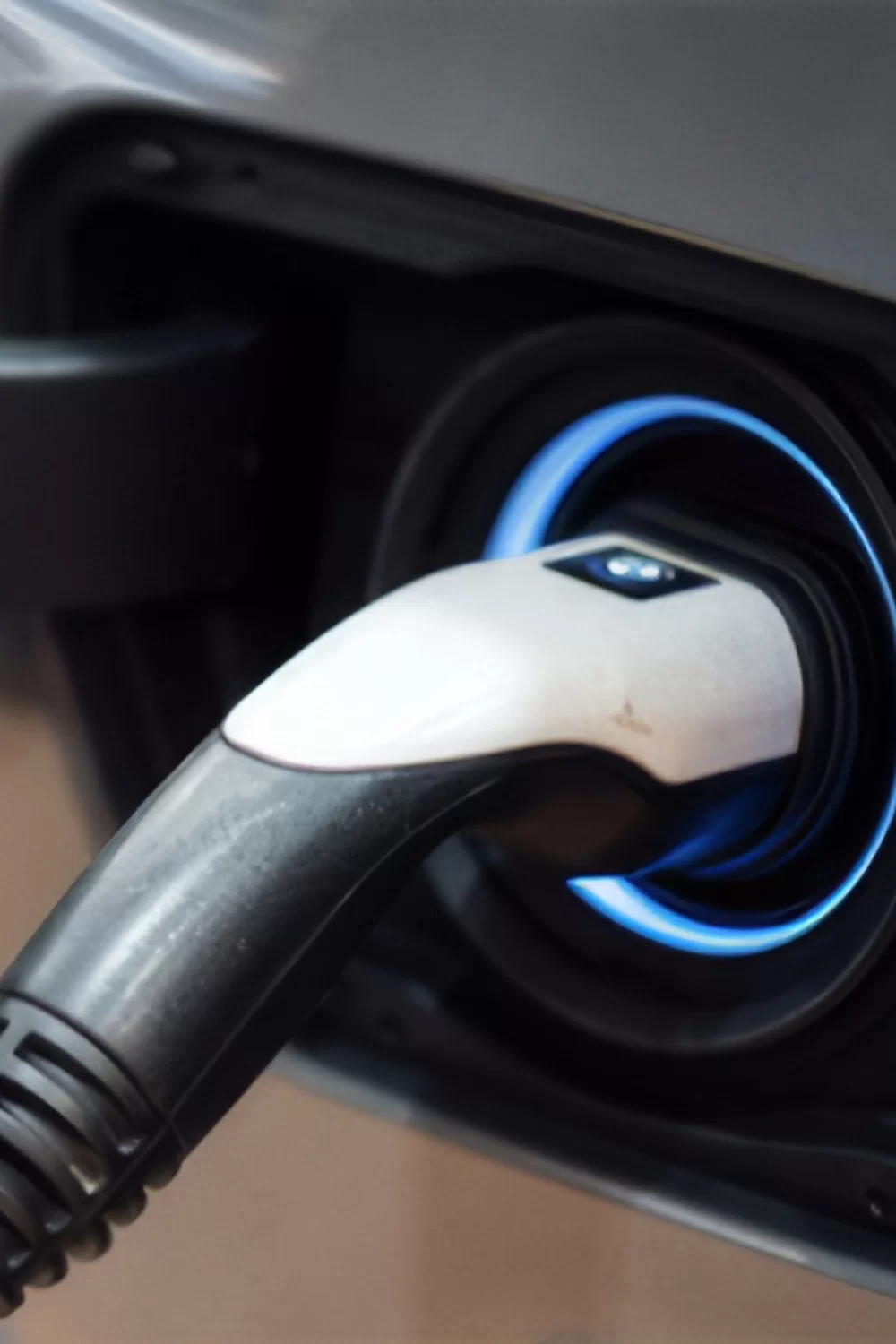
– **Electric vehicles**: In the rapidly developing field of electric vehicles, DEUTSCH Contacts are used for battery connections, charging systems, and power control units to provide reliable electrical connections.
– **Race cars and off-road vehicles**: These vehicles require connectors that can withstand extreme conditions, and DEUTSCH Contacts meet this requirement with their high durability and resistance to vibration and impact, making them common in race cars and off-road vehicles.
2. **Industrial machinery**:
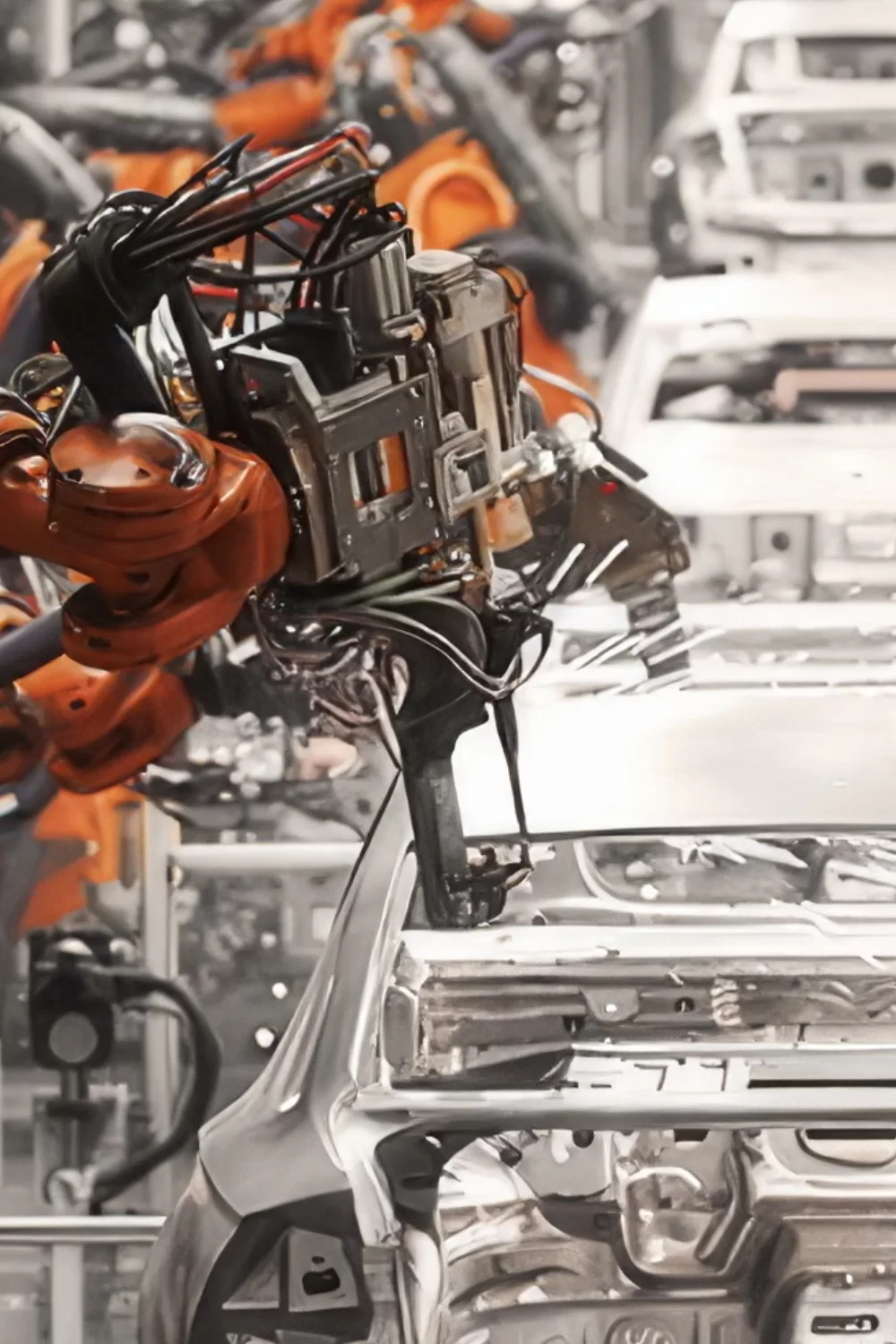
– **Automation equipment**: In industrial automation production lines, DEUTSCH Contacts are used in robots, conveyor systems, and control panels to connect various electrical components, ensuring the stable operation of the automation system.
– **Agricultural machinery**: Farm machinery often operates in dusty and wet environments. DEUTSCH Contacts’ resistance to dust, moisture, and corrosive substances makes them suitable for use in agricultural machinery such as tractors, harvesters, and irrigation equipment.
– **Construction equipment**: Construction machinery needs to operate stably in harsh construction sites. DEUTSCH Contacts are used in excavators, loaders, cranes, and other construction equipment to provide reliable electrical connections for their control systems and power systems.
3. **Marine and boat applications**:
– **Marine navigation systems**: DEUTSCH Contacts are used in marine navigation equipment such as radars, GPS systems, and communication devices to ensure the reliable transmission of electrical signals in the marine environment with high humidity and salt spray.
– **Shipboard lighting and power systems**: They are also used in the lighting systems and power distribution systems of ships and boats to provide stable power supply and reliable electrical connections.
– **Underwater equipment**: For underwater exploration and operation equipment, DEUTSCH Contacts with excellent waterproof and pressure-resistant performance are essential components to ensure the normal operation of the equipment underwater.
4. **Aerospace industry**:
– **Aircraft electrical systems**: In aircraft, DEUTSCH Contacts are used in the electrical systems of the fuselage, wings, and engines to connect various electrical components such as sensors, actuators, and control units. They need to meet the high reliability and safety requirements of the aerospace industry under extreme temperature, vibration, and pressure conditions.
– **Spacecraft and satellite systems**: In the harsh space environment, DEUTSCH Contacts are used in spacecraft and satellite systems for power supply, signal transmission, and data communication, ensuring the normal operation of these systems in space.
5. **Military applications**:
– **Military vehicles**: DEUTSCH Contacts are used in military tanks, armored vehicles, and other military vehicles to connect the electrical systems of the vehicles, including communication systems, weapon control systems, and power supply systems.
– **Military communication equipment**: In military communication systems such as radios and satellite communication devices, DEUTSCH Contacts ensure the reliable transmission of communication signals in complex battlefield environments.
– **Radar and electronic warfare systems**: DEUTSCH Contacts are also used in radar systems and electronic warfare systems to connect various electronic components and ensure the normal operation of these high-tech military equipment.
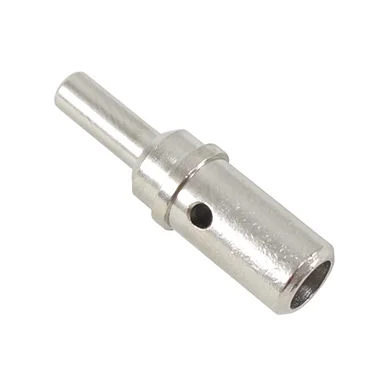
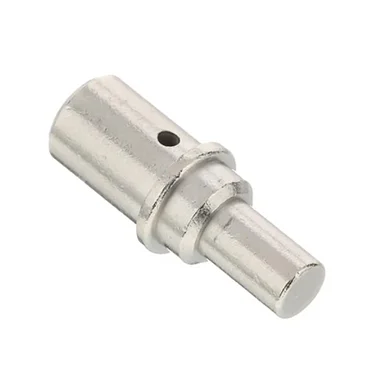
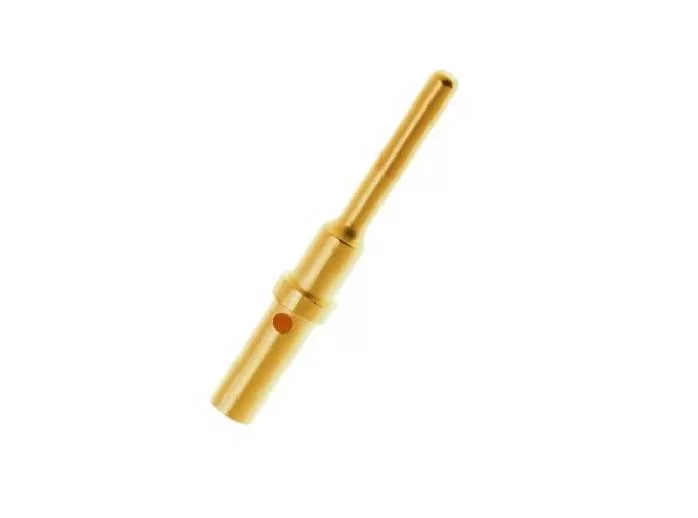
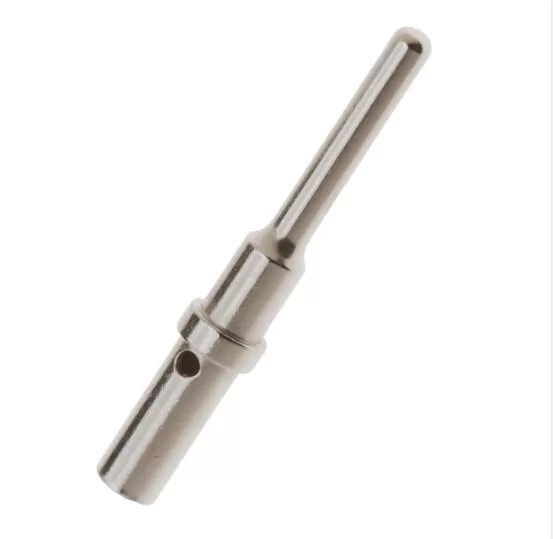
“DEUTSCH Contacts” refers to the electrical connectors and their contact components produced by the DEUTSCH company.
DEUTSCH is a well-known brand in the field of industrial connectors. Their contacts have several important characteristics and functions:
1. **Electrical connection function**: The contacts are designed to ensure reliable electrical connection. They have low resistance, which allows for the stable transmission of current, minimizing energy loss and heat generation. This is crucial in various applications that require the transfer of electrical power and signals, such as in industrial automation equipment, aerospace, and automotive industries.
2. **Mechanical stability**: The contact components are made of high-quality materials and are designed to withstand mechanical stress, such as insertion and extraction forces. They maintain a stable connection even in environments with vibration, shock, and temperature changes, ensuring the long-term reliability of the connector.
3. **Diverse types and specifications**: DEUTSCH offers a wide range of contact types and specifications to meet different application requirements. This includes different contact geometries (such as pin and socket contacts), various numbers of contact points, and different sizes and configurations, allowing for flexible design and integration into different electrical systems.
4. **Environmental adaptability**: These contacts are designed to perform well in different environmental conditions. They can withstand a wide range of temperatures, have good resistance to corrosion and moisture, and are suitable for use in harsh industrial environments, outdoor applications, and other challenging situations.