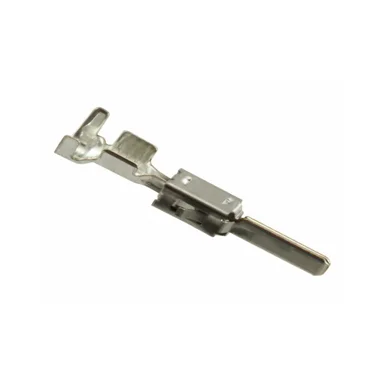
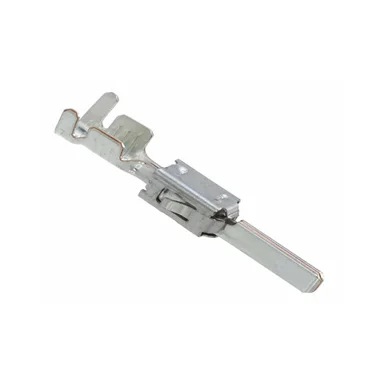
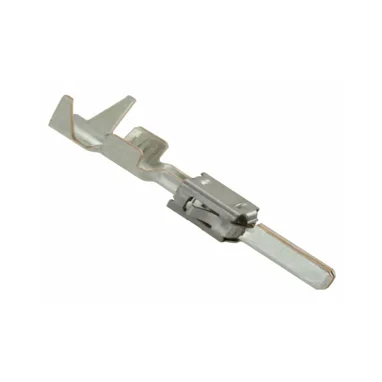
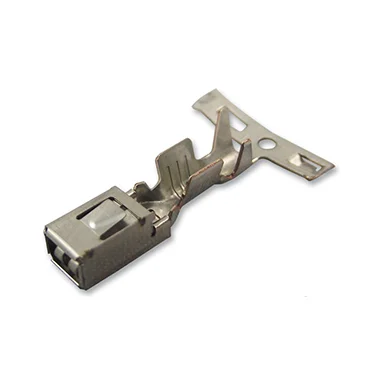
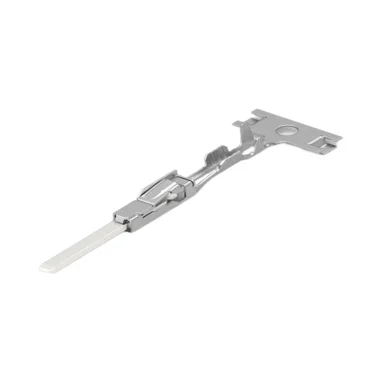
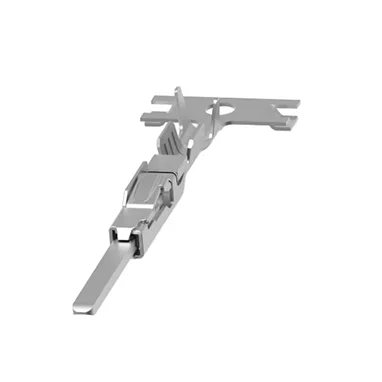
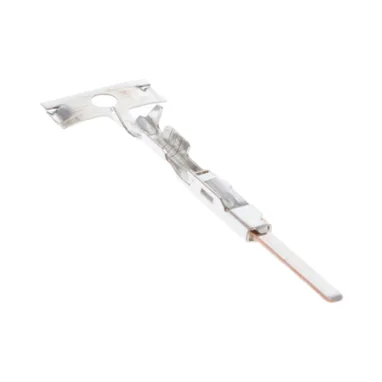
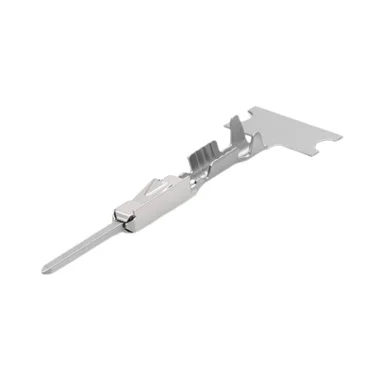
Home » Product » Automotive Series » Terminal Series » Page 4
Reliably Carry The Necessary Current Without Overheating Or Experiencing Power Loss.
Withstand The Harsh Conditions Within A Vehicle,Ensures A Long - Lasting Connection, Reducing The Need For Frequent Replacements
Provides A Tight And Secure Fit To The Mating Component, Whether It'S A Wire Or Another Terminal.
Helps To Maintain The Integrity Of The Electrical Connection Over Time, Enhancing The Reliability Of The Vehicle'S Electrical System.
Compact Design Allows For Efficient Use Of Space
Providing A Convenient And Reliable Solution For Vehicle Manufacturers And Aftermarket Suppliers Alike.
It is possible to customize terminals at Jingu Auto Parts Co., Ltd. Many auto parts companies, including Jingu, offer customization services to meet the specific needs of different customers. This is because different automotive applications and electrical systems may require terminals with specific shapes, sizes, materials, and electrical properties.
Jingu Auto Parts Co., Ltd. has the ability to provide customized terminals through processes such as mold design and manufacturing, metal stamping, and component assembly, which can ensure that the customized terminals meet the unique requirements of customers in terms of performance and specification. However, specific customization details and capabilities may need to be further communicated and confirmed with the company directly.
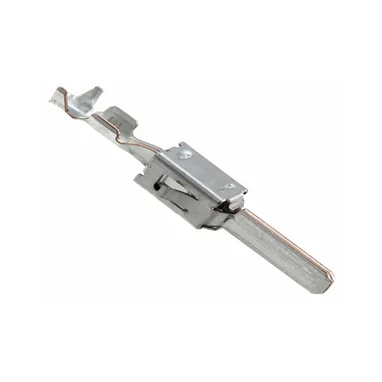
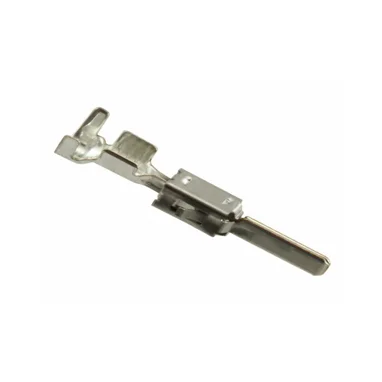
Jingu Auto Parts Co., Ltd. produces various types of terminals, including:
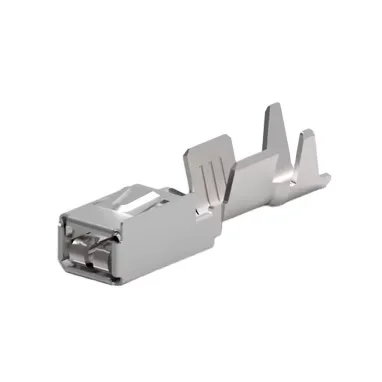
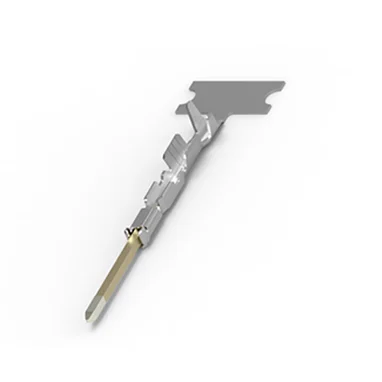
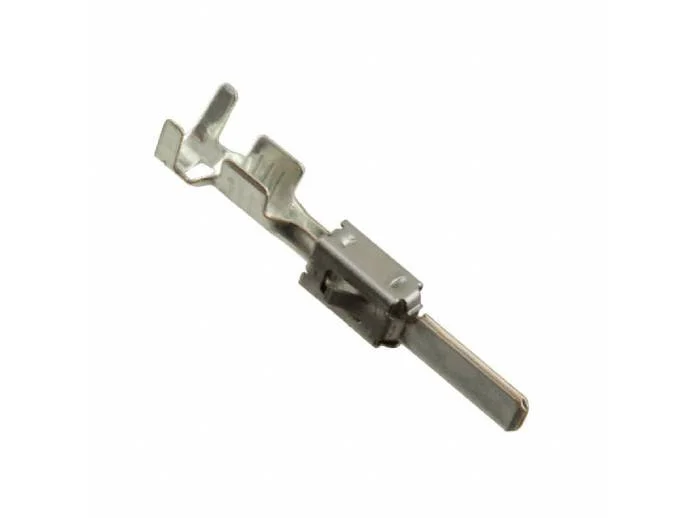
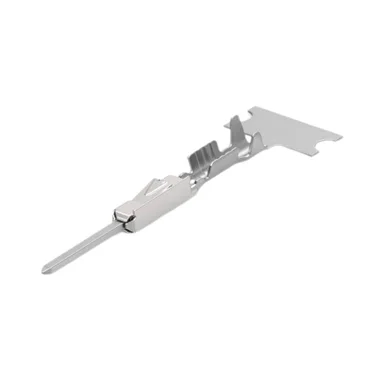
1. **Stamping Terminals**: These are produced through stamping processes, which are suitable for different applications due to their high precision and stable performance.
2. **Grounding Terminals**: Used for establishing a reliable grounding connection in automotive electrical systems and other related applications. They come in forms like brass material round grounding terminals and chain type grounding terminals.
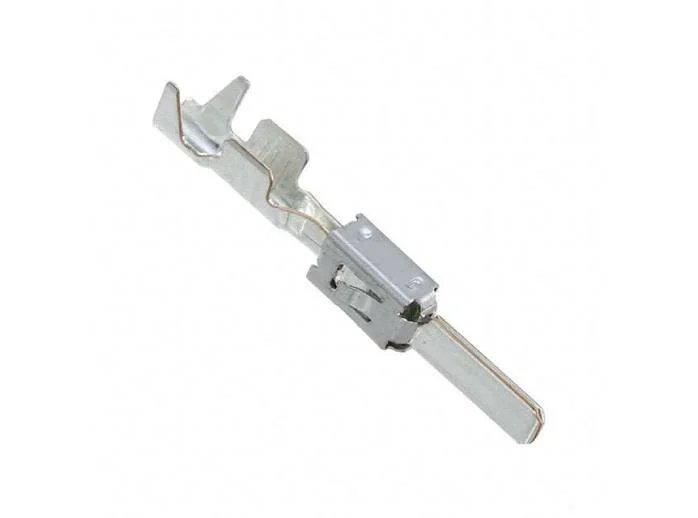
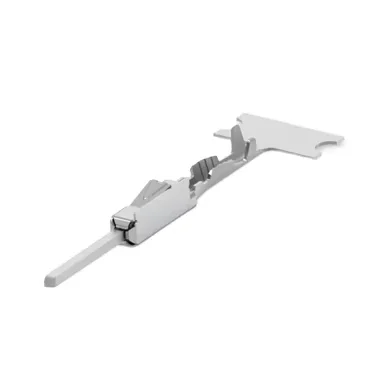
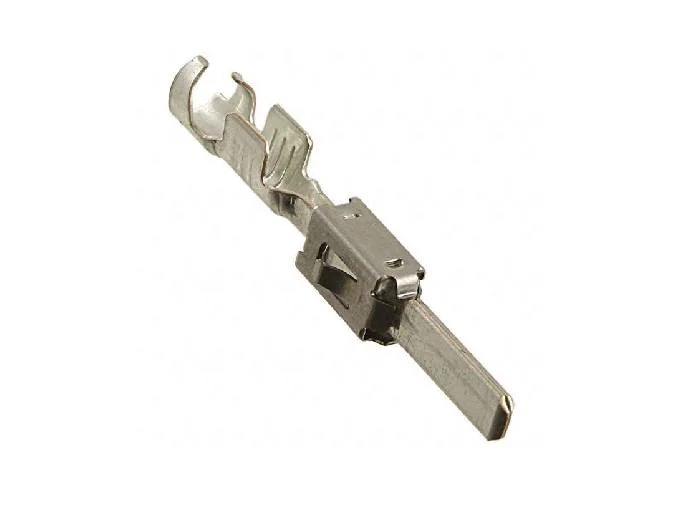
3. **Auto Terminals**: Specifically designed for automotive applications, ensuring the stable transmission of electrical signals and power within the vehicle. These may include different shapes and specifications to meet the diverse needs of various automotive components and systems.
4. **Reel Type Terminals**: Terminals wound on a reel, which is convenient for storage, transportation, and automated production processes, improving production efficiency.
In electrical engineering, terminals can be categorized in the following ways:
### 1. Based on Connection Method
– **Screw – type Terminals**
– **Description**: These terminals have a screw mechanism. A wire is inserted into a hole or clamped under a screw. When the screw is tightened, it secures the wire in place, making an electrical connection.
– **Advantages**: They are easy to use and can accommodate different wire gauges. They also allow for easy re – connection or adjustment if needed.
– **Disadvantages**: Over – tightening the screw can damage the wire or the terminal itself, and loose screws can lead to poor electrical connections.
– **Applications**: Commonly used in electrical boxes, junction boxes, and on the terminals of electrical devices such as motors, transformers, and relays.
– **Crimp – type Terminals**
– **Description**: Crimp – type terminals are used to permanently attach a wire to another component. The wire is inserted into the terminal, and a crimping tool is used to compress the terminal around the wire. This creates a mechanical and electrical connection.
– **Advantages**: They provide a very reliable and permanent connection, especially suitable for applications where vibration resistance is important.
– **Disadvantages**: Once crimped, they are difficult to re – use or modify. Incorrect crimping can lead to a faulty connection.
– **Applications**: Widely used in automotive wiring, aerospace applications, and in some industrial control systems where high – reliability connections are required.
– **Spring – loaded Terminals**
– **Description**: These terminals use a spring mechanism to hold the wire in place. The wire is inserted into a slot, and the spring exerts pressure on the wire to ensure good electrical contact.
– **Advantages**: They are convenient for quick connections and disconnections, which is useful for applications where frequent changes or tests are required.
– **Disadvantages**: They may not provide as strong a connection as screw or crimp – type terminals in high – vibration or high – current applications.
– **Applications**: Commonly used in some modular electrical systems, test equipment, and in consumer electronics where ease of use and quick assembly are important.
### 2. Based on Terminal Function
– **Power Terminals**
– **Description**: These terminals are designed to carry high – current electrical power. They are usually larger in size and made of materials with high electrical conductivity to minimize power loss due to resistance.
– **Applications**: Used in power supplies, electrical distribution boards, and for connecting high – power electrical devices such as electric heaters, large motors, etc.
– **Signal Terminals**
– **Description**: Signal terminals are used for transmitting low – power electrical signals, such as in communication circuits, sensor circuits, and control circuits. They are more concerned with accurately transmitting the signal without significant distortion.
– **Applications**: In telecommunications equipment, electronic sensors, and microcontroller – based systems for transmitting data, control signals, or sensor readings.
### 3. Based on Terminal Geometry
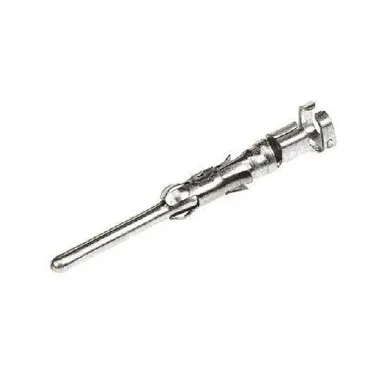
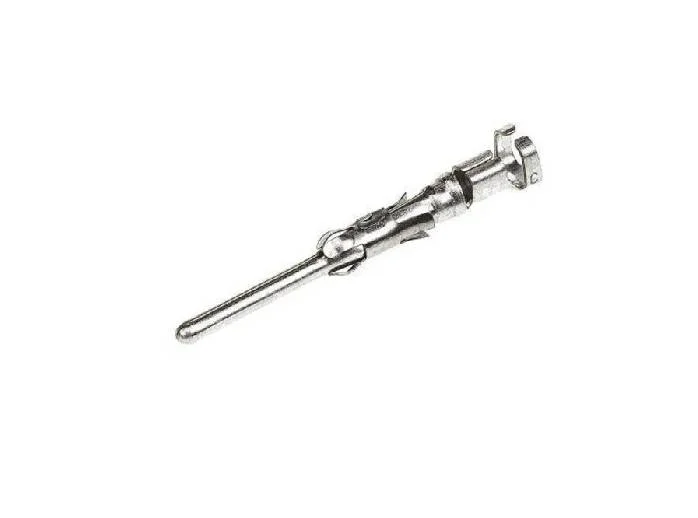
– **Pin Terminals**
– **Description**: Pin – shaped terminals are often used for making connections in printed circuit boards (PCBs), connectors, and some electrical components. They can be straight pins or have a bent shape for easier insertion and retention.
– **Applications**: In PCB – based electronics, such as computers, mobile phones, and other digital devices for connecting integrated circuits, resistors, capacitors, etc.
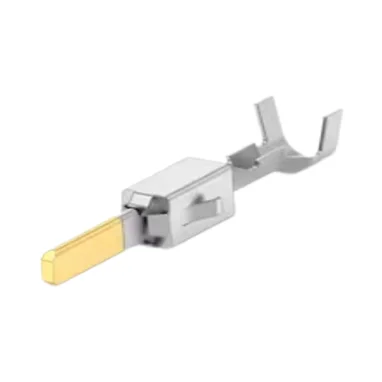
– **Blade Terminals**
– **Description**: Blade – shaped terminals are flat and narrow, similar to a small blade. They are often used in automotive fuses, relays, and some electrical connectors.
– **Applications**: In automotive electrical systems for connecting various electrical components like lights, horns, and ignition systems.
– **Ring Terminals**
– **Description**: Ring – shaped terminals have a circular opening through which a bolt or screw can pass. They are used to make connections to studs or screws.
– **Applications**: In electrical installations where connections are made to fixed studs, such as in battery terminals or for connecting wires to the chassis of an electrical device.
In engineering, a terminal has multiple meanings depending on the context. Here are some common definitions:
### 1. Electrical Engineering
– **Component for Connection**
– A terminal is a point of connection in an electrical circuit. It can be a physical device or a part of a component where wires are attached to establish an electrical connection. For example, in a battery, the positive and negative terminals are the points where the circuit is connected to draw power. In a connector, terminals are the parts that make contact with the mating connector’s terminals to complete the electrical path.
– Terminals can be made of various conductive materials such as copper, brass, or plated with materials like gold for better conductivity and corrosion resistance. They are designed to ensure a reliable electrical connection with low resistance.
– **Types of Electrical Terminals**
– **Screw Terminals**: These are common in electrical devices and junction boxes. A wire is inserted into a hole or clamped under a screw, and tightening the screw secures the wire in place and makes an electrical connection. Screw terminals are easy to use and can accommodate different wire gauges.
– **Crimp Terminals**: Crimp terminals are used when a wire needs to be permanently attached to another component. The wire is inserted into a terminal, and a crimping tool is used to compress the terminal around the wire, creating a mechanical and electrical connection. This type of terminal is often used in automotive wiring and in some industrial applications where a secure and vibration – resistant connection is required.
– **Spring – Loaded Terminals**: These terminals use a spring mechanism to hold the wire in place. The wire is inserted into a slot, and the spring exerts pressure on the wire to ensure good electrical contact. Spring – loaded terminals are convenient for quick connections and disconnections, such as in some modular electrical systems or test equipment.
### 2. Mechanical Engineering
– **End Point of a Structure or System**
– In mechanical engineering, a terminal can refer to the end point or extremity of a mechanical structure or system. For example, in a conveyor belt system, the terminals are the starting and ending points where the belt is attached or where the material is loaded and unloaded.
– In the context of a piping system, the terminals could be the points where the pipe connects to other equipment, such as a pump at one end and a storage tank at the other end. These terminals are important for ensuring proper fluid flow and for integrating the piping system with other components.
### 3. Computer Engineering
– **User Interface Endpoint**
– In computer engineering, a terminal can refer to a text – based interface where users can interact with a computer system. A terminal emulator is a program that allows a user to access a remote computer or a local system’s command – line interface. For example, in a Unix – like operating system, a terminal can be used to execute commands, manage files, and configure system settings.
– Additionally, in the context of computer hardware, a terminal can also refer to a physical port or connector on a computer or peripheral device that is used for communication or power transfer. For example, a USB terminal on a computer is a point where a USB device can be connected.
They can be anything from ring terminals, butt splices, wire caps, ferrules, fork terminals, pin terminals, or a host of other styles which are available in a variety of insulation styles.