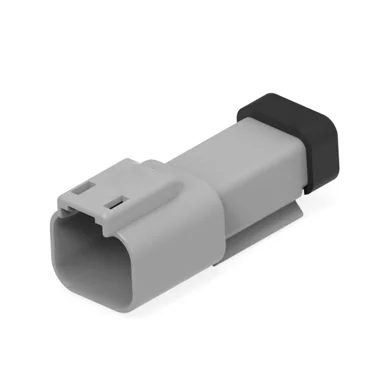
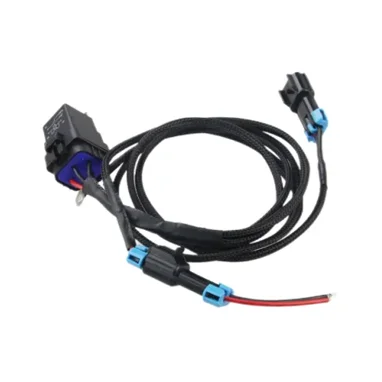
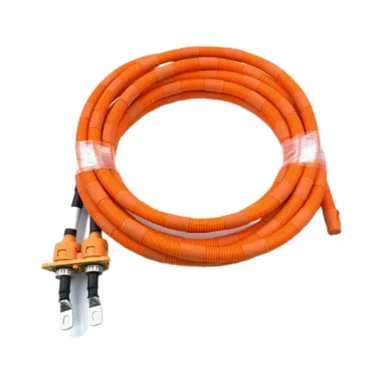
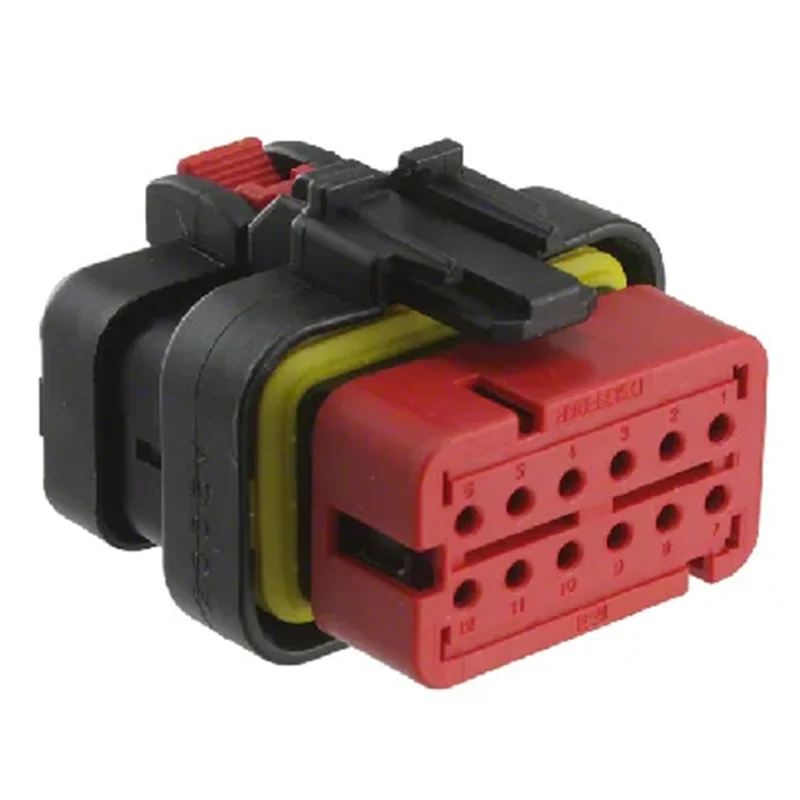
In electrical equipment and systems, relays and fuses are two common protection elements. Although both are used to protect electrical equipment from the impacts of overload and short circuit, there are significant differences in their working principles and application scenarios. Understanding these differences and their application occasions is crucial for choosing the right electrical protection components.
Basic Definitions of Relays and Fuses
Relay: A relay is a switching device used in automatic control circuits, usually consisting of an electromagnet and contacts. When an input electrical signal reaches the relay, the electromagnet attracts the contacts, closing or opening the circuit to complete the switching operation. Relays mainly play a controlling role in the circuit and can be used for protection, load switching, etc.
Fuse: A fuse is a simple overload protection device, whose working principle is based on the melting of a metal conductor. When the current exceeds the rated current of the fuse, the conductor melts due to heat generation, thus cutting off the circuit and protecting the electrical equipment from overload or short-circuit damage. Once a fuse blows, it needs to be replaced.
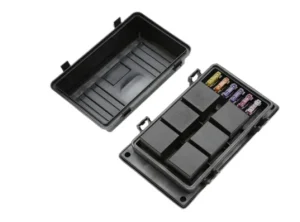
Comparison of the Working Principles of Relays and Fuses
Working Principle of Relays: Relays control the closing or openi ng of circuits through electromagnetic induction. It activates the electromagnet through the input current and then controls the action of the switch. Relays can be used not only for short-circuit protection but also for various applications such as switching and timing control.
Working Principle of Fuses: The working principle of fuses is to utilize the characteristic that the conductor disconnects when heated to the melting point under the influence of current. The protection function of fuses is one-time, that is, it needs to be replaced after an overload event occurs and cannot be reused.
Main Differences between Relays and Fuses
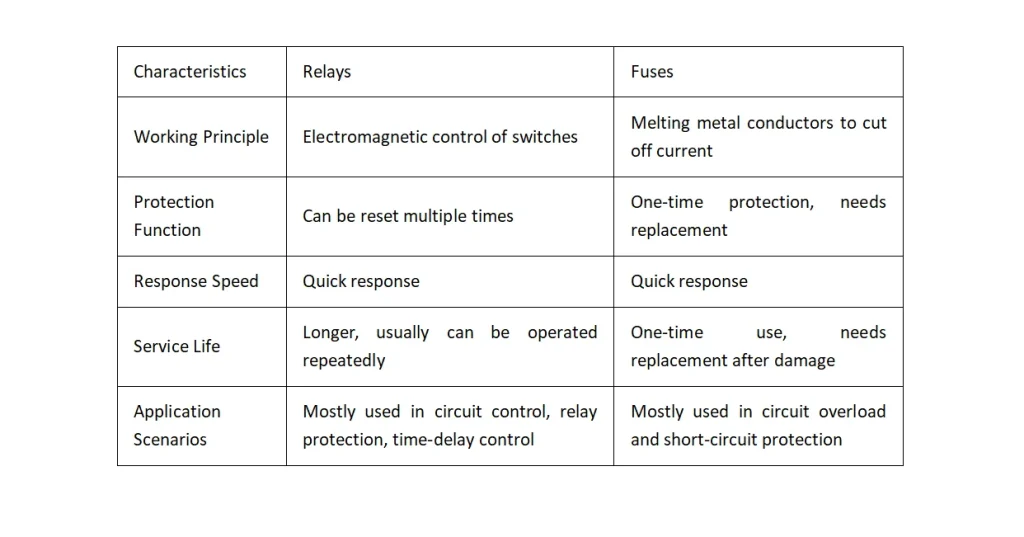
Factors to Consider When Choosing between Relays and Fuses
When choosing a relay or a fuse, judgment should be made according to the specific application requirements. Here are several key factors to consider during the selection:
- Protection Requirements: If you need to protect against current overload, short circuit, etc., and need to reset the protection function, then a relay would be a more appropriate choice. If one-time protection is needed and there is no intention to reset, a fuse would be a simpler and more economical solution.
- Response Time: Both relays and fuses have fast response times, but relays can usually achieve more precise protection by adjusting the contacts and controlling the current. Fuses, on the other hand, respond directly through the melting of metal conductors.
- Life and Maintenance: Relays usually have a longer service life and can be used repeatedly, but the functions of the contacts and the electromagnetic part need to be checked regularly. Once a fuse is triggered, it must be replaced, which is suitable for occasions with high requirements for short-circuit protection.
- Cost Factors: Fuses are relatively inexpensive, so in cost-sensitive application scenarios, fuses may be a more cost-effective choice. However, the versatility and durability of relays may provide better value for scenarios that require frequent protection and control.
Summary
Both relays and fuses play important roles in electrical protection. Relays offer higher control flexibility and reusability, suitable for applications that require frequent circuit switching. Fuses protect circuits by quickly responding to overload and short-circuit events, suitable for one-time protection needs. The choice of which protection element depends on multiple factors such as application requirements, protection goals, cost budgets, and maintenance convenience.
If you are looking for high-quality relays and fuses, welcome to visit Jingu to learn more about the specialized electrical protection components we offer to ensure the safe and worry-free operation of your equipment. Whether you need a customized solution through OEM or ODM services, we can support your business needs with high quality products and professional services.