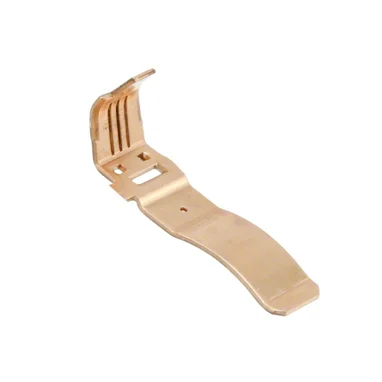
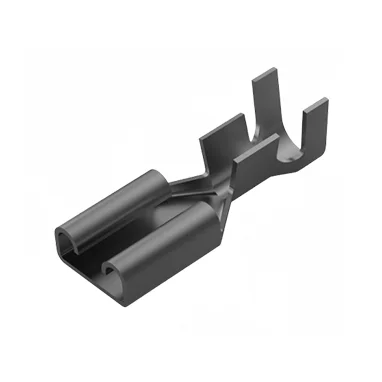
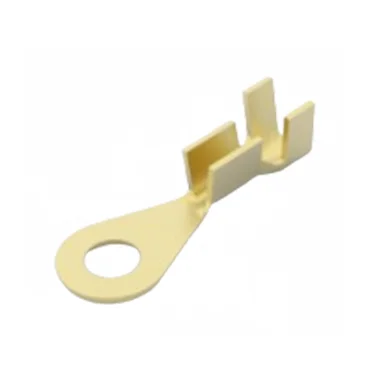
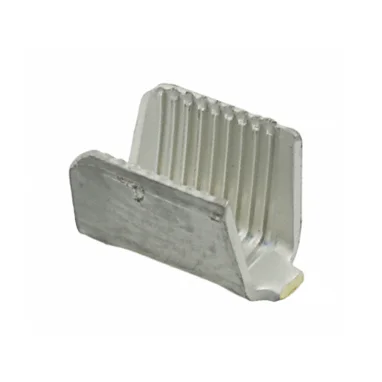
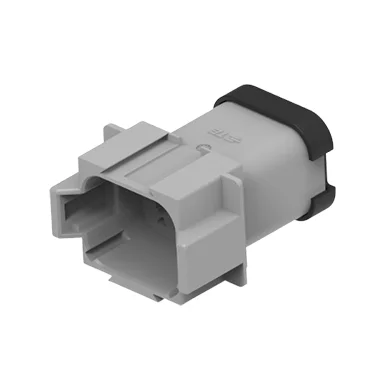
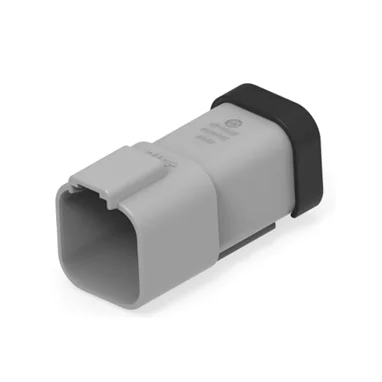
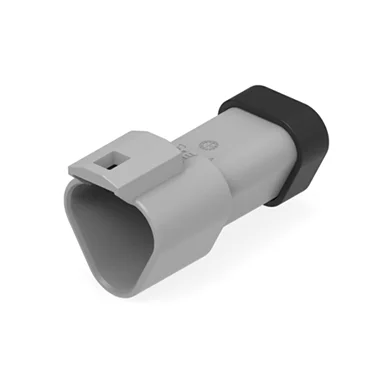
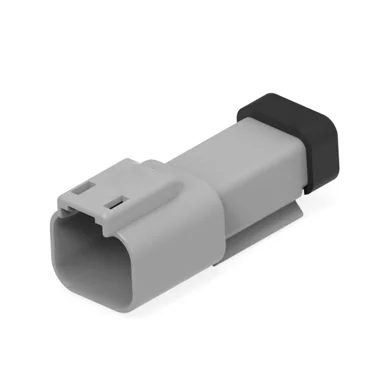
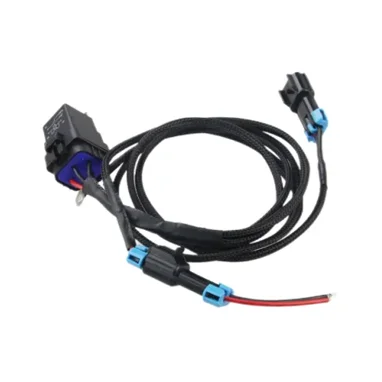
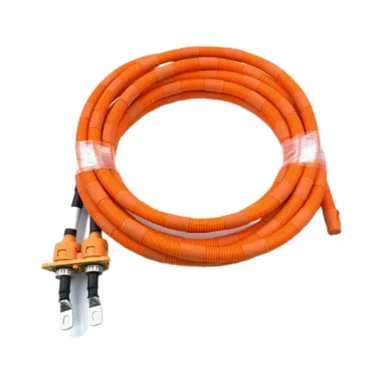
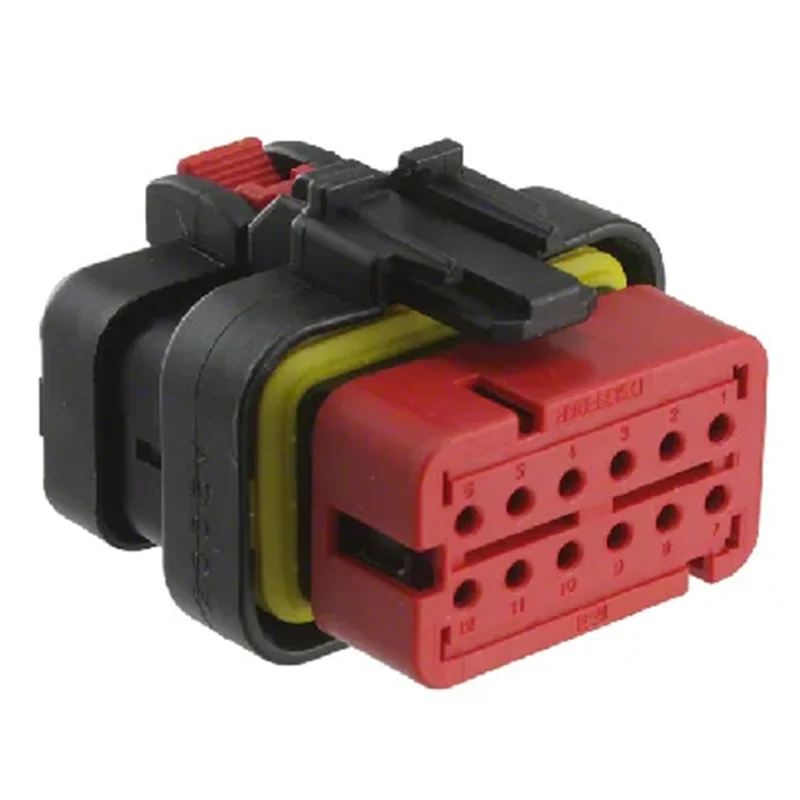
In the rapidly evolving automotive industry, electrical reliability and performance are critical to vehicle safety, efficiency, and user experience. Among various interconnection technologies, solder terminals play a crucial role in establishing secure and stable electrical pathways, especially in environments with high mechanical and thermal stress.
As a trusted automotive terminal manufacturer, Jingu Auto Parts Co., Ltd. (GVEI) specializes in the design, production, and testing of automotive solder terminal connections to ensure unmatched performance and durability. This article offers an in-depth look at the reliability analysis of solder terminal connections, showcasing why GVEI is a preferred supplier for OEMs and Tier 1 manufacturers worldwide.
What Are Automotive Solder Terminals?
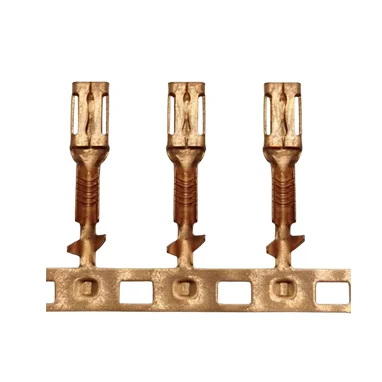
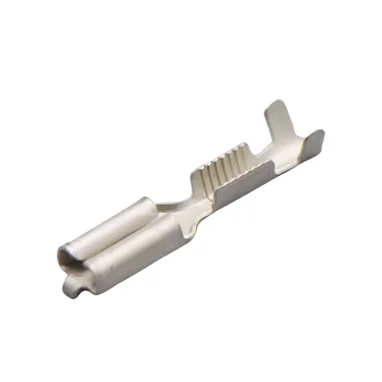
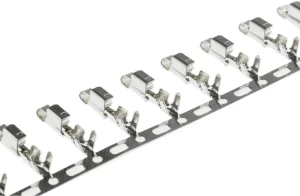
Automotive solder terminals are metal connectors attached to wire ends using soldering processes, forming permanent, low-resistance electrical bonds. Unlike crimp terminals, solder terminals offer:
- High current-carrying capacity
- Excellent electrical conductivity
- Robust mechanical strength
- Superior resistance to vibration and corrosion
These terminals are widely used in engine control units (ECUs), sensor interfaces, lighting systems, infotainment, and high-voltage EV components.
Why Reliability Matters?
The performance of solder terminals directly impacts:
- Vehicle safety– especially in brake, airbag, or ADAS systems
- Signal integrity– for real-time data communication in modern vehicles
- Power transmission– essential in electric and hybrid vehicles
- Product lifespan– minimizing service costs and warranty claims
GVEI understands that failures in terminal connections can lead to significant losses. That’s why reliability testing is integrated at every stage of development and manufacturing.
Key Factors in Reliability Analysis
GVEI employs a comprehensive reliability analysis framework for automotive solder terminal connections, focusing on five key dimensions:
1. Thermal Cycling and Heat Resistance
Automotive terminals endure wide temperature variations from -40°C to 150°C. GVEI performs thermal shock testing and heat aging simulations to ensure terminals withstand:
- Engine bay heat
- Battery packs in EVs
- Prolonged exposure to climate variation
2. Vibration and Mechanical Stress
Terminals in moving vehicles face continuous vibration. GVEI conducts random vibration and mechanical fatigue tests to evaluate:
- Cracking in solder joints
- Wire breakage at stress points
- Deformation under repetitive movement
3. Corrosion Resistance
Exposure to moisture, salt spray, and chemicals can lead to oxidation. GVEI uses salt spray tests (up to 1000 hours) and surface treatment technologies (tin plating, gold flash) to protect solder terminals in harsh environments.
4. Contact Resistance Stability
Low and stable contact resistance ensures efficient power and signal flow. GVEI evaluates resistance variation before and after:
- Mechanical bending
- Environmental stress
- Long-term use
5. Material Compatibility and Solder Quality
Different wire materials (copper, aluminum) affect solder joint reliability. GVEI ensures compatibility with RoHS-compliant, lead-free solders and applies automated soldering with AOI inspection to prevent cold solder joints, voids, or excess solder.
GVEI’s Quality Control and Certification
Jingu Auto Parts Co., Ltd. (GVEI) follows ISO 9001, ISO 14001, IATF 16949, and OHSAS 1800 standards across its production lines. The company operates:
- In-house laboratories for terminal aging and tensile testing
- 100% inspection of high-criticality solder connections
- Statistical process control (SPC) for process optimization
These ensure every batch of solder terminals meets international OEM standards for reliability and performance.
Applications and Customer Benefits
GVEI’s solder terminal solutions are used in:
- Passenger and commercial vehicles– in engine management, ABS, airbags
- New energy vehicles (NEVs)– battery packs, BMS, and inverter systems
- Smart car systems– infotainment, GPS, and telematics modules
By choosing GVEI, customers benefit from:
- Customized terminal designtailored to application requirements
- Rapid prototyping and mold development
- Competitive pricing with consistent quality assurance
- Reliable supply chain with timely delivery
Conclusion
The reliability of automotive solder terminal connections is fundamental to the success of modern vehicle systems. At Jingu Auto Parts Co., Ltd. (GVEI), we combine engineering expertise, advanced production technology, and rigorous quality control to deliver solder terminals that exceed industry expectations.
As automotive electrification accelerates and demand for high-performance terminals grows, GVEI remains committed to being your trusted automotive terminal partner.
Contact us today to learn more about our customized solder terminal solutions for your next project!
📧 Email: alltrade@gvei.com
🌐 Website: www.gvei.com
☎️ Phone: +86 15058771812