Introduction: Why Surface Treatment Matters
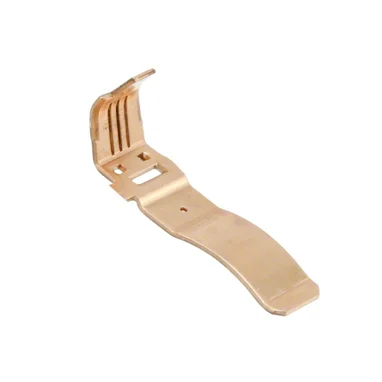
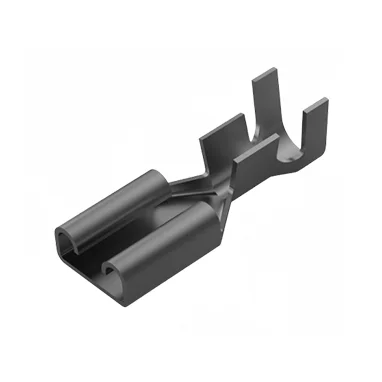
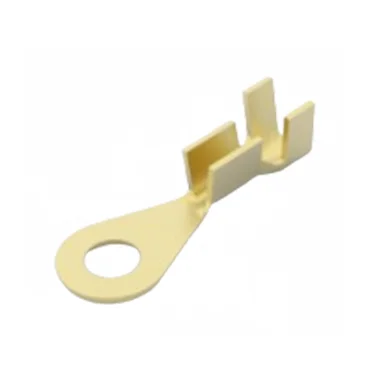
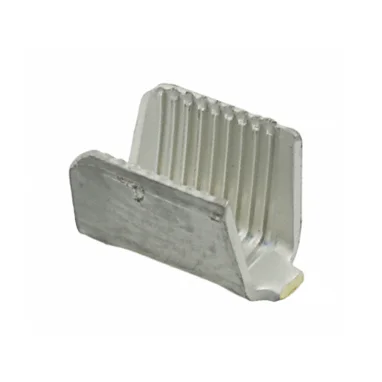
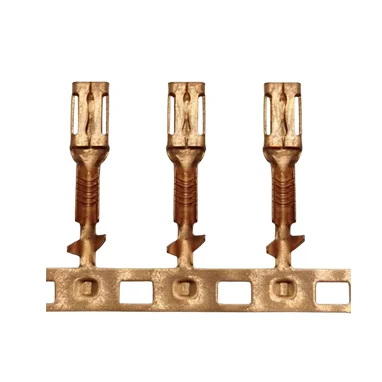
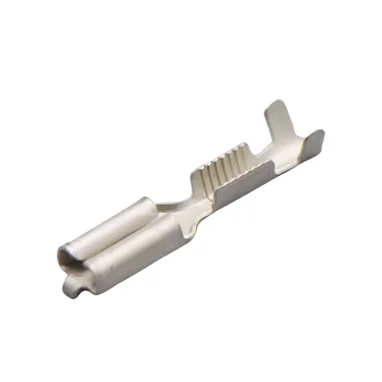
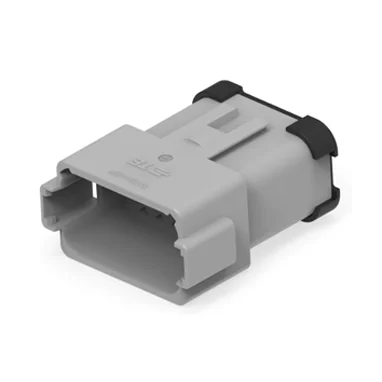
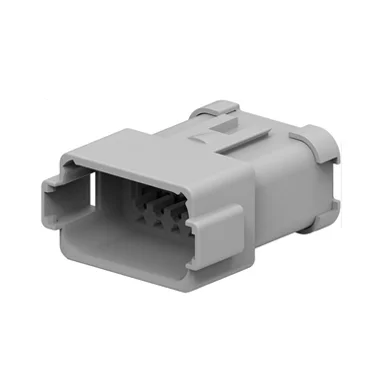
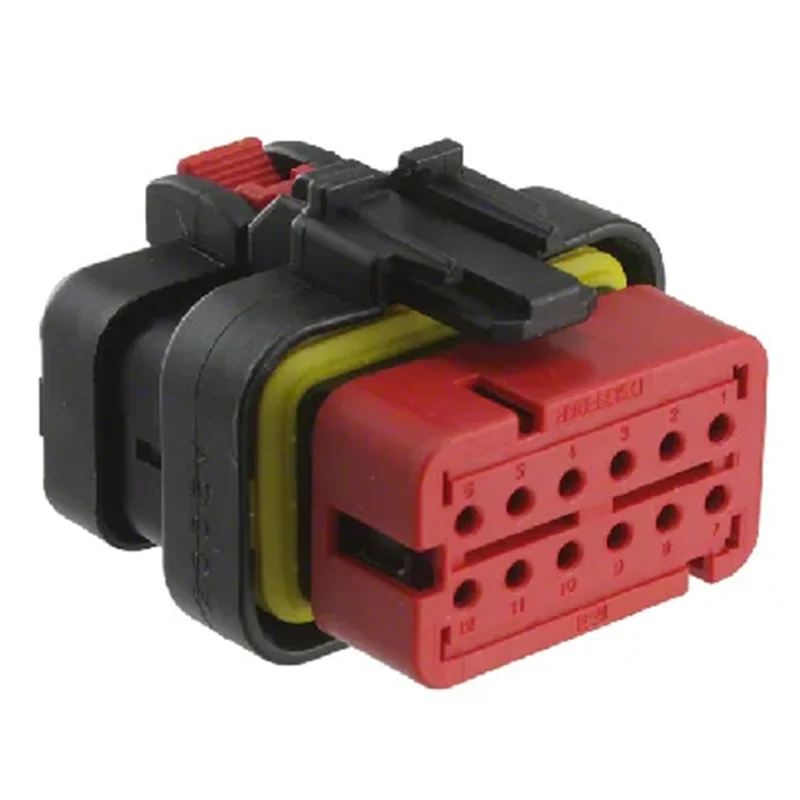
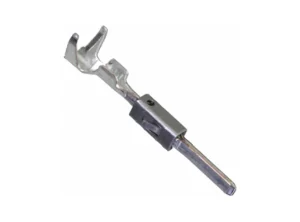
In modern vehicles, automotive connectors and metal terminals play a vital role in ensuring reliable power and signal transmission. These small components connect electronic systems that control lighting, safety features, sensors, and communication networks. However, because they are often exposed to moisture, temperature changes, and vibration, metal terminals face problems such as corrosion, oxidation, and wear. To address these challenges, surface treatment becomes essential. A well-chosen surface finish not only enhances durability but also ensures consistent conductivity and long-term performance in automotive environments.
Common Problems Without Surface Treatment
Without proper protection, metal terminals are easily damaged by harsh environmental factors. Corrosion is one of the most common issues, especially in regions where vehicles are exposed to humidity or road salt. When corrosion occurs, it increases contact resistance, leading to voltage drops, unstable signals, or even connection failure.
In addition, continuous vibration and repeated insertion or removal can cause wear on the terminal surface. This wear degrades the mechanical strength and eventually leads to loose connections. Over time, such failures can cause malfunction of vehicle systems and costly maintenance. Therefore, applying effective surface treatment is crucial to maintaining reliable electrical connections in vehicles.
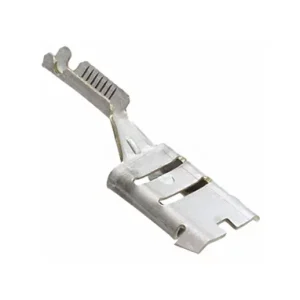
Main Types of Surface Treatments for Metal Terminals
There are several common types of surface coatings used on automotive terminals, each offering unique advantages depending on the application.
Tin Plating (Sn):
Tin is one of the most widely used coatings because it provides excellent solderability and good corrosion resistance at a relatively low cost. Tin plating is suitable for most standard automotive connectors where cost-effectiveness and stable performance are priorities.
Nickel Plating (Ni):
Nickel is often used as an underlayer or a standalone coating. It offers strong hardness, good oxidation resistance, and mechanical strength. Nickel plating helps prevent diffusion between base metal and top coating, making it an ideal barrier layer for high-reliability applications.
Silver Plating (Ag):
Silver is known for its superior electrical conductivity. It minimizes contact resistance and is suitable for high-current terminals, sensors, and grounding systems. Silver-plated connectors are often found in electric vehicle systems and other high-performance circuits.
Gold Plating (Au):
Gold provides the best corrosion resistance and stable electrical performance, even under extreme conditions. Though it is more expensive, gold plating is commonly used in critical safety systems, control units, and advanced communication modules that require long-term reliability.
Each surface treatment serves a specific purpose, and the choice depends on the connector’s operational requirements and environment.
How Surface Treatment Improves Connector Performance
Surface treatment directly enhances the functional reliability of automotive terminals in several ways. First, it improves electrical conductivity by reducing contact resistance. This ensures consistent current flow and stable signal transmission between components.
Second, treated surfaces have better corrosion and oxidation resistance, protecting terminals from degradation caused by heat, humidity, and salt spray. This is particularly important in engine compartments and exterior systems where exposure to harsh conditions is common.
Moreover, plating improves mechanical durability by reducing friction and preventing wear during repetitive connection cycles. It also provides a smooth surface that ensures a tight and stable fit between terminal pairs. Together, these benefits extend the lifespan of both the connector and the overall automotive electrical system.
Factors to Consider When Selecting Surface Treatments
Choosing the right surface treatment requires balancing several factors. Electrical requirements should come first — for instance, high-current systems need low-resistance coatings like silver, while low-voltage signal connectors may only require tin.
Next, environmental conditions play a major role. Terminals exposed to high humidity, temperature variation, or chemical agents should use coatings that provide excellent corrosion resistance.
Cost-performance balance is also crucial. While gold plating offers unmatched reliability, tin plating remains the most economical solution for large-scale production.
Finally, material compatibility must be considered. The base metals — usually copper, brass, or bronze — must bond effectively with the coating to prevent peeling or diffusion. A well-matched combination ensures consistent protection and performance throughout the product’s service life.
Industry Trends and Quality Standards
The automotive industry continues to push for higher standards of performance and environmental responsibility. One major trend is the shift toward environmentally friendly surface treatments, such as lead-free and RoHS-compliant plating processes. These alternatives reduce environmental impact while maintaining quality and durability.
At the same time, the rise of electric vehicles (EVs) and smart automotive systems has increased demand for high-density and high-precision connectors. Manufacturers now rely on advanced coating technologies to achieve uniform thickness and enhanced adhesion on miniaturized terminals.
To ensure reliability, manufacturers must follow strict quality standards such as ISO 9001, IATF 16949, and ASTM B488. These standards define coating quality, adhesion strength, and corrosion resistance — key aspects for maintaining consistent performance in automotive applications.
Conclusion: Ensuring Reliable Automotive Connections
In summary, surface treatments for automotive metal terminals play a crucial role in ensuring electrical reliability, safety, and long-term performance. From basic tin plating to advanced gold coatings, each finish provides specific protection against corrosion, wear, and oxidation. Selecting the right surface treatment helps improve the efficiency of electrical systems, reduce maintenance costs, and enhance vehicle safety.
For automakers and connector manufacturers, partnering with a professional supplier ensures consistent quality and performance.
Jingu Auto Parts provides high-quality automotive connectors and metal terminals with advanced surface treatment technologies. With a commitment to precision manufacturing and reliability, Jingu helps customers achieve stable electrical connections that meet the rigorous demands of the modern automotive industry.