When it comes to vehicle maintenance, the engine wiring harness (EWH) is one of the most critical, yet often overlooked, components. In essence, the engine wiring harness acts as the central nervous system of a vehicle’s engine, ensuring that all electrical components communicate seamlessly with each other. This bundle of wires, connectors, and terminals transmits electrical signals and power throughout the engine, enabling essential functions like fuel injection, ignition, and emissions control.
Understanding how the engine wiring harness works and why it’s crucial for your vehicle’s operation can help prevent costly repairs and improve your vehicle’s performance. In this article, we’ll break down the components, functions, and maintenance tips for an engine wiring harness, shedding light on how it keeps your car running smoothly.
What is an Engine Wiring Harness?
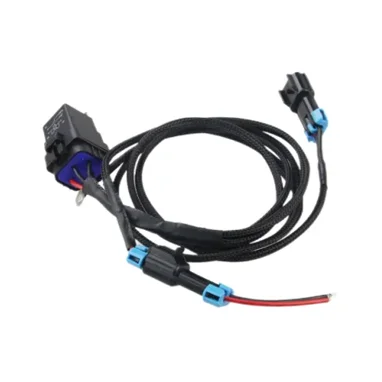
At its core, an engine wiring harness is a carefully designed assembly of electrical wires, cables, connectors, and terminals that facilitates the transmission of power and signals between various engine components and the vehicle’s central computer system (ECU). The harness plays a vital role in ensuring communication between the engine, sensors, actuators, and other electrical systems.
While it may seem like a simple collection of wires, the harness is integral to the efficient operation of the engine. A well-constructed engine wiring harness ensures that critical components like fuel injectors, the ignition system, and sensors receive the correct electrical input, optimizing engine performance, fuel efficiency, and emissions control.
Key Components of an Engine Wiring Harness
The engine wiring harness consists of several interconnected components, each serving a distinct role in ensuring the reliability of the vehicle’s electrical system:
Wires and Cables
- Copper Wires: Known for excellent conductivity, copper is commonly used in most wiring applications.
- Aluminum Wires: Lighter and more cost-effective than copper, aluminum is used in specific vehicle models where weight reduction is a priority.
- Shielded Wires: These wires are coated to protect against electromagnetic interference (EMI), ensuring stable signal transmission.
- Twisted Pair Wires: These are designed to reduce the chances of signal crosstalk, crucial in sensitive communication lines.
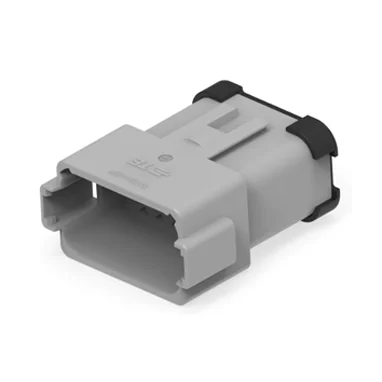
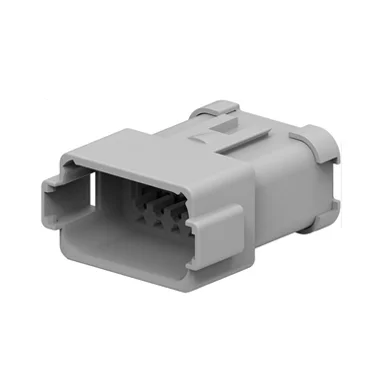
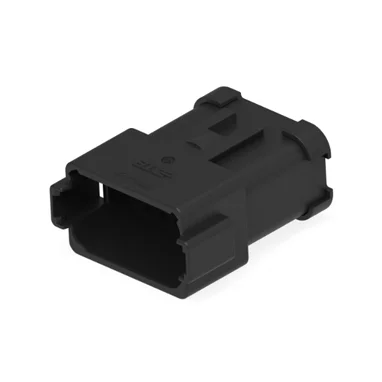
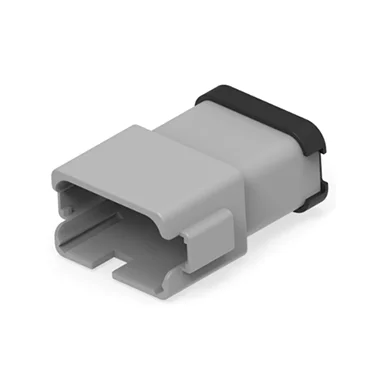
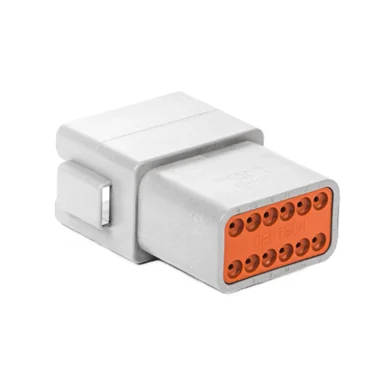
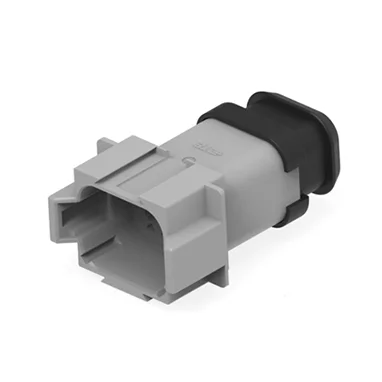
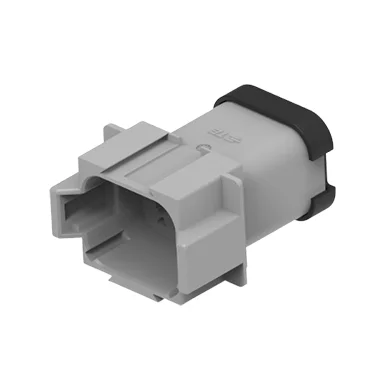
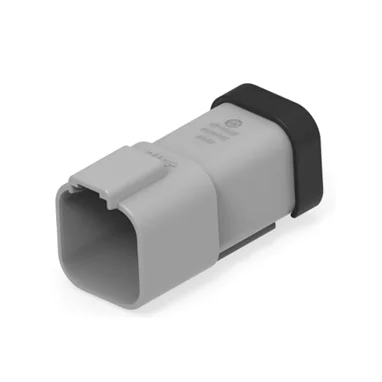
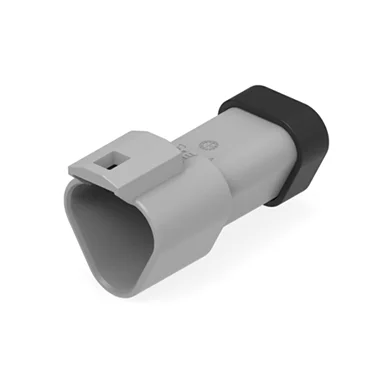
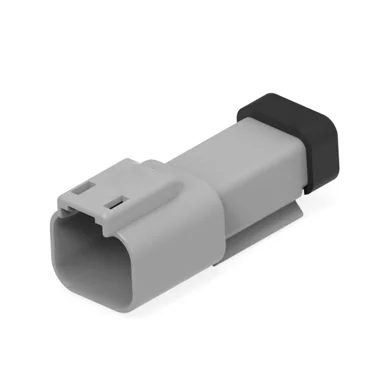
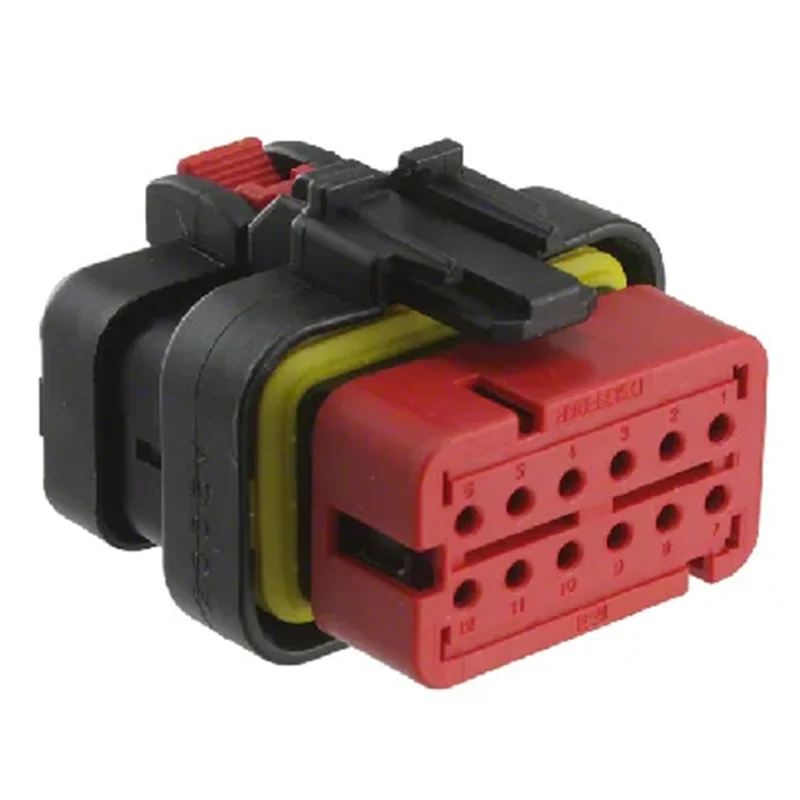
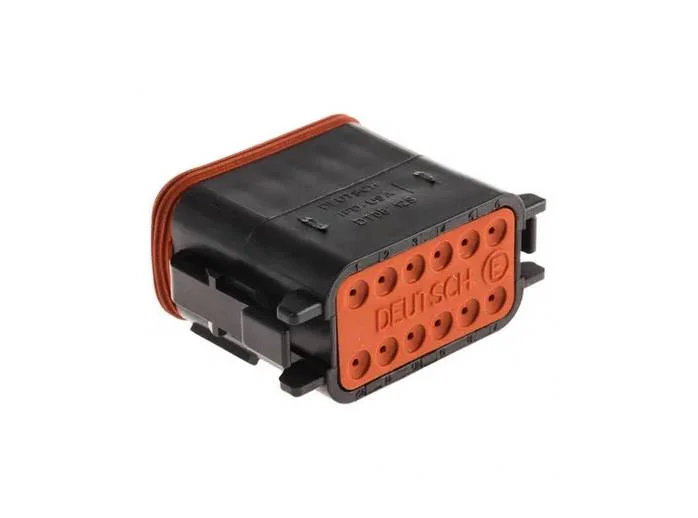
Connectors
- Plug Connectors: Used for quick assembly, these connectors allow for secure and easy disconnection.
- Socket Connectors: Designed to match the plug connectors, they ensure accurate alignment and reliable electrical contact.
- Circular Connectors: These are rugged connectors that can withstand environmental challenges like moisture, dust, and high vibration.
- Rectangular Connectors: Often used in more space-constrained areas, these connectors help maintain a neat and organized wiring system.
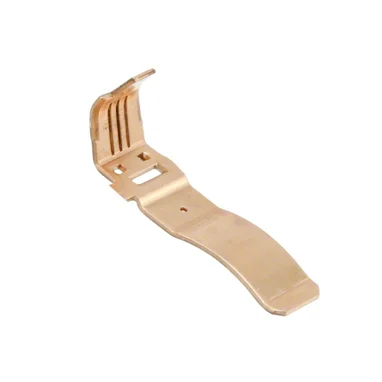
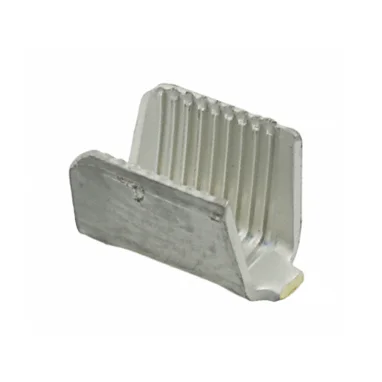
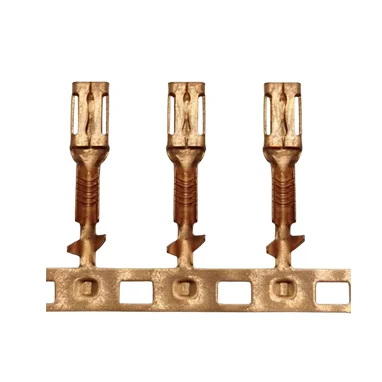
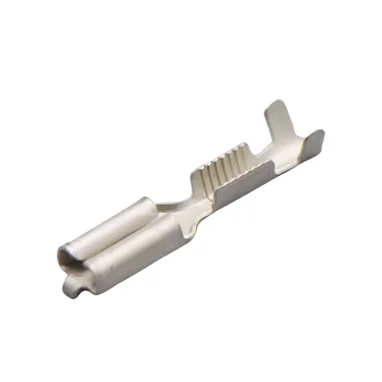
Terminals
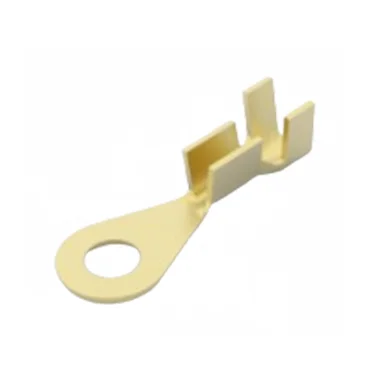
- Ring Terminals: Securely connect wires to engine components using bolts or screws.
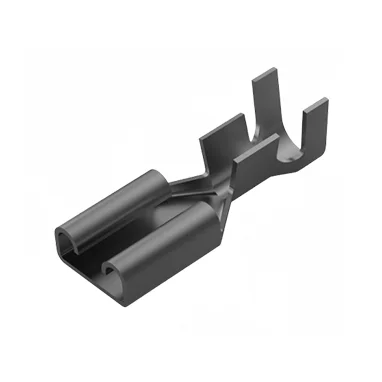
- Spade Terminals: Used for quick connections, spade terminals allow for easy installation and replacement.
- Bullet and Pin Terminals: These are designed for precise connections, commonly found in specialized applications like low-current systems.
Each component is selected for its specific function and durability, ensuring the overall effectiveness of the engine wiring harness in supporting the vehicle’s electrical system.

Key Functions of an Engine Wiring Harness
The engine wiring harness doesn’t just connect electrical components—it performs several vital functions that are crucial for the vehicle’s performance:
- Power Distribution The engine wiring harness is responsible for distributing electrical power from the vehicle’s battery and alternator to the various engine components that need it. This includes power for the ignition system, fuel pump, and sensors, ensuring that each system receives the right amount of electricity to function optimally.
- Signal Transmission The harness is also responsible for transmitting electrical signals between sensors, actuators, and the ECU. For example, sensors monitor variables such as engine temperature, oxygen levels, and air-fuel ratio, sending this data to the ECU. The ECU, in turn, adjusts engine parameters to maintain fuel efficiency, engine health, and optimal emissions.
- Organization and Routing The wiring harness organizes the electrical system within the engine compartment, ensuring that wires are properly routed and secured. This prevents tangling and minimizes the risk of damage caused by heat, vibration, or mechanical wear. A well-organized harness ensures that signal transmission remains efficient and that components are easy to troubleshoot or replace if necessary.
- Protection Against Interference Engine wiring harnesses are designed to protect sensitive wiring from electromagnetic interference (EMI), environmental exposure (e.g., moisture and dust), and physical damage (e.g., from heat or mechanical stress). Shielding materials, insulation, and durable connectors are used to safeguard the integrity of the wiring system.
Common Types of Engine Wiring Harnesses
There are several types of engine wiring harnesses, each designed for specific functions within the vehicle’s engine system:
- Main Engine Wiring Harness The main engine wiring harness is the backbone of the vehicle’s electrical system, linking the engine to the vehicle’s primary electrical network. It connects various components such as sensors, ignition systems, and actuators to the ECU.
- Fuel Injection Wiring Harness This harness connects the fuel injectors, fuel pump, and related components to the engine control module (ECM), ensuring precise fuel delivery for optimal engine performance.
- Ignition Wiring Harness The ignition harness delivers electrical power to the ignition system components, including spark plugs and ignition coils. It ensures reliable spark generation for smooth engine operation.
- Sensor Wiring Harness This harness connects critical sensors like oxygen, temperature, and position sensors to the ECU. These sensors monitor the engine’s condition and relay vital information to the ECU for real-time adjustments.
- Transmission Wiring Harness The transmission harness connects the transmission control module (TCM) to the transmission components, ensuring smooth and efficient gear shifting by transmitting control signals.
- Alternator Wiring Harness This harness connects the alternator to the vehicle’s electrical system, ensuring that the battery is charged and power is supplied to essential systems like the lights, air conditioning, and entertainment.

Why Regular Maintenance and Inspection Matter
Given the importance of the engine wiring harness in maintaining vehicle performance, regular inspections and maintenance are critical. A damaged or worn-out harness can lead to issues such as electrical failures, engine misfires, or total engine shutdown. Common issues include:
- Corrosion: Especially in older vehicles, moisture and environmental exposure can cause connectors and terminals to corrode, resulting in faulty connections.
- Wear and Tear: Constant heat, vibration, and mechanical stress can cause wires to fray or break.
- Loose Connections: Improperly secured connectors can cause intermittent issues, including engine misfires or sensor malfunctions.
Regular inspection of the engine wiring harness for signs of wear and tear, corrosion, or loose connections can help identify potential issues before they lead to major engine problems. Replacing damaged components early can save you from costly repairs and ensure your vehicle operates reliably.
Conclusion: The Engine Wiring Harness—A Critical Component for Vehicle Performance
In conclusion, the engine wiring harness is indispensable to the smooth operation and longevity of a modern vehicle. Its key functions—power distribution, signal transmission, protection, and organization—are essential for optimizing engine performance, fuel efficiency, and emissions control. Regular maintenance and inspection of the harness are crucial to avoid electrical malfunctions and prevent costly engine repairs.
If you want to ensure that your vehicle remains in top condition, never overlook the importance of the engine wiring harness. Understanding its components and functions, along with keeping it properly maintained, will contribute to the overall health and reliability of your vehicle’s electrical systems.
At Jingu, we specialize in providing high-quality engine wiring harnesses and offer OEM & ODM customization services. We understand that different vehicle models and projects may have unique requirements, and our customization capabilities enable us to tailor the wiring harnesses precisely to meet your specific needs.
For more information or expert advice on maintaining your engine wiring harness, feel free to contact Jingu—we’re here to help keep your vehicle running smoothly for years to come.