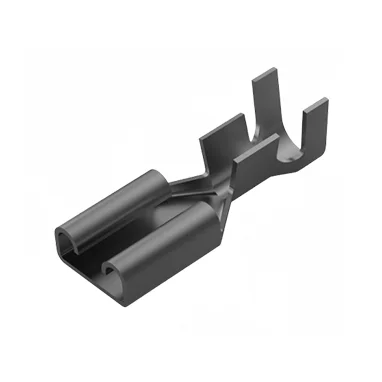
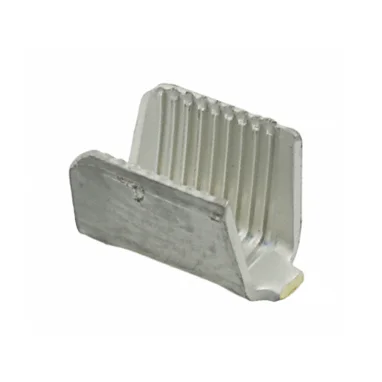
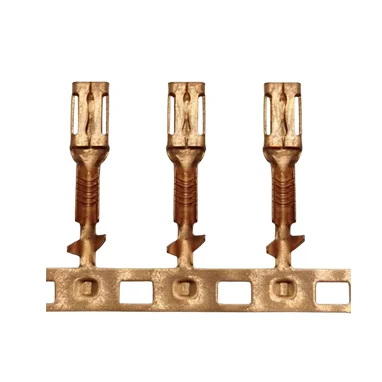
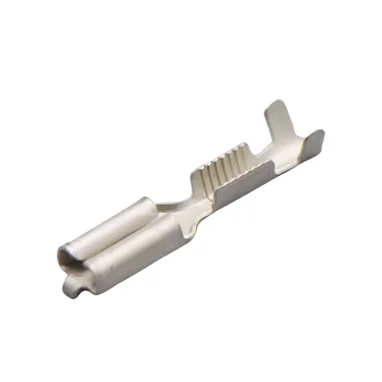
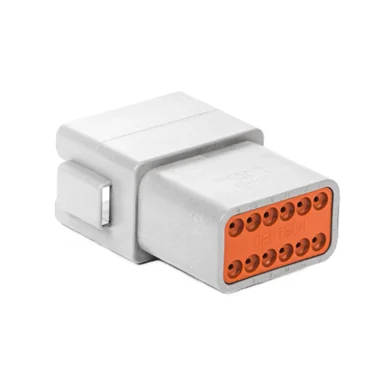
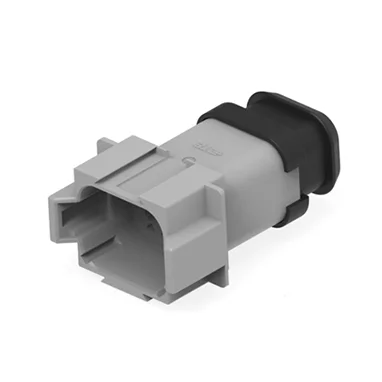
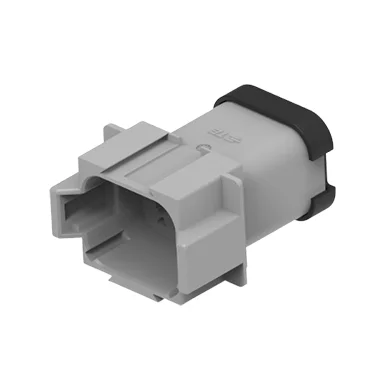
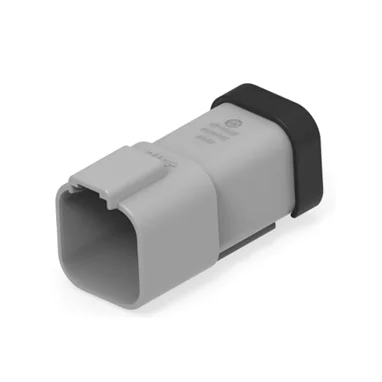
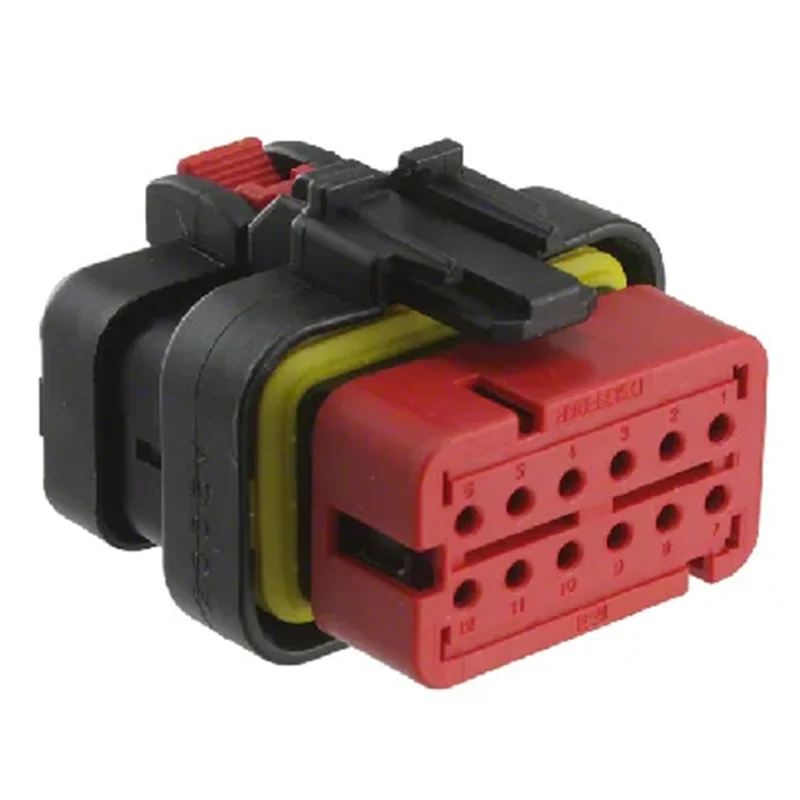
Automotive terminals are essential components of every vehicle’s electrical system. They serve as the connection points between wiring harnesses, sensors, control units, and electronic devices. With advancements in vehicle electrification and intelligent driving systems, the performance requirements for terminals have become more demanding. Selecting the correct terminal material directly influences conductivity, temperature resistance, corrosion resistance, and long-term reliability.
Jingu Auto Parts Co., Ltd. (GVEI) is a professional manufacturer specializing in automotive terminals, wiring harness assemblies, and custom connector solutions. With years of production experience and technical R&D capability, GVEI provides high-quality terminal products that meet the needs of both traditional fuel vehicles and new energy vehicles.
This article introduces the most common automotive terminal materials, their characteristics, and suitable applications, helping automotive manufacturers choose the right terminal solutions.
Common Materials Used in Automotive Terminals
Automotive terminals are typically produced using copper-based metals because copper offers excellent electrical conductivity. The most widely used materials include:
- Brass (Copper-Zinc Alloy)
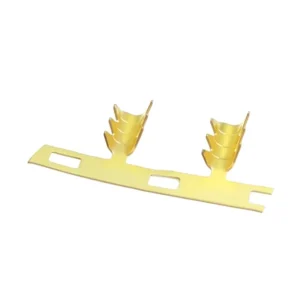
Brass is the most common terminal material due to its good electrical conductivity and moderate cost. Its mechanical strength makes it suitable for stamping and shaping various terminal structures.
Characteristics:
- Stable electrical performance
- Good machinability
- Cost-effective
Typical Applications:
- General automotive wiring harness terminals
- Connector pin terminals
- Sensors, switches, and low-to-medium current circuits
- Phosphor Bronze (Copper-Tin-Phosphorus Alloy)
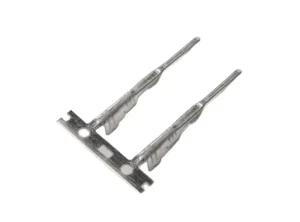
Phosphor bronze offers higher strength and better spring performance than brass. It is suitable for terminals requiring repeated insertion and stable long-term contact pressure.
Characteristics:
- Excellent elastic fatigue resistance
- Corrosion resistance
- Stable contact pressure over time
Typical Applications:
- High-precision connection terminals
- ECU connectors
- Power control module terminals
- Beryllium Copper (Cu-Be Alloy)
Beryllium copper provides very high mechanical strength and maintains excellent elasticity and conductivity even in high-temperature environments. It is one of the premium choices for high-performance automotive terminals.

Characteristics:
- Very high strength
- Heat resistance
- Durable contact performance
Typical Applications:
- High-voltage wiring systems in new energy vehicles
- Battery management systems (BMS)
- Fast-charging connectors
- Tin-Plated Copper or Nickel-Plated Copper
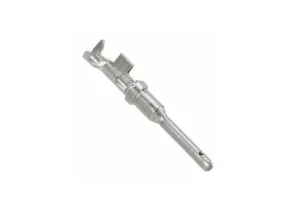
Surface plating improves corrosion resistance and enhances the stability of electrical contact under various environmental conditions.
Benefits of Plating:
- Prevents oxidation
- Reduces contact resistance
- Extends service life in harsh environments
Common surface treatments include tin plating for standard environments and nickel or silver plating for high-temperature or high-current conditions.
Material Selection Factors in Modern Vehicle Design
Different automotive systems operate under different electrical loads and environmental conditions. When selecting terminal materials, engineers must evaluate:
- Current and voltage requirements
- Temperature range and thermal cycling conditions
- Vibration and mechanical stress levels
- Corrosion risks (humidity, salt, chemicals)
- Connector structure and assembly method
GVEI works closely with customers during development to recommend optimal material and plating solutions based on application needs.
Applications of Automotive Terminals Across Vehicle Systems
GVEI produces terminals that are widely used across key automotive electrical systems:
| Vehicle System | Application Example | Recommended Materials |
| Engine and Powertrain | ECU connectors, ignition system | Phosphor bronze, tin-plated brass |
| Interior and Body Electronics | Lighting systems, door control modules | Brass |
| Safety Systems | Airbag control modules, ABS sensors | Phosphor bronze |
| Infotainment and Communication | Display units, antenna modules | Brass or nickel-plated alloys |
| New Energy Vehicle HV Systems | Battery high-voltage terminals, charging ports | Beryllium copper, silver-plated copper |
As vehicle electrification increases, new energy vehicles require terminals that can support higher currents and more demanding thermal conditions. GVEI provides customized high-voltage terminals for EV, HEV, and PHEV applications.
Why Choose GVEI as Your Automotive Terminal Supplier
GVEI combines material expertise, production strength, and responsive engineering support.
- Professional R&D supportfor custom shapes, materials, and structural designs
- Automated manufacturing equipmentfor stable and high-precision production
- Strict quality controlincluding contact resistance, temperature rise, vibration and mechanical fatigue, and corrosion testing
- Flexible OEM/ODM capabilityto meet diverse product requirements
- Reliable delivery and competitive pricing supporting long-term cooperation
GVEI is committed to helping clients improve connection reliability, reduce assembly cost, and enhance product competitiveness in global markets.
Contact Jingu Auto Parts (GVEI)
If you are looking for high-quality automotive terminals or custom ODM/OEM terminal solutions, our technical and sales teams are ready to assist.
📧 Email: alltrade@gvei.com
🌐 Website: www.gvei.com
☎️ Phone: +86 15058771812