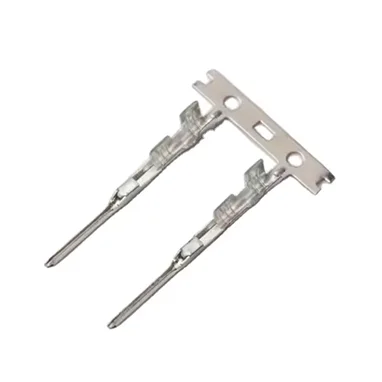
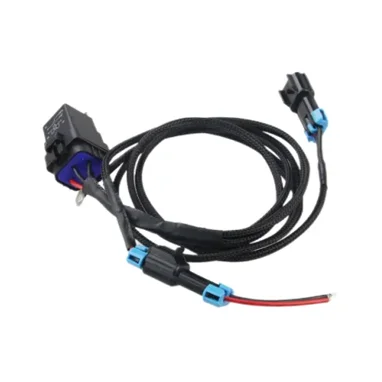
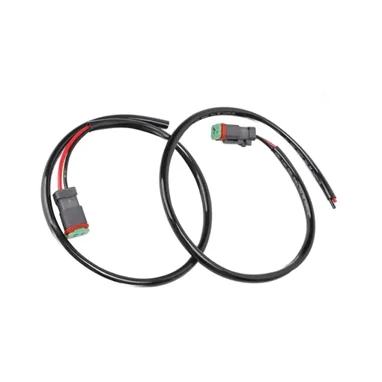
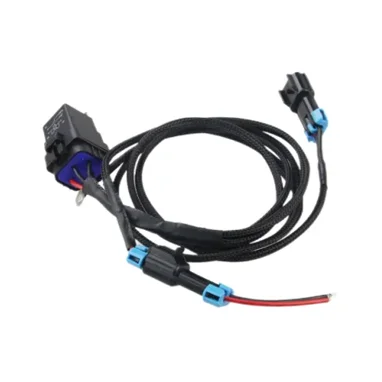
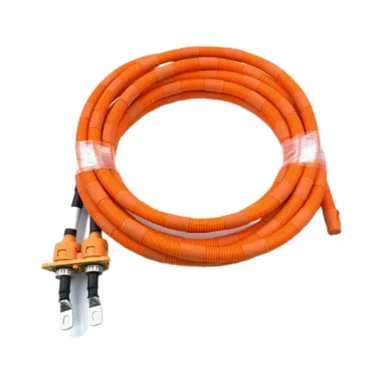
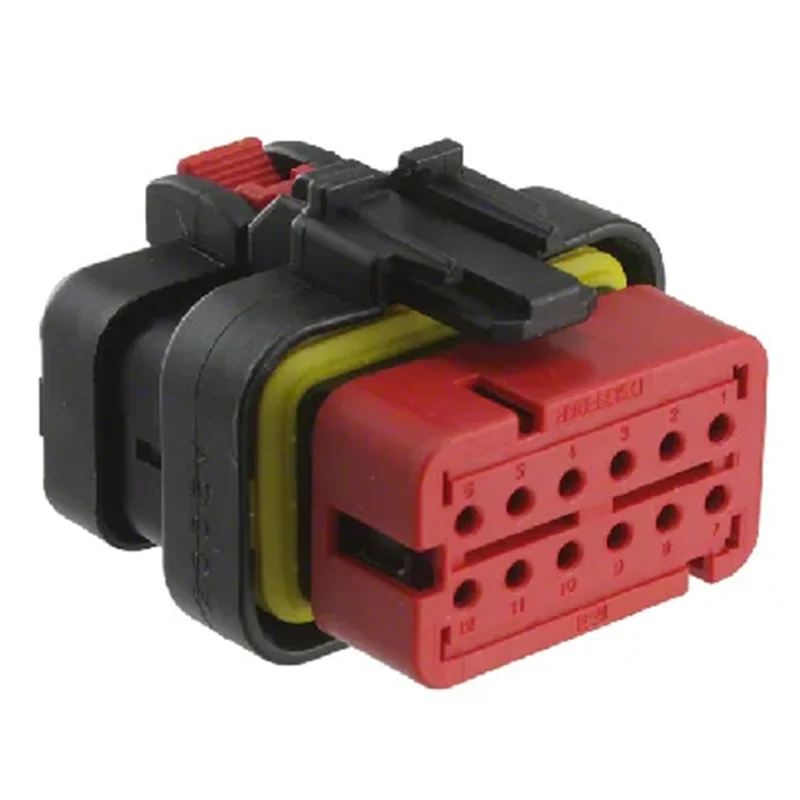
When your brake light isn’t functioning properly, it can be a frustrating issue that hinders your vehicle’s safety and performance. There are a few common culprits that typically cause brake light failure, and one of the most significant factors is often the wiring system—including the wire harness that connects various electrical components of the vehicle.
Common Brake Light Problems and How to Diagnose Them
- Burnt-out Bulb
A burnt-out bulb is one of the easiest and most common issues. It’s simple to fix by replacing the bulb, but it’s essential to remember that frequent bulb failure could indicate wiring problems. - Faulty Brake Light Switch
If the brake lights don’t turn on when the brake pedal is pressed, it might be due to a malfunctioning brake light switch. This issue often points to a problem with the wiring connected to the switch, causing it to fail. - Blown Fuse
Sometimes, a blown fuse may be the cause of your brake light failure. A blown fuse in the brake light circuit could indicate an overload or issue with the wiring harness. - Worn or Damaged Wiring
Finally, the wiring itself could be the culprit. Over time, wires may degrade, become corroded, or wear out, especially in harsh driving conditions, leading to intermittent or total brake light failure.

The Role of the Wire Harness in Vehicle Electrical Systems
The wire harness is a crucial part of your vehicle’s electrical system, responsible for transmitting power and signals to various components such as lights, sensors, and switches. When your brake lights fail, it’s worth checking the wire harness for damage or wear. A compromised wire harness can lead to several issues, from dim or flickering lights to complete electrical failure in some cases.
In fact, the wire harness isn’t just responsible for brake lights; it connects a variety of critical systems in the car. These include turn signals, engine sensors, power windows, and more. Over time, exposure to heat, moisture, and vibrations can weaken the insulation and cause short circuits, which in turn affect vehicle performance.
How to Address Wire Harness Problems
If you’re troubleshooting brake light issues, here’s a quick guide on checking the wire harness:
- Inspect for Visible Damage
Look for areas where the wire harness might be exposed to friction or harsh elements. Check for frayed or worn wires. - Test Continuity
Use a multimeter to test the continuity of the wire harness. If there’s no continuity in the circuit, it could be a sign of a break or short. - Look for Corrosion
Corrosion at the wire connectors or terminals can disrupt the electrical flow, causing malfunctioning lights. - Replace Damaged Wiring
If you find damaged wires, consider replacing them or re-routing them to ensure they don’t interfere with other electrical components.
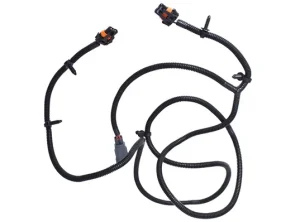
Why Choose Jingu for Your Wire Harness Solutions?
At Jingu, we specialize in providing top-quality wire harnesses for various automotive applications. With years of experience in the industry and expertise in OEM and ODM services, we offer solutions tailored to your needs. Our wire harnesses are designed for durability and performance, ensuring long-lasting and safe connections for all electrical components in your vehicle.
If you’re dealing with brake light issues or any other electrical concerns, don’t hesitate to reach out to Jingu for reliable, custom-designed wire harnesses. Our commitment to high-quality manufacturing, advanced testing, and a customer-first approach means that you can trust us to deliver the best products for your automotive needs.
Contact Jingu today to discuss how we can support your wiring system needs with OEM and ODM solutions!