The automotive industry thrives on innovation, but its global reach is governed by a patchwork of technical standards. While cars may share roads worldwide, the connectors and components inside them often differ due to region-specific regulations. For manufacturers like Jingu, understanding these nuances is key to delivering reliable solutions.
Why Standards Matter
Automotive connectors are critical for safety, performance, and reliability. Two dominant frameworks shape the industry:
USCAR (United States Council for Automotive Research)
- Focuses on high-voltage systems (60–600V) and rigorous testing across development, production, and field use.
- Emphasizes hydrolysis resistance, demanding robust materials to withstand harsh environments.
LV214 (European Standard)
- Developed by German automakers, it prioritizes crimp force monitoring to ensure wiring harness quality.
- Targets connector design compatibility with insulation displacement contact (IDC) technology, widely adopted in Europe.
![776164-1 Female 35 Pins Housing ConnectorHousing for Female Terminals, Wire-to-Device, 35 Position, .157 in [4 mm] Centerline, Sealable, Black, Power & Signal, AMPSEAL](https://www.gvei.com/wp-content/uploads/2024/09/776164-1-1726455244-300x223.webp)
Key Differences Between USCAR and LV214
| Aspect | USCAR | LV214 |
| Testing Scope | Extensive hydrolysis and safety protocols | Focuses on crimp force validation |
| Technology | Crimp terminals common in U.S. designs | IDC technology dominates European markets |
| Material Impact | Stricter material requirements | Flexible design for modular systems |
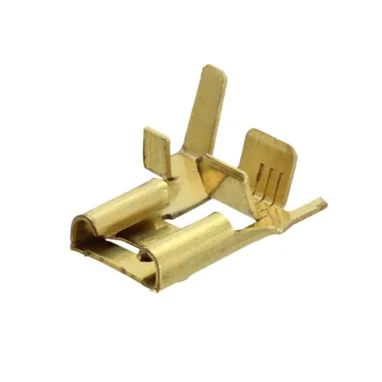
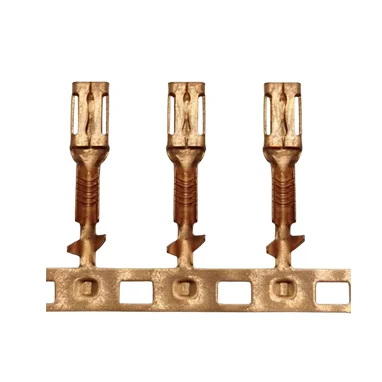
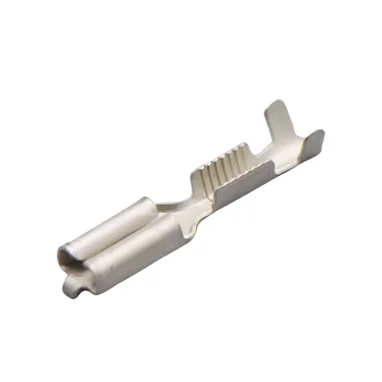
Crimp vs. IDC: A Shift in Connector Design
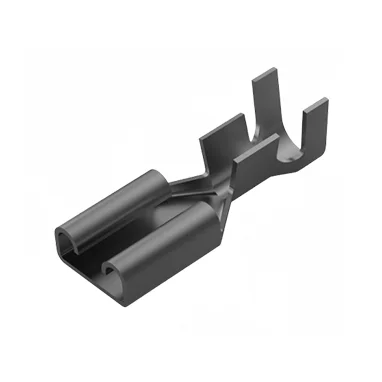
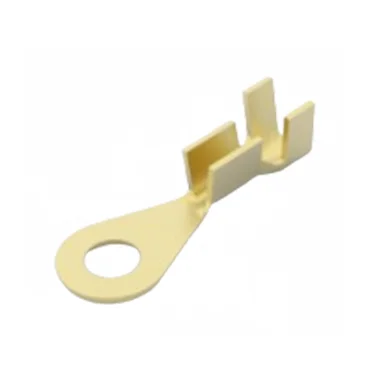
- S. Approach: Relies on crimping to secure terminals, requiring precise force application. This method is cost-effective but demands rigorous testing.
- European Trend: Shifts toward IDC, where connectors pierce wire insulation directly. This eliminates separate crimping steps, streamlining assembly and reducing failure points.
Globalization Challenges
Asian markets add another layer of complexity. China’s GB/T standards and Japan’s JIS specifications require localized adaptations. Manufacturers must balance customization with scalable solutions.
Future Trends
- Electric Vehicles (EVs): High-voltage connectors will face stricter safety standards for battery management systems.
- Autonomous Driving & Connectivity: High-speed data transmission (via LVDS) and ADAS systems demand advanced connectors like JAE’s MX65 series.
- Standardization Efforts: ISO/AK interfaces gain traction, fostering cross-border compatibility.
![776164-1 Female 35 Pins Housing ConnectorHousing for Female Terminals, Wire-to-Device, 35 Position, .157 in [4 mm] Centerline, Sealable, Black, Power & Signal, AMPSEAL](https://www.gvei.com/wp-content/uploads/2024/09/776164-1-connector-1726455243-300x223.webp)
Jingu Auto Parts: Bridging Standards
At Jingu Auto Parts, we navigate these complexities with:
- Certifications: Compliance with IATF 16949, UL, and VDE ensures global market readiness.
- Technology Flexibility: From injection molding to stamping, we adapt to both crimp and IDC requirements.
- Innovation: Investing in mold design and R&D to meet emerging standards for EVs and smart vehicles.
Additional Insights
In addition to the aforementioned standards, the automotive connector industry is also influenced by environmental regulations. For instance, the European Union’s Restrictions on Hazardous Substances (RoHS) directives further constrain the materials used in connectors, promoting the use of more environmentally friendly and recyclable components. This not only impacts the choice of raw materials but also drives innovation in manufacturing processes to ensure compliance without sacrificing performance or cost-effectiveness.
Moreover, the rise of smart and connected vehicles has introduced new requirements for data communication and cybersecurity in connectors. Connectors now need to support high-speed data transfer while also ensuring the integrity and security of the data being transmitted. This has led to the development of advanced connector designs with integrated shielding and data encryption capabilities.
At Jingu Auto Parts, we continuously monitor these emerging trends and regulatory changes. Our R&D team works closely with industry experts to anticipate future needs and develop connectors that not only meet current standards but also anticipate the requirements of tomorrow’s automotive technologies. By staying at the forefront of industry developments, we ensure that our customers have access to the most advanced and reliable connector solutions available.
Conclusion
The automotive connector landscape is defined by diversity, but collaboration and adaptability thrive. By aligning with USCAR, LV214, and regional regulations, Jingu Auto Parts delivers solutions that power safer, smarter, and more connected vehicles worldwide.
Contact us today to explore how we can support your next project!