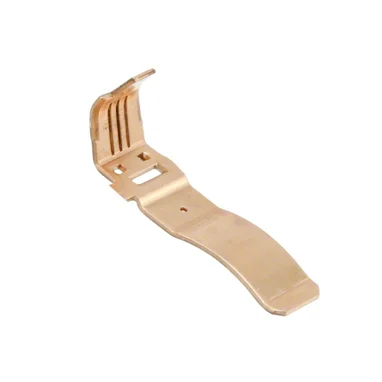
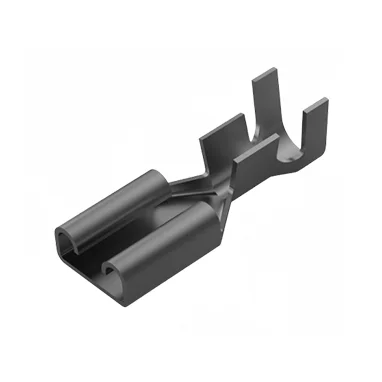
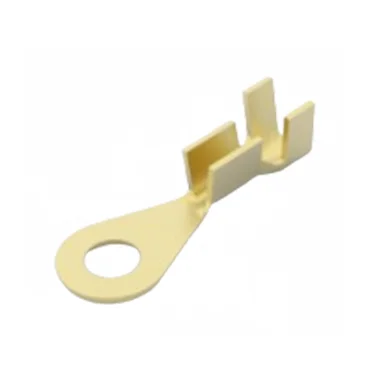
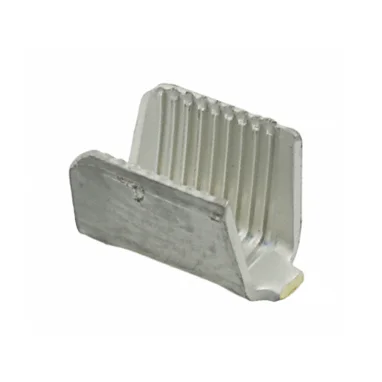
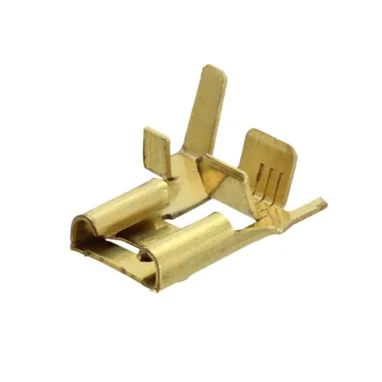
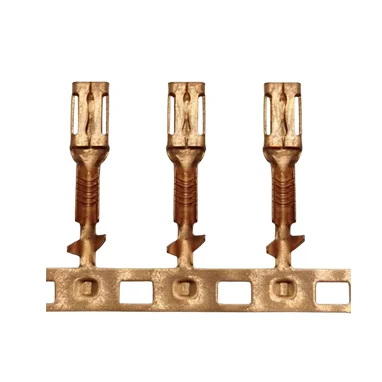
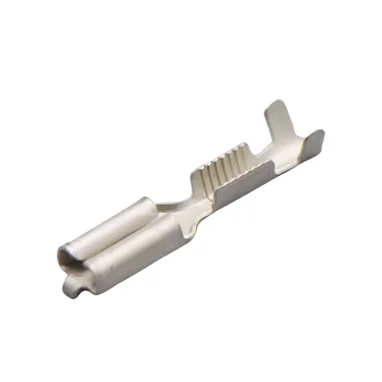
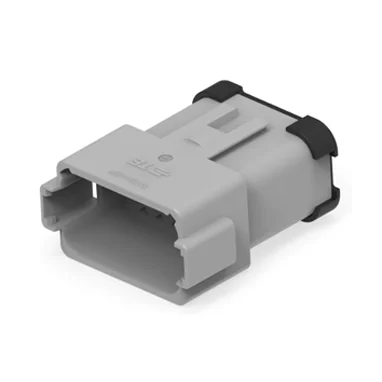
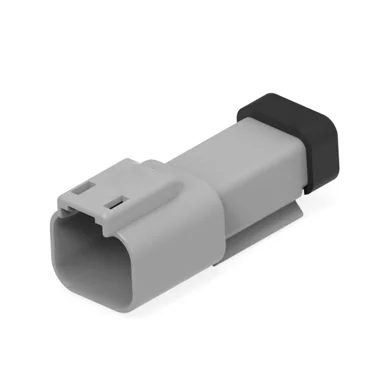
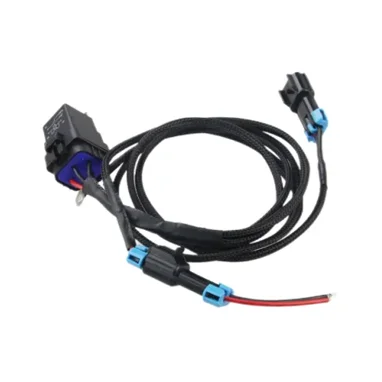
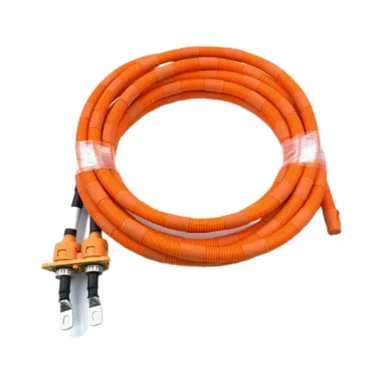
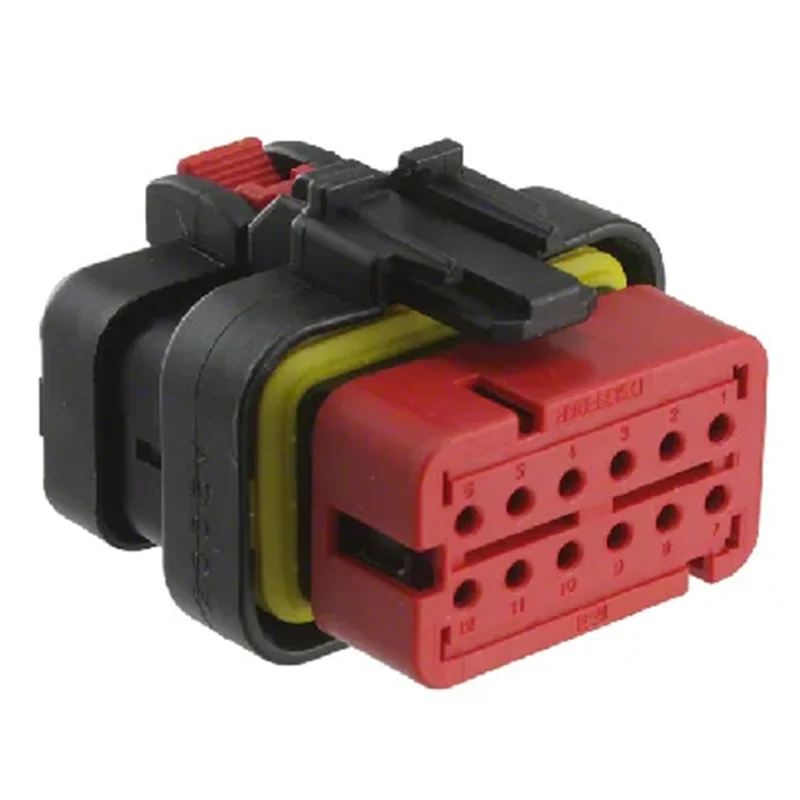
As electric vehicles continue to develop, the demand for reliable electrical systems is becoming more critical. Automotive connectors are responsible for transmitting power and signals between key components, especially in high-voltage systems. For connectors carrying currents above 200A, performance requirements are much stricter, as any instability may directly affect vehicle safety and system efficiency.
At the core of these connectors is the contact pair, which plays a key role in ensuring stable electrical conduction. To meet the demands of electric vehicles, the contact pair must deliver consistent electrical, mechanical, and environmental performance under challenging conditions.
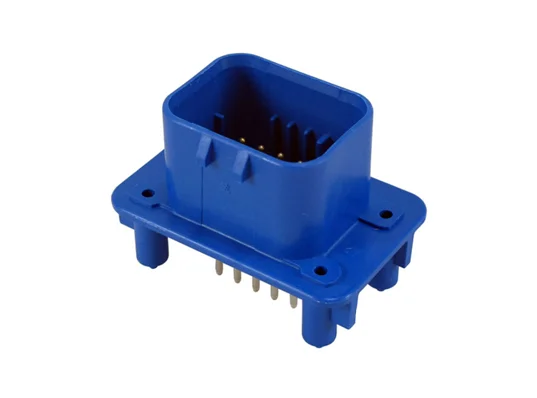
Key Performance Requirements for High-Current Connectors
Low and Stable Contact Resistance
Contact resistance is one of the most important indicators of connector performance. A lower resistance helps reduce energy loss and limits heat generation during operation. In high-current automotive applications, the contact resistance is typically required to be below 1.2 mΩ. At the same time, stability is equally important. Even if the initial resistance is low, fluctuations over time can lead to overheating and reduced system reliability.
High Current Carrying Capacity
In electric vehicles, connectors are often used in power distribution systems where large currents are continuously transmitted. Therefore, connectors must be able to handle currents of 200A or higher without performance degradation. This requirement directly affects the design of contact structures, material selection, and surface treatment.
Balanced Insertion and Withdrawal Force
Insertion force must be carefully controlled to ensure both performance and usability. If the force is too low, the contact area may be insufficient, resulting in higher resistance. If the force is too high, it may cause excessive wear or mechanical stress, reducing the connector’s service life. In most designs, the insertion force is controlled below 30N to achieve a balance between reliable contact and durability.
Long Plug and Unplug Life
Automotive connectors are expected to maintain performance over repeated use. The plug and unplug cycle life depends on material strength and surface plating. For electric vehicle applications, a minimum of 500 cycles is generally required. A stable contact structure helps ensure that electrical performance remains consistent throughout these cycles.
Controlled Temperature Rise
During operation, connectors generate heat due to current flow. Managing temperature rise is essential to prevent damage to surrounding components. Under working conditions ranging from -40°C to 140°C, the temperature rise of the contact pair is typically limited to less than 55°C. This ensures safe and stable operation over time.
Common High-Current Contact Structures and Their Characteristics
Crown Spring Contacts
Crown spring contacts are widely used due to their simple structure and cost efficiency. They are formed by multiple metal strips arranged in a circular shape, providing several contact points. This design offers good elasticity and is suitable for standard applications. However, the contact area is not fully uniform, which limits performance compared to more advanced structures.
Hyperboloid Wire Spring Contacts
Hyperboloid wire spring contacts use multiple elastic wires arranged in a special geometric pattern. When a pin is inserted, these wires deform and create multiple independent contact paths. This structure provides low and stable contact resistance, low insertion force, and long service life. It also performs well under vibration. However, the design is complex, requires high manufacturing precision, and may have limitations in handling very high current loads.
Hyperbolic Mesh Cage Contacts
Hyperbolic mesh cage contacts are formed by stamping and shaping conductive metal into a three-dimensional mesh structure. This design allows for a large contact area and uniform force distribution. As a result, it offers low contact resistance, low insertion force, and high current carrying capacity. It also performs well under vibration and repeated use. In addition, the structure has a self-cleaning effect during insertion, which helps maintain contact quality. On the other hand, this type of contact is more complex and typically involves higher production costs and larger size.
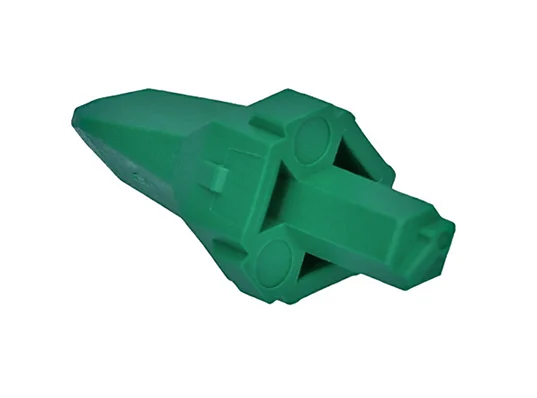
Key Factors for Reliable Connector Design
Material Selection and Surface Treatment
Choosing the right materials is essential for connector performance. Copper alloys are commonly used due to their good conductivity and strength. Surface plating, such as silver or gold, improves corrosion resistance and reduces contact resistance. Proper material selection ensures long-term stability under electrical and environmental stress.
Mechanical Protection and Housing Design
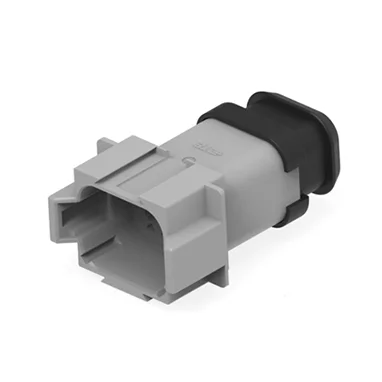
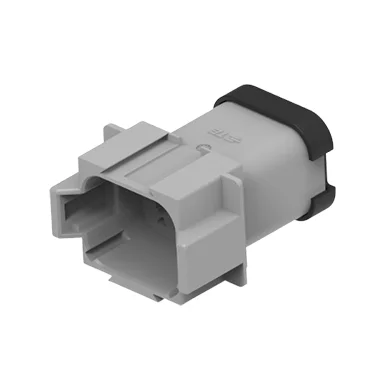
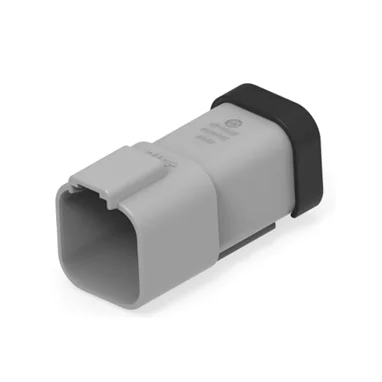
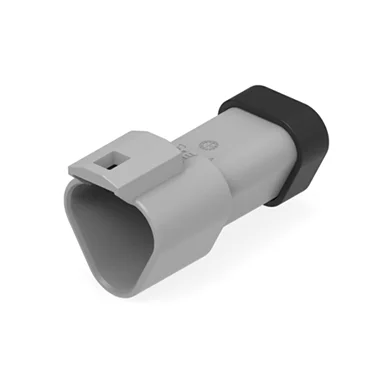
In addition to the contact pair, the connector housing plays a key role in protecting internal components. It provides insulation, mechanical support, and resistance to environmental factors such as moisture, dust, and temperature changes. A well-designed housing helps maintain alignment and prevents damage caused by vibration or external forces.
Testing and Quality Control
To ensure reliability, connectors must undergo strict testing. This includes testing for contact resistance, temperature rise, vibration resistance, and cycle life. These tests help verify that the connector can perform consistently under real-world conditions.
Conclusion
High-current automotive connectors are critical components in electric vehicles, especially in power systems where stability and safety are essential. The performance of the contact pair directly determines the connector’s ability to handle large currents while maintaining low resistance and controlled temperature rise. Different contact structures offer unique advantages, and the final design must balance performance, cost, and application requirements. By focusing on material selection, structural design, and strict testing, manufacturers can develop connectors that meet the demanding conditions of modern electric vehicles.
Jingu Auto Parts is a professional automotive parts manufacturer specializing in high-precision metal components and connector-related parts. With strong expertise in material selection, stamping processes, and quality control, Jingu provides reliable solutions for high-performance automotive connectors. Contact Jingu Auto Parts today to learn how we can support your electric vehicle projects with durable and efficient component solutions.