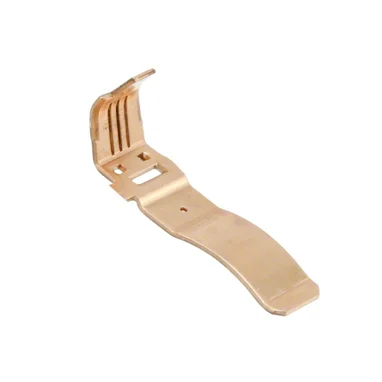
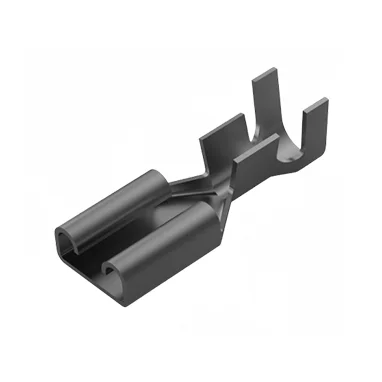
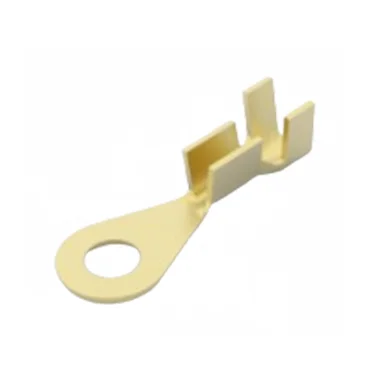
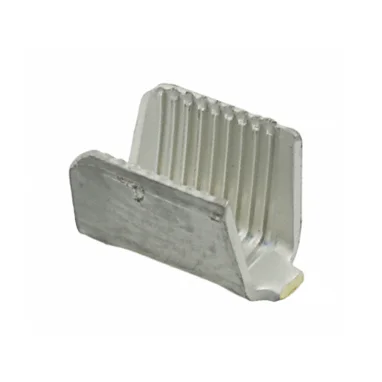
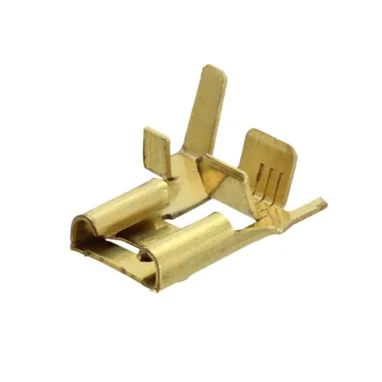
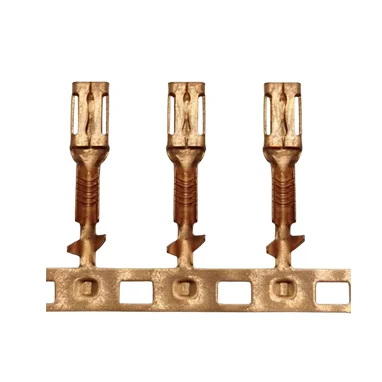
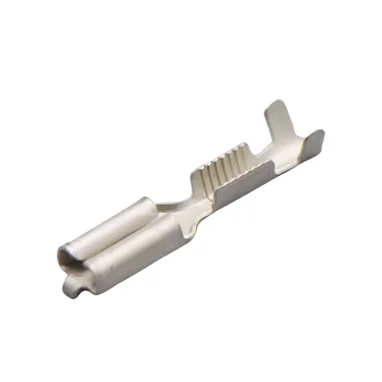
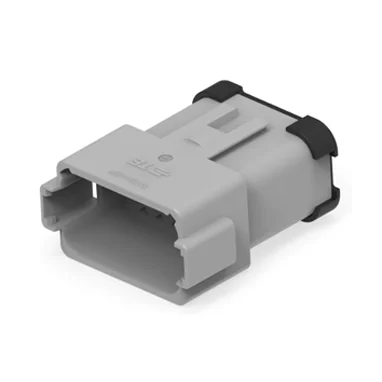
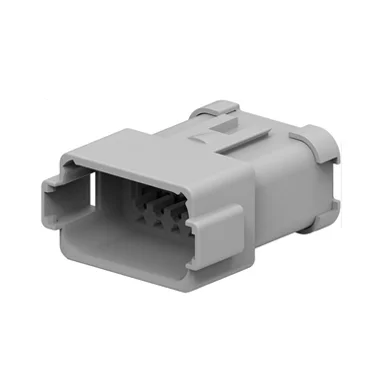
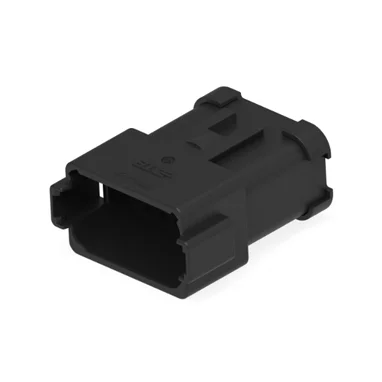
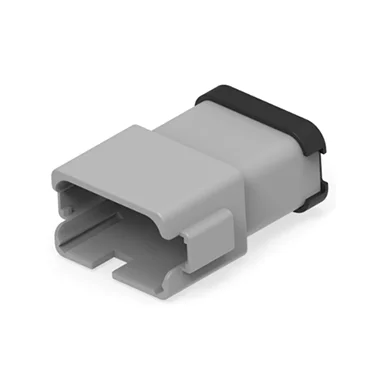
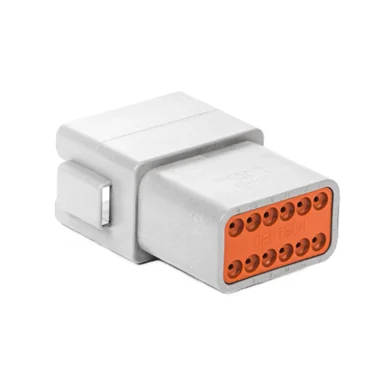
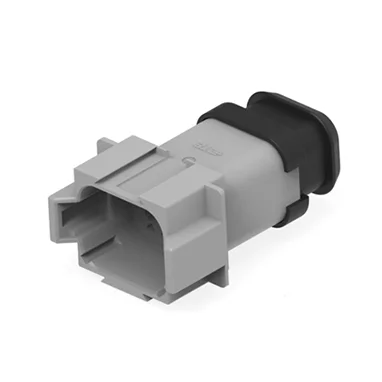
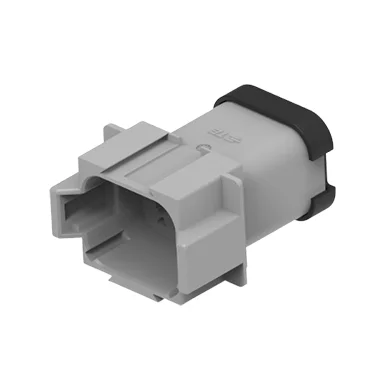
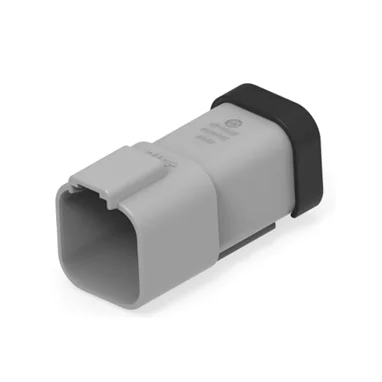
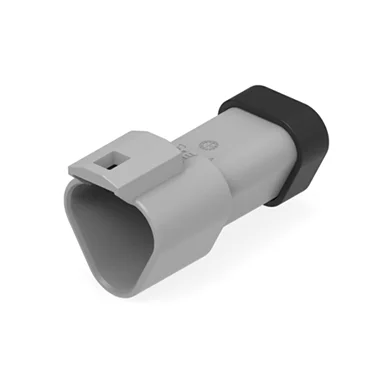
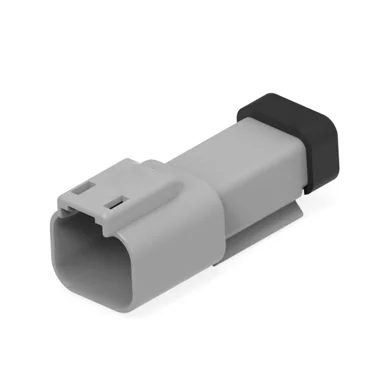
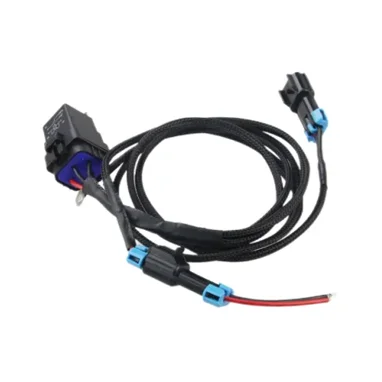
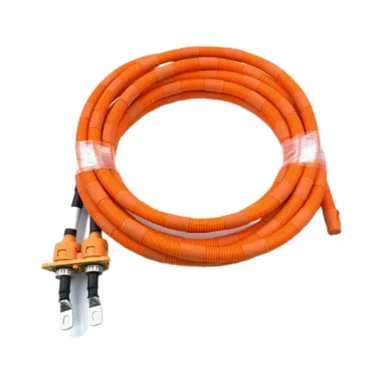
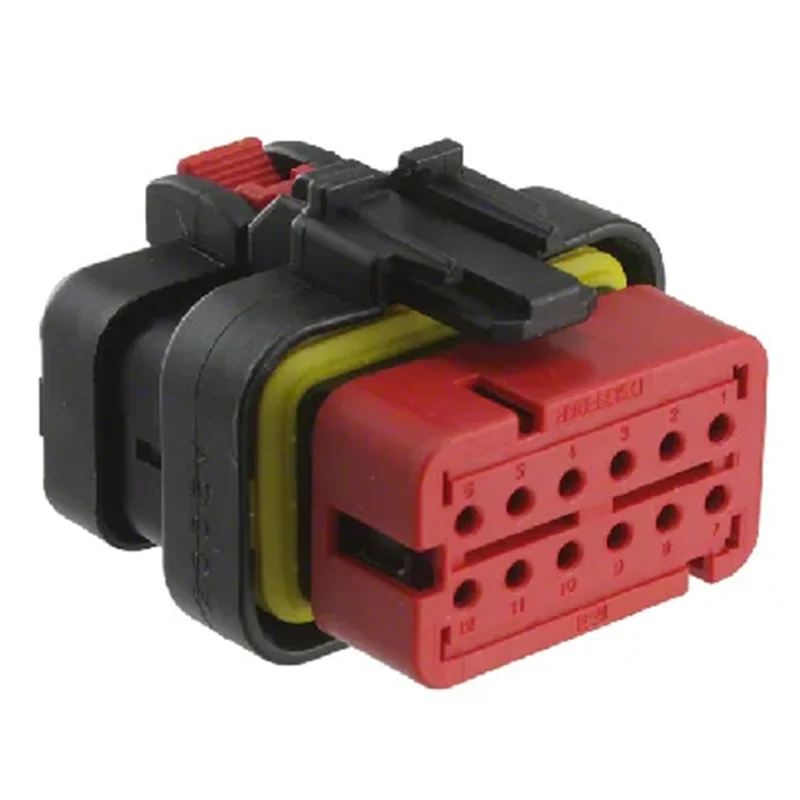
Automotive connectors are vital components that ensure stable electrical connections in vehicles. The reliability of these connectors is critical to the performance and safety of modern automotive systems, especially in areas like power distribution, infotainment, and safety mechanisms. One of the essential elements in automotive connector design is the terminal locking structure, which secures the electrical contacts in place, preventing issues such as loose connections or electrical failures. This article delves into the key aspects of terminal locking structures, focusing on terminal barbs and their role in ensuring the durability and reliability of connectors.
The Role of Terminal Barbs in Connector Locking Structures
The core function of a connector terminal is to maintain a secure electrical connection while ensuring mechanical stability. Terminal barbs are designed to create an interference fit between the terminal and the housing, which provides the necessary retention force to keep the terminal in place. This design is crucial because it helps maintain electrical contact, even under mechanical stress like vibration or thermal expansion.
When the pin (or terminal) is inserted into the connector housing, the material around the barb is displaced. As the terminal pushes through, it scrapes and compacts the surrounding plastic, which temporarily deforms. The pressure exerted during this process creates a stable locking mechanism, but once the terminal is removed, the housing material doesn’t fully return to its original state. This permanent deformation reduces the ability of the housing to securely hold the terminal for future use, making it a critical issue for connectors that are reused.
Factors Influencing Terminal Retention Force
The retention force of a terminal barb is influenced by several factors, including the design of the barb and the interference volume. The retention force is a result of the material displacement caused by the terminal barb during insertion. This force must be carefully balanced; too much interference may cause excessive stress on the housing material, leading to cracking or other types of failure. Conversely, insufficient interference can result in a weak retention force, causing the terminal to become loose over time.
Key parameters that influence the retention force include the dimensions of the barb (length, radius, and angle), as well as the interference volume between the terminal and the housing. A larger interference volume increases the retention force but can also cause stress concentrations within the plastic housing, which could lead to structural issues. The goal is to find an optimal balance that ensures a firm connection while avoiding damage to the housing.
Common Issues with Terminal Locking Structures
While terminal barbs are effective in providing retention, several challenges can arise during the manufacturing or assembly process. One of the most common issues is the accumulation of plastic debris around the barb during terminal insertion. This debris can cause misalignment or excessive friction, resulting in defects such as terminal rotation or improper contact alignment. Such problems can lead to poor electrical performance or difficulty during assembly.
In some automotive connector designs, the gap between the metal terminal and the housing may vary, leading to uneven insertion forces. This discrepancy can cause slight rotation of the terminal, which affects the overall contact integrity. To address this, engineers often adjust the geometry of the barb and improve the assembly process to ensure consistent and reliable insertion.
Solutions to Improve Terminal Barb Design
To enhance the performance and reliability of automotive connectors, several design modifications can be made. The first is optimizing the barb geometry to reduce debris generation and improve the overall retention force. This involves adjusting the lead angle, radius, and length of the barb. By making these adjustments, engineers can minimize the friction and ensure smoother insertion.
In addition, the interference volume should be carefully controlled to avoid excessive stress on the housing material. A balanced approach ensures that the retention force is strong enough to hold the terminal securely but not so high that it causes material fatigue or cracking.
Another important consideration is the housing material. The strength of the plastic used in the housing plays a significant role in how well the barb interacts with the material. Using high-quality materials that can withstand the stresses of repeated insertions and environmental factors such as temperature fluctuations and vibration is crucial. The use of materials like LCP (Liquid Crystal Polymer) or HTN (High Temperature Nylon) can significantly improve the connector’s overall durability.
Practical Design Considerations for Automotive Applications
In automotive applications, connectors are subject to harsh conditions, including temperature extremes, vibration, and mechanical stress. Therefore, connector designers must focus on improving the mechanical properties of the locking structure to ensure that the terminal remains securely in place throughout the vehicle’s lifecycle. This involves optimizing both the geometric design of the barb and the choice of materials used in both the terminal and housing.
Additionally, ensuring that the connector can withstand repeated assembly cycles is vital. This requires not only strong retention forces but also the ability to maintain reliable electrical contact even after multiple insertions and removals. As connectors are often used in applications where high currents are involved, it’s important to design terminals that can handle electrical stress without degrading over time.
Conclusion
Terminal locking structures, particularly those involving terminal barbs, are essential for the long-term reliability and performance of automotive connectors. Properly designed barbs ensure secure retention, which prevents electrical failures and mechanical issues. However, achieving optimal retention force while preventing damage to the housing material requires careful attention to design parameters and material selection. By optimizing barb geometry, controlling interference volumes, and selecting appropriate housing materials, automotive connectors can achieve the durability and performance required for modern vehicles.
Jingu Auto Parts, a leading automotive parts manufacturer, specializes in high-quality connector solutions designed for the automotive industry. With years of expertise in precision engineering, Jingu Auto Parts offers innovative designs that ensure long-term reliability and performance. Contact us today to learn how we can support your connector manufacturing needs and help enhance the durability of your automotive components.