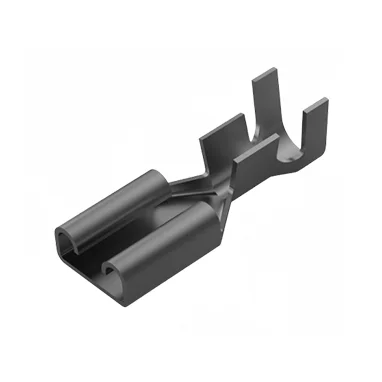
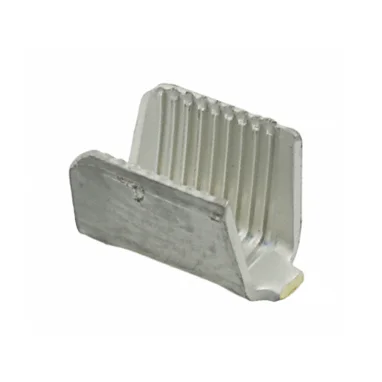
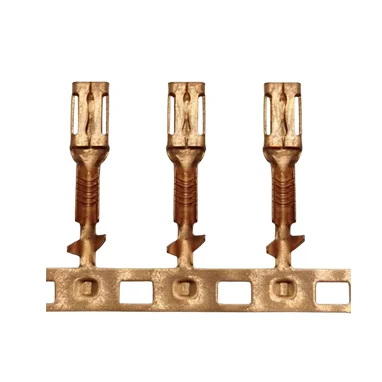
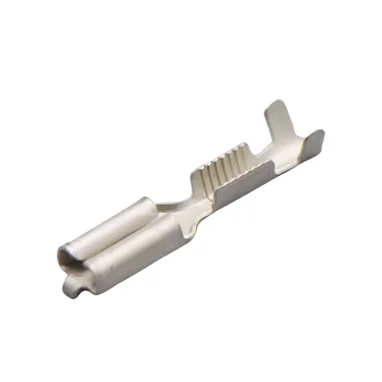
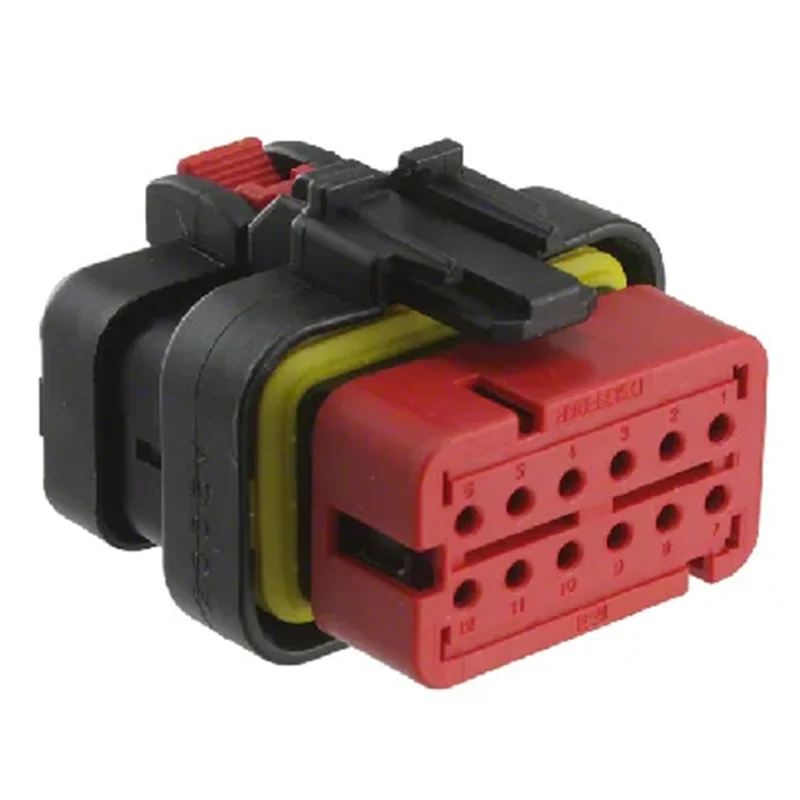
In the automotive industry, connectors are vital components that ensure smooth and reliable electrical connections across various systems, from sensors to power circuits. One crucial aspect of automotive connectors is the plating applied to terminals. While the base material of most automotive terminals is copper, a highly conductive metal, the decision to apply a plating layer may seem unnecessary at first. However, plating plays a key role in ensuring long-term reliability, safety, and performance.
Why Plating is Necessary for Automotive Connectors
Although copper is an excellent conductor, it has its weaknesses, particularly when exposed to harsh environments commonly found in automotive applications. The two main problems with copper terminals are oxidation and the potential for increasing contact resistance over time. These issues can lead to severe consequences, including signal loss, overheating, and even fire hazards in high-current applications. As a result, terminal plating provides essential protection, enhancing the durability and functionality of automotive connectors.
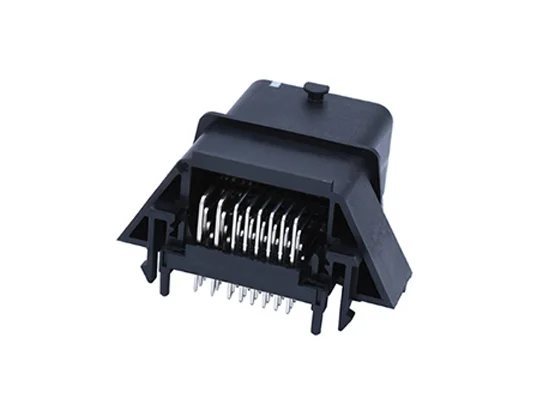
The Two Primary Issues with Bare Copper Terminals
Copper terminals, while highly conductive, are vulnerable to two significant issues: oxidation and unstable contact resistance.
Oxidation and Corrosion
In automotive environments, copper is prone to oxidation, particularly when exposed to moisture, high temperatures, or high humidity. Over time, copper reacts with oxygen to form copper oxide, a non-conductive material that disrupts the electrical connection. This oxidation can lead to poor performance, as even a thin layer of oxidized copper can drastically reduce the terminal’s efficiency.
Unstable Contact Resistance
Contact resistance is crucial in any electrical connection, as it determines how much resistance the current encounters at the connection point. As copper terminals oxidize, their contact resistance increases. In low-voltage applications like sensors, this can lead to signal distortion or even signal loss. In high-current applications, higher resistance generates excessive heat, which can damage the connector and potentially lead to catastrophic failures. To mitigate these risks, the plating process is essential in protecting the terminal surfaces and ensuring stable electrical performance over time.
The Common Plating Types in Automotive Connectors
Over time, several types of plating have become standard in automotive connectors, each chosen for its unique properties suited to different applications. The three most common types of plating are tin (Sn), gold (Au), and silver (Ag). Each offers distinct advantages, and their selection depends on factors such as the environment, current load, and application type.
Tin Plating: Cost-Effective and Reliable for Everyday Applications
Tin is by far the most commonly used plating for automotive connectors due to its balance between cost and performance. It offers good resistance to oxidation, especially in environments where temperature fluctuations are moderate. Tin also has excellent solderability, making it ideal for applications that require reliable, long-lasting connections through soldering.
While tin does form a thin oxide layer, the oxide is relatively soft and brittle. When connectors are engaged, this thin oxide is easily broken, exposing fresh metal and maintaining good contact. However, one downside is that tin can suffer from “fretting corrosion” in high-vibration environments, such as in engine compartments. This issue can be mitigated with increased contact pressure or using special anti-fretting lubricants.
Gold Plating: The Premium Choice for Low-Voltage and High-Sensitivity Applications
Gold is widely known for its chemical stability, making it an excellent choice for high-reliability, low-voltage applications where minimal resistance and consistent performance are critical. Gold does not oxidize, so it maintains a stable and very low contact resistance over time, even in the most challenging environments.
The use of gold plating is common in critical automotive sensors, high-speed data transmission lines, and airbag systems, where a slight increase in contact resistance could result in system failure or safety risks. However, gold plating is expensive, and the plating thickness is typically very thin. To prevent the diffusion of copper into the gold layer, a nickel layer is often added between the copper base and the gold.
Silver Plating: Ideal for High-Current and Power Applications
Silver is the best conductor of electricity, surpassing even copper in terms of electrical and thermal conductivity. Silver plating is therefore commonly used in automotive connectors designed for high-current applications, such as electric vehicles’ power lines, charging connectors, and other power distribution systems.
The primary advantage of silver plating is its ability to handle large currents while minimizing heat generation. However, silver is prone to tarnishing, especially when exposed to sulfur or other contaminants in the environment, which can impact its electrical performance. As a result, silver-plated connectors need to be used in controlled environments to avoid tarnish-related issues.
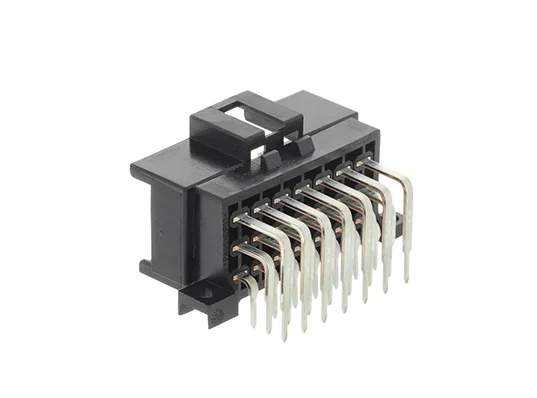
How to Choose the Right Plating for Automotive Connectors
Selecting the right plating for a terminal requires a careful balance between performance, environmental conditions, and cost. The choice should be based on the following factors:
- Application Type:Is the connector used for high-current power or low-voltage signals? For high-power applications, silver plating is often the best choice, while for low-voltage, high-sensitivity applications, gold plating is preferred.
- Environmental Conditions:Consider factors such as temperature, humidity, and vibration. For environments with high vibration, such as engine compartments, tin plating with additional anti-fretting measures may be necessary.
- Cost vs. Performance:While gold plating offers the best performance, its cost can be prohibitive for certain applications. Tin plating offers a good balance between cost and reliability, making it suitable for most automotive uses.
Conclusion: The Importance of Plating in Automotive Connectors
Choosing the right plating for automotive connectors is essential for ensuring that electrical connections remain stable, reliable, and safe throughout the life of the vehicle. Tin, gold, and silver are the most common plating options, each tailored to specific needs and environmental factors. Understanding the pros and cons of each option helps engineers select the most suitable plating based on application requirements.
At Jingu Auto Parts, we specialize in providing high-quality, reliable automotive connectors and stamped parts. As an experienced automotive parts manufacturer, we understand the critical role plating plays in ensuring optimal performance and longevity in vehicle electrical systems. For more information on our products and solutions, visit our website today.