Introduction
Many people assume IP68 is always better than IP67, but the right waterproof rating depends on the actual application environment. From industrial equipment to automotive and outdoor systems, different conditions require different levels of water and dust protection. Understanding the differences between IP67 and IP68 helps ensure reliable performance, longer service life, and suitable protection for harsh environments.
Understanding IP Ratings: IP67 vs IP68
IP ratings are international standards used to measure how well electrical connectors and enclosures resist dust and water intrusion. “IP” stands for Ingress Protection. The first digit indicates protection against solid particles such as dust, while the second digit refers to water resistance.
In both IP67 and IP68, the number “6” means the connector is completely dust-tight. The main difference lies in the level of waterproof protection and immersion conditions.
| Feature | IP67 | IP68 |
| Dust Protection | Completely dust-tight | Completely dust-tight |
| Water Protection | Temporary immersion | Continuous or deeper immersion |
| Typical Test Condition | Up to 1 meter for 30 minutes | Depth and duration defined by manufacturer |
| Common Applications | Automotive systems, outdoor devices, and industrial equipment | Marine systems, EV battery systems, and harsh outdoor environments |
| Cost | Usually lower | Usually higher due to enhanced sealing |
One important difference is that IP67 follows a fixed immersion standard, while IP68 testing conditions may vary depending on product design and manufacturer specifications. This means IP68 connectors are not always tested under the same depth or duration requirements.
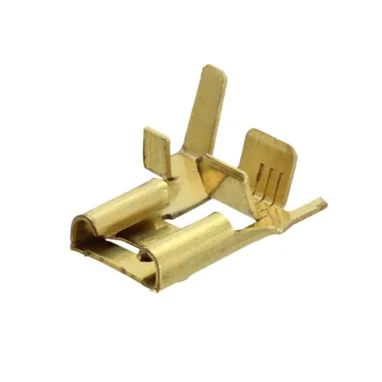
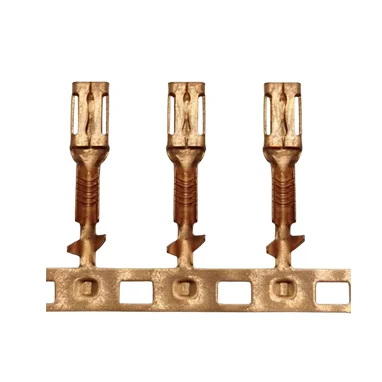
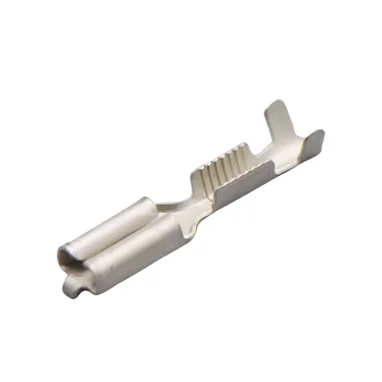
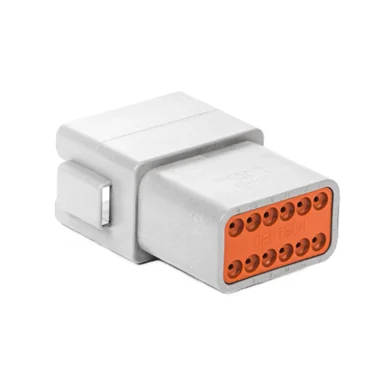
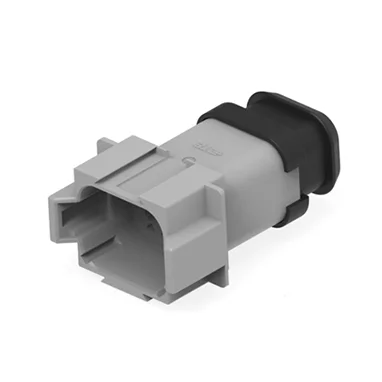
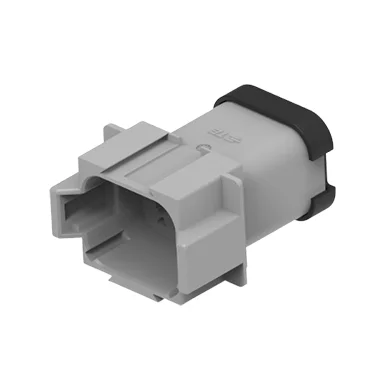
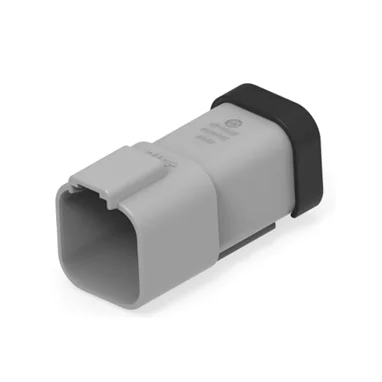
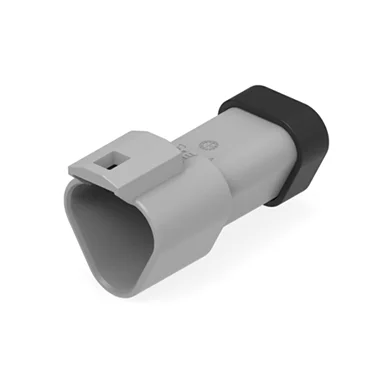
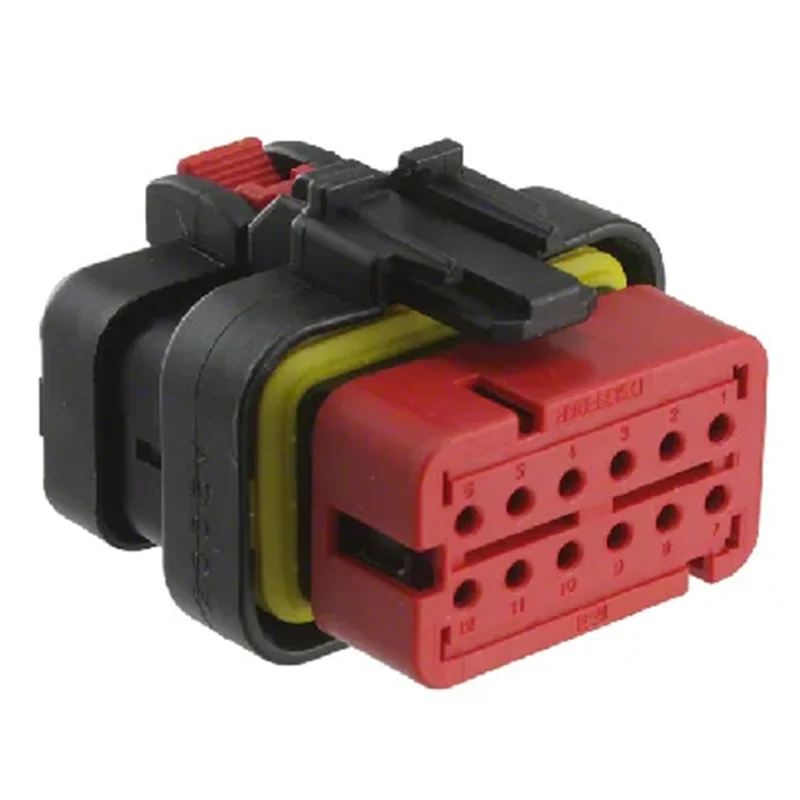
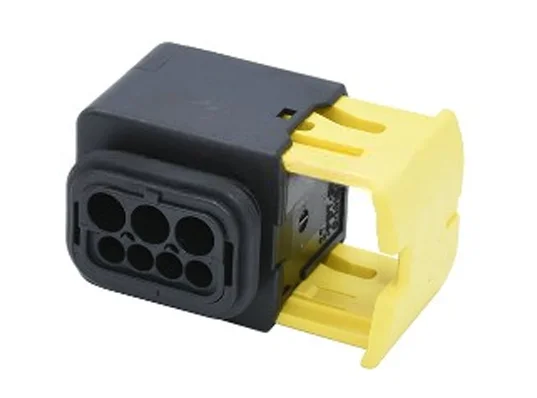
In many automotive and industrial applications, IP67 protection is already sufficient for rain exposure, temporary water contact, and dusty environments. For example, sealed waterproof connectors such as the 1-1418480-1 Female 7 Pins Waterproof Connector are commonly used in harsh operating conditions where reliable sealing performance is required.
IP68 connectors are more suitable for applications exposed to prolonged moisture or frequent immersion, including marine equipment, outdoor energy systems, and certain EV components requiring higher waterproof reliability.
When Should You Choose IP67?
IP67 connectors are widely used in applications where equipment may be exposed to dust, rain, splashing water, or temporary immersion. In many industrial and automotive environments, IP67 protection already provides reliable waterproof performance without the additional cost of higher immersion ratings.
This protection level is commonly used in industrial automation equipment, outdoor lighting systems, agricultural machinery, automotive electrical systems, and outdoor power tools where connectors are exposed to harsh weather or dusty operating conditions. In these environments, reliable sealing helps prevent water intrusion and maintain stable electrical connections during daily operation.
IP67 connectors are often a practical choice for applications that do not involve continuous underwater use. They can provide sufficient environmental protection while balancing durability, performance, and overall system cost.
When Should You Choose IP68?
IP68 connectors are designed for applications exposed to prolonged moisture, deeper water immersion, or harsh outdoor environments where higher sealing reliability is required. Compared with IP67, IP68 protection is more suitable for systems that may operate under continuous wet conditions or frequent water exposure.
This waterproof rating is commonly used in marine equipment, outdoor energy storage systems, EV battery applications, and heavy-duty industrial environments where connectors must maintain stable electrical performance under challenging conditions. In these applications, stronger sealing structures help reduce the risk of water intrusion, corrosion, and connection failure over time.
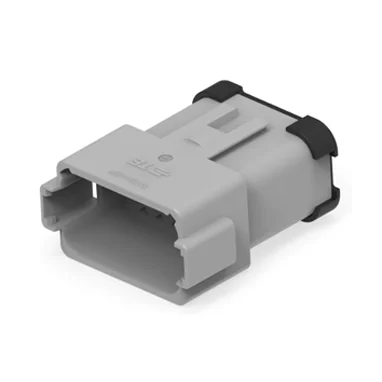
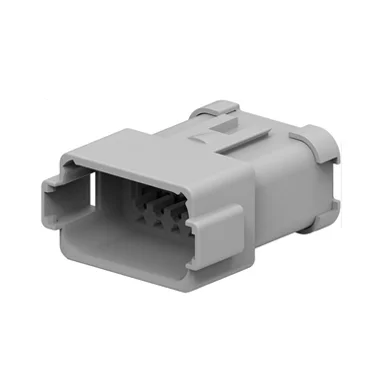
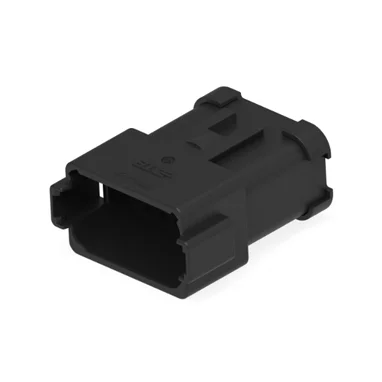
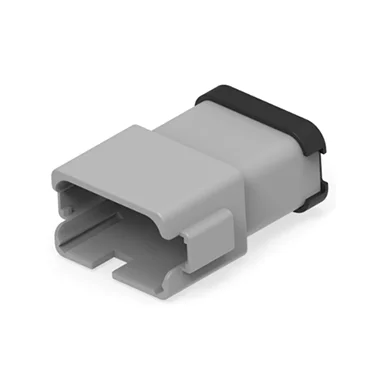
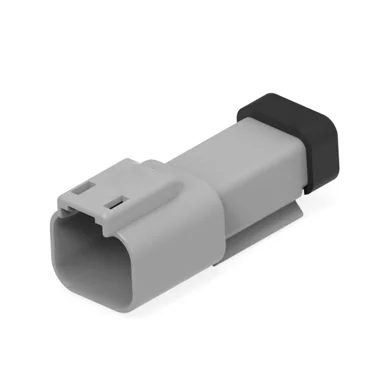
For example, connectors designed to meet IP68 standards, such as the DEUTSCH DT Receptacle Connectors Datasheet, are widely used in harsh automotive and industrial systems requiring reliable waterproof performance.
IP68 protection is also commonly preferred in EV charging infrastructure and outdoor power systems where long-term environmental exposure is a key consideration. In these situations, selecting connectors with enhanced waterproof sealing can help improve durability and overall system reliability.
Common Misunderstandings About Waterproof Ratings
Waterproof Does Not Mean Unlimited Water Exposure
Many people assume that IP67 or IP68 connectors can remain underwater indefinitely. In reality, both ratings are tested under specific conditions with defined immersion limits. Continuous exposure beyond the rated depth or duration may still affect sealing performance over time.
IP Ratings Are Tested Under Laboratory Conditions
IP67 and IP68 tests are performed in controlled laboratory environments. Actual operating conditions, such as temperature fluctuations, vibration, pressure changes, and improper installation can influence real-world waterproof performance.
IP Ratings Do Not Guarantee Chemical Resistance
IP ratings mainly measure protection against dust and water intrusion. They do not automatically guarantee resistance to saltwater, oils, cleaning chemicals, or other corrosive substances commonly found in industrial and outdoor environments.
Seal Aging Can Reduce Waterproof Performance
Even high-quality waterproof connectors may experience reduced sealing effectiveness after long-term use. Factors such as UV exposure, heat, vibration, and material aging can gradually affect rubber seals and connector durability in harsh environments.
Conclusion
Choosing the right waterproof protection level is important for ensuring reliable performance in harsh environments. A suitable sealing solution can help improve durability, reduce maintenance issues, and support long-term system stability in automotive, industrial, and outdoor applications. GVEI provides reliable sealed connector solutions designed for demanding operating conditions and dependable environmental protection.