Introduction: The Shift to Data-Driven Vehicle Architectures
The rapid evolution of ADAS (Advanced Driver Assistance Systems) architecture turns modern vehicles into data-intensive systems, pushing standard automotive connectors past their performance limits. Ensuring uninterrupted real-time sensor data requires robust, vibration-resistant designs that seamlessly bridge strict signal integrity with mechanical ruggedness. This technical guide explores the non-negotiable electrical and environmental requirements for next-generation intelligent vehicle interconnects.
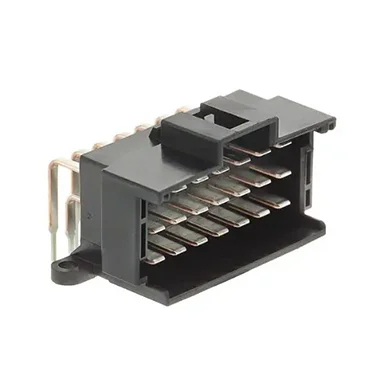
Electrical Performance and Signal Integrity (SI) Requirements
The shift to data-driven ADAS architectures means that components like 8MP cameras, radar, and LiDAR generate massive streams of real-time data. To prevent critical system lag, these sensors rely on high-speed protocols (GMSL, FPD-Link, and Automotive Ethernet) that demand transmission rates from 1 Gbps up to 12 Gbps.
At these frequencies, standard interconnects fail. For automotive engineers, maintaining signal integrity requires meeting three strict electrical benchmarks:
Strict Impedance Matching:
To minimize insertion and return loss, connectors must be optimized precisely at 50Ω or 100Ω. Achieving this requires extreme geometric uniformity of the internal contact pins during automated assembly.
360° EMI/EMC Shielding:
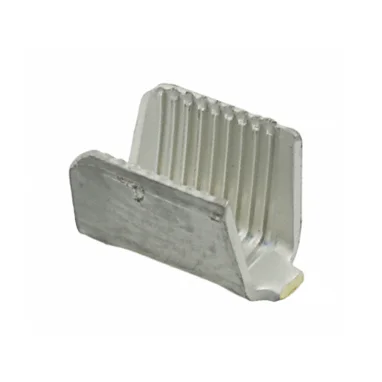
Densely packed vehicle electronics create heavy electromagnetic interference. Connectors must integrate specialized metal shielding cages to prevent data packet corruption—a process that depends entirely on the stamping precision of the metal shells.
Stable, Low Contact Resistance:
Fluctuations in voltage can reset critical sensors mid-transit. Preventing this requires premium copper alloys, flawless terminal plating, and a warp-free plastic housing to maintain perfect pin alignment.
Mechanical Ruggedness and Environmental Sealing
Unlike standard electronic interfaces, ADAS interconnects must withstand the brutal, continuous physical stress of automotive environments. From gravel impact on the front bumper to engine bay thermal cycling, any physical degradation of the connector can lead to immediate safety system failure.
To ensure lifetime structural integrity, automotive interconnects must fulfill three mechanical and environmental mandates:
High Vibration & Shock Resistance:
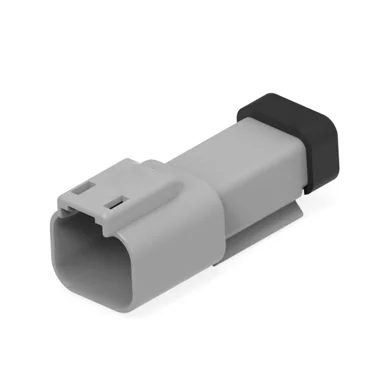
Constant road vibrations can induce micro-disconnections of less than 1 microsecond that disrupt sensor data. To guarantee secure mating, housings must feature integrated Connector Position Assurance (CPA) and Terminal Position Assurance (TPA) locking mechanisms. This requires precision tooling and tight tolerancing during the housing manufacturing process to ensure these mechanical locks snap together perfectly every time.
Thermal Endurance:
ADAS sensors must operate flawlessly across extreme temperature swings, typically from -40°C to +125°C. To prevent material degradation, the connector body must be molded from advanced engineering plastics (such as PBT or PA66), requiring zero-warppage molding control to ensure that thermal expansion does not misalign the contact pins over years of field use.
Ingress Protection (IP67/IP69K):
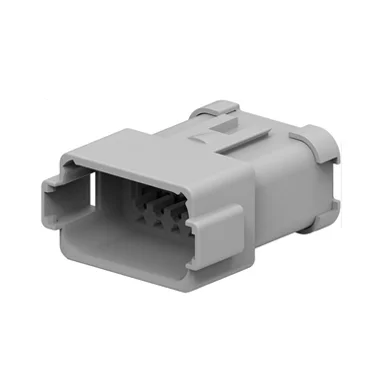
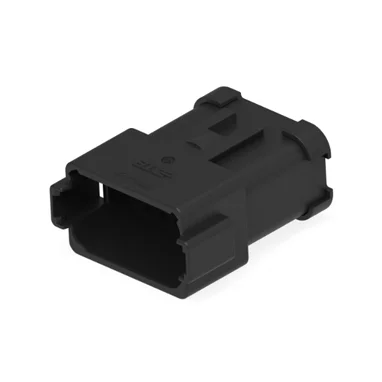
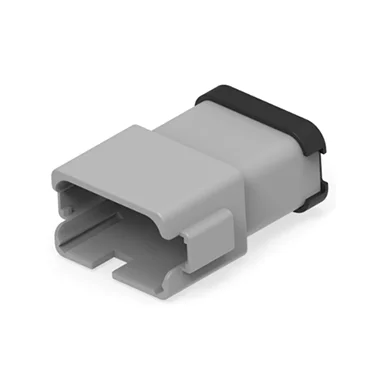
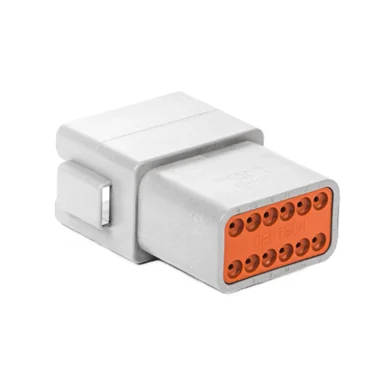
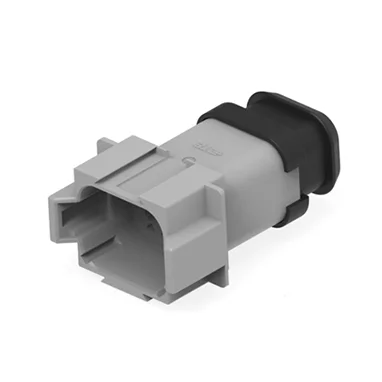
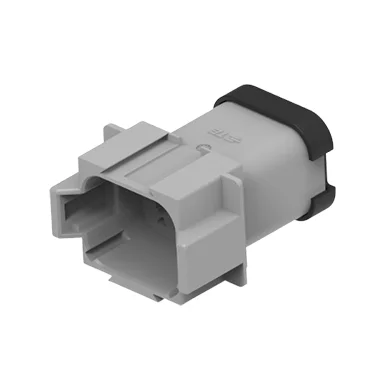
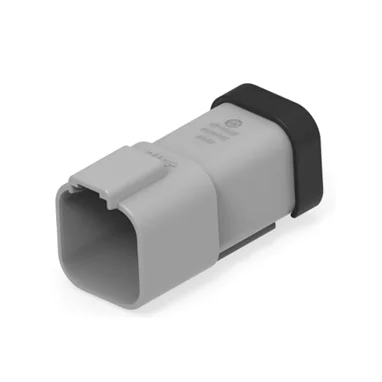
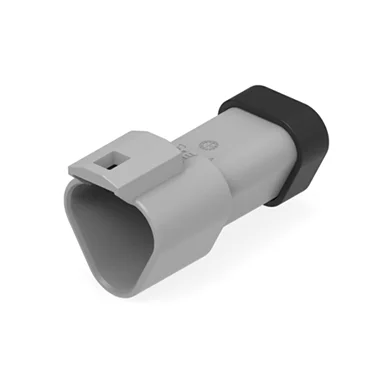
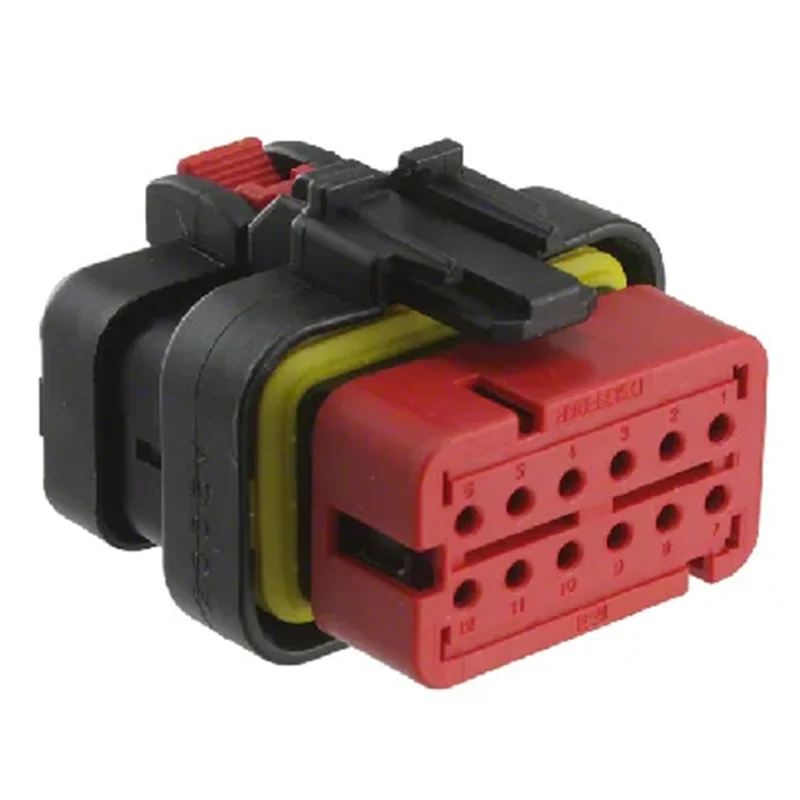
Exterior-mounted cameras and radar modules are constantly exposed to high-pressure washdowns and road salt spray. Realizing this level of environmental sealing without compromising the internal alignment requires a rugged wire-to-board automotive connector built with integrated liquid silicone rubber (LSR) and precision overmolding technologies to completely isolate the electrical contacts against moisture ingress.
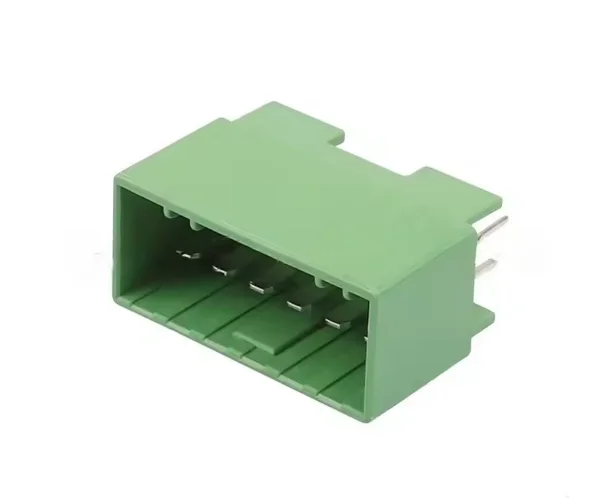
Regulatory Compliance and Quality Standards
When designing for global automotive platforms, your choice of interconnects must align with the specific validation protocols required by your target markets:
USCAR-2 (North American Market):
If you are supplying to North American OEMs, this protocol ensures your systems withstand combined mechanical and thermal stress over their lifespan. To pass, terminal pins must maintain strict minimum retention forces and stable electrical contact resistance under continuous mechanical cycling.
LV214 (European Market):
For European platforms, LV214 focuses heavily on terminal crimp quality. It mandates aggressive multi-axis vibration profiles and slow-motion mating tests to ensure you won’t face hidden micro-cracks or microscopic housing defects in mass production.
Meeting these standards requires more than just premium materials. You need automated optical inspection (AOI) and multi-point dimensional validation at every stage. This zero-defect manufacturing workflow ensures that every automotive connector you source matches these exact performance envelopes without the risk of field failure.
Manufacturing Excellence: How GVEI Meets ADAS Interconnect Challenges
Translating complex ADAS interconnect designs into physical components requires repeatable, high-tolerance manufacturing processes. When producing automotive clusters at scale, even minor dimensional variances can lead to assembly line bottlenecks or early field degradation. Mitigating these risks requires tight integration across mold development, component fabrication, and final quality control.
Controlled Injection Molding:
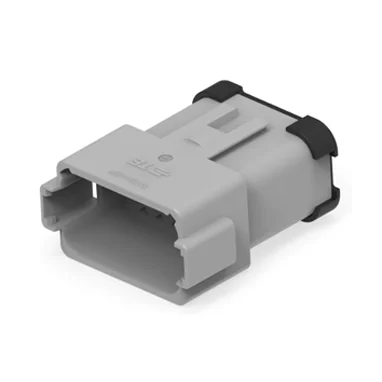
Minimizing housing warpage and ensuring the reliable operation of mechanical locking clips (such as CPA and TPA structures) depends heavily on mold construction and processing stability. Utilizing automated molding cells with engineering polymers helps maintain tight dimensional stability across extended production runs, ensuring the connectors interface correctly during final system integration.
Precision Metal Stamping:
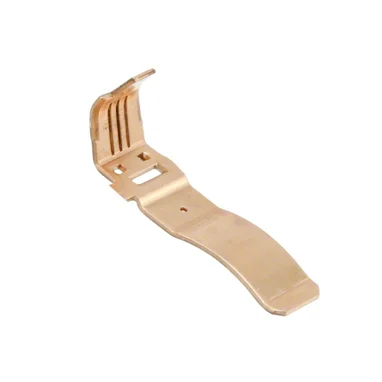
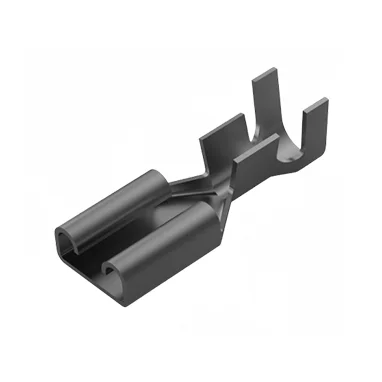
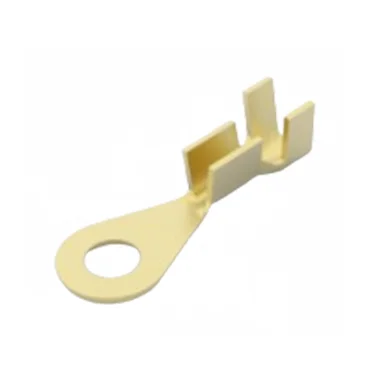
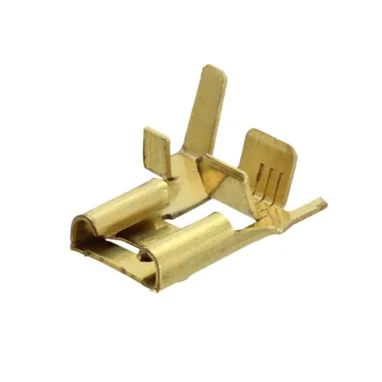
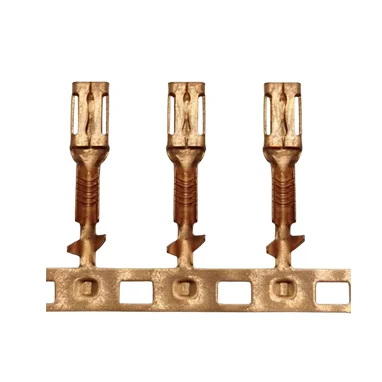
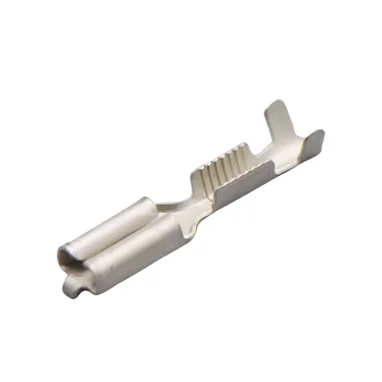
Secure electrical contacts rely on the geometric consistency of the terminal pins. Controlling the stamping dies—specifically the bending radii and carrier strip alignments—is essential to prevent material fatigue. This process ensures stable insertion forces and long-term resistance to micro-disconnections caused by continuous road vibrations.
Integrated Harness Assembly & Inspection:
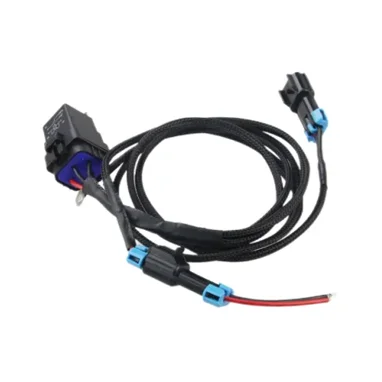
For high-density sensor applications, reliability extends from the PCB interface through the wire assembly. Processing multi-pin wire-to-board solutions requires automated crimping validation and automated optical inspection (AOI) to intercept assembly anomalies early, protecting the critical physical joints before parts leave the factory floor.
By utilizing an IATF-aligned quality management system that encompasses tooling development, plastic molding, stamping, and assembly, manufacturers can provide Tier 1 suppliers with the process traceability and dimensional capability necessary for modern intelligent vehicle projects.
Conclusion
As vehicle architectures become more data-intensive, your choice of interconnect components dictates system reliability. GVEI bridges the gap between complex ADAS specifications and high-tolerance manufacturing. Contact us today to secure certified, high-performance automotive connectors tailored to your precise geometric and environmental project requirements.