Introduction: The Core Dilemma in Wire Termination
When designing electronics for high-vibration and extreme thermal environments, your choice between soldering and crimping dictates long-term system reliability. While both methods join conductors, mechanical stress and mass-production variables demand an analytical trade-off. This guide evaluates how these termination techniques impact structural and electrical integrity in critical automotive applications .
Metallurgy: How Each Method Joins Materials
To balance interconnect performance, you must evaluate how both methods transform the physical wire at a microscopic level.
Soldering:
This thermal process introduces a liquid alloy to bond conductors. A key variable here is “wicking”—the molten solder naturally travels up the stranded wire via capillary action. As it cools, this infusion turns a flexible, vibration-resistant cable into a rigid, solid section.
Crimping:
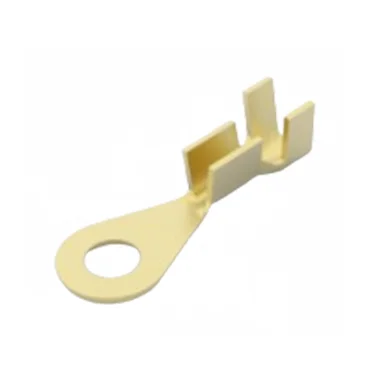
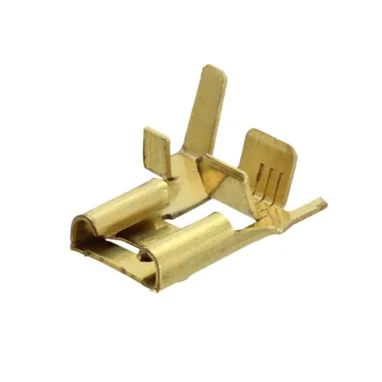
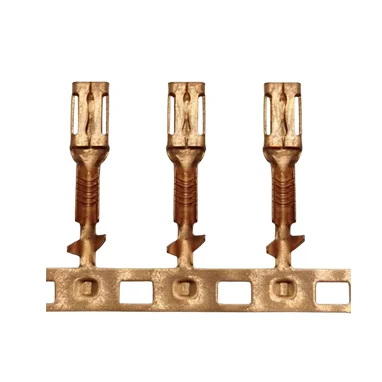
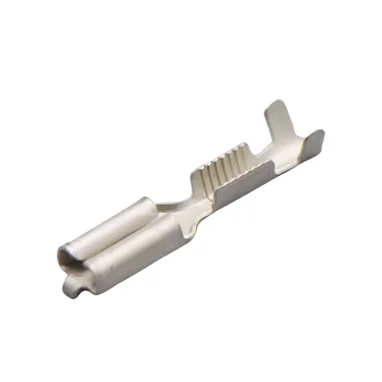
This room-temperature process relies on calculated mechanical force to squeeze the terminal sleeve and copper strands together. Under proper compression, the metals deform to break down surface oxides and establish a gas-tight seal without internal voids, protecting the contact from atmospheric corrosion.
To further understand crimping vs soldering, we analyze how each performs under stress.
Crimping vs. Soldering: Mechanical Performance Under Stress
The structural differences created during assembly directly dictate how each joint behaves under continuous field stress, such as vehicle vibrations or mechanical shocks.
Soldered Performance:
Because soldering hardens the stranded wire, it creates a sharp transition boundary right where the flexible cable meets the rigid, stiffened section. Under continuous movement, this boundary acts as a severe stress concentrator, making the joint susceptible to material fatigue and microscopic cracking over time.
Crimped Performance:
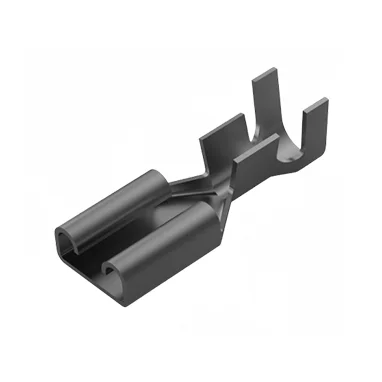
A crimp terminal manages these dynamics by incorporating a secondary rear barrel that grips the outer insulation jacket. This design provides built-in strain relief. When your cables experience movement, structural forces are safely absorbed by the tough outer jacket rather than the delicate electrical joint.
Application Boundaries: Mapping Terminations to Industrial Environments
Making the right interconnect choice requires aligning the termination method with the specific physical and operational constraints of your project. Neither technique presents a universal solution; instead, each occupies a distinct role within automotive and industrial design architectures.
When to Integrate Crimping:
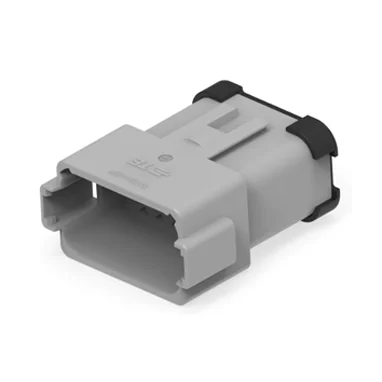
Cold deformation excels in high-volume, high-vibration paths, such as automotive wire harnesses, chassis sensor feeds, and power distribution cabling. Its mechanical strain relief makes it suitable for environments facing continuous dynamic stress, provided that the physical layout allows adequate clearance for standardized terminal housings.
When to Utilize Soldering:
Thermal bonding remains appropriate for high-density, low-profile internal packaging. If your design requires securing micro-conductors to rigid PCBs within enclosed sensor housings—such as compact ADAS radar control modules or internal instrument clusters—soldering provides stable connections where physical space limits the use of mechanical crimping dies.
By mapping these boundaries against your compliance mandates, engineering teams can choose the method that optimizes both manufacturing throughput and long-term field stability.
Conclusion
Selecting between crimping and soldering is not about finding a superior method, but aligning termination characteristics with your application constraints. Whether your project demands mechanical fatigue resistance or high-density board integration, balancing these engineering tradeoffs ensures long-term operational success. Contact us today to discuss your specific interconnect specifications.