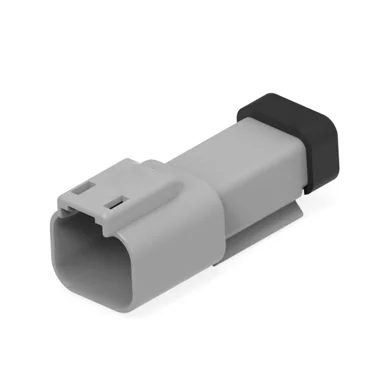
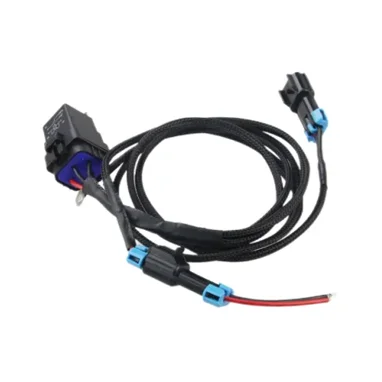
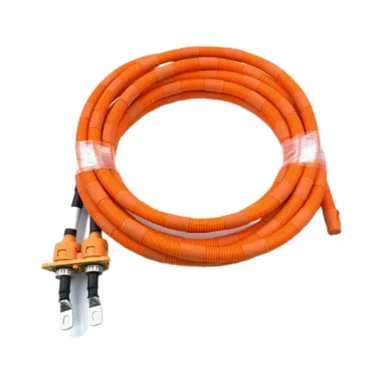
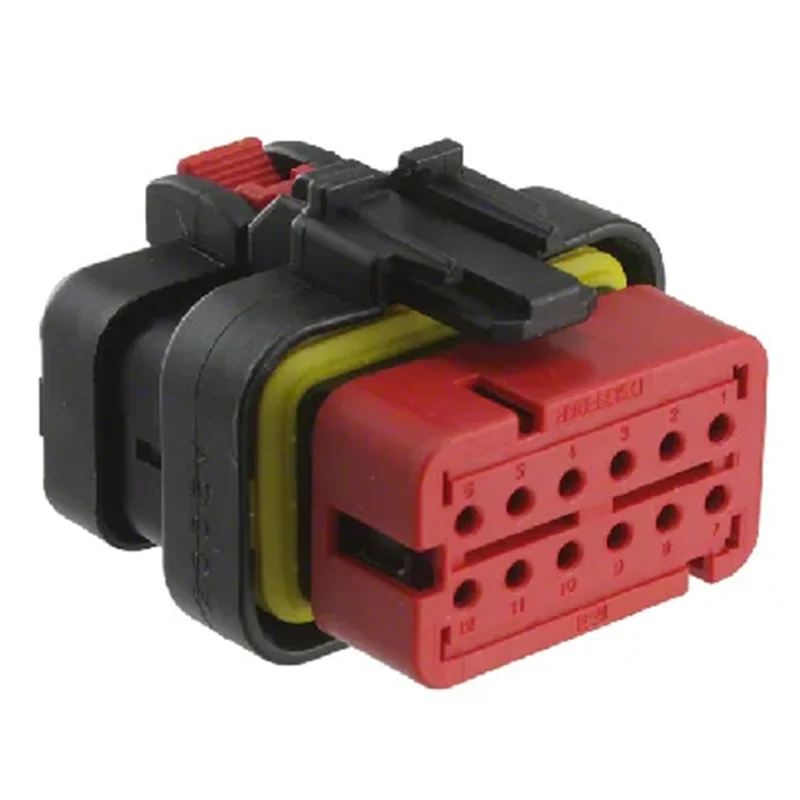
Automotive stamping parts play an important role in vehicle manufacturing. These parts are widely used in structural components, electrical systems, and interior assemblies. Because stamping parts are usually processed further in welding, painting, or assembly lines, their surface quality directly affects the quality of the final product.
In recent years, as stamping workshops have become more stable and automated, many production problems during new model launches have been reduced. However, foreign object contamination has become a more noticeable issue. When small particles or contaminants attach to stamping parts, they can easily cause defects in the next process. Therefore, preventing foreign object contamination is now a key task in automotive stamping production.
What Is Foreign Object Contamination in Automotive Stamping?
In general, foreign objects refer to any unexpected substances that appear on the surface of stamping parts and affect product appearance or performance.
These foreign objects may include glove fibers, oil stains, paint fragments, dust particles, belt debris, and zinc flakes from the material surface. In addition, internal foreign objects such as burrs, material inclusions, or small metal particles may also appear during production. Even very small particles can create visible defects on stamping parts, especially for parts with strict surface quality requirements.
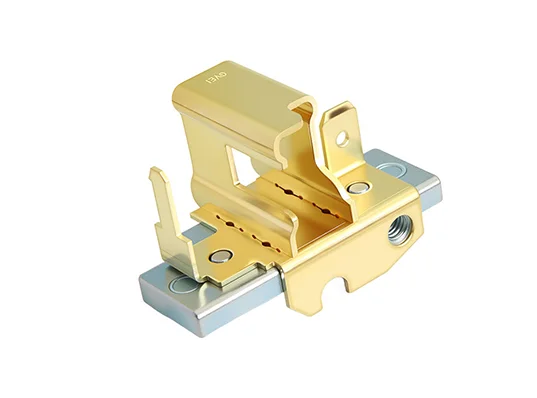
Main Sources of Foreign Objects in Stamping Production
One common source is raw material. Steel coils may carry packaging debris, paper particles, or small surface defects before they enter the stamping line. If these problems are not detected in time, they may remain on the material surface and later cause dents or periodic marks during stamping.
At the same time, foreign objects can also be generated during the production process itself. Conveyor belts, feeding rollers, molds, and mechanical equipment may produce debris after long-term use. Oil stains, paint fragments, and worn metal particles can easily attach to stamping parts if equipment is not cleaned regularly. In addition, glove fibers and cleaning materials used by operators may also become sources of contamination.
Another important source is storage and transportation. Dust in the air, worn pallets, damaged containers, and improper stacking can all introduce foreign objects. These problems may seem small, but they often cause quality issues in welding or assembly processes.
How Foreign Objects Affect the Quality of Stamping Parts
Once foreign objects attach to stamping parts, they can lead to several types of defects. In many cases, the most common problem is surface dents or small bumps. When a foreign particle is pressed between the material and the die surface, it can create a visible mark that affects product appearance.
In addition, foreign objects may cause periodic defects. For example, if a particle sticks to a feeding roller, it may press repeatedly on the material surface and create repeated marks. This type of defect is often difficult to identify at the beginning, but it can seriously reduce the product pass rate during mass production.
Foreign object contamination can also affect welding and assembly quality. Particles attached to the surface may prevent proper contact between parts, which may lead to weak welding or unstable assembly results. Because of these risks, controlling foreign objects is essential for maintaining stable production quality.
Practical Methods to Prevent Foreign Object Contamination
To reduce foreign object contamination, stamping workshops need to focus on cleanliness and process control. Equipment that directly contacts stamping parts must be cleaned regularly. Feeding rollers, conveyor belts, molds, and robotic tools should always be kept in good condition. Regular inspection and maintenance can help detect wear or damage early and prevent debris from spreading during production.
In addition to equipment maintenance, the cleaning process also plays an important role. Cleaning machines should operate with stable parameters, and their performance should be tested regularly. A stable cleaning process helps ensure that stamping parts remain free from contamination before entering the next production stage.
Workplace management is another important factor. Storage areas, transport tools, and workstations should be kept clean at all times. Pallets and containers must be inspected regularly to avoid damage that may produce debris. Operators should also use clean tools and protective equipment to reduce the risk of contamination.
The Importance of High-Quality Precision Stamping Parts
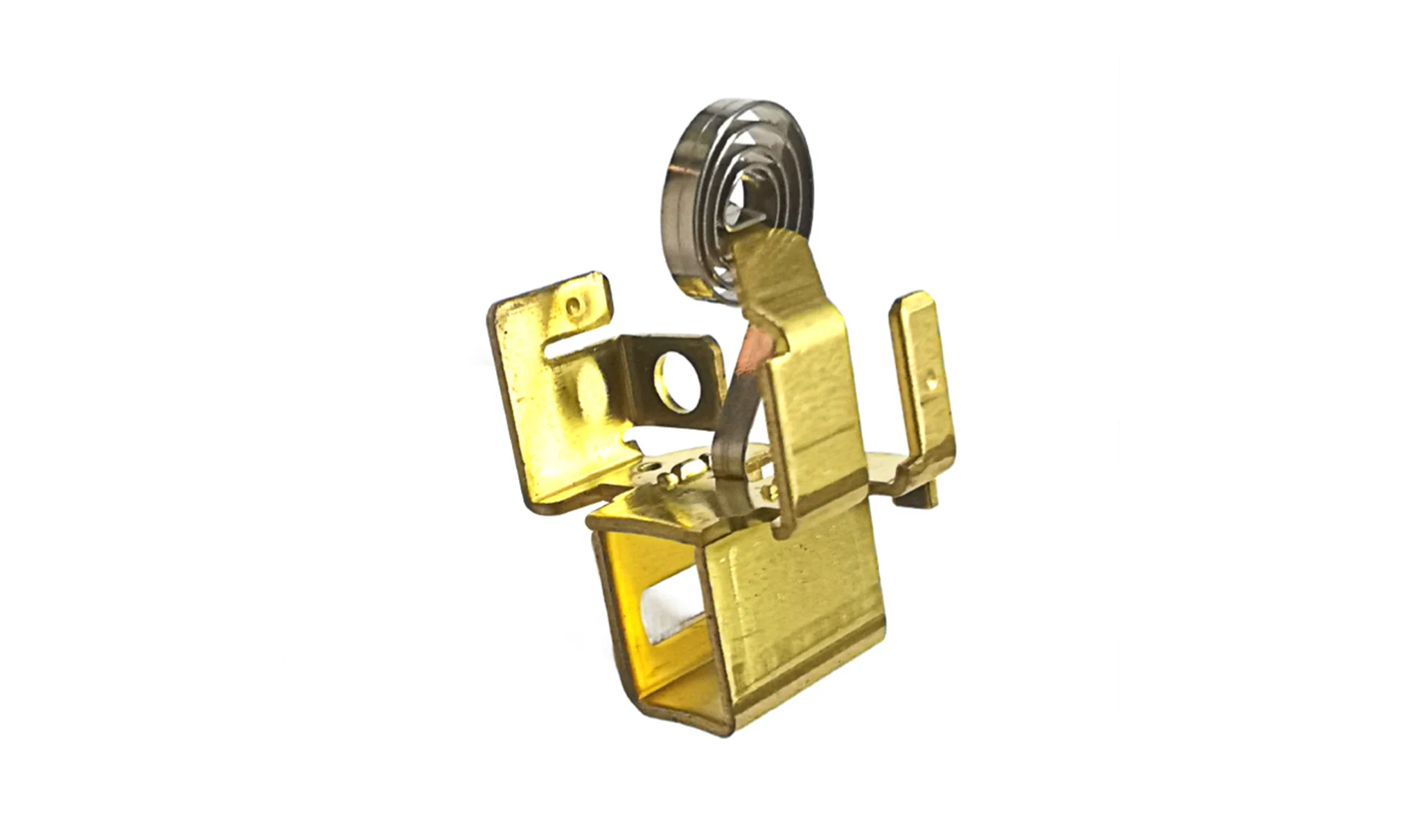
Besides process control, the quality of the stamping parts themselves is equally important. High-precision stamping parts usually have smoother surfaces, fewer burrs, and better dimensional stability. These characteristics help reduce the possibility of foreign objects attaching to the product.
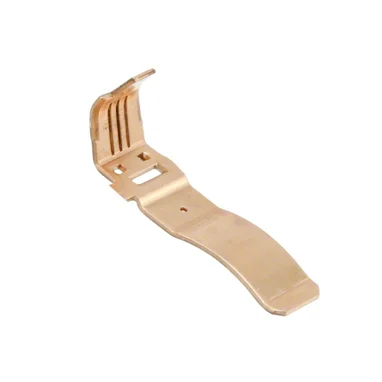
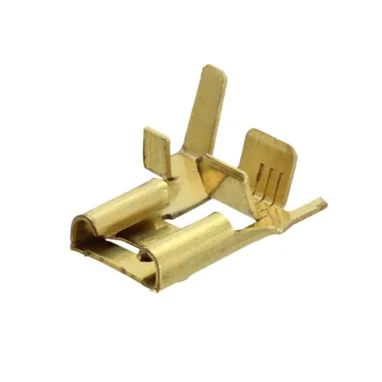
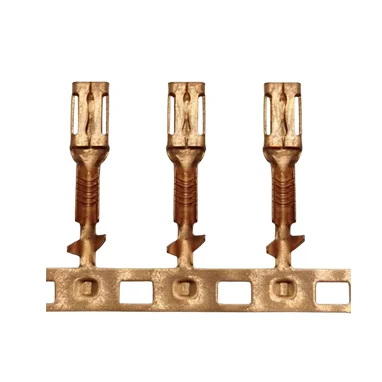
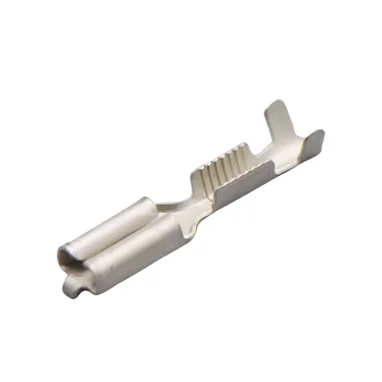
For example, Jingu Auto Parts offers high-quality precision components such as brass PBT metal stamping parts brush holder. This type of product requires stable surface quality and strict dimensional control, which means the manufacturing process must maintain a high level of cleanliness and consistency. By using advanced stamping technology and strict quality inspection, reliable suppliers can help reduce production risks and improve overall product performance.
Conclusion
In summary, foreign object contamination has become an important issue in modern automotive stamping production. Even small particles can cause serious surface defects, reduce product quality, and affect downstream processes such as welding and assembly.
By identifying the main sources of foreign objects, improving equipment cleanliness, stabilizing cleaning processes, and strengthening workplace management, manufacturers can effectively reduce contamination risks. At the same time, working with experienced suppliers who provide high-quality stamping parts can also help improve production stability.
If you are looking for a reliable automotive parts manufacturer, Jingu Auto Parts can support your project with high-quality precision metal stamping components. From advanced production processes to strict quality control, we are committed to providing durable and consistent automotive parts for global customers. Contact Jingu Auto Parts today to learn more about our solutions and how we can support your automotive production needs.