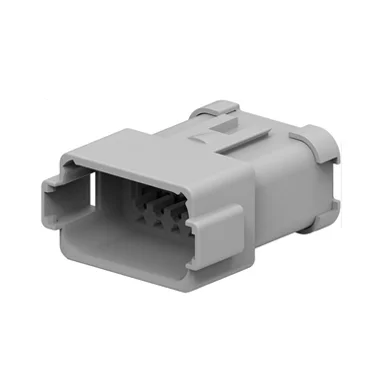
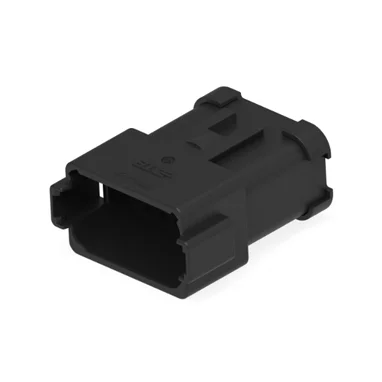
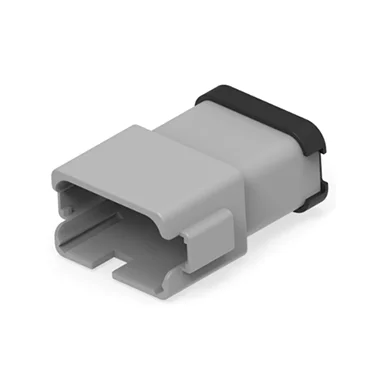
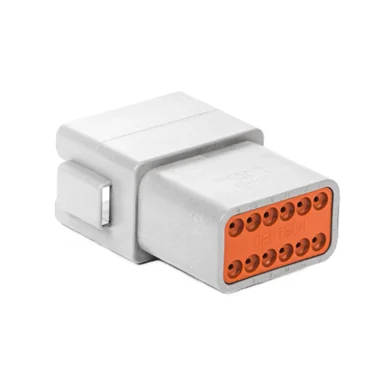
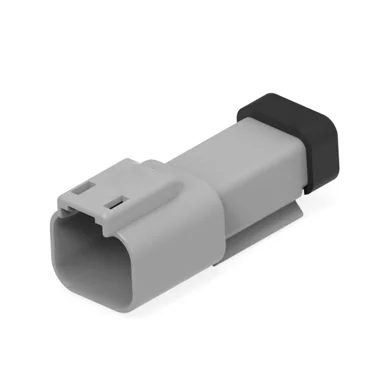
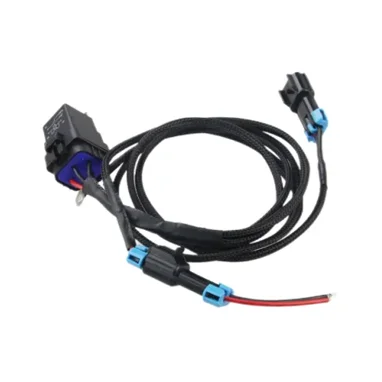
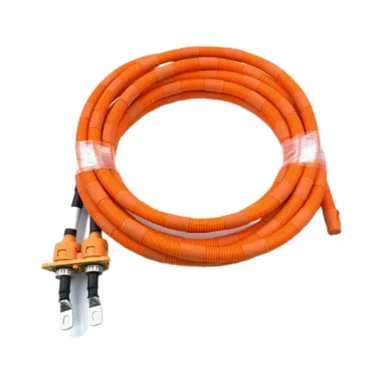
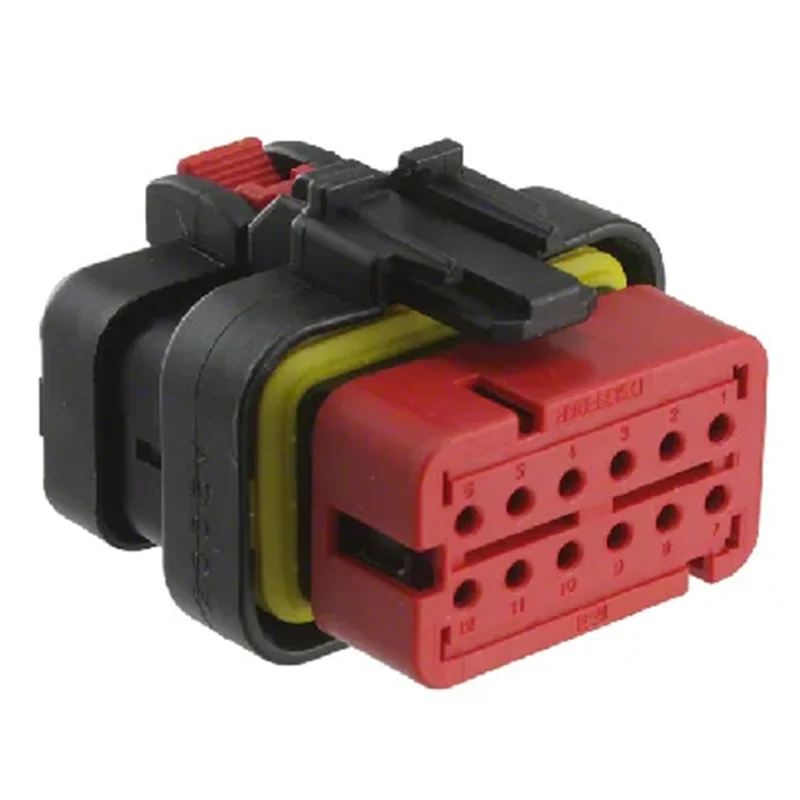
To begin with, automotive wiring harnesses play a critical role in modern vehicles. They connect various electrical components such as sensors, control units, batteries, lighting systems, and infotainment modules. Because these systems rely on stable electrical signals and power transmission, the reliability of wire connections is extremely important.
Traditionally, crimping technology has been widely used to connect wires and terminals in automotive wiring harness manufacturing. This method is simple, cost-effective, and suitable for high-volume production. However, as vehicles become more electrified and require higher current transmission, manufacturers are increasingly exploring advanced connection methods such as ultrasonic metal welding.
Therefore, understanding the differences between ultrasonic welding and traditional crimping is important for improving the reliability and performance of automotive wiring harness systems.
Overview of Traditional Crimping Technology
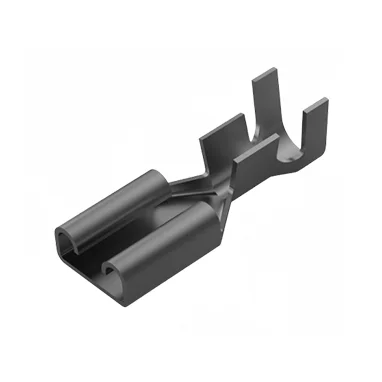
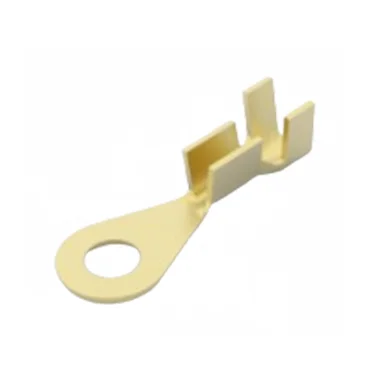
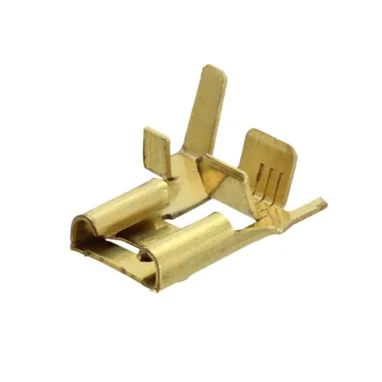
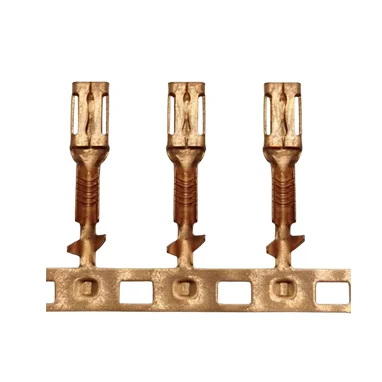
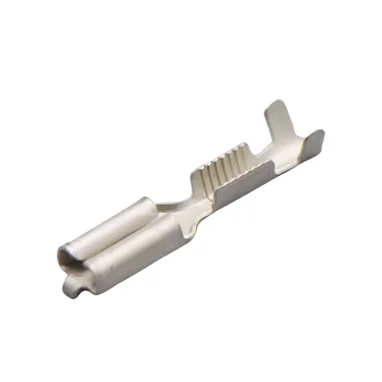
First of all, crimping is a mechanical connection method widely used in the automotive industry. In this process, a metal terminal with a U-shaped structure presses and deforms the copper wire strands. The connection relies on plastic deformation and friction between the copper strands and the terminal.
Because of its simplicity, crimping offers several advantages. The process is well established, the equipment cost is relatively low, and it is suitable for mass production. As a result, crimping is still the most common method for connecting small-gauge wires in automotive harnesses.
However, the structure of a crimped connection also has some inherent limitations. Even after compression, the copper strands remain individual conductors. In addition, the oxide layer that naturally forms on copper surfaces may still exist between the strands. As a result, the electrical path is created through multiple contact points rather than a continuous metal structure.
These characteristics can affect the long-term performance of the connection, especially in environments with vibration or repeated temperature changes.
Principles of Ultrasonic Metal Welding
In contrast to crimping, ultrasonic welding is a solid-state metal joining process that uses high-frequency vibration to form a metallurgical bond between materials.
In automotive wire harness production, ultrasonic welding equipment converts standard electrical power into high-frequency energy, typically around 20 kHz or 40 kHz. This energy is transmitted through a piezoelectric transducer and converted into mechanical vibration. The vibration is then transferred to the welding head.
During welding, the wire strands are pressed together under controlled pressure while high-frequency vibration is applied. The friction generated at the interface breaks the oxide layer on the metal surface and allows the metal atoms to rearrange and bond together. Importantly, the metal does not melt during this process. Instead, a solid-state bond is created.
Ultrasonic welding is commonly used for conductive metals such as aluminum, copper, brass, bronze, silver, nickel, gold, and platinum. In automotive wiring harness manufacturing, it is especially useful for connecting large cross-section wires or combining different metals.
Electrical Performance Comparison
Next, it is useful to compare the electrical performance of ultrasonic welding and crimping.
One important factor is initial contact resistance. In a typical test using a 70 mm² wire and connector, ultrasonic welding usually produces an initial resistance of approximately 1–3 μΩ. This low resistance occurs because the welding process breaks the oxide layer and forms a direct metal bond.
In contrast, crimped connections generally show an initial resistance of about 10–20 μΩ. Since the copper strands remain separate and oxide films may remain on their surfaces, the electrical path includes multiple contact interfaces.
Lower resistance improves current flow efficiency and reduces heat generation in high-current wiring applications.
Thermal Cycling Stability
Another key factor in automotive applications is thermal stability. Vehicles operate in environments where electrical connections experience frequent temperature changes due to engine heat, environmental conditions, and electrical load.
Tests show that ultrasonic welded joints can maintain stable performance even after approximately 10,000 thermal cycles. The integrated metal structure helps maintain consistent electrical and mechanical properties.
Crimped connections behave differently. Because the connection relies on plastic deformation, the copper strands may gradually change shape during repeated heating and cooling. In many cases, resistance begins to increase after 2,000 to 3,000 thermal cycles as the strands become thinner, longer, and slightly loosened.
Resistance to Vibration and Mechanical Stress
Automotive electrical systems are also exposed to constant vibration from road conditions, engine operation, and vehicle movement. Therefore, the mechanical stability of wire connections is critical.
Ultrasonic welded joints generally maintain stable tensile strength and electrical resistance during long-term vibration testing. The welded structure behaves as a unified metal connection.
In comparison, crimped joints may gradually lose mechanical strength over time. Because the copper strands remain separate, vibration can slowly change the structure of the compressed strands. This process may reduce tensile strength and increase electrical resistance.
Application Range in Automotive Wiring Systems
When selecting a connection method, the wire size and application environment are important considerations.
Crimping is widely used for small and medium wire sizes, typically from 0.25 mm² to about 35 mm². It is commonly applied in signal wiring, control systems, and standard connector terminals.
Ultrasonic welding, on the other hand, can support a wider range of applications. It is often used for larger wire sizes, from approximately 0.75 mm² up to more than 100 mm². This makes it suitable for high-current connections such as battery cables, power distribution lines, and electric vehicle systems.
Another advantage of ultrasonic welding is its ability to connect different materials, such as copper and aluminum. In addition, it can join wire-to-wire, wire-to-terminal, and even sheet metal connections.
Advantages of Ultrasonic Welding in Wiring Harness Manufacturing
Overall, ultrasonic welding offers several practical benefits for automotive wiring harness production.
First, the process is extremely fast, allowing welds to be completed in a very short time. This makes it suitable for automated manufacturing lines. Second, ultrasonic welding consumes relatively little energy compared with traditional thermal welding processes.
Additionally, welded joints typically provide high mechanical strength and excellent electrical conductivity. Since the process does not require flux, filler materials, or shielding gases, it also simplifies production and reduces material usage.
Another important advantage is safety. Because ultrasonic welding does not produce sparks or open flames, it reduces the risk of fire during manufacturing.
Conclusion
In summary, both crimping and ultrasonic welding play important roles in automotive wiring harness manufacturing. Crimping remains a widely used solution for small-gauge wires due to its simplicity and cost efficiency.
However, ultrasonic welding provides clear advantages in applications that require lower electrical resistance, higher mechanical strength, and improved long-term stability. These characteristics make it particularly valuable in high-current systems and modern vehicle electrical architectures.
As automotive electrical systems continue to evolve, manufacturers increasingly combine different connection technologies to achieve the best balance between performance, reliability, and production efficiency.
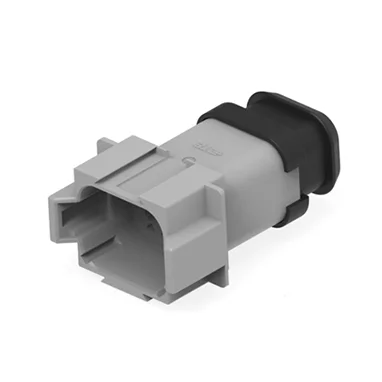
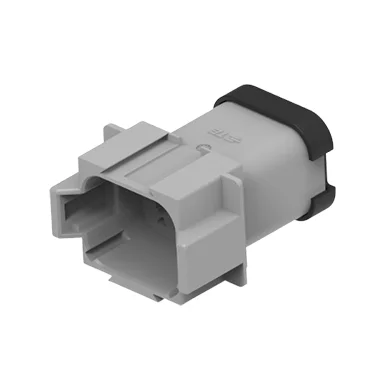
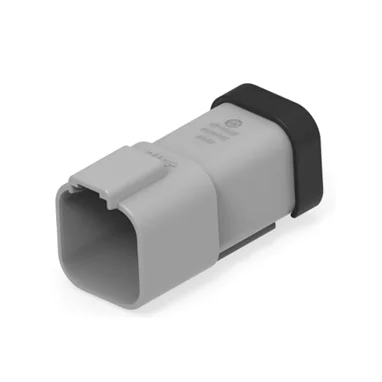
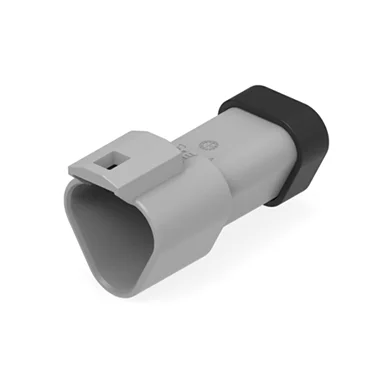
If you are looking for reliable components for automotive electrical systems, Jingu can support your project. As an experienced automotive connector manufacturer, Jingu provides high-quality connectors and precision components designed for demanding automotive wiring harness applications.
Contact Jingu today to learn more about our connector solutions and how we can help improve the reliability and performance of your automotive electrical systems.