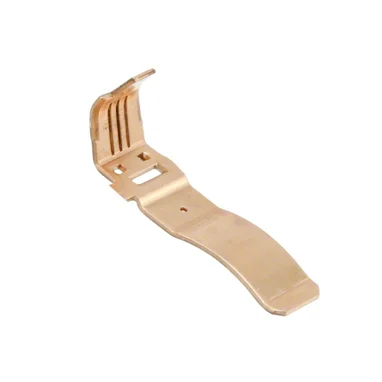
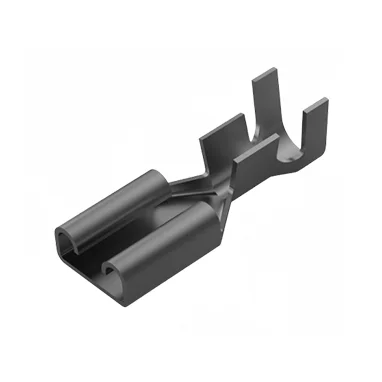
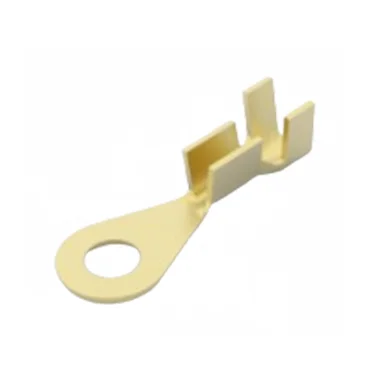
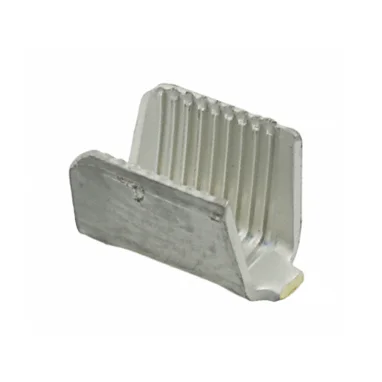
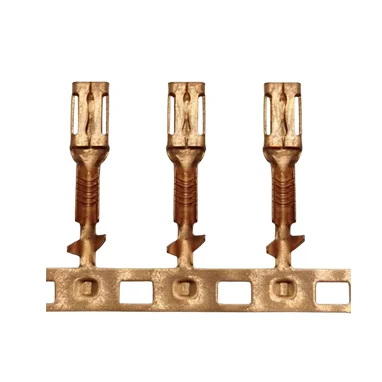
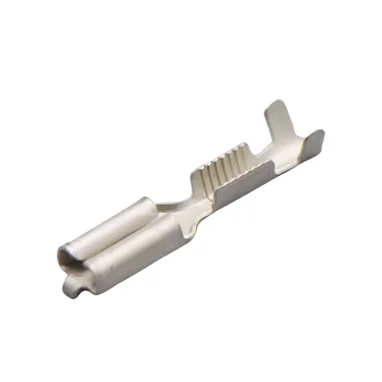
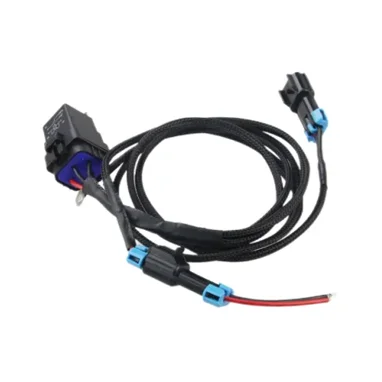
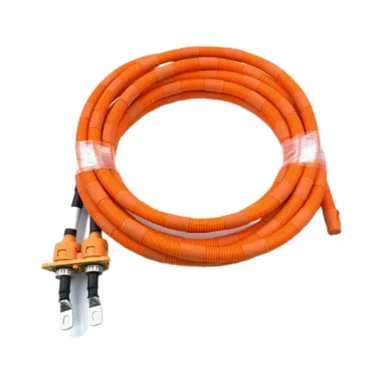
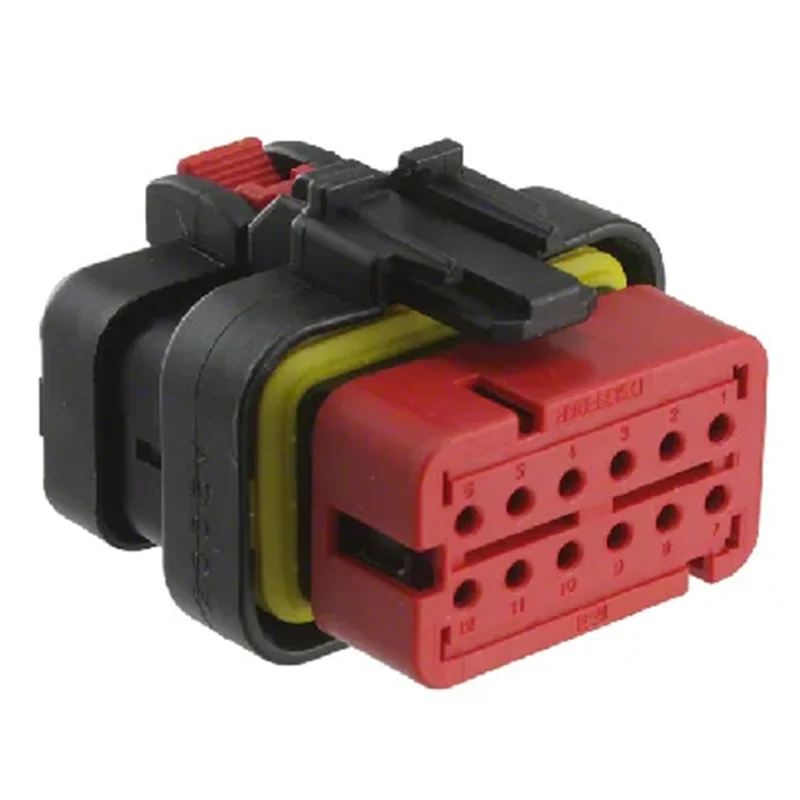
Selecting the correct AWG automotive tin terminals is vital for the thermal stability of EV battery harnesses. If you are an engineer optimizing high-voltage systems, this guide helps you navigate current-carrying requirements and crimping standards to prevent terminal connection issues and ensure reliable power distribution in your electric vehicles.
Automotive Tin Terminals & EV Harness AWG Standard
Why Tin Plating Is Mandatory for EV Battery Terminals
In the humid and high-temperature environment of a battery pack, bare copper terminals are highly susceptible to oxidation. Tin plating acts as a vital barrier, preventing oxidation and mitigating fretting corrosion caused by the micro-vibrations inherent in vehicle operation. Unlike bare terminals, tin-plated versions maintain stable contact resistance throughout the battery’s lifecycle.
AWG Numerical Rule for Automotive Wiring
Automotive wiring follows the American Wire Gauge (AWG) logic, where a smaller numerical value represents a thicker conductor and higher ampacity. For most control modules and BMS sensor wiring, 14–20AWG is the industry standard range.
AWG-Tin Terminal Matching Core Table
| AWG Size | Safe Continuous Current (EV Battery) | Suitable Terminal Barrel | Typical EV Application |
| 20AWG | ≤8A Signal Circuit | Small tin tab terminal | BMS sensor wiring |
| 18AWG | 8–13A Auxiliary Power | Medium stamped terminal | Battery monitoring line |
| 16AWG | 13–22A Low-voltage Distribution | Standard tin terminal | Module interconnect |
| 14AWG | 22–32A Main BMS Harness | Thick-wall tin terminal | Battery pack main loop |
Four Core Judgment Dimensions for AWG Tin Terminal Selection
Actual Current Load of EV Battery Circuits
Engineers must distinguish between low-current signal lines and main power loops. Within the sealed environment of a battery pack, thermal derating is essential; therefore, ensure that the terminal’s ampacity comfortably exceeds the circuit’s peak continuous load.
Terminal Barrel & Wire AWG Fit Tolerance
A loose barrel leads to high contact resistance and potential arcing, while an undersized barrel can crush or sever wire strands. Maintaining the correct fit is critical to meeting IATF16949 pull-force requirements.
Tin Plating Thickness & Environmental Resistance
Thin plating wears quickly under vibration. For commercial electric vehicles that demand extended service life, specifying terminals with sufficient tin plating thickness is a necessary design decision.
Compatible Connector Series AWG Matching
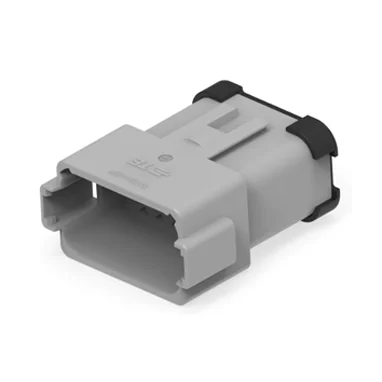
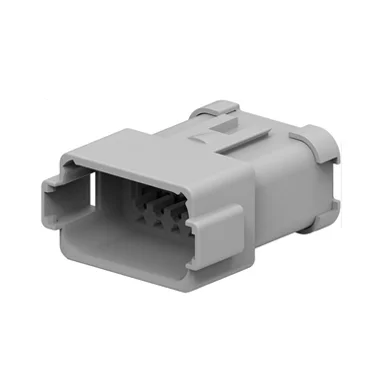
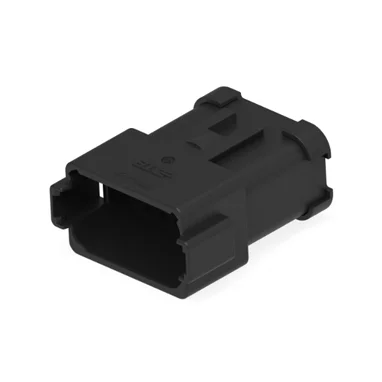
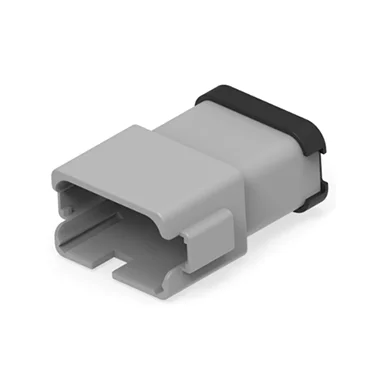
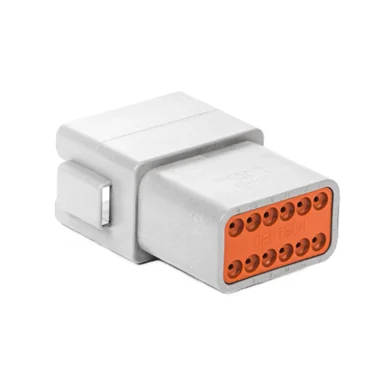
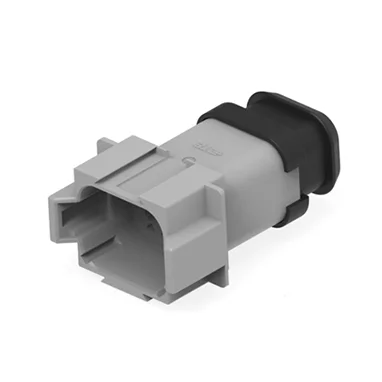
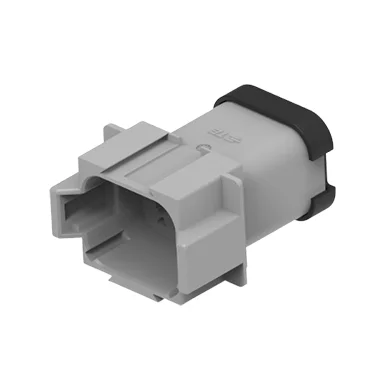
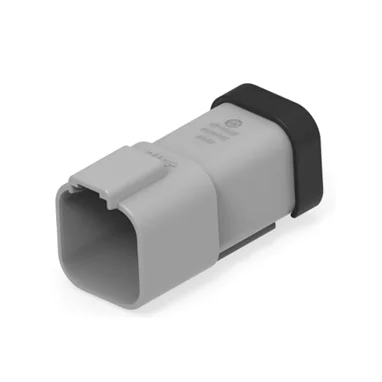
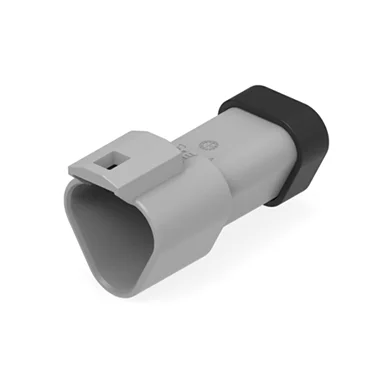
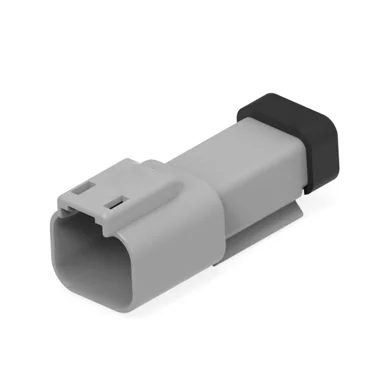
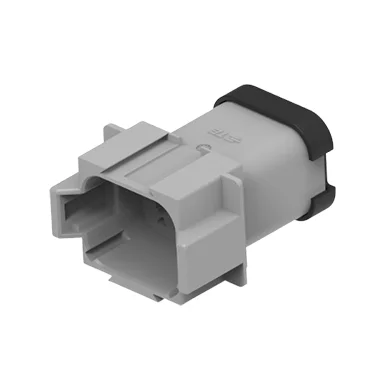
Selecting terminals that are fully compatible with established connector series, such as DT series or SUPERSEAL, simplifies inventory management and ensures consistent mechanical performance across the harness.
Scene-Based AWG Matching Principles
New Energy Vehicle EV Battery Harness
For BMS signal lines, 18/20AWG terminals are preferred for their compact size. Battery module interconnections typically utilize 14/16AWG thick-walled terminals, while heavy-load commercial battery packs often upgrade to 10/12AWG large tin lugs to manage higher currents.
Lithium Power Tool Battery Harness
Internal control boards for tools like mowers or trimmers require 18–20AWG miniature tin terminals. Using GVE’s specialized components with anti-shock structural optimizations helps prevent fatigue in high-vibration handheld applications.
Step-by-Step Standard AWG Terminal Selection Workflow
Calculate Load: Determine max continuous current and add a 20% safety margin.
Define Wire: Confirm the AWG specification of the finished harness.
Match Barrel: Select a terminal with an inner diameter that matches the wire conductor.
Verify Plating: Ensure tin thickness aligns with the vehicle’s service environment.
Validate Compatibility: Confirm the terminal fits the intended connector housing (e.g., DT/SUPERSEAL).
Test: Perform pull-out and contact resistance sampling before mass production.
Common AWG Mismatch Failures & Optimization Solutions
Thin Wire and Overlarge Tin Terminal
Using a terminal barrel that is too large for the wire results in a weak crimp, leading to localized heating. The solution is to switch to a specific small-barrel 18/20AWG terminal that provides proper mechanical compression.
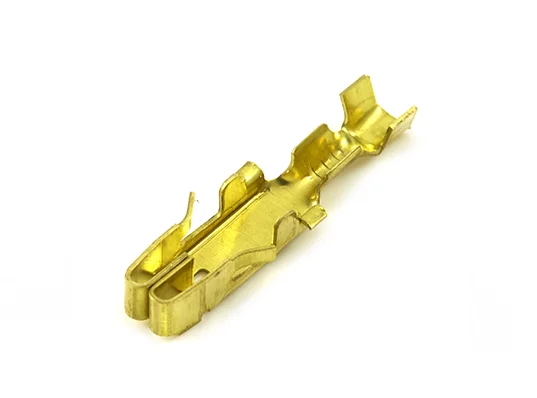
Thick Wire + Undersized Terminal
Forcing thick wires into undersized barrels damages the copper strands, creating a brittle connection. Upgrading to the correct 14AWG thick-wall terminal is mandatory for circuit integrity.
Thin Tin Plating for Commercial EV
Plating peel-off after thousands of vibration cycles is a common failure in thin-plated components. Upgrading to high-grade thick-tinned automotive terminals provides the durability required for long-term fleet operation.
Conclusion
Optimizing your AWG selection is key to ensuring consistent thermal management in EV battery systems. Please reach out to our engineering team with your harness requirements, and we will provide the appropriate technical datasheets and a project-specific quotation to support your design needs.