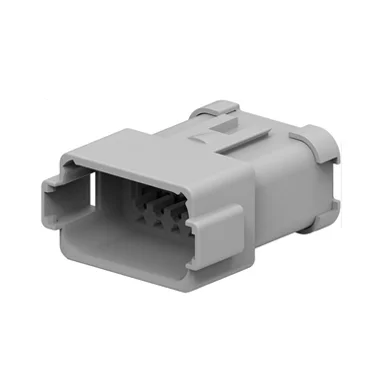
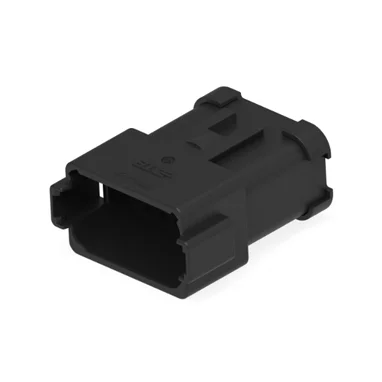
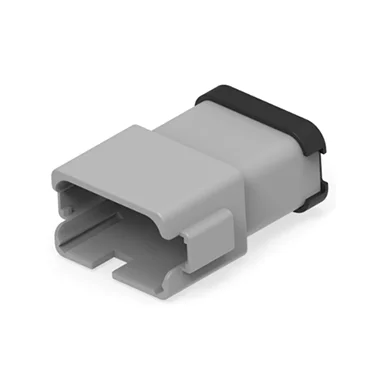
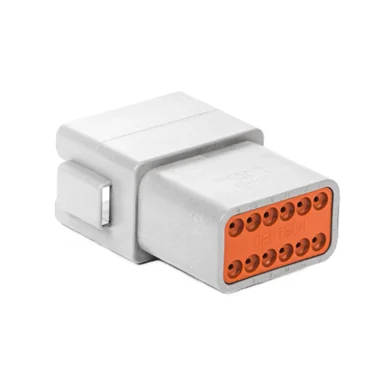
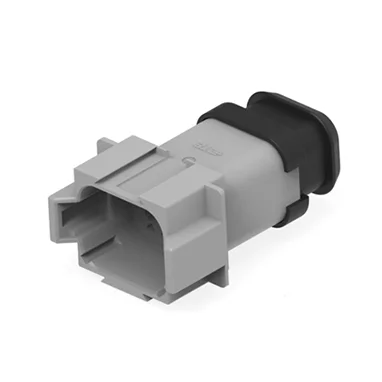
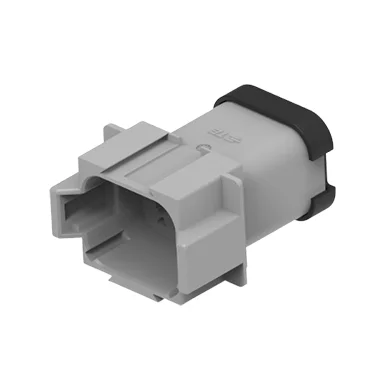
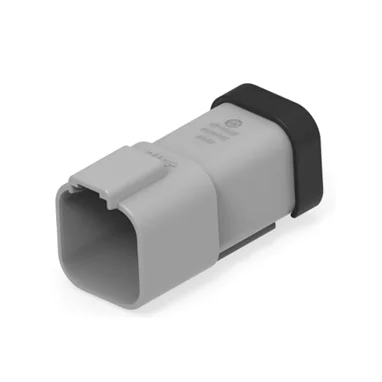
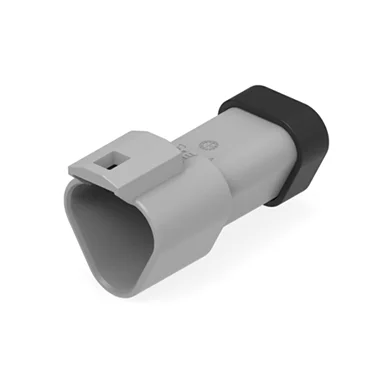
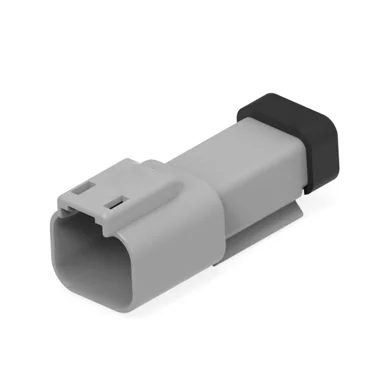
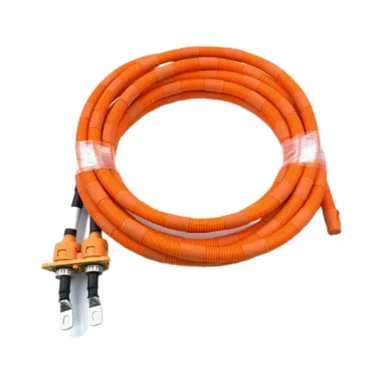
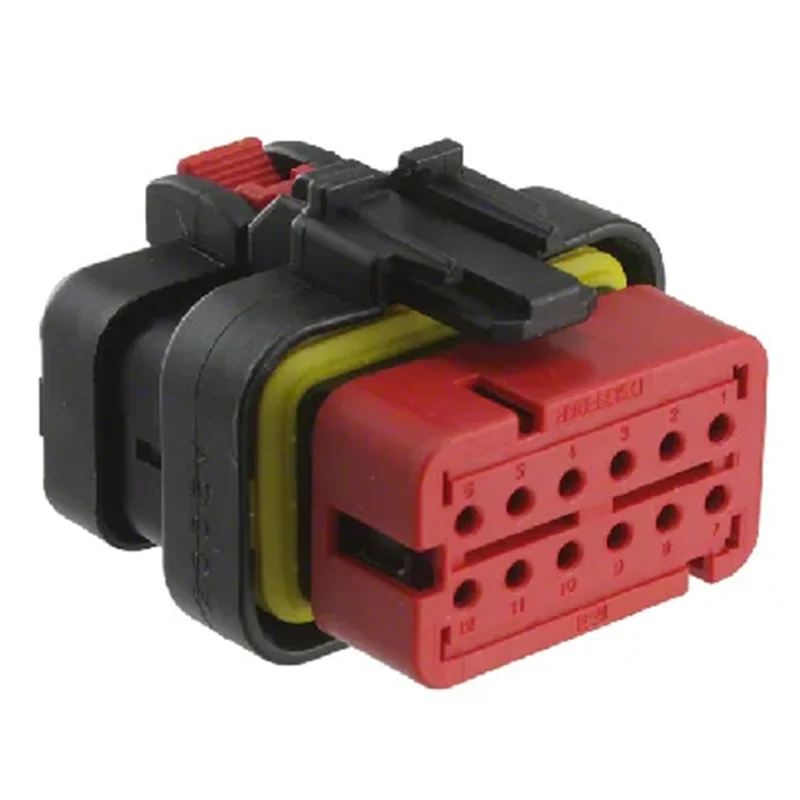
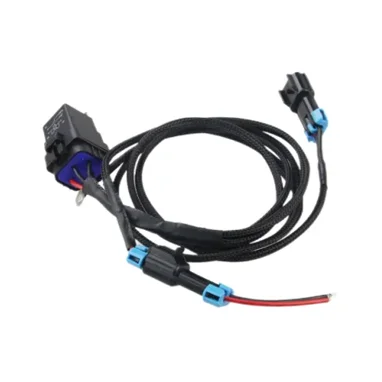
A sealed connector can carry an IP rating and still leak after it is assembled into a harness. The wire may fall outside the rear-seal diameter range. A terminal may stop before its locked position. An unused cavity may lack a sealing plug. Water may enter through a splice, branch or housing pass-through that was never included in the connector test.
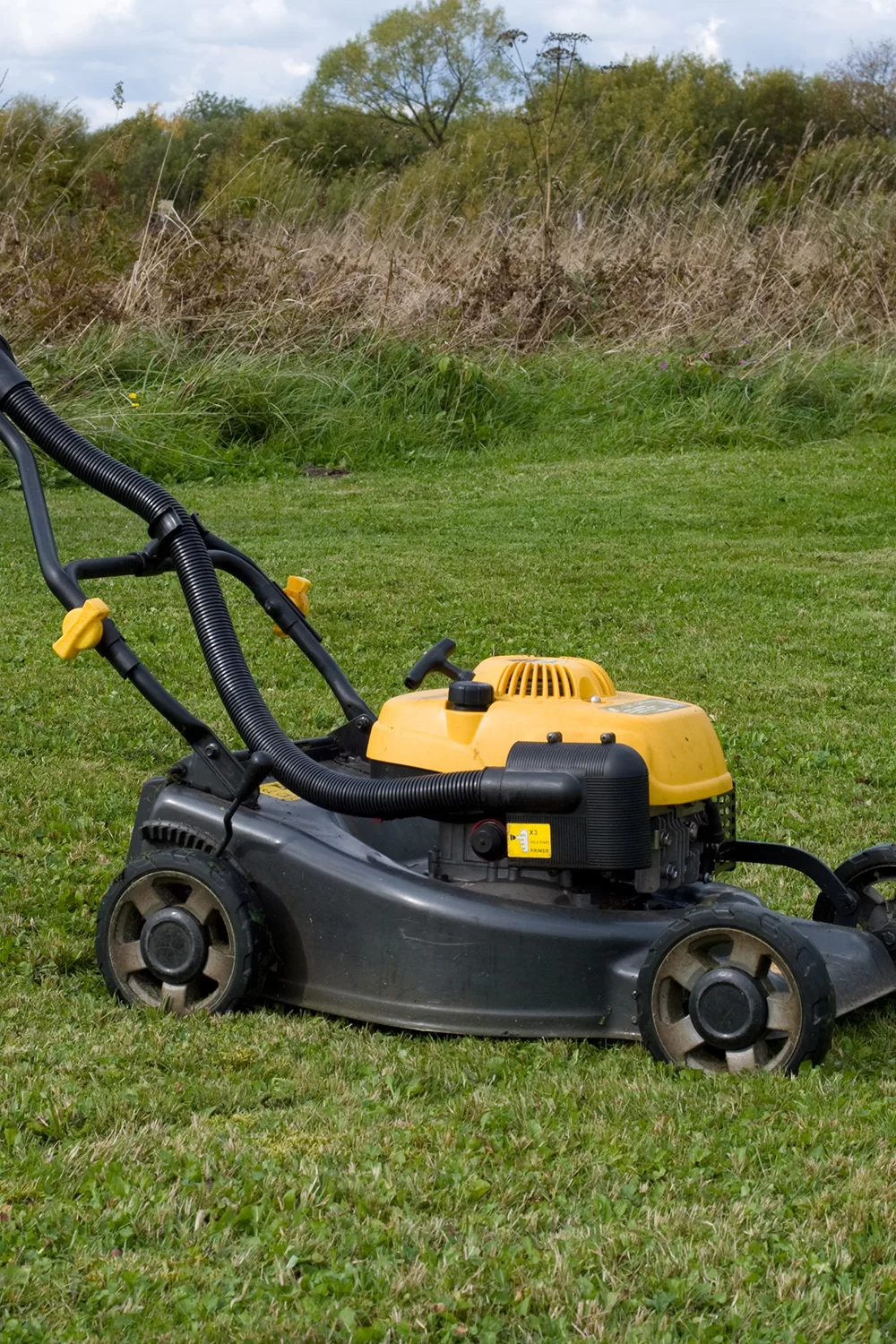
A waterproof cable harness for outdoor tools must therefore be designed around the complete ingress path. Rain is only one condition. Lawn equipment, trimmers, saws and other outdoor power tool components may also face wet grass, mud, dust, condensation, cleaning water, vibration, sunlight and temperature changes. The required protection depends on the tool, installation and maintenance method.
Define the Outdoor Exposure Before Selecting a Seal
Begin by describing where the tool is used, stored and cleaned. “Outdoor use” is not a test condition. Record whether the harness sees falling rain, splash from wheels or cutting heads, wet vegetation, standing water, temporary immersion or a directed cleaning jet. State the exposure direction, duration, frequency and water temperature.
Add contaminants that can change seal performance. Fine dust may collect on a mating face. Mud can prevent a latch from closing. Grass residue, fertilizer, oil, fuel or cleaning chemicals may affect a jacket, gasket or adhesive. Condensation can appear inside a housing even when liquid water does not cross an external seal.
Map the thermal and mechanical conditions at the same time. Record the minimum storage temperature, operating temperature near motors and batteries, temperature changes during use, vibration sources, repeated bending and cable pulling. These conditions can alter seal compression, material stiffness and adhesion.
| Exposure | Question to define | Design area affected |
|---|---|---|
| Rain or splash | Direction, duration and frequency | Connector orientation, drainage and interface seal |
| Temporary immersion | Depth, time and connector state | All entries, branches, splices and cavities |
| Cleaning water | Pressure, temperature, distance and angle | Seal structure, locking and material resistance |
| Condensation | Humidity and temperature cycle | Internal corrosion, drainage and venting |
| Mud and fine particles | Particle size, abrasion and accumulation | Mating surfaces, latches, jackets and conduits |
Use the IP Rating as a Test Requirement
The IP Code defined by IEC 60529 classifies protection provided by enclosures. The first digit addresses access and solid particles. The second addresses water. Each water digit represents a defined test approach; the numbers should not be treated as interchangeable marketing levels.
The project specification must identify the protected boundary. Is the rating required for a mated connector pair, the finished harness, the harness-to-housing interface or the complete tool? A connector result does not cover a branch joint or a cable entry elsewhere in the assembly.
Record every condition attached to the selected connector system: mating state, backshell, interface gasket, individual wire seals, cavity plugs, cable range and locking accessories. Manufacturer documents may make the stated protection dependent on these parts. TE’s sealed product guide, for example, presents ingress protection as a property of defined connector configurations.
For an immersion requirement, define depth, time, orientation and acceptance criteria rather than writing “IP68” alone. For a jet requirement, define the applicable method and installation state. If the product is exposed to salt, chemicals or contaminated water, add a separate material and corrosion assessment because a clean-water ingress test does not answer those risks.
Map Every Possible Water-Ingress Path
Review the harness from the connector face to the far end. Mark every point where water can cross the intended boundary or travel inside the assembly:
- The seal between mated connector housings
- Individual wire seals or a multi-cavity rear mat seal
- Unused cavities and sealing plugs
- Terminal exits and insulation transitions
- Splices and branch breakouts
- Ends of sleeves, braid and corrugated conduit
- Overmold-to-jacket or potting-to-housing interfaces
- Grommets and cable entries through the tool housing
- Damage points where water could wick along strands or internal gaps
Match the wire to the rear seal
The rear seal needs the actual insulation outside diameter rather than the conductor gauge alone. Two wires with the same conductor area may use different wall thicknesses and finished diameters. Confirm the seal bore range, wire roundness and surface condition. A wire that is too small may leave a leak path; one that is too large may damage or distort the seal during insertion.
Check that stripping, crimping and handling do not cut the insulation in the sealing zone. The terminal must be fully inserted and locked without dragging a damaged seal into the cavity. Empty positions need the specified plugs installed to the correct depth.
Block branch and internal wicking paths
A connector can remain dry at its face while water enters through a splice or damaged jacket and travels toward the electronics. If the project requires an internal water block, define where it must sit and what pressure or exposure it must resist. Potting, blocked cable constructions or sealed splices may be considered, but the method must be qualified with the selected wire and materials.

Compare Sealing Structures by Their Function
No single sealing process solves every location. Select each feature according to the boundary it protects, the required service access and the manufacturing controls available.
| Structure | Primary function | Items to verify |
|---|---|---|
| Interface gasket | Seals the mated connector faces | Compression, surface condition, latch and mating position |
| Individual wire seal | Closes the rear cavity around one wire | Wire diameter, seal part number, insertion and damage |
| Mat seal and cavity plugs | Seals multiple wire entries and empty positions | Terminal seating, plug placement and seal distortion |
| Overmold | Encapsulates a cable-to-connector transition | Material bonding, voids, surface preparation and stiffness |
| Potting | Fills a cavity or forms an internal water block | Mixing, penetration, cure, adhesion and repairability |
| Adhesive-lined heat shrink | Provides localized sealing and mechanical protection | Recovery, adhesive flow, overlap and edge condition |
| Grommet or cable gland | Seals the harness where it crosses an enclosure | Cable diameter, compression, housing tolerance and pull load |
Overmolding should not be selected by appearance. The compound must work with the connector housing and cable jacket. Surface contamination, trapped air, poor filling or a rigid transition can create a defect that appears only after thermal cycling or flexing. Potting also needs a controlled mix, dispensing process and cure condition.
Select Materials for Temperature and Outdoor Aging
A seal must retain its function across the defined temperature range. At low temperature, a jacket or elastomer may become less compliant. At high temperature, a compressed seal may lose recovery or an adhesive bond may weaken. Repeated expansion and contraction can load the boundary between different materials.
Review each material pair: wire insulation to rear seal, cable jacket to overmold, gasket to connector housing, potting to cavity, and grommet to tool enclosure. Add UV, ozone, oil, fuel, fertilizer or cleaner exposure where relevant. A material described as water resistant may still be unsuitable for another liquid or for the required temperature cycle.
The specification should identify controlled material grades or performance requirements. Ask for data that matches the proposed wire, seal and molding compound. Do not accept a generic polymer name as the complete material definition. Written approval should be required before a supplier changes a wire jacket, seal, adhesive, resin or molding source.
Protect Seals From Vibration and Cable Movement
Waterproofing and mechanical design share the same interfaces. Motor vibration, handling, cable pull and repeated bending can move the wire inside a rear seal or load the connector latch. A harness that passes an ingress test while stationary may become marginal after its route changes under use.
Use strain relief to move force away from the sealing and terminal zones. Define the first clamp, free length, bend direction and minimum routing space. A clamp placed too close to the connector can force motion into the seal. A loose route can rub the jacket against an edge. A stiff overmold can move the bend to its end.
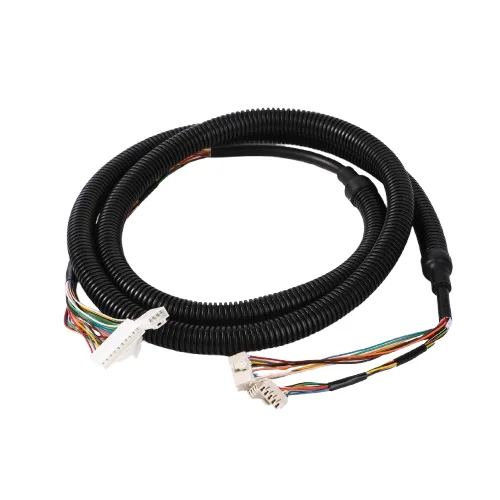
Protective conduit can reduce abrasion, but its ends, joints and branches still need review. Conduit alone should not be presented as a waterproof barrier unless the complete construction has been validated for that purpose.
Separate Design Validation From Production Testing
Design qualification
Design qualification should reproduce the defined field risks. The plan may include the specified ingress test, temperature cycling, humidity or condensation, vibration, shock, repeated flexing, pull loading and exposure to relevant fluids. Select only the tests supported by the product requirement and risk analysis.
Test sequence matters. A new sample may pass immersion before its seals experience vibration or temperature cycling. If field risk includes combined stresses, condition the sample mechanically or thermally and then repeat the ingress check. Monitor electrical function before, during or after testing as required by the approved procedure.
First article and pilot run
First-article samples should use production wire, seals, connectors, molding compounds, tooling and equipment. Include samples near relevant dimensional limits, such as the low and high ends of the wire-to-seal range. Record material lots, process settings and assembly instructions so the approved construction can be transferred to pilot production.
Production end-of-line control
Do not use “100% waterproof tested” without describing the method. A complete IP test may be unsuitable for every unit because of test duration, water retention or destructive inspection. A production plan may combine full visual and electrical checks, controlled process parameters, a validated air-leak method and scheduled water-ingress samples.
The supplier should state which checks apply to every harness, which are sampled, how frequently samples are tested and how the production method correlates with design qualification. Test equipment, fixtures and acceptance limits need calibration or verification appropriate to the method.
Control Critical Sealing Features in Volume Production
| Critical feature | Failure risk | Production control |
|---|---|---|
| Wire outside diameter | Seal bypass or assembly damage | Incoming specification and dimensional check |
| Seal and plug part numbers | Wrong part or missing cavity protection | BOM control, kitting and mistake-proofing |
| Terminal seating | Seal distortion or unlocked contact | Insertion check and controlled retention verification |
| Connector mating | Incomplete interface compression | Fixture, latch confirmation or position check |
| Overmold or potting process | Void, poor bonding or incomplete cure | Material lot, preparation, parameters and periodic audit |
| Clamp and strain-relief position | Movement at the sealing boundary | Assembly fixture and dimensional inspection |
Keep the approved sample, drawing, BOM, work instruction, fixture revision and test program under change control. A change in wire diameter, jacket material, seal source, connector accessory, dispensing process or clamp position can affect sealing and may require requalification.
Prepare a Comparable Waterproof Harness RFQ
When sourcing a waterproof cable harness for outdoor tools, send each supplier the same exposure and test definition. Include the tool type, installation location, circuit drawing, wire sizes, connector details, unused cavities, water and dust conditions, temperature range, vibration, movement, chemicals, service requirements and target production volume.
Ask the supplier to return the proposed sealing boundary, connector and seal part numbers, wire-diameter compatibility, splice and branch treatment, housing-entry design, materials, technical exceptions, prototype plan, qualification sequence and volume test plan. Request separate identification of tests performed on every unit and tests performed by sampling.
A quotation should also state tooling, minimum order quantity, sample schedule, production lead time, traceability and change-notification process. This information makes technical and commercial offers comparable.
Common Waterproof Harness Mistakes
- Applying a connector IP rating to the complete harness without assembly testing
- Leaving the mated or unmated connector state undefined
- Checking conductor gauge but not insulation outside diameter
- Leaving unused cavities without the specified plugs
- Sealing the connector while ignoring branches, splices and housing entries
- Using conduit as proof of waterproofing
- Qualifying a new sample without thermal or mechanical preconditioning
- Changing wire, seal or molding material without rechecking compatibility
- Calling a production air test an IP certification test
- Failing to define production sampling and traceability
How GVEI Can Support a Custom Harness Review
GVEI lists custom power tool wire harnesses for electrical tooling applications. Its current product page states that harness size, length and connector type can be customized for different tool models. The page also describes custom test and build boards with revision control.
GVEI’s broader product range includes power tool parts, wire harnesses, terminals and connector products. The exact sealing structure, IP target, environmental tests and production inspection plan must still be confirmed for each outdoor-tool project. No waterproof rating should be assigned until the proposed assembly and test boundary are defined.
Frequently Asked Questions
What IP rating does an outdoor tool harness need?
The answer depends on the real exposure and protected boundary. Define rain, splash, immersion, cleaning, dust and connector state, then select the applicable test requirement.
Does an IP67 connector make the complete harness IP67?
No. The rating applies to the tested connector configuration. The wire seals, plugs, branches, splices, cable entries and installed assembly need separate review.
What is the difference between IP67 and IP68?
They represent different water-ingress test conditions. The project must reference the applicable standard and define the conditions required for its assembly, especially for IP68.
How is a wire matched to a connector seal?
Compare the actual insulation outside diameter with the seal’s approved range. Also check surface condition, roundness, terminal system and insertion process.
Can overmolding replace connector seals?
Only if the complete overmolded design is qualified for the required boundary. Material bonding, voids, stiffness and cable movement must be evaluated.
How can internal water wicking be addressed?
Identify where damaged cable could admit water and where an internal block is required. Validate the selected blocked cable, sealed splice, potting or other method under the project conditions.
Should ingress testing follow vibration or temperature cycling?
Yes, when combined environmental and mechanical stresses are part of the product risk. The validation sequence should reproduce the expected failure mechanism.
Must every production harness receive an immersion test?
Not by default. Define a production control plan using suitable full checks, validated leak testing and scheduled ingress samples. State the method and frequency clearly.
Submit the Environmental Requirements for Review
Prepare the tool application, installed route, drawings or samples, connector and wire details, water and dust exposure, temperature range, vibration, movement, chemicals, target test method, sample quantity and forecast volume.
Ask the manufacturer to return a defined sealing boundary, materials, connector configuration, technical exceptions, qualification sequence, production controls, tooling, MOQ, lead time and quotation. Send GVEI your outdoor harness requirements for a project review.