In the realm of high-performance automobiles, luxury is more than aesthetics—it’s a complete experience built on precision, innovation, and reliability. While the leather upholstery, sleek dashboard displays, and seamless infotainment systems often steal the spotlight, there is an intricate layer of engineering beneath the surface that holds it all together: the wiring system.
In today’s technologically advanced vehicles, wiring harnesses have evolved from simple conductors to highly complex electrical nervous systems that are integral to a car’s safety, functionality, and driving performance. For world-renowned luxury brands such as Mercedes-Benz, BMW, and Audi, there is no room for compromise when it comes to the wiring solutions that power their vehicles. These brands demand more than just functionality—they expect engineering perfection.
The Hidden Backbone of Automotive Performance
Luxury vehicles are packed with electronics—from advanced driver-assistance systems (ADAS) and adaptive cruise control to fully integrated infotainment platforms and high-voltage electric drivetrains. All of these components depend on a web of wiring harnesses to transfer signals and power without interruption. This means that wiring systems must not only be robust but also smart, lightweight, and adaptable to various environments within the vehicle.
Today’s luxury vehicle platforms require:
- Signal integrity across dozens of communication modules;
- Stable power delivery to electric motors, battery management systems (BMS), and control units;
- Resistance to electromagnetic interference (EMI);
- High heat tolerance for components positioned near power electronics or under the hood;
- Flexibility to accommodate tight spaces and evolving design trends such as thinner dashboards and electric vehicle architecture.
In essence, wiring harnesses are no longer just technical components—they are enablers of modern driving experiences.
Engineering for Excellence: Matching the Standards of Mercedes-Benz, BMW & Audi
These luxury automotive giants have built their reputations on consistency, innovation, and driver satisfaction. As a result, every supplier in their ecosystem is held to the highest standard. In the context of wiring solutions, this includes strict benchmarks in manufacturing tolerances, material durability, and system integration.
To meet such demands, wiring system manufacturers must align their processes and products with Original Equipment Manufacturer (OEM) specifications. This includes:
- OEM architecture compatibility: Products must integrate seamlessly with proprietary systems and component layouts.
- Strict quality control: Manufacturing must be repeatable with zero tolerance for defects, supported by traceability protocols and testing.
- Global certifications: Adherence to ISO 9001, IATF 16949, and other automotive quality standards is non-negotiable.
- Functional safety standards: Especially in electric and hybrid vehicles, ISO 26262 compliance is essential for systems affecting the drivetrain or safety features.
What differentiates exceptional wiring solutions from ordinary ones isn’t just technical capability—it’s the ability to consistently deliver uncompromising performance across every unit, regardless of complexity or customization.
Tailored Solutions for Premium Applications
Modern luxury vehicles demand wiring components that are more intelligent and integrated than ever. Here’s a closer look at some of the critical components that make up a complete, high-performance wiring system for premium brands.
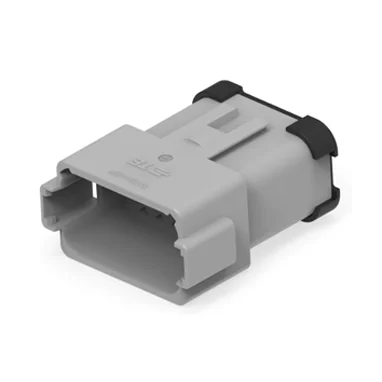
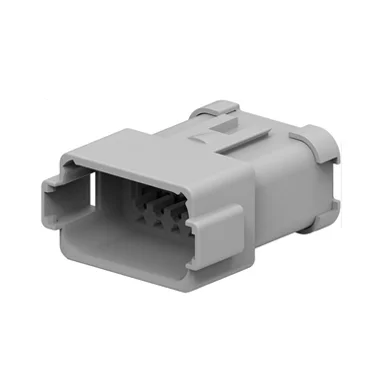
1. Automotive Connectors
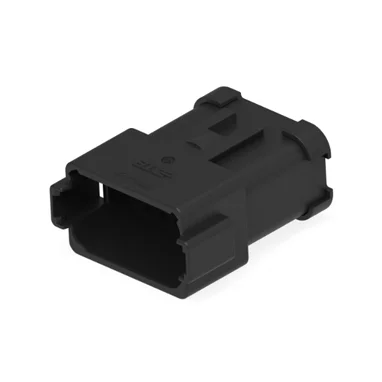
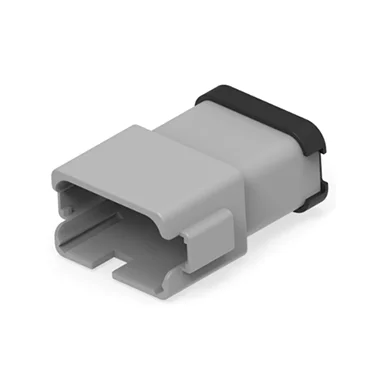
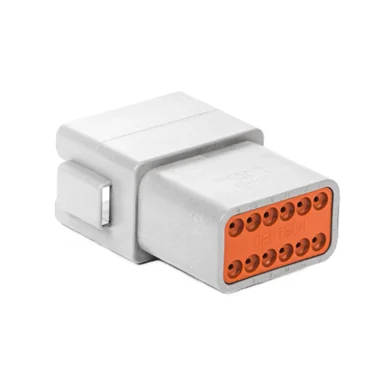
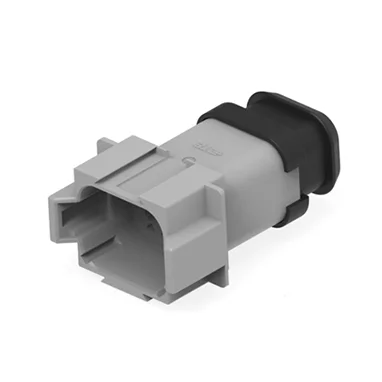
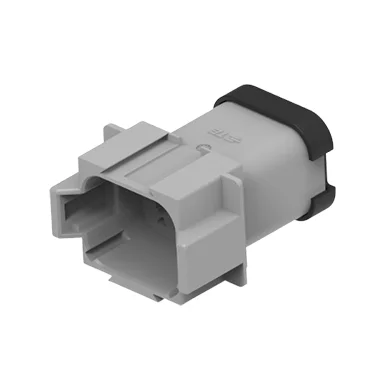
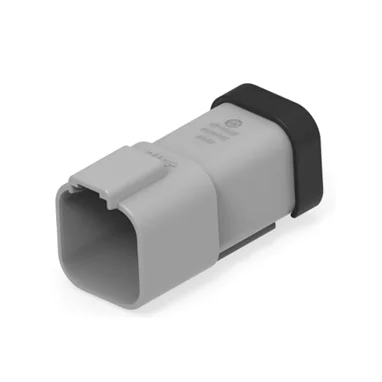
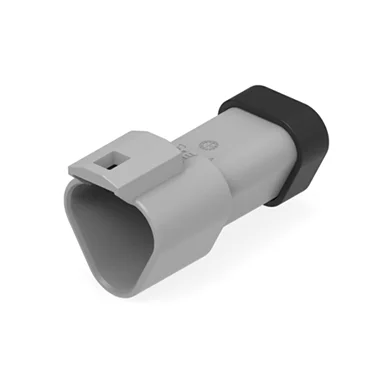
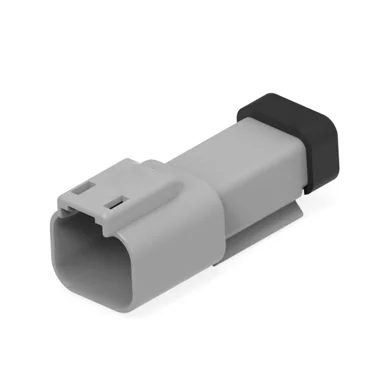
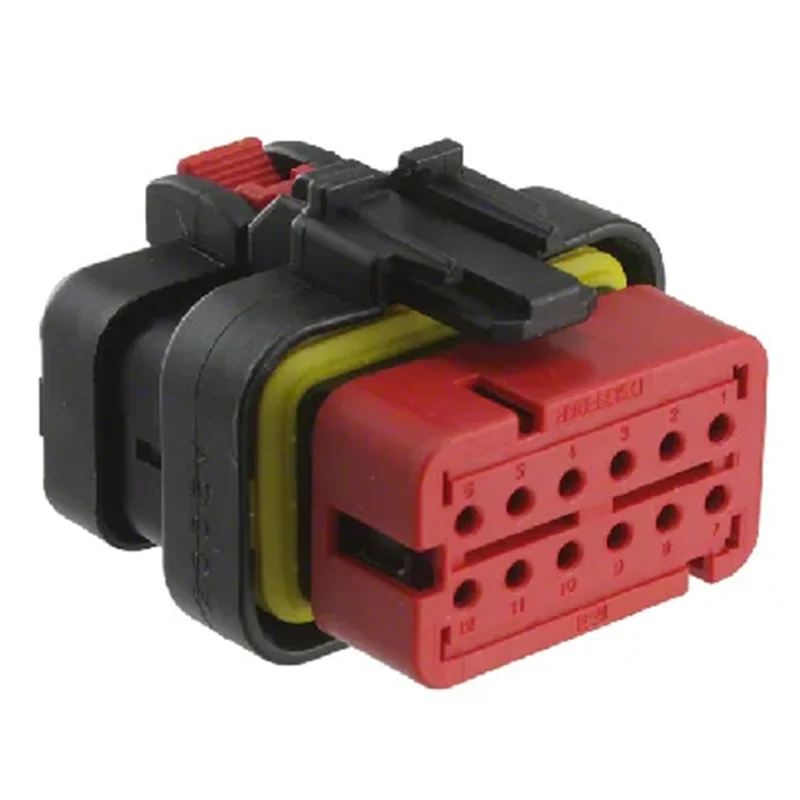
Connectors are the gateways between different modules in a vehicle. In luxury vehicles, they are used in critical systems such as camera modules, electric control units (ECUs), lighting systems, and infotainment displays.
Key features of high-end connectors include:
- EMI shielding to preserve signal quality;
- Waterproofing (IP67 and above) for underbody or exposed locations;
- Gold-plated contacts for optimal conductivity and corrosion resistance;
- Locking mechanisms that ensure secure connections during vibrations or impact.
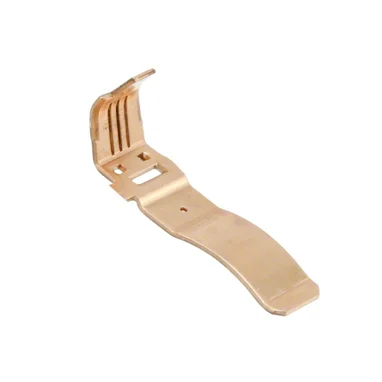
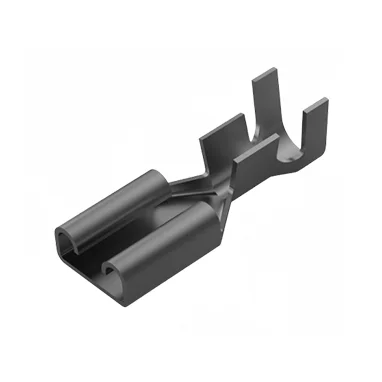
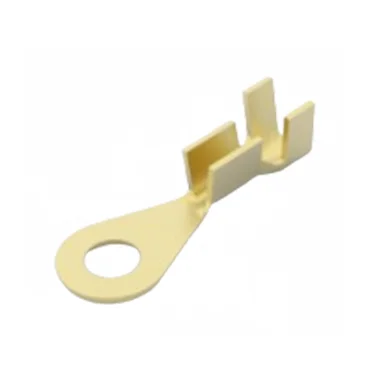
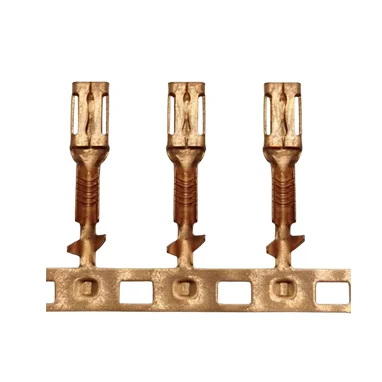
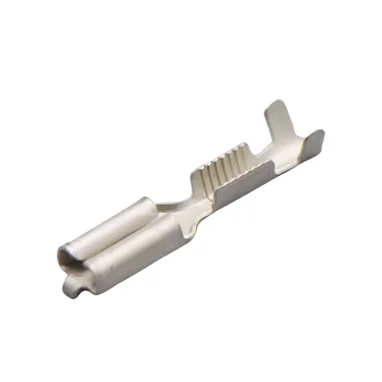
2. Terminals
High-current terminals are essential for applications such as battery connections, inverters, and electric motor systems. In a vehicle like a BMW i7 or Mercedes EQS, even a microsecond delay in current delivery can impact performance.
Advanced terminals must:
- Maintain low contact resistance under high current loads;
- Be designed with custom surface treatments to prevent oxidation;
- Handle thermal cycling without fatigue or cracking;
- Be compatible with both aluminum and copper conductors, depending on weight and current requirements.
3. Custom Wiring Harnesses
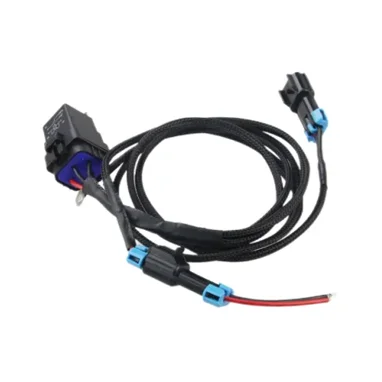
This is the heart of the vehicle’s electrical system. Each harness is meticulously routed throughout the vehicle body, connecting everything from sensors to speakers, from the battery to the tail lights.
Custom harnesses for luxury vehicles are distinguished by:
- Aluminum or hybrid conductor options for lightweighting;
- Shielded cables to prevent cross-talk and signal degradation;
- Modular design for easy assembly and servicing;
- Compliance with ISO 26262 to meet functional safety requirements.
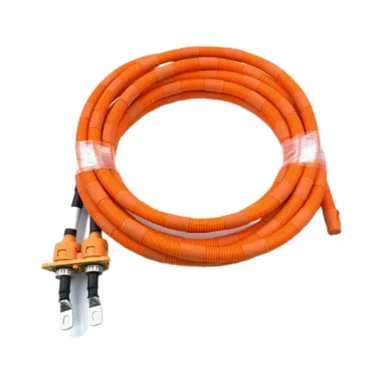
Luxury EVs like the Audi e-tron require harnesses that can withstand high voltage environments while remaining flexible enough for innovative vehicle architecture.
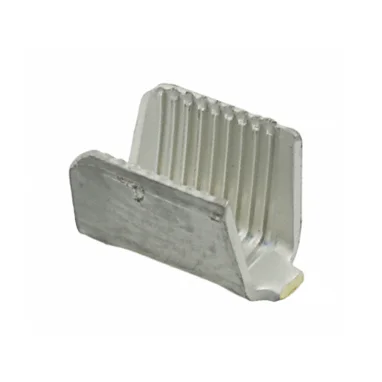
4. Brush Holders
In electric motors and starter-generators used in hybrid and electric vehicles, brush holders ensure consistent electrical contact with minimal wear. Especially in quiet, refined luxury vehicles, smooth motor operation is crucial.
A high-performance brush holder offers:
- Minimal electrical arcing for cleaner commutation;
- Enhanced thermal resistance to support high-load scenarios;
- Noise reduction features for a smoother driving experience;
- Longer lifecycle to reduce maintenance frequency.
Comparison of Key Requirements in Luxury vs. Standard Vehicle Wiring:
| Feature | Standard Vehicle | Luxury Vehicle (Mercedes/BMW/Audi) |
|---|---|---|
| Signal Integrity | Moderate | Ultra-stable, EMI-shielded |
| Material Requirements | Basic copper & PVC | Gold-plated, Teflon, heat-resistant |
| Tolerance Level | ±0.3mm | ±0.1mm or tighter |
| Testing Protocols | Random sample | 100% end-of-line functional testing |
| System Integration | Generic harness layout | Customized for model and system |
From Prototyping to Mass Production: The Role of Engineering Support
Beyond product quality, the development process also plays a significant role in collaboration with luxury brands. It’s not just about delivering wiring products—it’s about becoming a reliable development partner throughout the product lifecycle.
Key areas where engineering support makes a difference include:
- Rapid prototyping: Supporting the design phase with 3D models, sample harnesses, and connector mockups;
- Validation testing: Providing lab testing for durability, vibration, thermal shock, and salt spray;
- Process customization: Adjusting assembly and inspection workflows to meet unique OEM requirements;
- On-site coordination: Working closely with vehicle integration teams to ensure seamless installation.
Manufacturers serving the luxury market need more than just factories—they need R&D-driven, customer-oriented systems that can keep pace with rapid innovation cycles.
Sustainability in Wiring Manufacturing
Luxury automakers are not just concerned with quality—they are increasingly committed to sustainability and carbon neutrality. Wiring manufacturers must align with these goals by:
- Utilizing recyclable materials (e.g., halogen-free insulation);
- Optimizing cable routing to reduce material use and vehicle weight;
- Implementing clean energy and low-emission processes in production;
- Providing traceability to monitor lifecycle impact.
Such initiatives are becoming a key part of supplier evaluation processes and long-term partnerships with OEMs.
Supporting the Next Generation of Luxury Vehicles
The automotive industry is in the midst of its most profound transformation in a century. Luxury vehicles now feature complex integration between AI, sensors, EV architecture, and cloud-connected systems. Wiring components are the unsung heroes that bring these technologies together into a cohesive, responsive, and safe driving experience.
Let’s consider some of the key systems that modern wiring must support:
- Electric Vehicle Propulsion: High-voltage systems need thick-gauge conductors and thermal shielding.
- Autonomous Driving Systems: Real-time data flow from cameras, LIDAR, radar, and ECUs must remain interference-free.
- Smart Interiors: Voice-controlled ambient lighting, haptic interfaces, and biometric systems all rely on distributed power and data wiring.
- Over-the-Air Updates: Future-proof wiring systems ensure vehicles can evolve long after they leave the factory.
To support all this, wiring solutions must be as forward-looking and robust as the vehicles they inhabit.

Conclusion
In luxury vehicles, wiring systems are essential for supporting advanced technologies such as electric drivetrains, autonomous driving, and sophisticated infotainment. These systems must be precise, reliable, and durable to ensure seamless performance, safety, and integration of cutting-edge features. As the automotive industry continues to evolve, the importance of high-quality, customized wiring solutions will only grow, providing the foundation for future innovations in luxury automotive engineering.
As luxury automakers push the boundaries of innovation, GVEI stands as a trusted partner in delivering wiring solutions that marry elegance with engineering excellence. Whether you’re refining a flagship sedan or pioneering next-gen electric mobility, our components ensure reliability, safety, and a flawless driving experience.
Contact Us to Upgrade Your Luxury Lineup
Email: alltrade@gvei.com
Website: www.gvei.com