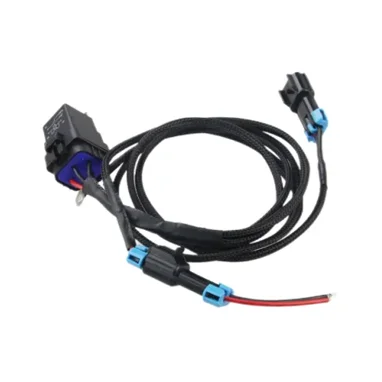
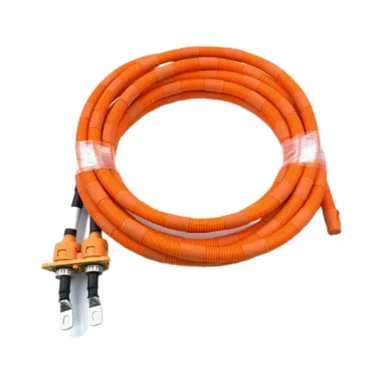
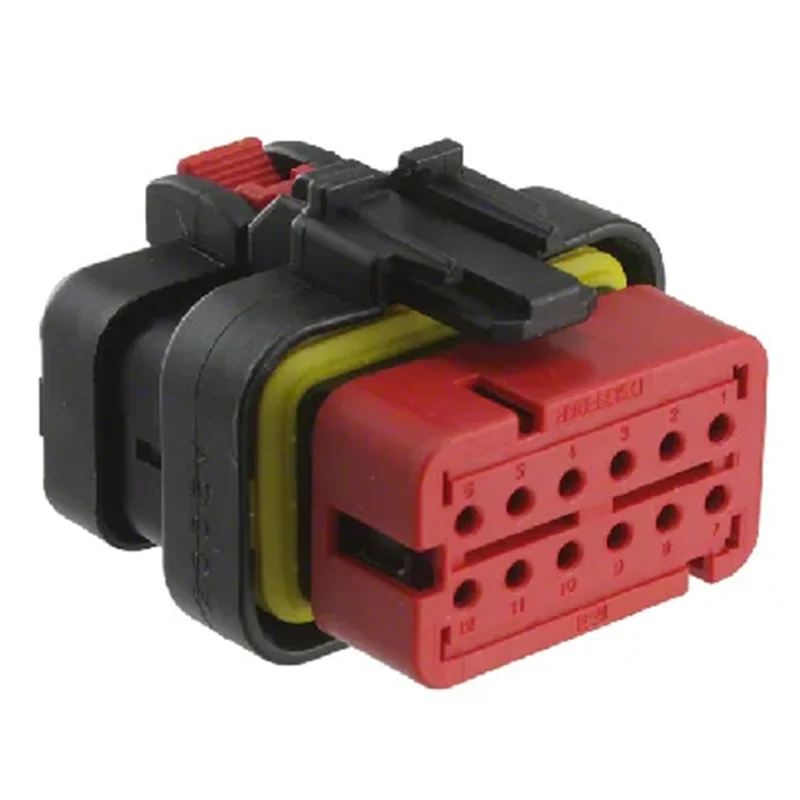
As the global shift toward electric vehicles (EVs) gains momentum, the spotlight has turned to the sophisticated systems that power this transition. While much attention is paid to batteries and electric drivetrains, one of the most vital components—often working behind the scenes—is the custom wiring harness. These essential systems are the lifelines of EVs, carrying power and data through a complex network of circuits and connectors. In a landscape where performance, safety, and efficiency are paramount, the demand for advanced, application-specific electrical solutions has never been greater.
Why Standardized Wiring Isn’t Enough in the Age of Electric Mobility
The unique engineering challenges posed by electric vehicles have exposed the limitations of using generic, mass-produced electrical systems. While standardized harnesses may offer a quick solution, they rarely address the nuanced demands of modern EV platforms, where system complexity and spatial constraints go hand in hand.
Unlike internal combustion engine vehicles, which rely on a relatively simple electrical infrastructure, EVs integrate an array of high-voltage subsystems—from propulsion and regenerative braking systems to fast-charging modules, sensors, and digital displays. These systems demand precise, uninterrupted connectivity, often within compact and harsh operating environments.
Custom wiring harnesses are designed to handle this complexity. By tailoring layout, materials, shielding, and insulation to specific vehicle architectures, they ensure:
- Efficient power distribution with minimized energy loss
- Seamless integration within confined spaces
- Resistance to vibrations, electromagnetic interference (EMI), and thermal stress
- Compliance with safety and environmental regulations
Through customization, manufacturers not only enhance reliability but also gain greater control over assembly efficiency and overall vehicle performance.
The Role of Critical Electrical Components in EVs
Custom wiring harnesses are only one piece of the electrical puzzle in EV manufacturing. A range of components works together to create a robust and integrated system, each contributing to a vehicle’s functionality, durability, and safety.
| Component | Function |
|---|---|
| Custom Wiring Harnesses | Transmit power and signals efficiently, engineered for specific EV layouts |
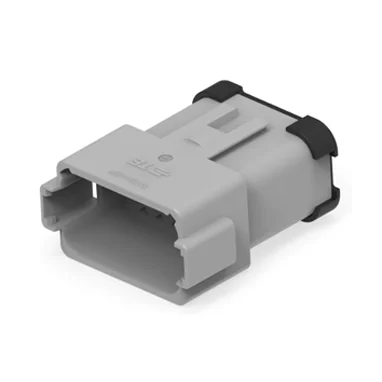
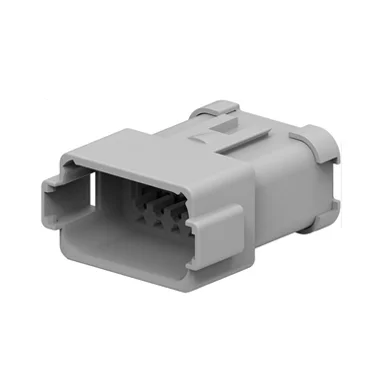
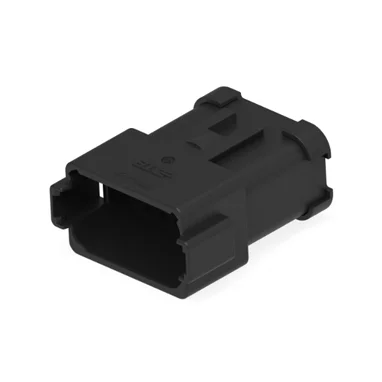
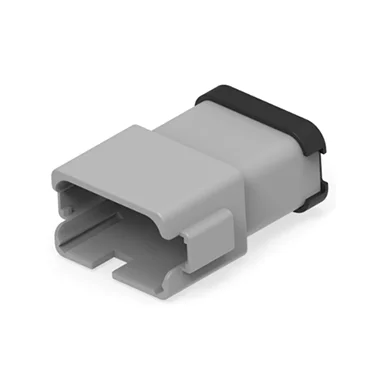
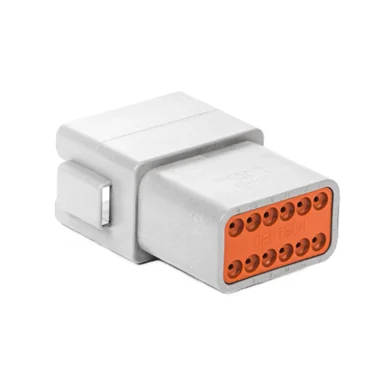
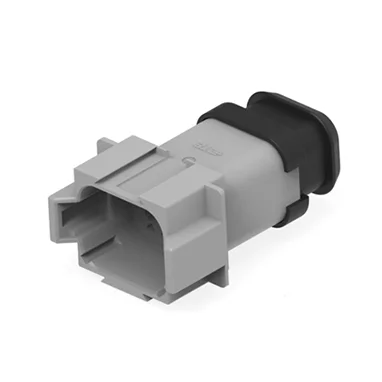
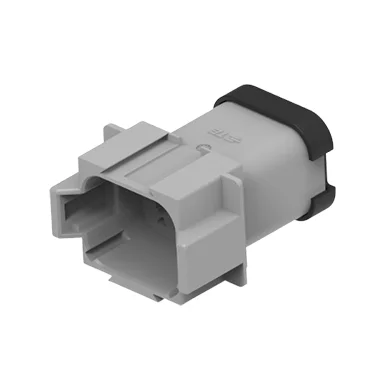
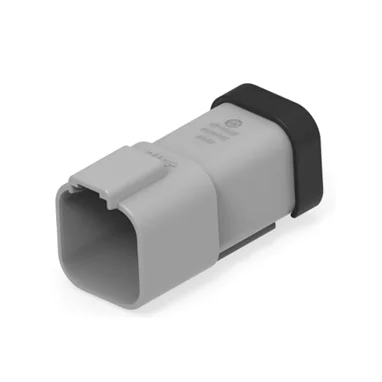
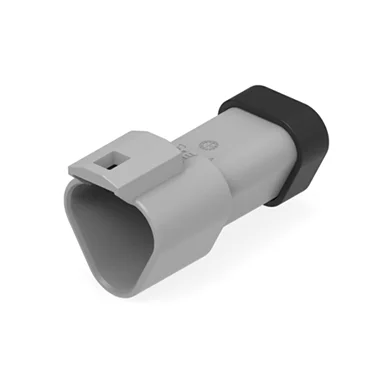
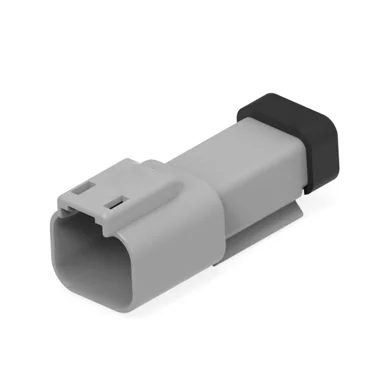
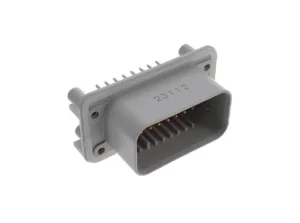
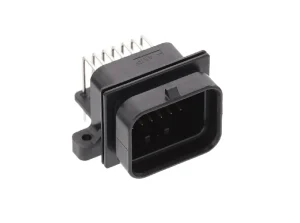
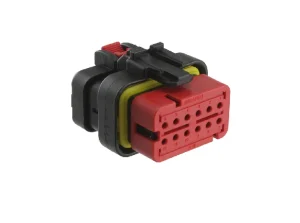
| Automotive Connectors | Provide stable, low-resistance interfaces for BMS, inverters, and chargers |
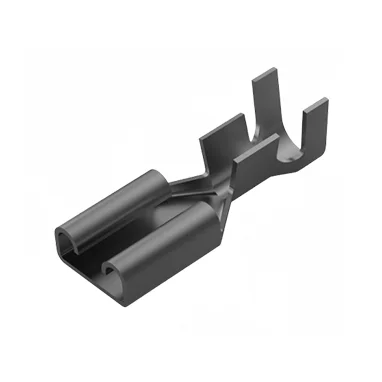
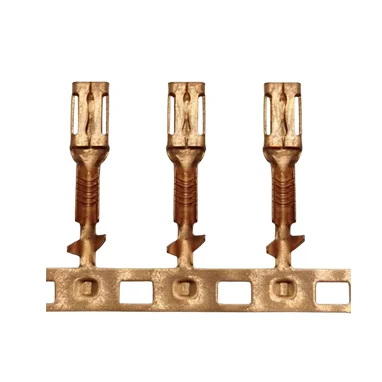
| Precision Terminals | Maintain consistent conductivity even in high-vibration and thermal conditions |
| Brush Holders | Support electric motor function with long-term thermal and mechanical stability |
These components form the backbone of key EV subsystems, including battery packs, thermal management units, and electronic control modules. For example, brush holders—though small—are essential for sustaining motor performance over thousands of operation hours. Similarly, terminals and connectors must withstand years of exposure to heat cycles, road vibrations, and potential water ingress, without compromising signal quality.
Engineering for Efficiency, Safety, and Scale
Every electric vehicle manufacturer, whether developing a compact urban EV or a high-load commercial truck, must balance several core demands: performance, safety, regulatory compliance, and manufacturability. Electrical systems are central to each of these pillars.
Efficiency begins with conductive materials and smart harness design. Reduced resistance means less energy loss and better battery utilization. For instance, lightweight aluminum conductors are increasingly used in harnesses for their favorable conductivity-to-weight ratio, provided they are combined with the right terminal finishes and connector geometries.
Safety, especially in high-voltage EV architectures, hinges on insulation integrity, EMI shielding, and secure locking mechanisms in connectors. Harnesses must route safely around temperature-sensitive areas and provide shielding where signal interference might impact vehicle control systems.
Scalability becomes essential in mass production. Pre-assembled, modular wiring harnesses that are tailored to different vehicle models streamline the manufacturing process and allow for easier upgrades. Custom harnesses designed with assembly lines in mind can also reduce installation time and minimize human error.
Moreover, the integration of data transmission lines within power harnesses—such as CAN bus or Ethernet connections—is becoming more prevalent, especially as vehicles incorporate real-time diagnostics, cloud communication, and autonomous driving functions. This raises the bar for signal integrity and necessitates even more rigorous design standards.
Customization in a Rapidly Evolving Industry
The push toward electric mobility has created an incredibly diverse EV landscape. Passenger cars, electric buses, last-mile delivery vans, and even electric motorcycles are flooding the market, each with their own design language and performance goals. In this context, flexibility and customization have emerged as competitive differentiators.
Custom wiring solutions allow vehicle engineers to think beyond traditional design limitations. Harnesses can be built to accommodate unique configurations—such as under-floor battery systems, central computing units, or distributed sensor arrays—without compromising safety or efficiency.
This level of customization is particularly crucial in:
- Autonomous driving platforms, where wiring must support numerous cameras, lidar units, and control modules
- Battery-electric commercial vehicles, which operate in harsher environments and often require reinforced components
- Luxury EVs, where space efficiency and aesthetic integration are high priorities
With the pace of innovation in the EV sector, modular and forward-compatible wiring architectures are also becoming more valuable. Manufacturers need electrical systems that can evolve alongside changing software and hardware updates—custom harnesses make this possible.
Meeting Global Standards and Real-World Demands
No matter how innovative a component may be, it must prove its reliability under real-world conditions and meet the rigorous standards set by international regulatory bodies. Electrical systems in EVs must be tested and certified across a range of benchmarks:
- ISO 6722 for road vehicle wires
- LV214 for connector systems in automotive applications
- RoHS and REACH to ensure environmentally responsible material selection
- IP ratings to verify resistance to water and dust ingress
But meeting standards is only the beginning. Field conditions are unpredictable—harnesses and connectors must endure thermal cycling, road shock, salt spray, and electromagnetic stress. Only through advanced materials, design simulations, and multi-step testing can manufacturers ensure product longevity and end-user safety.
Moreover, global compliance isn’t just a box-ticking exercise; it opens doors to international markets. A wiring solution that meets European, North American, and Asian regulations from the outset eliminates the need for costly redesigns or regional modifications later in the production cycle.
Conclusion
Electric vehicles are reshaping the future of transportation, and behind every EV on the road lies a sophisticated electrical system that makes it possible. From harnesses that guide power with precision to terminals and connectors that preserve signal integrity in harsh environments, these components are quietly enabling a new era of cleaner, smarter mobility.
As the industry evolves, the demand for tailored, high-performance electrical solutions will only intensify. Custom wiring harnesses are no longer a luxury—they are a necessity for manufacturers looking to deliver efficiency, safety, and scalability in their electric vehicle platforms.
The continued growth and innovation in the electric mobility sector are driving manufacturers to seek solutions that can enhance vehicle safety, improve performance, and reduce operational costs. With expertise and a commitment to providing high-quality, customizable components, GEVI offers the support needed to help manufacturers meet these demands and succeed in the rapidly changing EV landscape.
Why Partner with GVEI?
End-to-End Customization: Collaborate with our engineering team to design components tailored to your specifications.
- Quality Assurance: Rigorous testing for thermal cycling, vibration, and IP-rated protection.
- Global Compliance: Products meet RoHS, REACH, and international automotive certifications.
- Fast Turnaround: Agile production and logistics to keep your projects on schedule.
Powering the EV Revolution
At GVEI, we’re committed to advancing the future of mobility. Our components are trusted by leading EV manufacturers worldwide to deliver unmatched performance and reliability. Let us help you innovate faster, reduce costs, and stay ahead in the competitive electric vehicle market.
Contact Us Today!
📧 Email: alltrade@gvei.com
🌐 Website: www.gvei.com