In today’s automotive industry, electrical systems have become the backbone of vehicle performance, safety, and comfort. From engine control to lighting, infotainment, and advanced driver assistance systems (ADAS), reliable electrical connections ensure every component works as intended. However, maintaining consistent performance under tough road and weather conditions requires careful design, high-quality materials, and professional assembly.
The Importance of Electrical Reliability in Modern Vehicles
Modern vehicles depend on complex electrical and electronic systems. A single malfunctioning connector or wire can lead to serious issues such as short circuits, signal loss, or even system shutdowns. Therefore, ensuring reliable automotive electrical connections is essential for both performance and safety.
A reliable connection not only supports efficient current flow but also minimizes energy loss and prevents overheating. With the growing demand for electric and intelligent vehicles, stable connections have become even more crucial in ensuring smooth operation and long-term durability.
Common Challenges in Automotive Electrical Connections
Vehicles operate in challenging environments where components face constant vibration, extreme temperatures, humidity, and exposure to dust and oil. Over time, these factors can cause loosening, corrosion, or insulation damage.
For example, vibration can weaken contact points, leading to intermittent faults. Similarly, moisture or salt spray may cause corrosion, affecting conductivity. To prevent such issues, every connection must be designed and protected to withstand these harsh conditions throughout the vehicle’s lifespan.
The Role of High-Quality Connectors and Terminals
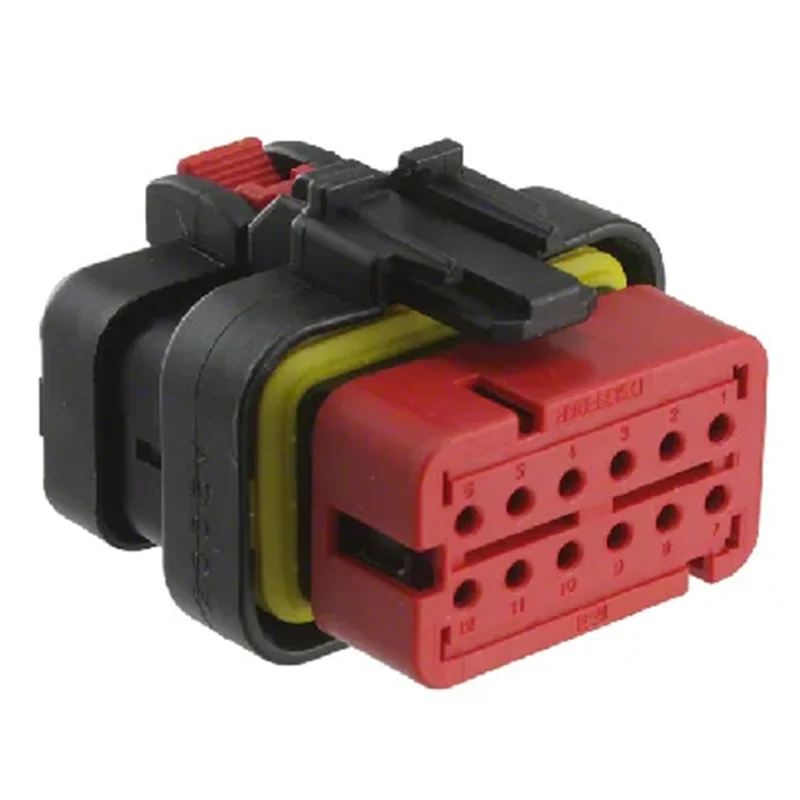
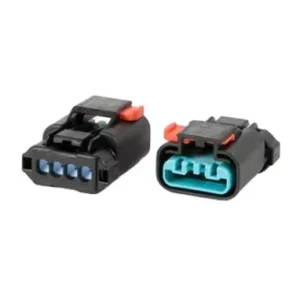
The quality of connectors and terminals directly determines the reliability of an electrical connection. Well-engineered connectors maintain stable contact pressure and minimize resistance even under vibration or temperature changes.
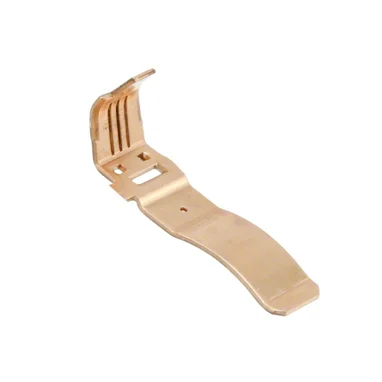
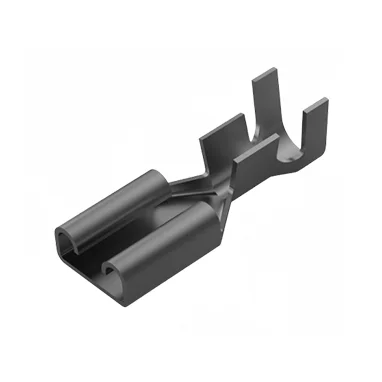
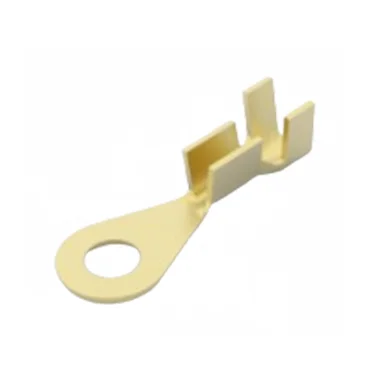
Using durable materials such as copper alloys, stainless steel, and high-temperature plastics can effectively prevent corrosion and wear. In addition, waterproof connectors with rubber seals or O-rings provide reliable protection against water and dust, ensuring uninterrupted electrical flow.
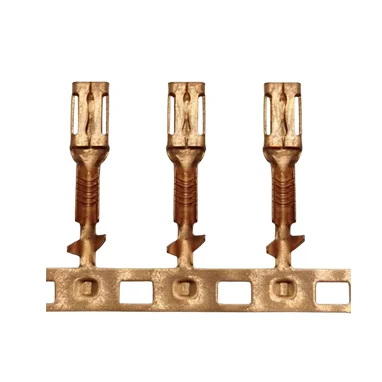
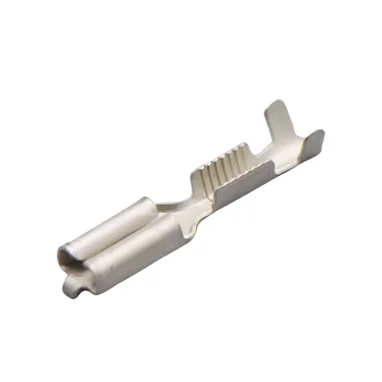
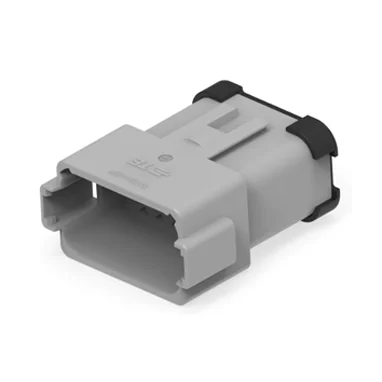
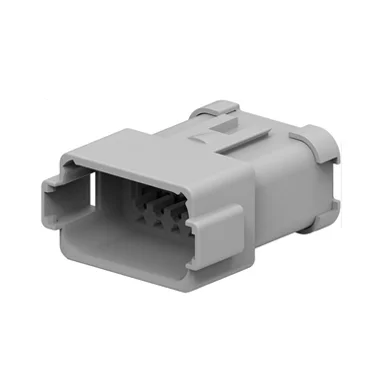
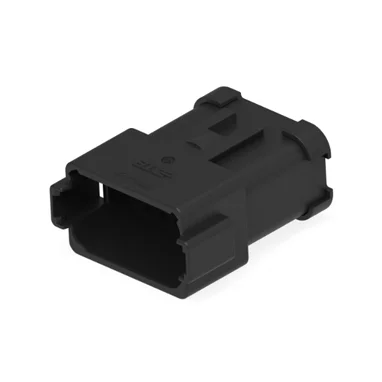
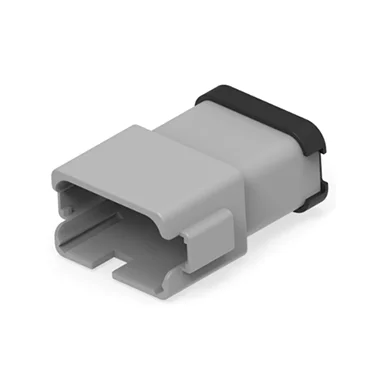
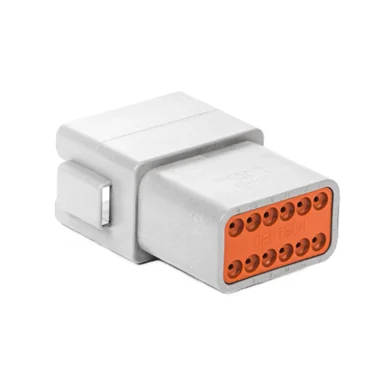
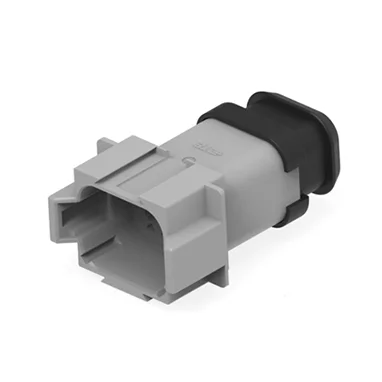
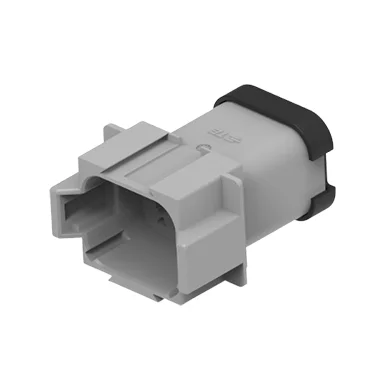
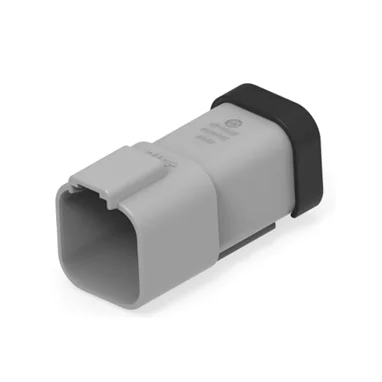
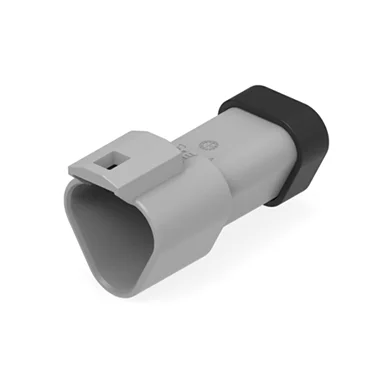
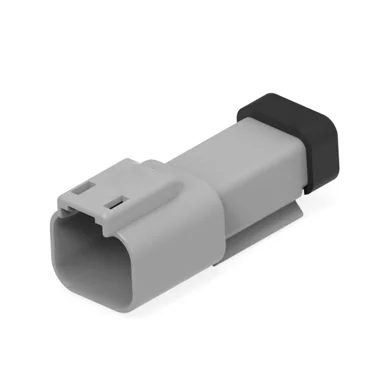
For automotive applications, selecting the right automotive connectors, pin terminals, and waterproof connectors is fundamental to maintaining system stability and safety.
Importance of Proper Wire Harness Design
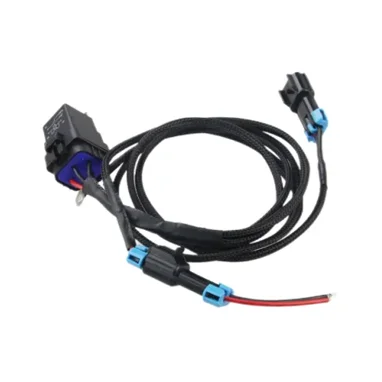
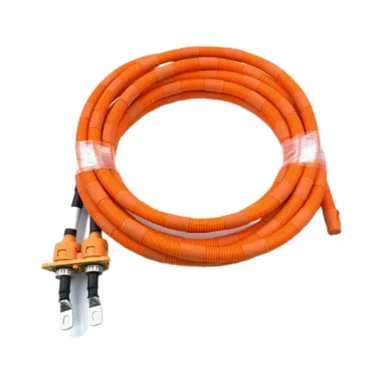
Wire harnesses act as the circulatory system of a vehicle’s electrical network. A properly designed harness ensures consistent voltage delivery and reduces the risk of short circuits.
To achieve this, engineers must select appropriate wire gauges based on current load and voltage requirements. Moreover, wiring should be routed securely to avoid abrasion or excessive bending. The fewer the connection points, the lower the risk of potential failure.
A well-structured vehicle wiring harness not only improves reliability but also simplifies maintenance and troubleshooting during a vehicle’s service life.
Protection Against Environmental Factors
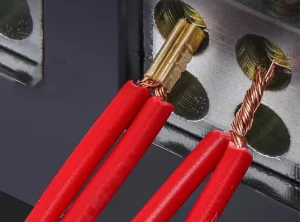
One of the biggest threats to reliable electrical connections in vehicles is the environment. Components are often exposed to dust, water, mud, and chemicals. Using waterproof electrical connectors and high-quality insulation materials can help prevent damage.
The level of protection is often measured using IP (Ingress Protection) ratings. For instance, IP67 or IP68-rated connectors can resist dust and water ingress, ensuring performance even in rain or engine compartment conditions. Additionally, using protective tubing, shrink sleeves, and corrosion-resistant coatings further enhances durability and safety.
Assembly and Installation Best Practices
Even the best materials can fail if installation is not done properly. During assembly, all contact surfaces should be clean and free from oil or dust to ensure good conductivity. Connectors must be fully inserted and locked in place to avoid loose contact.
Applying even pressure during crimping or tightening helps maintain sealing integrity. Installers should also avoid pulling or twisting wires, which can cause stress at contact points. Following these assembly best practices ensures the long-term reliability of each electrical connection in a vehicle.
Testing and Quality Assurance
Reliable electrical connections depend on thorough inspection and testing throughout production. Common tests include contact resistance, insulation strength, temperature cycle, vibration endurance, and salt spray resistance.
Automotive manufacturers often follow international standards such as IATF 16949:2016 and ISO 16750, which guarantee consistent product quality. Regular quality checks and continuous improvement processes help detect potential defects early, reducing the risk of failure in the field.
Testing is not just a formality—it’s an essential step to ensure every connector, terminal, and harness performs reliably under real-world conditions.
Selecting a Reliable Automotive Connector Manufacturer
Choosing the right supplier is a critical part of ensuring connection reliability. A professional automotive connector manufacturer should provide integrated services from design and mold development to production and inspection.
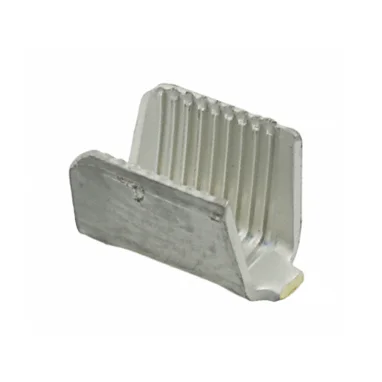
Look for manufacturers with proven technical expertise, advanced production equipment, and strict quality control systems. Companies that offer a wide range of products—such as automotive connectors, relays, control boxes, wire harnesses, and stamping metal parts—can better meet diverse automotive application needs.
Partnering with a certified manufacturer ensures stable quality, reliable delivery, and long-term performance support.
Conclusion: Building Reliability from the Connection Up
Reliable electrical connections are the foundation of every safe and efficient vehicle. From the design stage to final assembly, attention to detail in material selection, sealing protection, and quality assurance makes all the difference.
By using durable materials, following best practices, and working with trusted manufacturers, automotive engineers can ensure stable and long-lasting performance under any condition.
Jingu Auto Parts is dedicated to providing high-quality automotive connectors, wire harnesses, terminals, and relay boxes. With advanced production facilities and IATF 16949:2016 certification, Jingu ensures every product meets the highest standards of reliability and safety. Partner with Jingu today to strengthen your vehicle’s electrical system and ensure dependable performance for years to come.