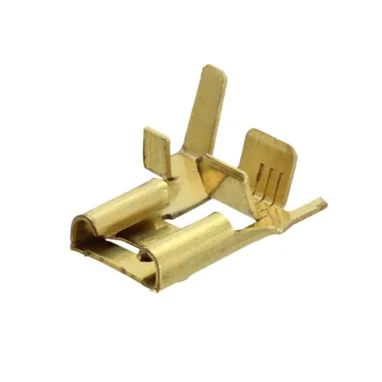
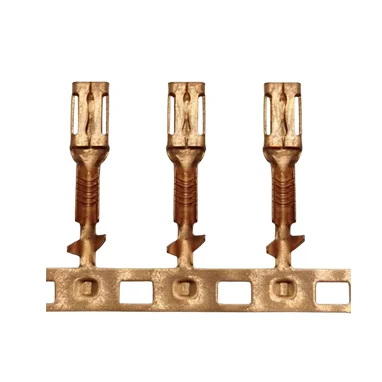
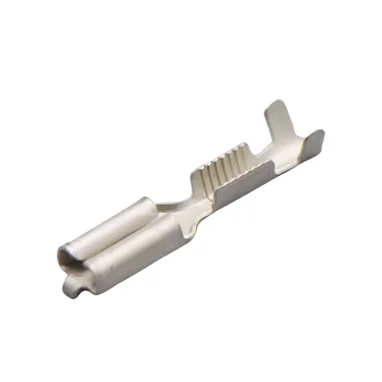
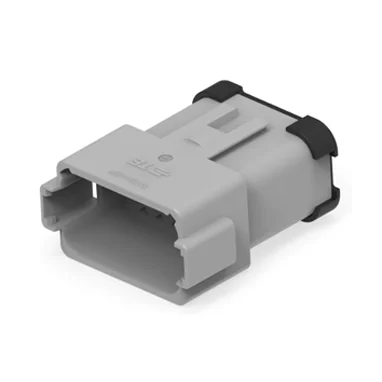
Introduction: The Role of Connectors in Modern Vehicles
In today’s automotive industry, electrical systems play a crucial role in ensuring performance, safety, and comfort. From advanced driver-assistance systems to electric powertrains, reliable electrical connections are at the heart of every vehicle. As vehicles become more electronic and complex, one key requirement has become clear—connections must be protected from environmental damage. This is where waterproof connectors stand out as an essential component for automotive applications.
Understanding Waterproof Connectors
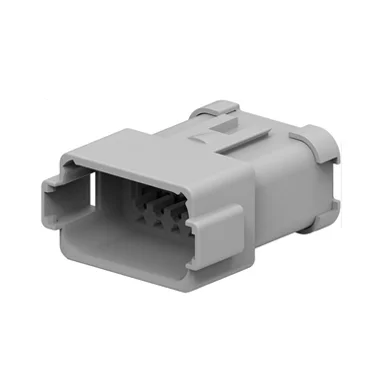
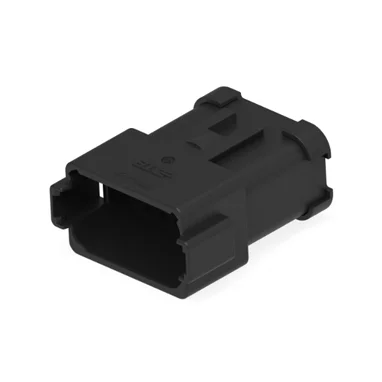
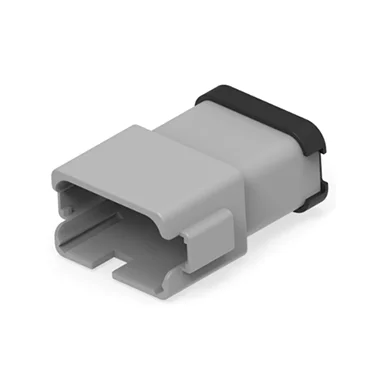
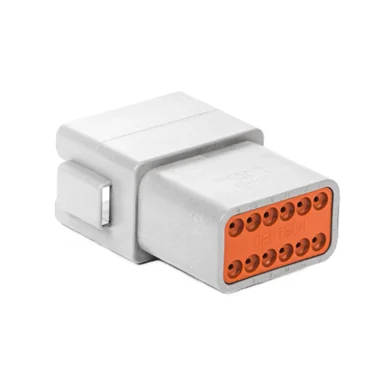
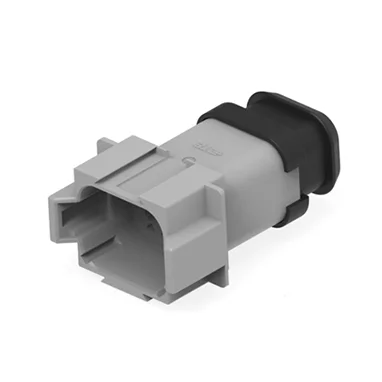
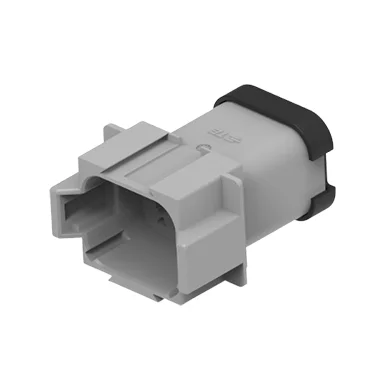
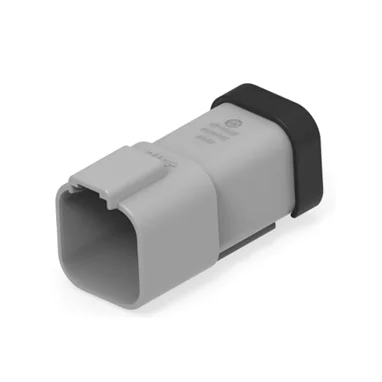
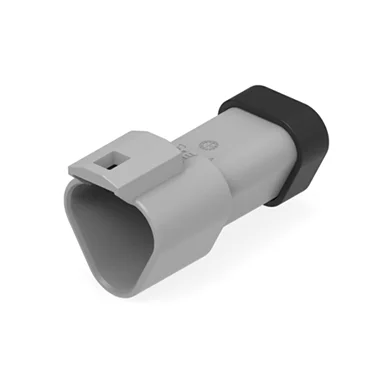
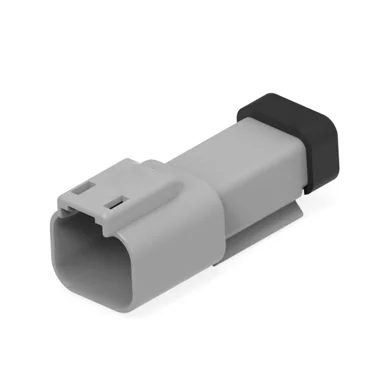
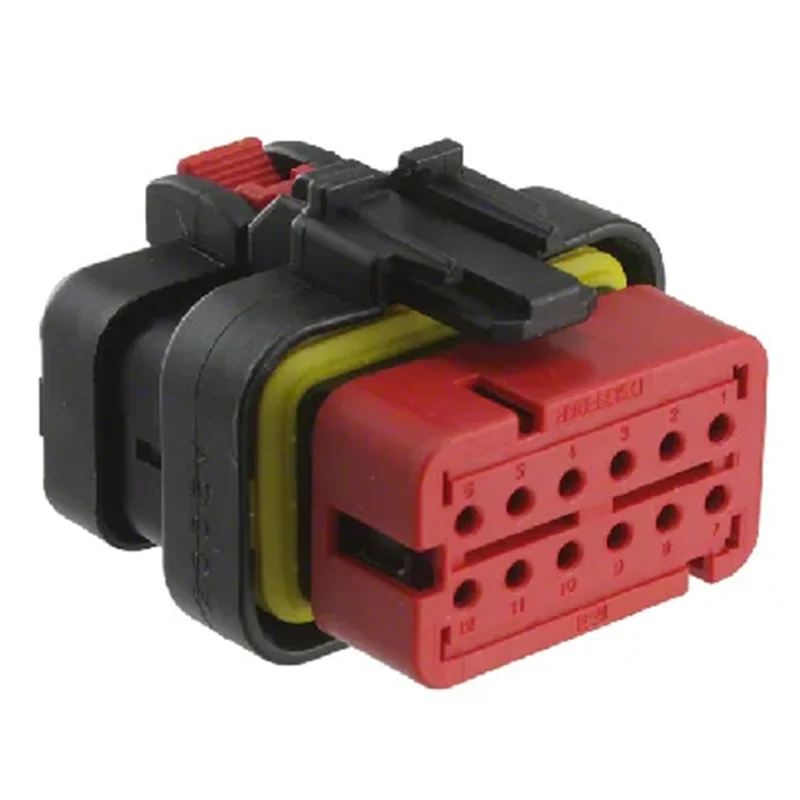
Waterproof connectors are specially designed to prevent water, dust, and other contaminants from entering the electrical connection. They typically feature sealed housings, O-rings, and rubber gaskets to ensure a tight, secure fit. The level of protection is often defined by the IP (Ingress Protection) rating, with common standards such as IP67 and IP68, which indicate resistance to both dust and temporary or continuous immersion in water.
Compared with standard connectors, waterproof connectors provide an extra layer of safety and durability. This protection is especially important for parts exposed to harsh conditions, such as the engine bay, underbody, or external lighting systems.
Environmental Challenges in Automotive Applications
Vehicles are constantly exposed to challenging environments. They must withstand rain, mud, humidity, road salt, oil, vibration, and temperature extremes. These conditions can easily damage unprotected electrical connections, leading to problems such as short circuits, signal interference, or even complete system failure.
For example, connectors used in engine compartments face high temperatures and oil exposure, while those under the chassis must resist water, dirt, and road debris. Over time, moisture or corrosion in these areas can reduce conductivity and compromise system reliability. Therefore, waterproof connectors are not just optional—they are essential to maintain performance and safety under all conditions.
Why Waterproof Connectors Are Essential in Vehicles
Waterproof connectors provide several key advantages that directly impact vehicle reliability and lifespan:
- Protection from Moisture: They prevent water from entering the connector during rain, washing, or high-humidity conditions.
- Dust and Dirt Resistance: The sealed design keeps out contaminants that could disrupt electrical contact.
- Corrosion Resistance: High-quality materials and coatings protect terminals from rust and oxidation.
- Consistent Electrical Performance: Even under vibration, heat, and mechanical stress, the connection remains stable.
- Reduced Maintenance Costs: By minimizing electrical faults and corrosion, waterproof connectors help extend service intervals and reduce repair expenses.
These benefits make waterproof connectors a vital component not only for traditional vehicles but also for electric and hybrid vehicles, where electronic systems are more sensitive to moisture and insulation issues.
Key Automotive Applications of Waterproof Connectors
Waterproof connectors are used throughout modern vehicles to ensure safe and reliable operation in all environments. Some common applications include:
- Engine Compartment: Connecting sensors and control units exposed to heat, oil, and vibration.
- Lighting Systems: Protecting front and rear lights, fog lamps, and signal lights from water intrusion.
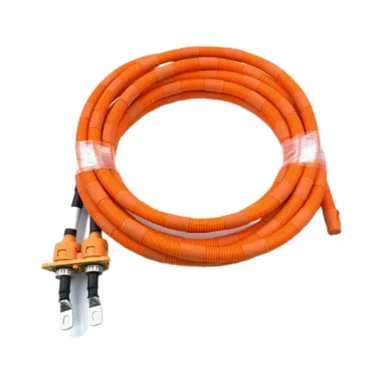
- Battery and Charging Systems: Providing secure high-voltage connections in electric and hybrid vehicles.
- Underbody and Chassis Electronics: Withstanding road splash, dirt, and stone impact.
- Infotainment and Camera Systems: Ensuring stable data transmission for displays and sensors.
Each application requires connectors designed to match its operating conditions, emphasizing the need for precise design and manufacturing.
Design and Quality Standards in Automotive Waterproof Connectors
In the automotive industry, product reliability depends on strict quality control and compliance with international standards. Waterproof connectors are designed and tested under certifications such as IATF 16949:2016 and ISO 16750, ensuring consistency and safety in production.
To achieve waterproof performance, connectors are tested for:
- Water and Dust Resistance: According to IP67 or IP68 ratings.
- Temperature Cycling: To simulate real-world heating and cooling conditions.
- Vibration and Shock: Ensuring contact stability under dynamic movement.
- Corrosion and Salt Spray Tests: Verifying long-term durability in humid or coastal environments.
By following these standards, manufacturers can ensure that every connector maintains its integrity throughout the vehicle’s lifetime.
Choosing the Right Waterproof Connector for Automotive Systems
Selecting the right connector depends on several factors. Engineers and buyers should consider:
- IP Rating Requirements: Choose IP67 or IP68 depending on exposure to water and dust.
- Electrical Specifications: Ensure compatibility with current, voltage, and contact resistance requirements.
- Material Durability: Select connectors with high-temperature, oil-resistant materials for long-term use.
- Locking Mechanism: Choose secure designs such as threaded, latch, or press-fit connectors for vibration resistance.
- Certification and Testing: Always verify that the connector meets automotive-grade quality standards.
Working with a trusted automotive connector manufacturer helps ensure that all these aspects are carefully addressed during design and production.
Conclusion: Ensuring Reliable Connections in Every Condition
As vehicles continue to evolve with advanced electronic and digital systems, waterproof connectors have become a fundamental requirement for safety, performance, and reliability. Their ability to resist moisture, dust, and corrosion ensures that every electrical system—from sensors to power units—operates smoothly in all weather and road conditions.
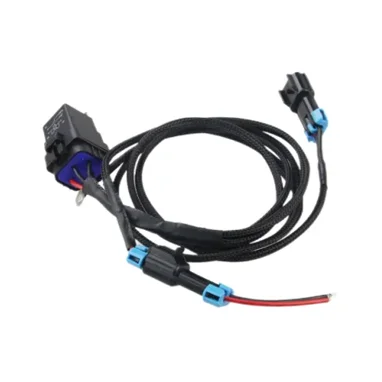
Jingu Auto Parts specializes in the development and production of high-quality automotive connectors, including waterproof connectors, terminals, wire harnesses, and relay boxes. With advanced manufacturing facilities and IATF 16949:2016 certification, Jingu ensures each product meets international automotive standards.
If you’re looking for a reliable automotive connector manufacturer, contact Jingu Auto Parts today to discover durable and cost-effective solutions for your vehicle applications.