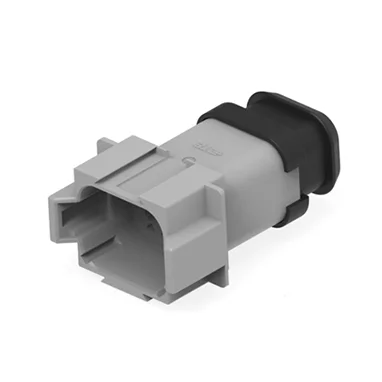
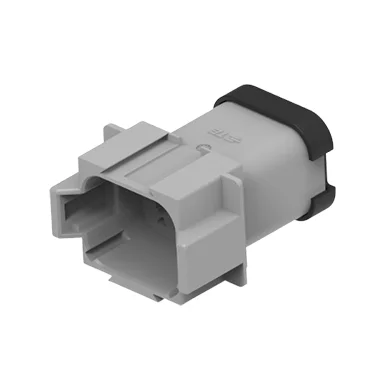
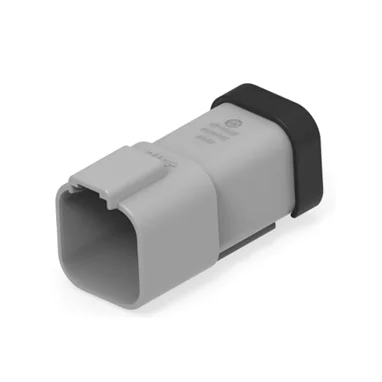
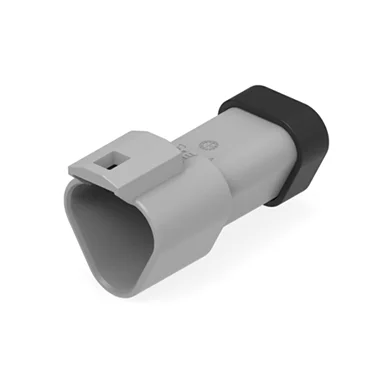
Automotive electrical connectors are essential components that facilitate reliable connections between various electrical circuits in vehicles. From enabling power to the ignition system to connecting sensors and diagnostic tools, the right connectors are crucial for a vehicle’s performance and safety. In this guide, we’ll explore the different types of automotive connectors, their applications, and key factors to consider when selecting the right one.
What Are Automotive Electrical Connectors?
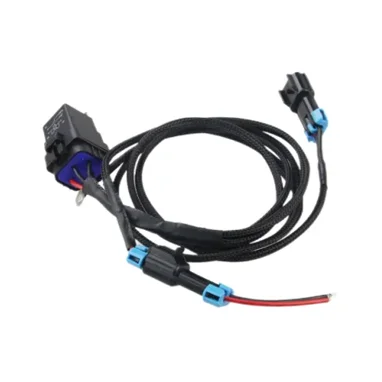
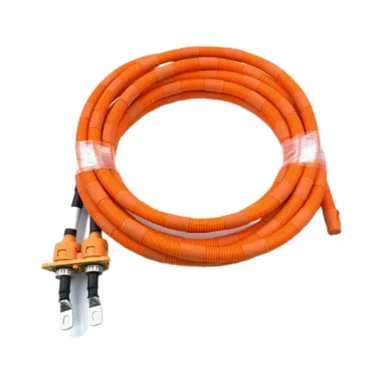
Automotive electrical connectors are devices that link electrical circuits, allowing for the seamless transfer of power and signals throughout a vehicle. Available in a variety of shapes and sizes, they connect everything from individual wires to intricate multi-wire systems, ensuring that all electrical components work together effectively.
Common Types of Automotive Electrical Connectors
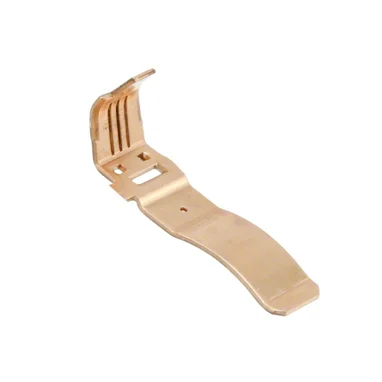
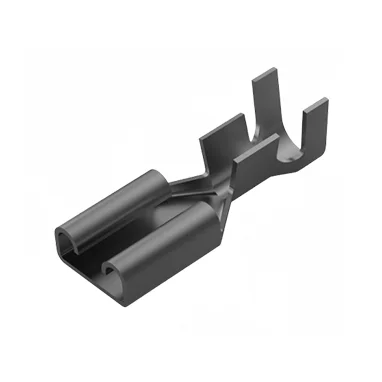
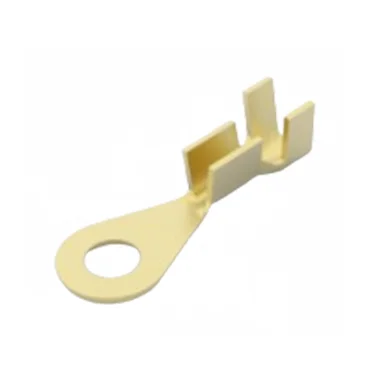
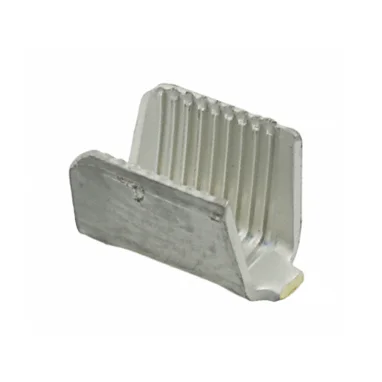
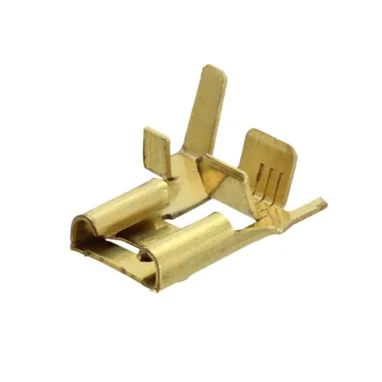
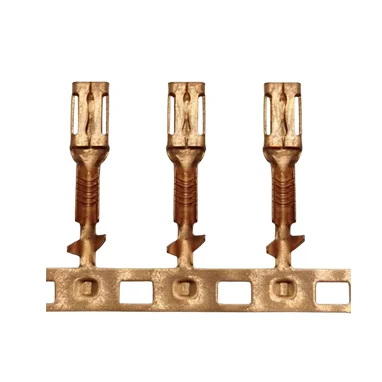
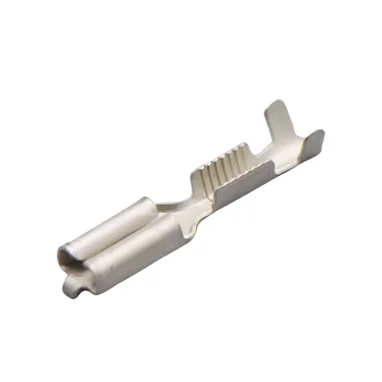
- Wire Terminals: These connectors attach a single wire to a component or another wire. Types include ring terminals, spade terminals, and butt connectors, each serving specific applications.
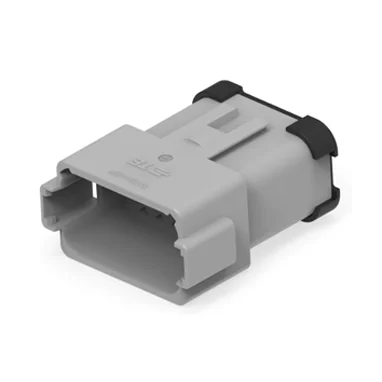
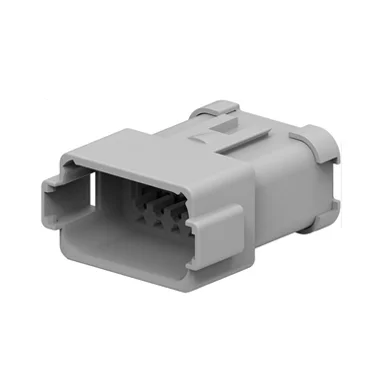
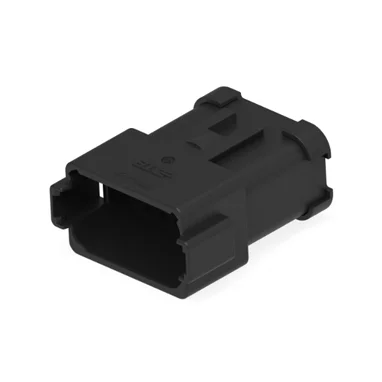
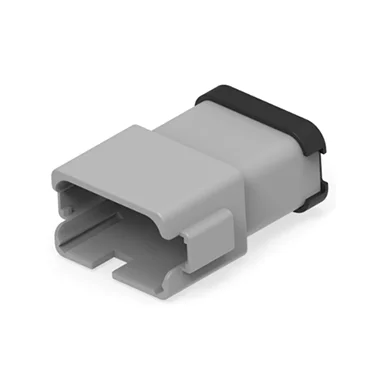
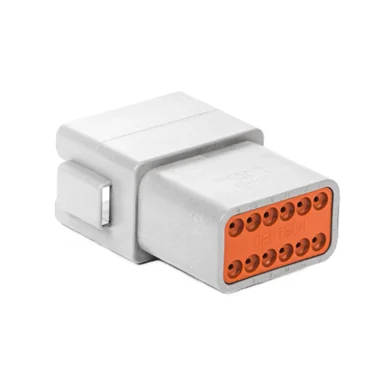
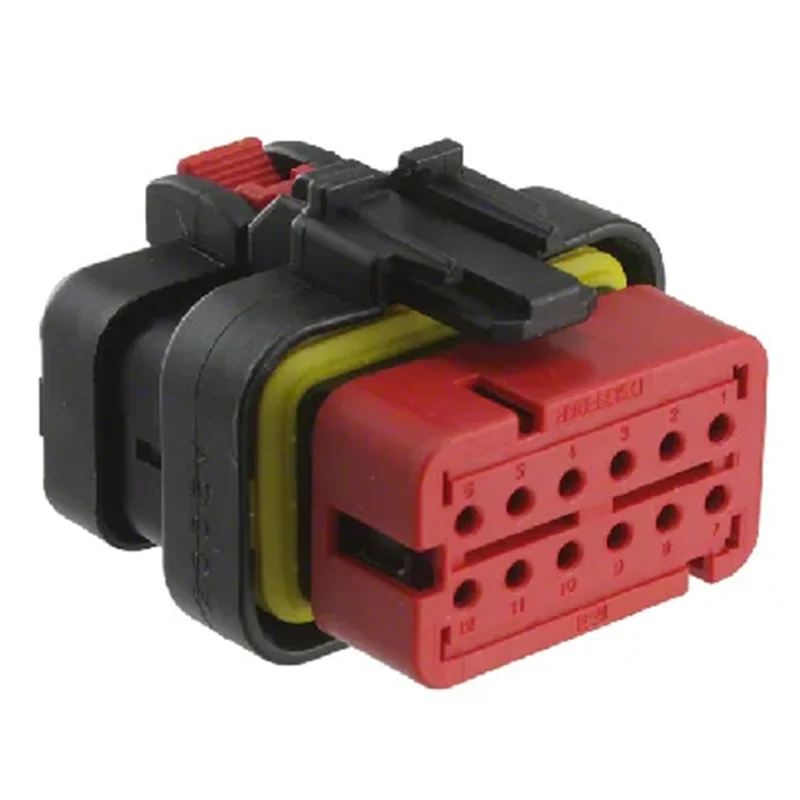
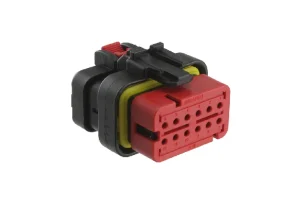
- Multi-Pin Connectors: Often found in complex systems like engine management and dashboards, these connectors combine multiple wires into a single unit, providing a neat and organized solution.
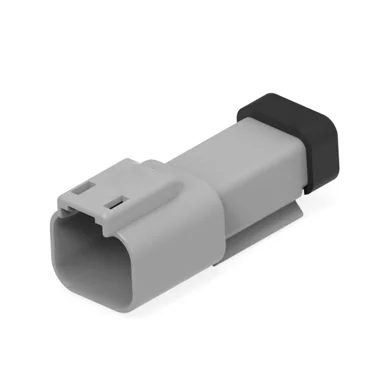
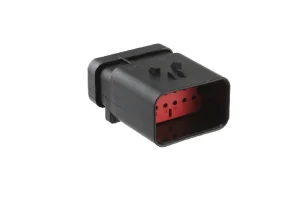
- Weatherproof Connectors: Built to endure harsh environmental conditions, these connectors feature seals and gaskets that protect against moisture, dirt, and extreme temperatures, making them ideal for outdoor or rugged applications.
- Quick Disconnect Connectors: Designed for ease of use, these connectors allow for fast and simple disconnection of components. They are particularly useful in areas where parts need to be regularly removed or replaced, such as in maintenance or repair situations.
Key Considerations for Selecting Automotive Connectors
When choosing the right automotive electrical connector, several factors should be taken into account:
- Current and Voltage Ratings: Ensure that the connectors can handle the required current and voltage of the electrical system. Exceeding these ratings can lead to overheating, component damage, or system failures.
- Number of Contacts: Select a connector with the appropriate pin density. Higher-density connectors can provide better signal integrity and redundancy, which is especially important for critical systems.
- Environmental Suitability: Consider the conditions the connector will face, such as temperature extremes, exposure to moisture, or corrosive substances. Choose connectors designed for these conditions to ensure long-lasting performance.
- Mechanical Durability: Automotive connectors often experience vibration and movement. Look for connectors with robust locking mechanisms and strain relief features to maintain secure connections.
- Termination Type: The method used to attach wires to connectors can vary (e.g., soldering, crimping, screw-on terminals). Select a termination type that ensures reliable connections and is suitable for your application.
- Material Composition: Connectors can be made from plastic or metal. Plastic connectors are lightweight and sufficient for most applications, while metal connectors are preferred for heavy-duty uses in demanding environments.
Why Quality Matters
Using high-quality automotive electrical connectors is vital for the reliability and longevity of your vehicle’s electrical system. Inferior connectors can lead to poor connections, electrical shorts, and potentially dangerous situations like fires. Investing in reliable connectors helps ensure safety and optimal vehicle performance.
Conclusion
Understanding the different types of automotive electrical connectors and their applications is essential for anyone involved in vehicle repair, restoration, or customization. At Jingu, we offer a comprehensive range of high-quality automotive connectors designed to meet the rigorous demands of the automotive industry. Our products are engineered for reliability and durability, ensuring that your electrical systems perform optimally. Contact us today to explore our offerings and find the right connectors for your needs!