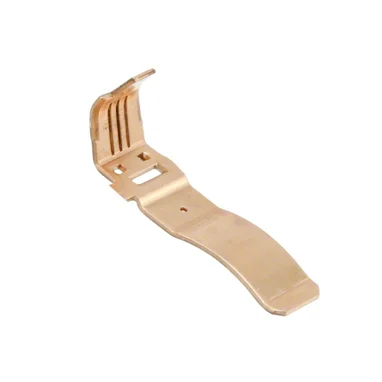
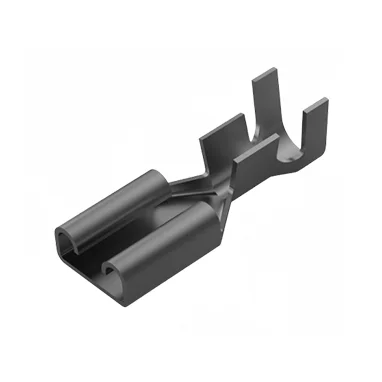
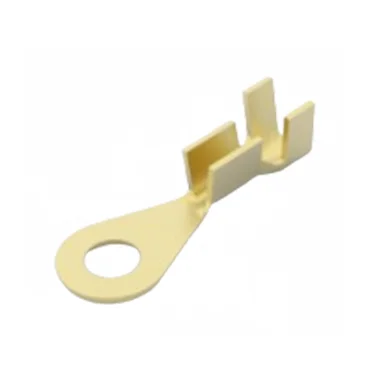
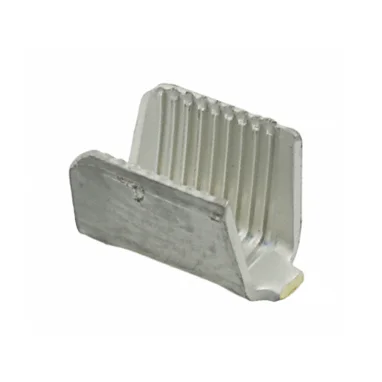
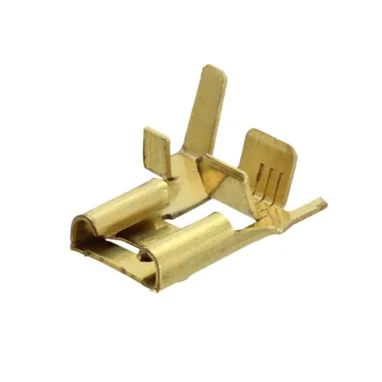
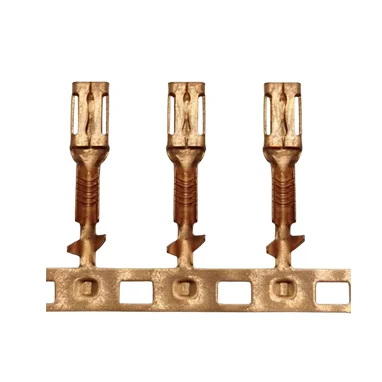
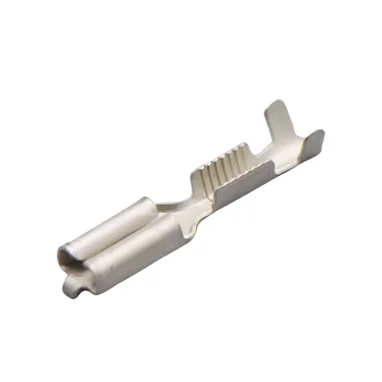
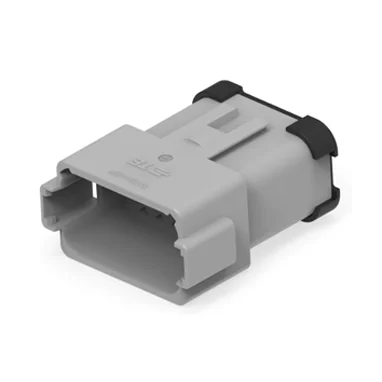
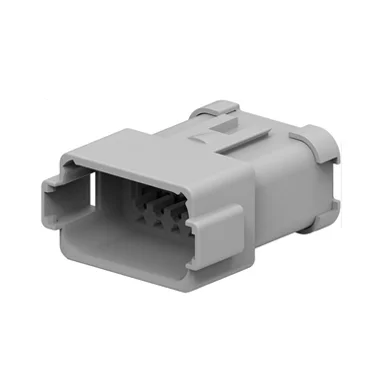
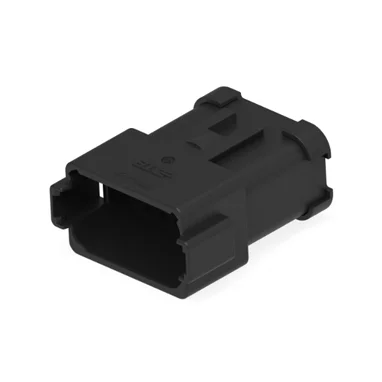
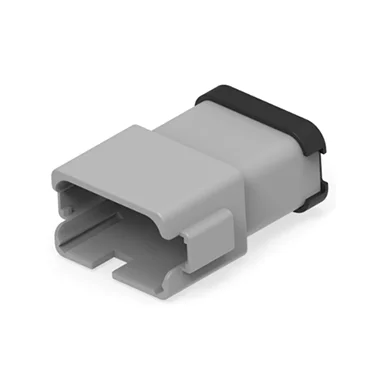
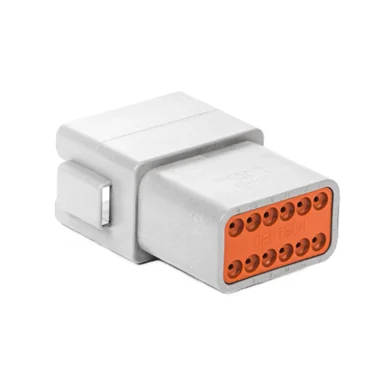
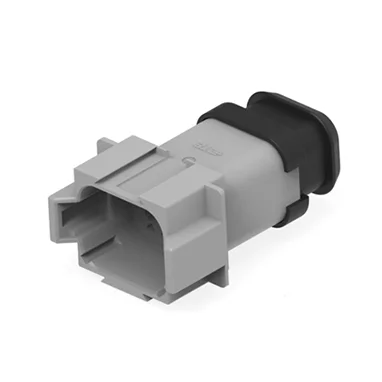
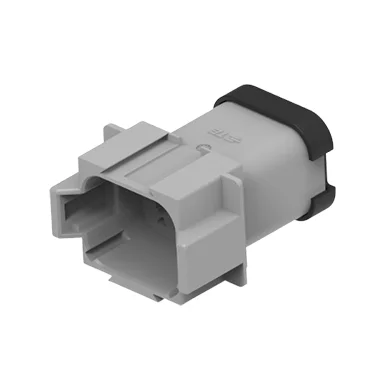
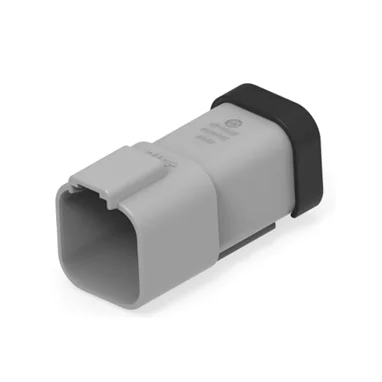
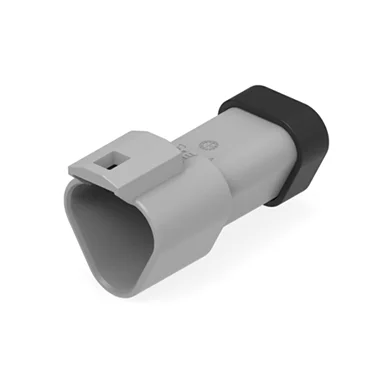
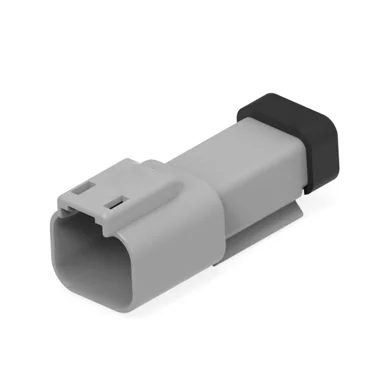
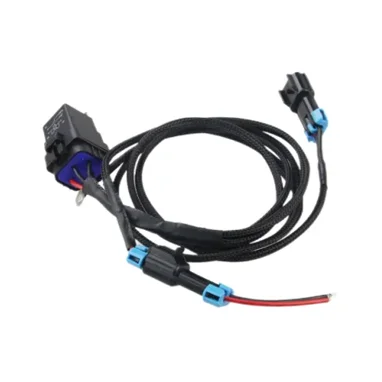
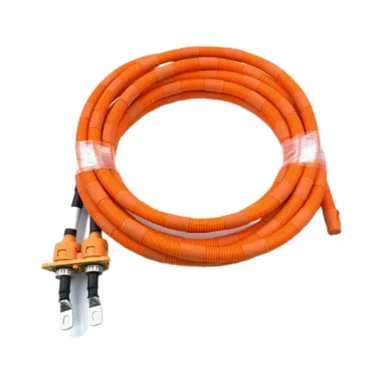
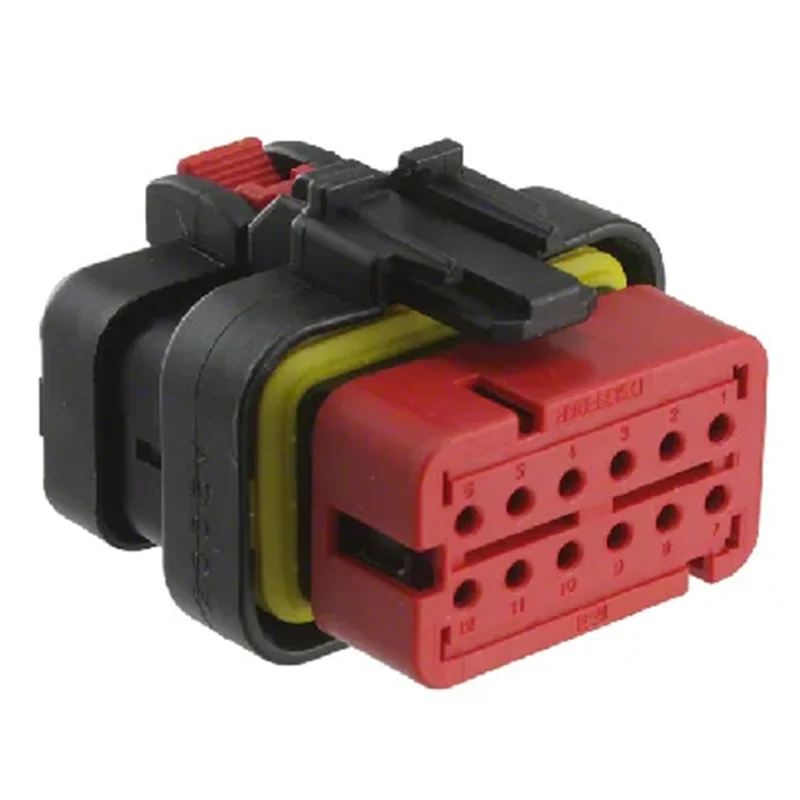
Automotive wiring harness is the main body of the network of automotive circuits, there is no wiring harness there is no automotive circuits. Harness refers to the copper punching and made of contact parts terminals (connectors) and wire and cable crimping, and then outside the plastic pressure insulator or additional metal shells, etc., to the harness bundle formed by connecting the circuit components. Wiring harness industry chain including wire and cable, connectors, processing equipment, wiring harness manufacturing and downstream application industry, wiring harness applications are very wide, available in automobiles, household appliances, computers and communication equipment, various electronic instruments and meters, etc., the body wiring harness connects the entire body, the general shape of the H-shaped.
Classification of automotive wiring harness
Automotive wires, also known as low-voltage wires, it is different from ordinary household wires. Ordinary household wires are copper single-piston wires, with a certain degree of hardness. And automotive wires are copper multi-pistil wire, some soft wire as thin as a hair, several or even dozens of soft copper wire wrapped in plastic insulation tube (PVC), soft and not easy to break.
Due to the specificity of the automotive industry, the manufacturing process of automotive wiring harnesses is also more special than other common wiring harness.
The system of manufacturing automotive wiring harnesses is roughly divided into two categories:
- Divided by Europe and the United States, including China: Use the TS16949 system to control the manufacturing process.
- Japan-based: Such as Toyota, Honda they have their own system to control the manufacturing process.
With the increase of automobile functions and the common application of electronic control technology, there are more and more electrical parts, more and more wires, and the wiring harness becomes thicker and heavier. This is why advanced automobiles have introduced CAN bus configurations that utilize a multiplexed transmission system. Compared with conventional wiring harnesses, the multiplexing device greatly reduces the number of wires and interconnecting plug-ins, making wiring easier.

Commonly Used
Common specifications for wires in automotive wiring harnesses include wires with nominal cross-sectional areas of 0.5, 0.75, 1.0, 1.5, 2.0, 2.5, 4.0, 6.0, etc. square millimeters (the nominal cross-sectional areas commonly used in Japanese cars are 0.5, 0.85, 1.25, 2.0, 2.5, 4.0, 6.0, etc. square millimeters), and each of them has a permissible load current value, which is matched with wires used for different powers. Wire for different power devices. Taking the wiring harness of the whole car as an example, 0.5 specification wire is suitable for instrument lamps, indicator lamps, door lamps, roof lamps, etc.; 0.75 specification wire is suitable for license plate lamps, front and rear lamps, brake lamps, etc.; 1.0 specification wire is suitable for turn signal lamps, fog lamps, etc.; 1.5 specification wire is suitable for headlamps, horns, etc.; the main power wires, such as generator armature wires, hitch wires, etc., require 2.5-4 square millimeters of wires. This only refers to the general car, the key to look at the maximum current value of the load, such as the battery hitch wire, positive power line is a special car wires used separately, their wire diameter is relatively large, at least more than a dozen square millimeters, these “giant” wires will not be programmed into the main wiring harness.
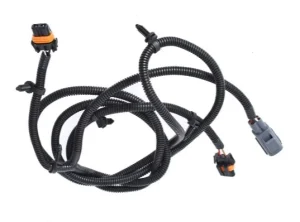
Material
Automotive wiring harnesses also have very strict requirements for materials:
Including its electrical properties, material dispersion, temperature resistance, etc., are higher than the general wiring harness requirements, especially when it comes to safety: such as the direction of the control system, brakes, these important components of the wiring harness, the requirements are more stringent.
In summary, automotive wiring harnesses serve as the backbone of a vehicle’s electrical system, connecting various components to ensure optimal functionality and safety. As vehicles become increasingly complex, the need for reliable and efficient wiring solutions grows. Understanding the intricacies of wiring harnesses—including their classification, common specifications, and stringent material requirements—enables manufacturers and engineers to design systems that meet the evolving demands of modern automotive technology. By prioritizing quality and innovation in wiring harness manufacturing, we can enhance vehicle performance, reliability, and safety, ultimately contributing to a better driving experience.At Jingu, we are dedicated to providing top-tier products that continuously meet the evolving needs of our customers. Over the years, we have successfully developed a diverse range of products, including plastic connectors, relays, control boxes, wiring harnesses, and metal stamping parts, ensuring comprehensive solutions for a variety of applications.