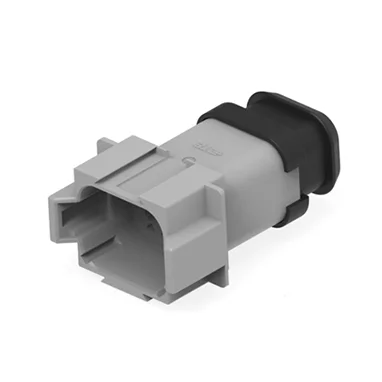
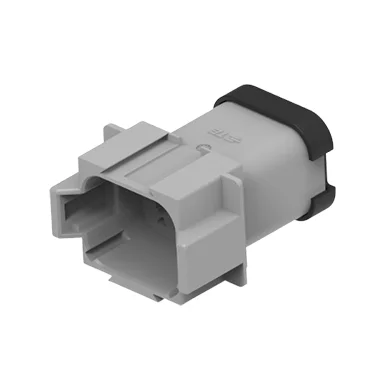
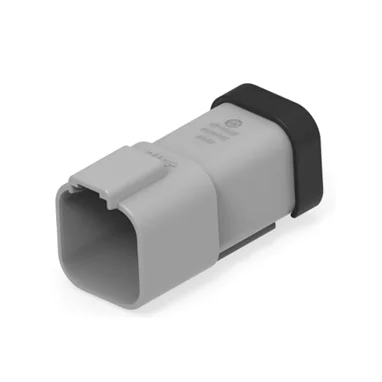
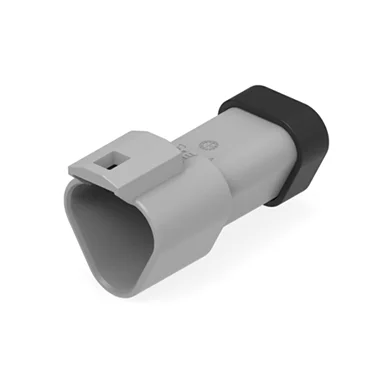
In modern electrical and electronic systems, choosing the right type of connection method is crucial to ensuring reliability, efficiency, and maintainability. While terms like terminal blocks, connectors, and plug-in connectors are often used interchangeably in casual conversation, they represent distinct components with unique characteristics, functions, and application areas.
This article aims to clarify the conceptual differences between these components, outline their scope of use, and explore their respective fields of application. By understanding these distinctions, engineers, technicians, and product designers can make more informed decisions during system design, installation, and maintenance.
Conceptual Differences
What AreTerminal Blocks
Terminal blocks are modular devices that securely connect two or more wires without the need for soldering. They typically consist of a conductive metal strip housed within an insulating plastic body, with screw or spring terminals for wire insertion and clamping.
Key Features:
- Designed for semi-permanent connections
- Require tools (e.g., screwdrivers) for installation or removal
- Provide a stable and secure point for wiring connections
- Available in various configurations (screw-type, push-in, barrier strips, etc.)
Primary Function:
To facilitate easy and reliable wire-to-wire or wire-to-device connections, especially in control panels, distribution boxes, and industrial equipment.
What are Connectors
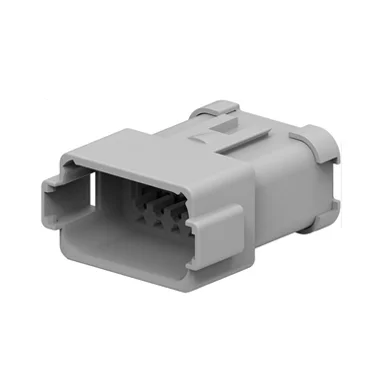
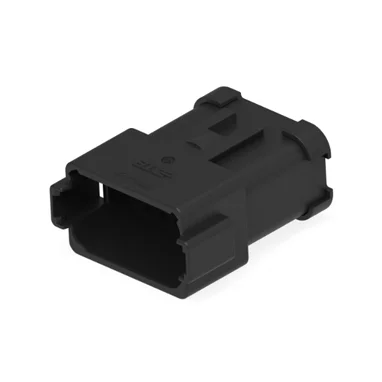
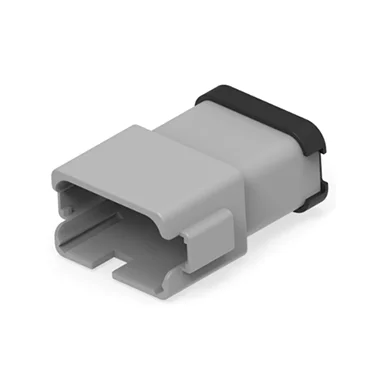
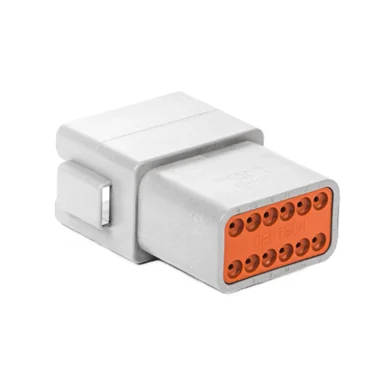
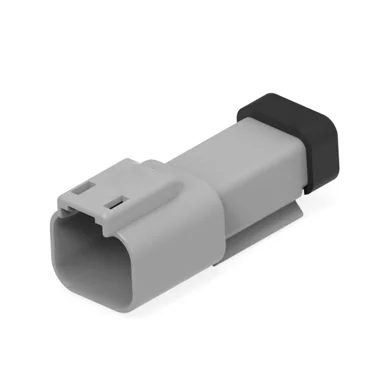
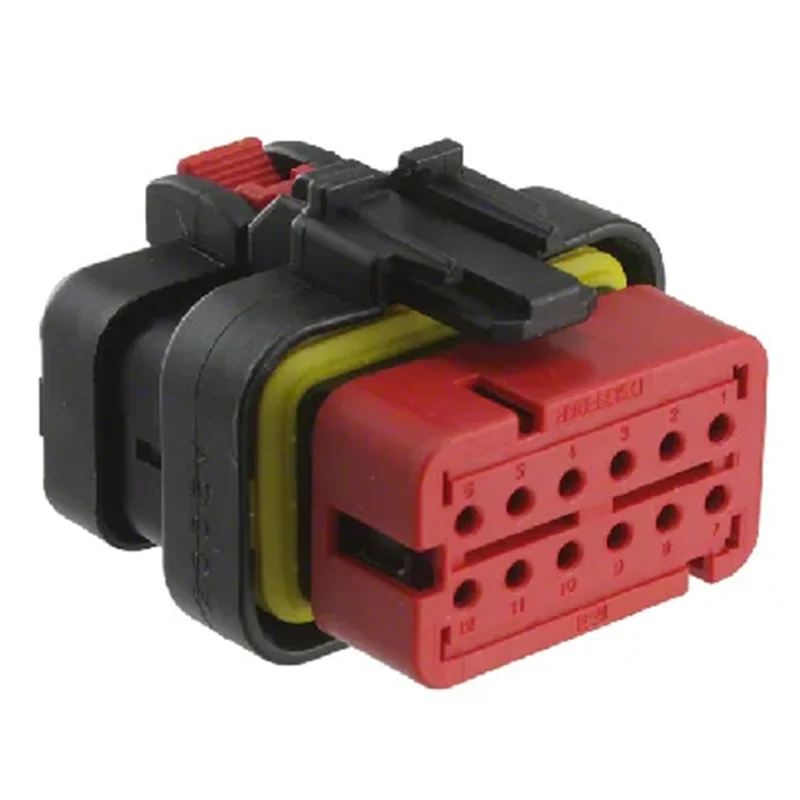
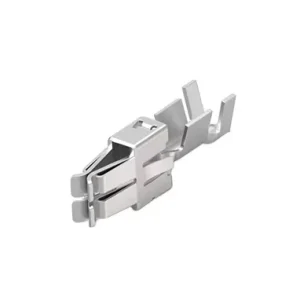
Connectors are electro-mechanical devices that establish temporary or semi-permanent electrical connections between two or more circuits. They usually consist of a male plug and a female socket, allowing for quick engagement and disconnection.
Key Features:
- Designed for frequent plugging and unplugging
- Often integrated into cables, PCBs, or enclosures
- Support both power and signal transmission
- Offer environmental protection (e.g., waterproof, dustproof ratings)
Primary Function:
To enable fast, tool-free connections between different subsystems or components—such as between a sensor and a controller, or a peripheral device and a main unit.
What are Plug-in Connectors
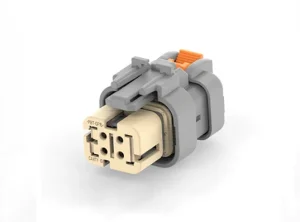
Plug-in connectors are a subset of connectors specifically designed for manual insertion and removal. They emphasize ease of use and are commonly found in consumer electronics and modular industrial systems.
Key Features:
- Intuitive plug-and-play operation
- Usually polarized to prevent incorrect mating
- May include latches or locking mechanisms
- Support hot-swapping in some applications
Primary Function:
To allow users or technicians to quickly install or replace components without special tools, enhancing serviceability and reducing downtime.
Scope of Use
Connector vs. Plug-in Connector
While all plug-in connectors are connectors, not all connectors are designed for frequent manual insertion. For example:
- Standard connectors may be permanently mounted on PCBs or inside equipment housings and only disconnected during servicing.
- Plug-in connectors, on the other hand, are explicitly intended for regular user interaction, such as USB ports, HDMI interfaces, or DIN rail-mounted industrial connectors.
Terminal Block vs. Connector
The distinction lies in the permanence and method of connection:
| Feature | Terminal Block | Connector |
|---|---|---|
| Connection Type | Semi-permanent, tool-assisted | Temporary, plug-in |
| Number of Wires | Typically one or two per terminal | Multiple pins/circuits in one housing |
| Installation Method | Screwdriver or crimping tool | Manual plug-in |
| Typical Use | Power input/output, control wiring | Signal/data transfer, inter-device links |
Terminals are ideal for fixed installations where wires are seldom changed, while connectors are preferred when flexibility and modularity are needed.
Application Fields
Terminal Blocks
Terminal blocks are widely used in industrial and power systems due to their robustness and simplicity. Common applications include:
- Control cabinets: Used to connect PLC inputs/outputs, relays, and motor drives.
- Power distribution: Facilitate safe and organized connections in switchgear and breaker panels.
- HVAC systems: Manage thermostat and fan wiring.
- Lighting fixtures: Allow easy replacement of bulbs or ballasts.
- Railway and transportation: Employed in train control systems and onboard power management.
Types of terminal blocks include:
- PCB terminal blocks
- Spring clamp terminal blocks
- Barrier terminal strips
- Fuse holders and disconnect terminals
Connectors
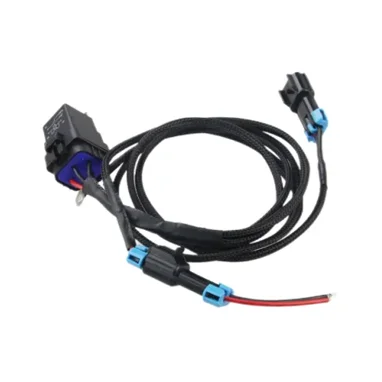
Connectors are essential in almost every electronic and electrical field, particularly where modularity and accessibility are important. Key applications include:
- Consumer electronics: USB, HDMI, audio jacks, battery connectors
- Automotive: OBD-II ports, CAN bus connectors, lighting modules
- Industrial automation: M8/M12 connectors for sensors and actuators
- Telecommunications: RJ45 Ethernet, fiber optic connectors
- Medical devices: High-reliability connectors for diagnostic and monitoring equipment
Common connector types:
- Circular connectors (e.g., MIL-DTL-5015)
- Rectangular connectors (e.g., D-subminiature)
- Board-to-board connectors
- Wire-to-board connectors
Plug-in Connectors
These connectors are particularly popular in scenarios requiring frequent disassembly or end-user interaction:
- Data centers: Hot-swappable server and storage connectors
- Networking: Modular patch cables with RJ45 or SFP connectors
- Home appliances: Detachable power cords, internal module connectors
- Industrial IoT: Quick-connect sensors and wireless modules
- Robotics: Tool-change interfaces using plug-in connectors for power and data
Comparative Summary
| Parameter | Terminal Block | Connector | Plug-in Connector |
|---|---|---|---|
| Connection Method | Screw/clamp | Plug-in | Manual plug-in |
| Permanence | Semi-permanent | Variable | Temporary |
| Tool Required | Yes | No | No |
| Typical Use Case | Fixed wiring, power distribution | Inter-device links | User-accessible connections |
| Complexity | Low | Medium to high | Medium |
| Cost | Low to moderate | Moderate to high | Moderate |
Choosing the Right Connection Method
Selecting between terminal blocks, connectors, and plug-in connectors depends on several factors:
- Frequency of Disconnection: If the connection needs to be frequently changed, a plug-in connector is preferable.
- Environmental Conditions: Harsh environments may require sealed connectors or rugged terminal blocks.
- Space Constraints: Miniature connectors or stacked terminal blocks can be selected based on available space.
- Signal vs. Power Requirements: High-current applications favor terminal blocks; high-speed signals favor specialized connectors.
- User Accessibility: Plug-in connectors are better suited for end-users or technicians who need to perform maintenance without tools.
Conclusion
Although terminal blocks, connectors, and plug-in connectors serve similar purposes—establishing electrical continuity—they differ significantly in structure, function, and usage. Understanding these distinctions enables engineers and designers to choose the most appropriate solution for each specific application.
As systems become more complex and interconnected, the importance of selecting the correct connection technology cannot be overstated. Whether it’s the robust simplicity of a terminal block, the versatility of a standard connector, or the convenience of a plug-in interface, each plays a vital role in ensuring the performance, safety, and longevity of electrical and electronic systems.
Further Reading
For those looking to deepen their knowledge, consider exploring:
- Industry standards (e.g., IEC 60998 for terminal blocks, IEC 60603 for connectors)
- Manufacturer datasheets and selection guides
- Training resources from connector suppliers and industry associations
By staying informed about the latest developments in connection technologies, professionals can continue to enhance the reliability and efficiency of their designs.