In today’s fast-paced manufacturing environment, connector assembly plays a critical role in ensuring the performance and reliability of electronic systems. As product designs become more complex and compact, maintaining high efficiency during assembly becomes increasingly challenging. Companies must address issues such as mating errors, ergonomic risks, and operational inefficiencies while meeting evolving industry demands.
This article explores the most effective strategies to improve connector assembly efficiency, focusing on design optimization, error prevention techniques, and process improvements that support high-quality production.

Understanding the Challenges in Connector Assembly
Connector assembly involves matching various wire-to-wire or wire-to-board components with precision. However, several challenges can slow down the process and increase error rates:
- Cross-mating and mismating: Even minor differences in connector design can lead to incorrect pairing between different brands or models.
- Complexity of multi-circuit connectors: Small size and similar appearance make identification difficult, especially under time pressure.
- Labeling and language barriers: Lost labels or unfamiliar languages can cause confusion among operators.
- Ergonomic strain: Repetitive tasks increase the risk of musculoskeletal injuries, leading to higher labor costs and reduced productivity.
These issues highlight the need for a structured approach to improving assembly efficiency without compromising quality.
Leveraging Keying Technology to Prevent Mating Errors
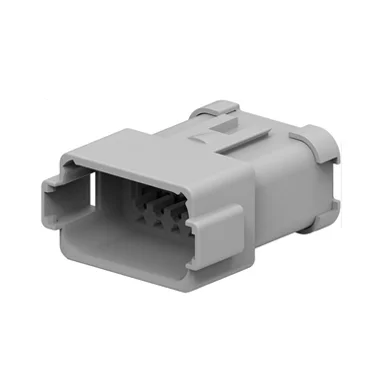
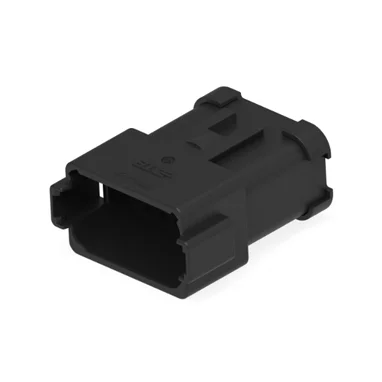
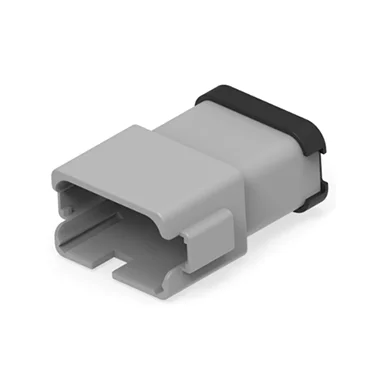
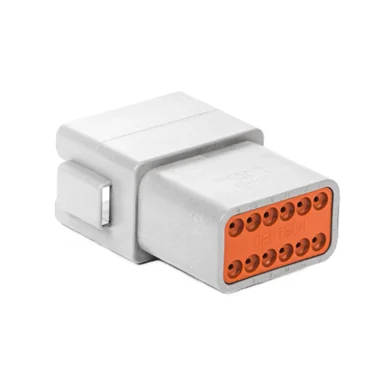
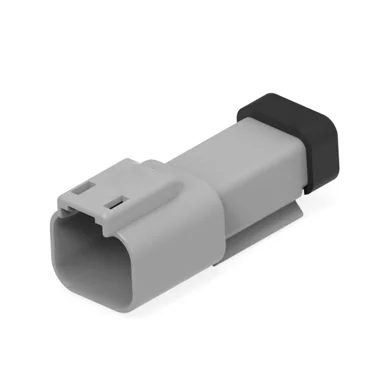
One of the most effective ways to reduce assembly errors is by integrating keying technology into connector design. This method ensures correct mating through mechanical or visual cues, significantly lowering the risk of cross-mating and mismating.
What Is Keying?
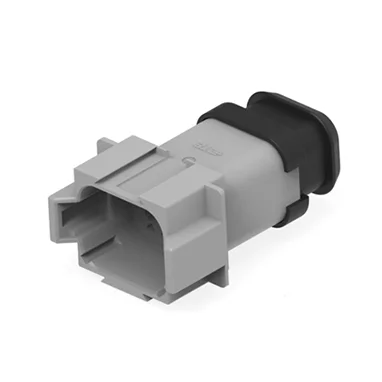
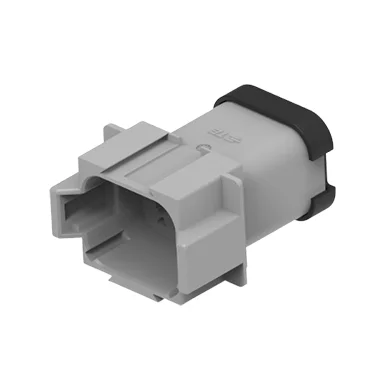
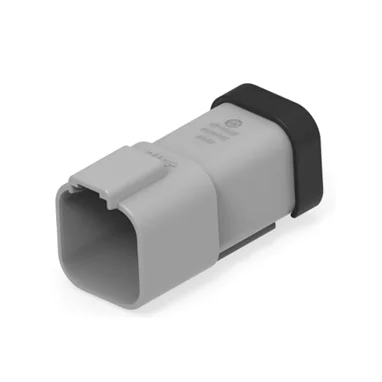
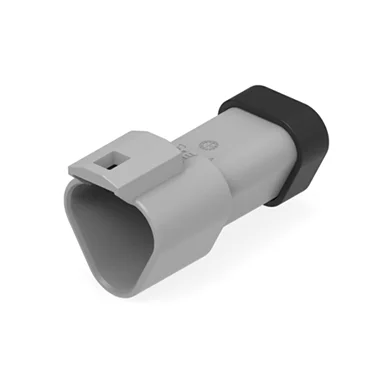
Keying refers to physical features built into connectors that allow only compatible parts to mate. It includes:
- Mechanical keying: Unique shapes or protrusions prevent mismatched connectors from being inserted incorrectly.
- Color-coded keying: Distinct colors or markings help operators quickly identify matching pairs.
- Polarization features: Design elements ensure connectors are inserted in the correct orientation.
Benefits of Keying in Assembly
- Reduces reliance on operator memory or label reading
- Eliminates costly rework due to incorrect connections
- Increases confidence in blind mating scenarios
- Supports faster learning curves for new employees
These principles are widely used in automotive connector applications, where safety and performance are paramount.
Best Practices for Improving Assembly Efficiency
Beyond adopting keying solutions, companies can implement several best practices to enhance connector assembly performance across their operations.
1. Standardize Connector Types and Labeling Systems
Using a consistent set of connectors within a product line minimizes confusion and reduces inventory complexity. Additionally, standardizing labeling with clear symbols or multilingual text improves readability across global teams.
Standardization also supports OEM solutions, allowing manufacturers to maintain consistency across multiple product lines and customer requirements.
2. Integrate Automation and Visual Assistance Tools
Automated crimping machines, robotic insertion systems, and vision-based inspection tools can significantly boost speed and accuracy. These technologies also reduce human fatigue and error rates in high-volume production settings.
3. Optimize Connector Design for Human Factors
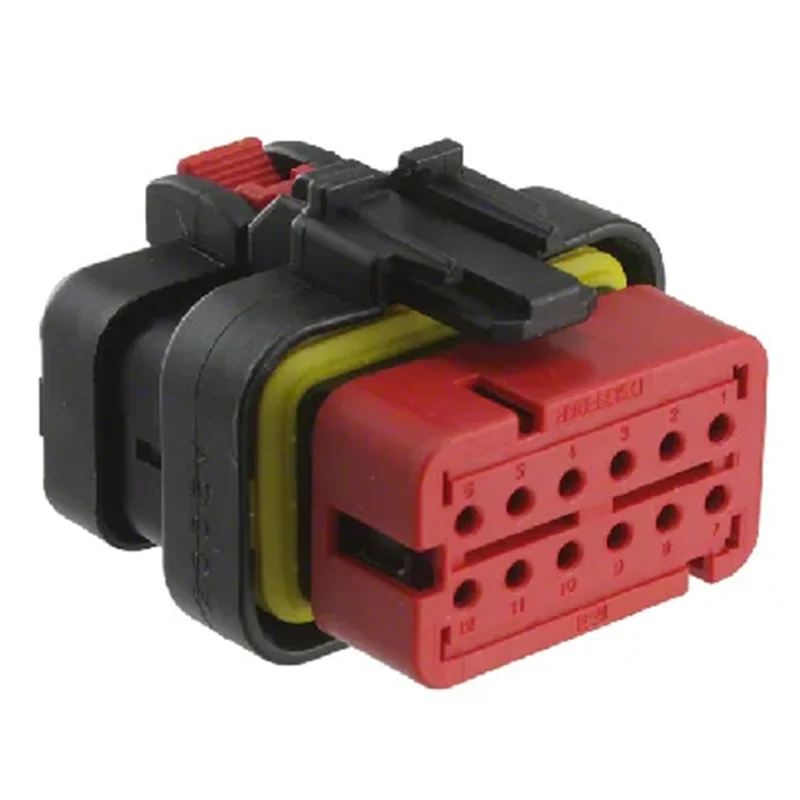
Designing connectors with tactile feedback (e.g., audible clicks), anti-snagging edges, and easy-insertion mechanisms enhances ergonomics and reduces assembly time. Features like terminal position assurance (TPA) further ensure secure connections.
4. Train Operators on Error Prevention and Tool Use
Investing in comprehensive training programs helps workers understand connector types, mating procedures, and error detection techniques. Well-trained teams are more efficient and less prone to mistakes.
5. Conduct Continuous Process Evaluation
Manufacturers should regularly review assembly data—such as cycle times, defect rates, and rework volumes—to identify bottlenecks and areas for improvement. Data-driven insights enable targeted adjustments that enhance overall efficiency.
![1355328-1 Female 2 Pins Auto connectorHousing for Female Terminals, Wire-to-Wire, 2 Position, .649 in [16.5 mm] Centerline, Sealable, Black, Power, Cable Mount (Free-Hanging), Hybrid](https://www.gvei.com/wp-content/uploads/2024/11/企业微信截图-20250614161248-1749889759-300x222.webp)
Supporting Design Features That Enhance Performance
Modern connectors often include additional design features that complement keying and further improve assembly outcomes:
| Feature | Description | Impact |
|---|---|---|
| Compact housing | Minimizes PCB space usage | Enables miniaturization |
| Housing barriers | Separate individual circuits | Reduces arc discharge risk |
| Shell polarization | Ensures correct orientation | Prevents reverse mating |
| Retainer mechanism | Secures full terminal insertion | Protects against moisture ingress |
| Pressure lock housing | Provides tactile and auditory feedback | Speeds up verification |
| Terminal Position Assurance (TPA) | Locks terminals in place | Reduces contact failure risk |
| Anti-snagging design | Smooth edges for easier insertion | Lowers wear and damage risk |
| Halogen-free materials | Resistant to high-temperature processes | Meets environmental and safety standards |
| Glow-wire compliance | Fire-resistant properties | Enhances consumer safety |
These enhancements not only improve assembly efficiency but also contribute to long-term product reliability and user safety.
Industry Applications of Efficient Connector Assembly
Efficient connector assembly is essential across multiple sectors, each with unique requirements:
- Automotive: High-vibration environments demand robust, error-proof connectors to maintain signal integrity.
- Consumer Electronics: Miniaturized devices require precise assembly to ensure functionality in tight spaces.
- Industrial Equipment: Harsh conditions necessitate durable connectors that resist dust, moisture, and temperature extremes.
- Healthcare: Medical devices must operate flawlessly, making accurate assembly critical to patient safety.
- Telecommunications & Defense: Mission-critical applications rely on connectors that deliver reliable performance under stress.
Adopting advanced connector technologies tailored to these industries supports both efficiency and compliance with sector-specific standards.
Conclusion: Driving Efficiency Through Smart Connector Design
Improving connector assembly efficiency requires a strategic combination of design innovation, process optimization, and workforce development. By implementing keying technology, standardizing connector selection, leveraging automation, and designing for ergonomics, manufacturers can significantly reduce errors, lower costs, and accelerate production timelines.
As electronics continue to evolve, prioritizing smart connector design and efficient assembly practices will remain essential for maintaining competitive advantage in global markets.
Are you looking for reliable, high-efficiency connector solutions that minimize assembly errors and maximize productivity? At GVEI, we specialize in advanced connector technologies designed to meet the highest standards of performance and ease of use.
Contact us today to discuss your specific application needs and discover how our products can help you streamline your manufacturing process. Let’s build smarter, safer, and more efficient systems together.