In modern vehicles, electrical systems are the backbone of performance, safety, and comfort. From engine management to infotainment, everything relies on stable electrical connections. Among these critical components, wiring harness connectors—especially waterproof plugs—are often overlooked until they fail.
A poorly chosen or low-quality connector plug can lead to intermittent power loss, sensor malfunctions, or even complete system failure. Imagine driving in heavy rain only to lose headlights or control signals due to water ingress. This is not just inconvenient—it can be dangerous.
Therefore, selecting the right waterproof plug for your car’s wiring harness is not just about connectivity; it’s about ensuring long-term reliability, durability, and safety under real-world conditions.
What Is a Waterproof Plug?
Definition and Function
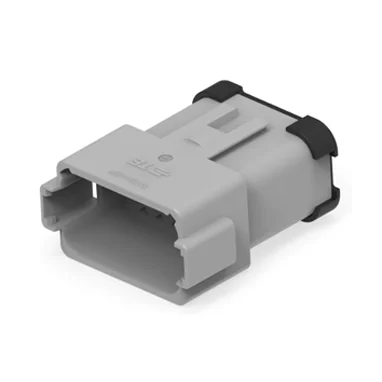
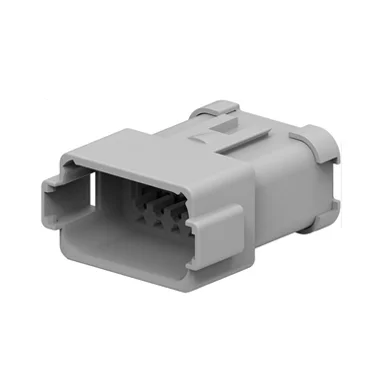
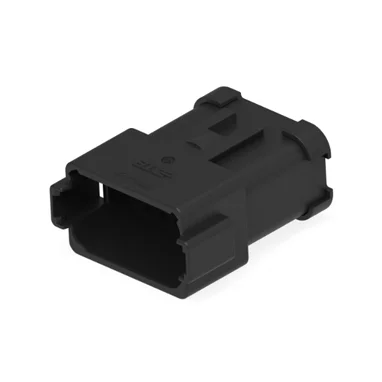
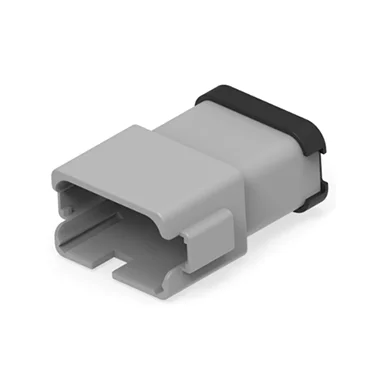
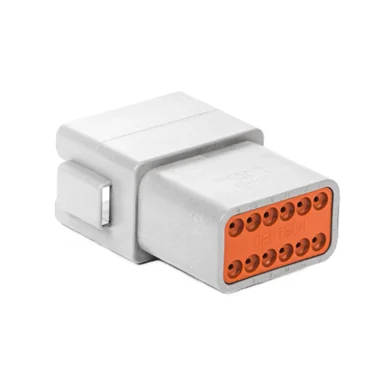
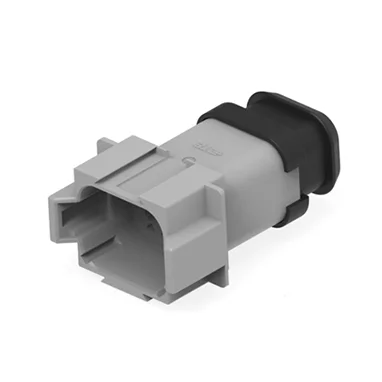
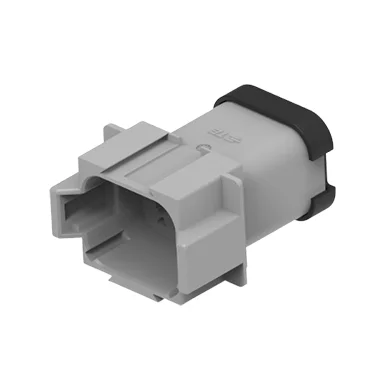
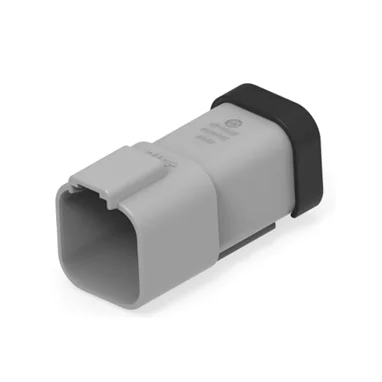
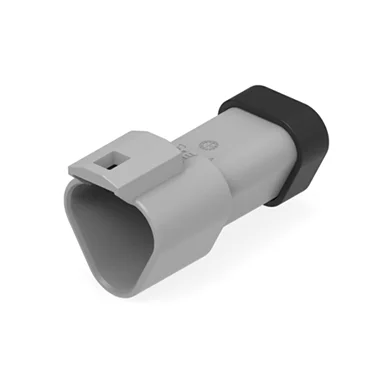
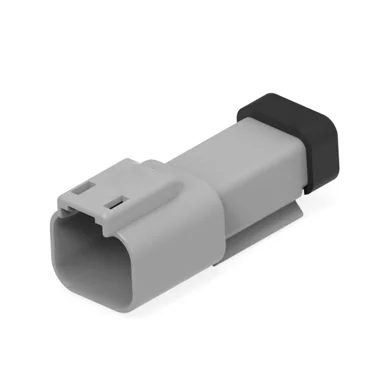
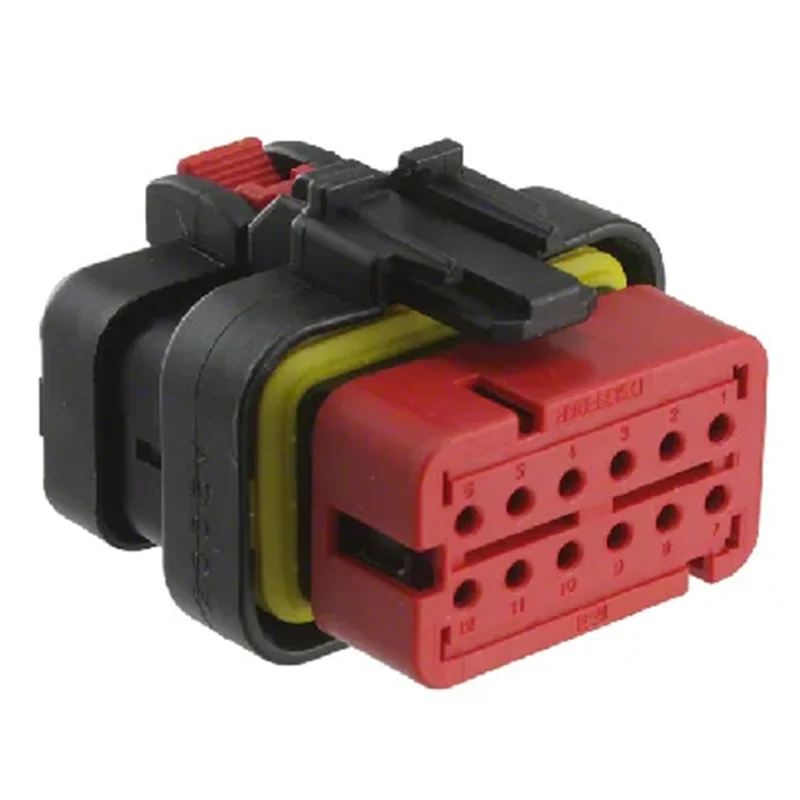
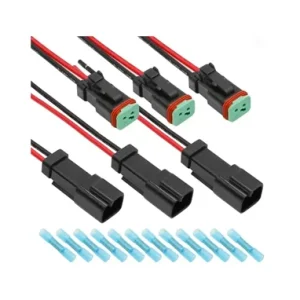
A waterproof plug is a type of electrical connector designed to prevent moisture and dust from entering the connection point. It typically consists of:
- A plastic housing made from materials like PA66 (polyamide), PBT (polybutylene terephthalate), or thermoplastic elastomers
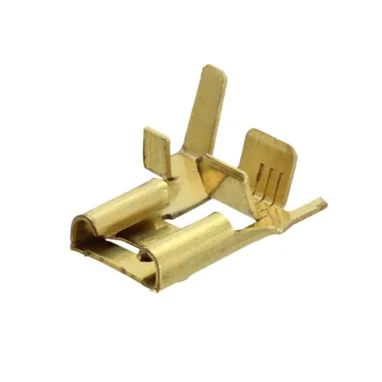
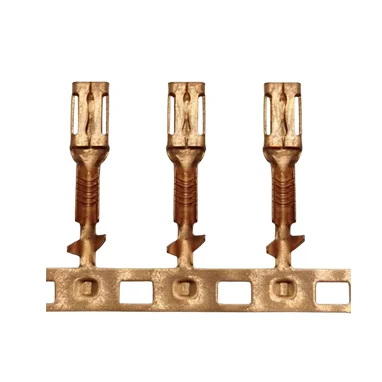
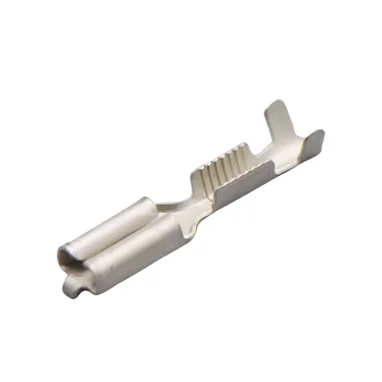
- Metal contact pins with corrosion-resistant plating (e.g., gold-plated copper alloy)
- Rubber seals or gaskets that ensure tight sealing when mated with its socket
These features collectively provide environmental protection, ensuring the integrity of the electrical signal or power transmission even in wet or dusty environments.
Understanding IP Ratings
The IP (Ingress Protection) rating defines how well a connector resists intrusion from solids (like dust) and liquids (like water). For automotive applications, common ratings include:
| IP Rating | Protection Level | Typical Use Case |
|---|---|---|
| IP65 | Dust-tight + protected against water jets | Under-hood sensors, exterior lighting |
| IP67 | Dust-tight + withstands immersion up to 1m for 30 min | Engine bay, door modules, electric vehicle systems |
| IP68 | Dust-tight + continuous submersion in water | High-end EV battery packs, underwater sensors |
Choosing the correct IP rating depends on where the connector will be installed and the severity of the environment it will face.
Key Factors in Choosing a Waterproof Plug
Electrical Specifications
Current and Voltage Limits
Ensure the connector supports the maximum current and voltage required by the connected component. Overloading can cause overheating, oxidation, or even fire hazards.
Example:
- A headlight connector may require 10–15A at 12V DC
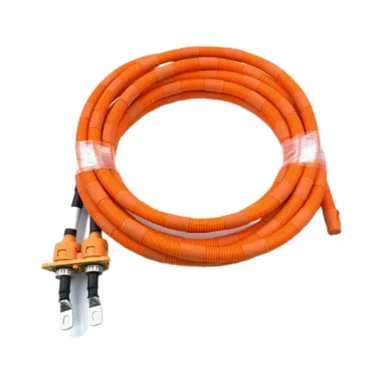
- An EV battery pack connector may handle hundreds of volts and several hundred amps
Always refer to the manufacturer’s datasheet for rated values.
Compatibility with Vehicle Systems
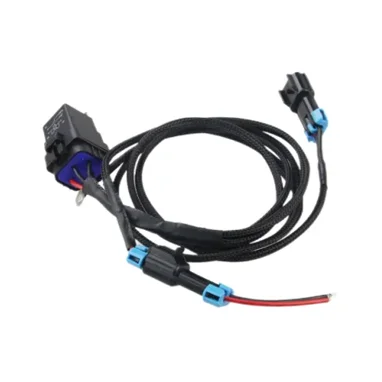
Check whether the plug matches the existing wiring harness design, including:
- Pin count and configuration
- Wire gauge compatibility (e.g., AWG 18–22 for signal lines, AWG 10–14 for power lines)
- Connection method (crimping, soldering, or PCB mount)
Mismatched connectors can result in poor contact, increased resistance, and premature failure.
Environmental Resistance
Water and Dust Protection (IP Rating)
As discussed earlier, select a connector with an IP rating suitable for its installation location:
- Engine compartment: IP67 recommended
- Underbody or wheel wells: IP68 preferred
- Interior use: IP65 may suffice
Temperature Range
Automotive connectors must endure extreme temperatures—from freezing winters to scorching engine bays. Ensure the connector operates within the following range:
- Operating temperature: -40°C to +125°C (standard for most automotive connectors)
- Material stability: Avoid plastic housings prone to warping or cracking under heat
Mechanical and Material Properties
Durable Materials
Choose connectors made from high-performance plastics and corrosion-resistant metals, such as:
- PA66 (Nylon 66): Heat-resistant, durable, commonly used in OEM connectors
- PBT (Polybutylene Terephthalate): Excellent dimensional stability and chemical resistance
- Thermoplastic Elastomers (TPE): Used for flexible seals and rubber-like parts
Ease of Installation and Maintenance
Opt for connectors with:
- Clear polarity markings
- Positive locking mechanisms (to avoid accidental disconnection)
- Tool-less mating/unmating (where possible)
Regular maintenance includes:
- Visual inspection for cracks or deformation
- Cleaning with contact cleaner if oxidation occurs
- Replacing damaged seals or gaskets promptly
Applications in Different Vehicle Types and Conditions
| Use Case | Recommended IP Rating | Connector Type | Special Requirements |
|---|---|---|---|
| Headlights / Tail Lights | IP67 | Multi-pin waterproof plug | UV resistance, high-temperature tolerance |
| Engine Sensors (MAP, MAF, etc.) | IP67 | Single/dual pin connectors | Oil and fuel resistance |
| Electric Vehicle Battery Connectors | IP67/IP68 | High-voltage multi-core connectors | Insulation monitoring, arc suppression |
| Door Modules | IP65 | Miniature wire-to-board connectors | Compact size, vibration resistance |
| Off-road Vehicles | IP68 | Heavy-duty connectors | Mud/water resistance, impact strength |
Each application has unique requirements. Always verify the operating environment before selection.

Benefits and Use Cases of Waterproof Car Connectors
Enhanced Safety and Reliability
Waterproof connectors prevent:
- Short circuits
- Corrosion of contacts
- Signal interference
- System shutdowns during rain or car washes
This ensures consistent operation of critical systems like ABS, airbags, and engine control units (ECUs).
Extended Lifespan of Components
By protecting internal electronics from moisture and debris, waterproof connectors help:
- Reduce repair frequency
- Minimize downtime
- Lower long-term maintenance costs
Common Application Areas
- Cars and Trucks: Lighting systems, GPS modules, sensors
- Boats and Marine Equipment: Electrical systems exposed to saltwater and humidity
- Off-road Vehicles: Connectors for winches, lights, and auxiliary equipment
- Electric Vehicles (EVs): Battery management, fast charging ports, motor controllers
Selection and Maintenance Tips
Selection Tips
Understand Your Needs
Consider:
- The function of the circuit (power vs. signal)
- Operating environment (wet, oily, hot)
- Expected lifespan of the vehicle or component
Consult Experts
When in doubt, consult professionals or manufacturers. Automotive experts can guide you through:
- Proper crimping tools
- Contact material options
- Custom connector solutions for specialty builds
Maintenance Tips
Regular Inspection and Cleaning
- Check connectors every 6–12 months for signs of wear
- Clean contacts using dielectric grease or contact cleaner
- Replace damaged seals immediately
Storage and Handling
- Store unused connectors in a dry, cool place
- Avoid exposure to direct sunlight or chemicals
- Handle carefully to prevent mechanical damage
Frequently Asked Questions (FAQ)
Q1: What do car electrical connectors do?
They enable secure and reliable transfer of power and signals between vehicle components, ensuring smooth operation of systems like lighting, sensors, and control modules.
Q2: What should I consider when choosing car connectors?
Evaluate electrical specs (voltage/current), environmental protection (IP rating), material durability, and compatibility with your vehicle’s wiring system.
Q3: What risks come with using car electrical connectors?
Poor quality or mismatched connectors can cause electrical shorts, corrosion, signal loss, and even fire hazards.
Q4: What are common types of car electrical connectors?
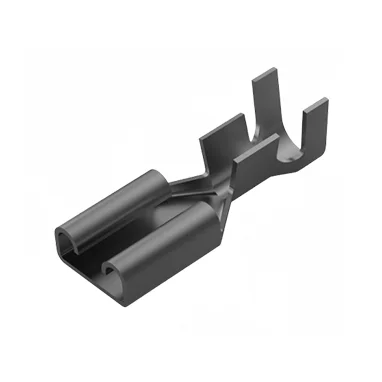
Popular types include blade connectors, pin connectors, Deutsch-style connectors, and sealed automotive connectors like Metri-Pack and AMP Superseal.
Q5: How can I ensure my connectors are waterproof?
Choose connectors with appropriate IP ratings, inspect seals regularly, and apply conformal coating or heat shrink tubing for added protection.
Q6: Can I install car connectors myself?
Yes, with proper tools and knowledge. However, for high-voltage systems (e.g., EVs), professional installation is strongly recommended.
Q7: How often should I check my car’s connectors?
Inspect them every 6–12 months or after major weather events (e.g., floods, car washes).
Q8: Which materials are best for durable connectors?
PA66, PBT, and thermoplastic elastomers offer excellent durability, thermal stability, and chemical resistance.
Q9: Why is choosing the right connector important for my car?
It ensures safe, efficient operation of critical systems, reduces maintenance needs, and enhances overall vehicle longevity.
Q10: Where can I learn more about car connectors?
Refer to manufacturer websites, technical data sheets, automotive forums, or webinars hosted by companies like TE Connectivity, Amphenol, and Delphi.
Conclusion
Selecting the right waterproof plug for your car’s wiring harness is a decision that directly impacts performance, safety, and maintenance. By understanding key factors such as IP rating, electrical specifications, material durability, and environmental exposure, you can make informed choices that enhance your vehicle’s reliability.
Whether you’re working on a daily driver, a custom build, or an electric vehicle project, investing time in choosing the right connector pays off in the long run. Remember to maintain these connectors regularly and seek expert advice when necessary.
With this guide, you now have the foundation to confidently choose, install, and care for waterproof connectors tailored to your specific automotive needs.