In today’s high-performance automotive and industrial environments, connectors play a crucial role in ensuring reliable electrical connections. They enable the smooth transmission of power and signals, allowing equipment to function efficiently and safely.
However, not all connectors are created equal. When it comes to harsh environments or critical applications, understanding the difference between sealed and unsealed connectors becomes essential for engineers, procurement teams, and system designers alike.
Let’s dive into what sets these two types apart and how to choose the right one for your specific needs.
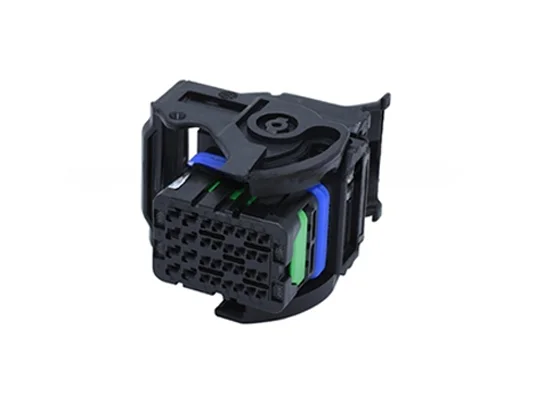
What Are Sealed Connectors?
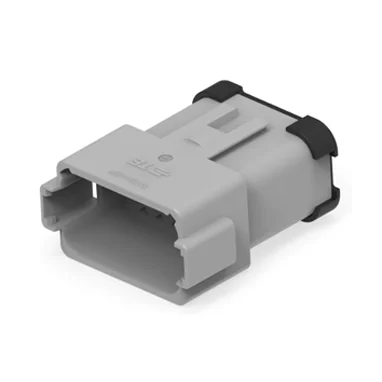
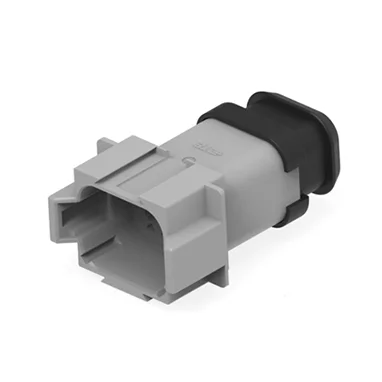
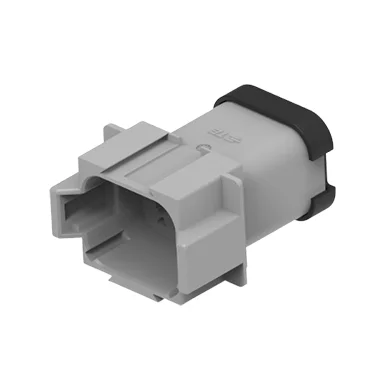
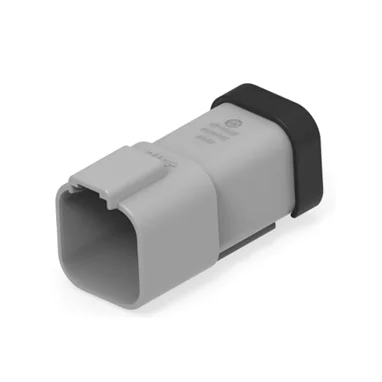
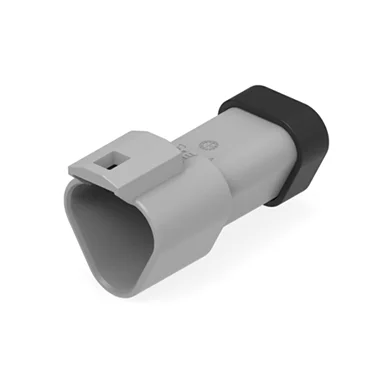
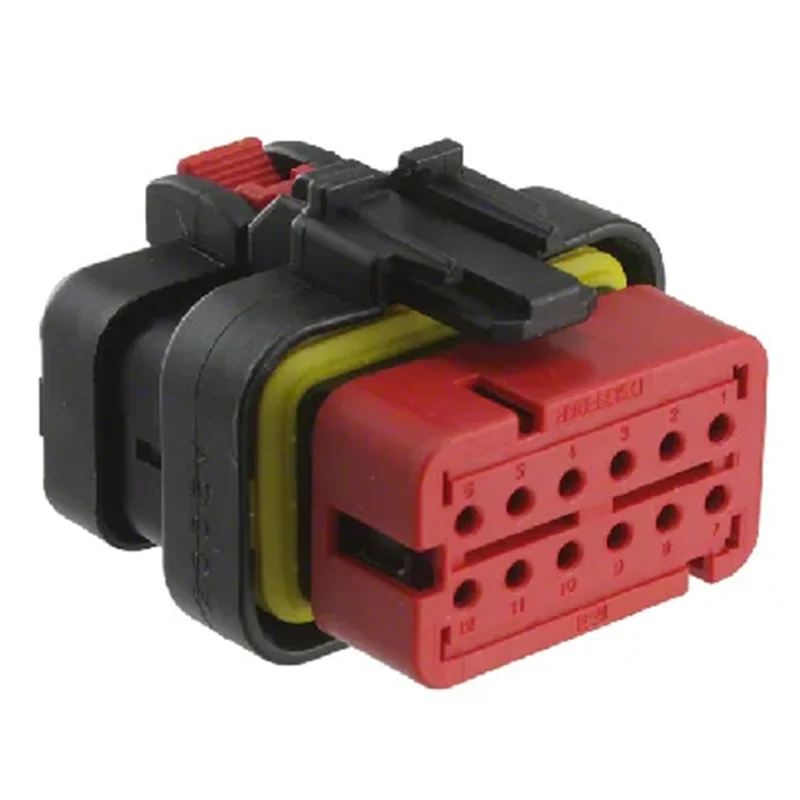
Sealed connectors are specially designed to provide protection against external environmental factors such as water, dust, and corrosion. These connectors incorporate sealing elements like rubber gaskets, O-rings, or specialized housing structures that prevent contaminants from entering the connection point.
Key Features:
- High sealing performance
- Waterproof and dustproof (often rated IP67 or IP68)
- Corrosion-resistant materials
- Secure locking mechanisms
Typical Applications:
- Automotive engine control units (ECUs)
- ABS sensors and braking systems
- Marine and aerospace electronics
- Outdoor industrial equipment
Sealed connectors ensure stable operation even in extreme conditions, making them ideal for safety-critical and long-term reliability applications.
What Are Unsealed Connectors?
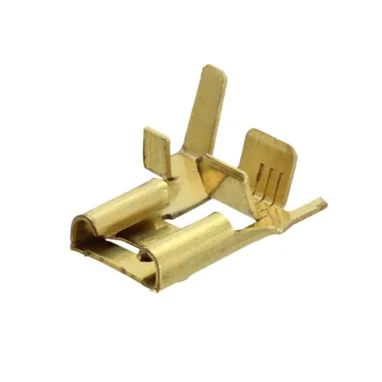
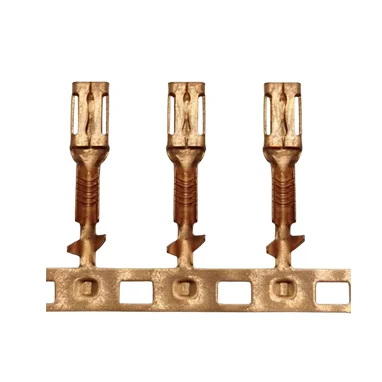
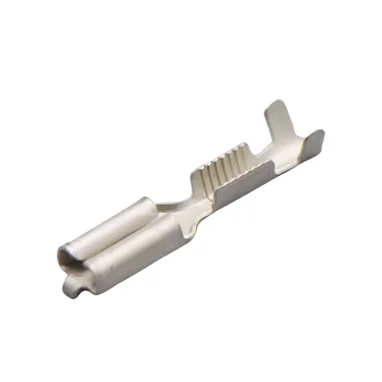
Unlike sealed connectors, unsealed connectors do not feature waterproof or dustproof designs. Their structure is simpler and more cost-effective, making them suitable for use in controlled indoor environments where exposure to moisture or dirt is minimal.
Key Features:
- Simpler design and lower cost
- No special sealing components
- Limited protection against environmental factors
Typical Applications:
- Internal wiring in household appliances
- IT hardware and data center equipment
- Non-critical internal automotive circuits
Unsealed connectors are commonly used in applications where ease of access and cost-efficiency are more important than environmental resistance.
Key Differences Between Sealed and Unsealed Connectors
| Feature | Sealed Connectors | Unsealed Connectors |
|---|---|---|
| Sealing Performance | High (water & dust resistant) | Low or none |
| Protection Level | IP67 / IP68 rated | Not rated |
| Environmental Suitability | Harsh outdoor or industrial | Indoor, dry environments |
| Cost | Higher due to added sealing features | Lower cost |
| Durability | Longer lifespan under stress | Shorter life in harsh conditions |
Choosing between the two depends heavily on the operating environment and the required level of reliability.
How to Choose the Right Type for Your Application
Selecting the correct connector type involves evaluating several key factors:
- Environmental Conditions: Will the connector be exposed to moisture, dust, chemicals, or extreme temperatures?
- Criticality of Connection: Is the circuit part of a safety-related system (e.g., ABS, airbag)?
- Installation Location: Is it inside a vehicle or building, or outdoors/under the hood?
- Budget Considerations: Do you need a cost-effective solution or can you invest in higher protection?
A well-informed decision ensures both performance and longevity.
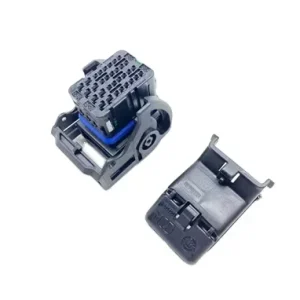
Maintenance Tips for Both Connector Types
Regardless of whether you’re using sealed or unsealed connectors, regular maintenance is essential to ensure optimal performance and extended service life.
Visual Inspection
Check for damage to the housing, pins, or seals (especially in sealed connectors).
Cleaning
Use a clean cloth or soft brush to remove dust and debris. Avoid aggressive solvents.
Electrical Testing
Use a multimeter to test continuity and resistance. For sealed connectors, perform periodic pressure or water ingress tests if applicable.
Proper Installation
Always follow manufacturer guidelines to avoid misalignment or damage during installation.
Real-World Use Cases
Automotive ABS System
Sealed connectors are used in anti-lock braking systems (ABS), where they must withstand road spray, mud, and temperature extremes.
Home Audio Equipment
Unsealed connectors are widely used in internal speaker wiring or amplifier connections, where environmental exposure is minimal.
These examples highlight how application-specific requirements drive the choice between sealed and unsealed connectors.
Why Quality Matters: Choosing Certified Components
At Jingu Auto Parts Co., Ltd., we understand the importance of quality and reliability in every component we produce. Our products are manufactured under strict standards and have passed IATF 16949:2016 certification, ensuring consistent quality across all our connector lines.
We offer both sealed and unsealed connector solutions tailored to your project’s needs, supported by comprehensive R&D, mold design, production, and inspection capabilities.
Conclusion: Make the Right Choice for Long-Term Performance
Sealed connectors are essential for environments where durability and protection are non-negotiable. Unsealed connectors, while less robust, offer a practical and economical option for indoor and low-risk applications.
Understanding the differences helps you make informed decisions that enhance system reliability, reduce downtime, and support long-term operational success.