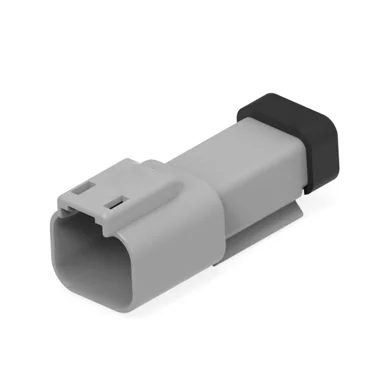
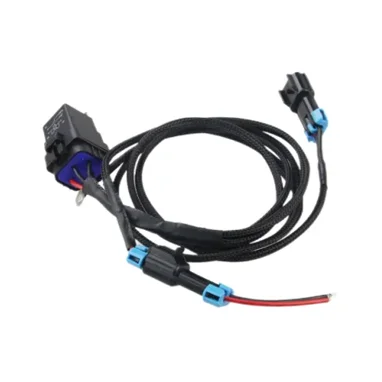
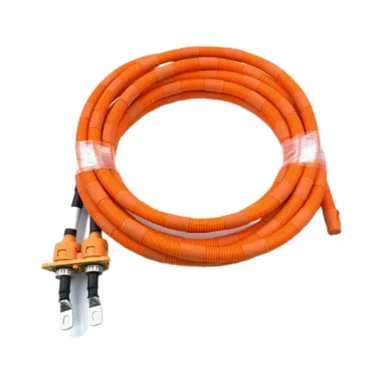
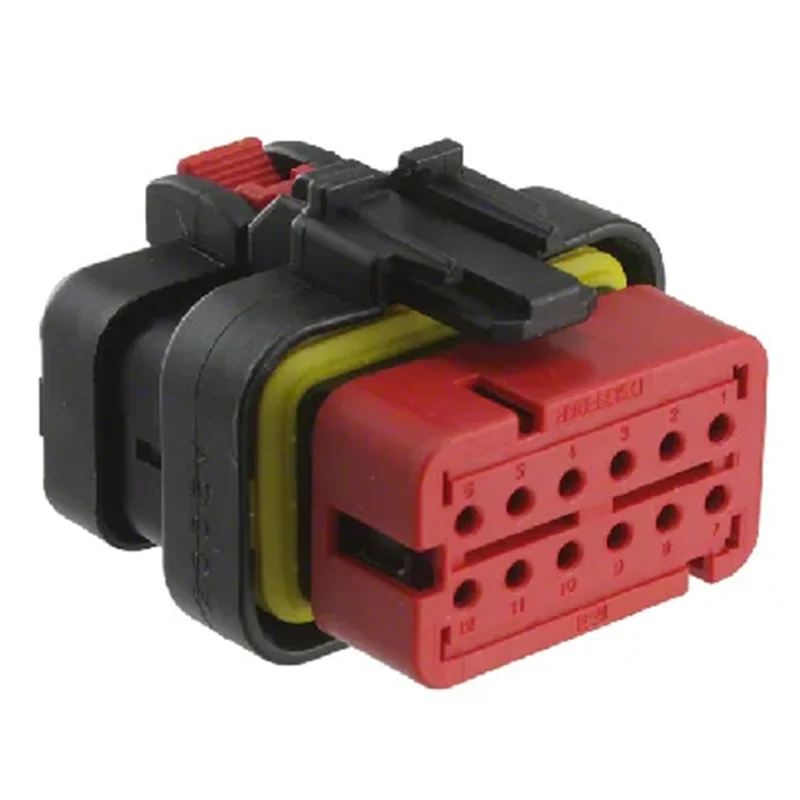
In any maintenance, repair, or upgrade scenario, choosing the right components is critical to ensuring performance, safety, and cost efficiency. Whether you’re working with industrial electrical systems, automotive electronics, or consumer appliances, two primary options are always in play: OEM (Original Equipment Manufacturer) parts and Aftermarket equivalents.
Each has its own set of advantages and limitations. While OEM components are synonymous with reliability and precision, aftermarket components often offer a more budget-friendly alternative — sometimes even outperforming their OEM counterparts. The real challenge lies not in determining which is “better,” but rather in understanding when and why one might be more suitable than the other.
In this article, we’ll walk through the definitions, pros and cons, and practical applications of both OEM and aftermarket components across various industries, helping you make informed decisions based on your specific needs.
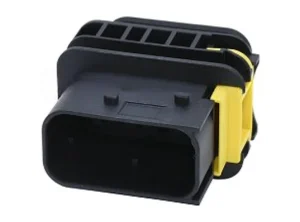
Understanding OEM and Aftermarket Components
What Are OEM Components?
OEM stands for Original Equipment Manufacturer, which refers to parts made by or for the original manufacturer of a product. These components are designed to meet the exact specifications of the equipment they were built for.
- Key Features:
- Factory-engineered fit and function
- Backed by the manufacturer’s testing and quality control
- Sold primarily through authorized dealers or service centers
OEM parts are essentially what came installed when the device or vehicle was first purchased. They ensure seamless integration and optimal performance, especially in complex systems where compatibility is non-negotiable.
What Are Aftermarket Components?
Aftermarket parts are produced by third-party manufacturers who are not affiliated with the original equipment maker. These components are designed to replicate the functionality of OEM parts, though they may vary slightly in materials, design, or price point.
- Key Features:
- Often priced lower than OEM equivalents
- Wide range of brands and availability
- Some offer enhanced features or performance upgrades
While some aftermarket products fall short of expectations, many reputable brands deliver quality that rivals or even surpasses OEM standards.
Pros and Cons of OEM Components
Advantages:
- Perfect Fit and Compatibility: Engineered specifically for your system, leaving little room for error.
- Proven Performance: Built to endure under standard operating conditions and validated during production.
- Warranty Protection: Using OEM parts can preserve your warranty, especially with high-end or recently purchased equipment.
- Reliable Support: Comes with technical documentation, support lines, and service networks.
Limitations:
- Higher Cost: OEM parts typically come with a premium due to brand value, dealer markup, and limited competition.
- Longer Lead Times: Especially for older models, OEM parts may require special orders with extended wait times.
- Less Flexibility: Not ideal if you want customization or performance tweaks.
Pros and Cons of Aftermarket Components
Advantages:
- Cost Efficiency: Aftermarket options are generally 20–50% cheaper than OEM, making them attractive for budget-conscious users.
- Greater Availability: More suppliers and broader inventory mean faster access, especially in emergency situations.
- Customization Options: Some aftermarket brands offer upgraded designs, improved durability, or specialized variants.
- Support for Older Models: Aftermarket parts keep aging equipment viable long after OEM support has ceased.
Limitations:
- Quality Variability: Without proper vetting, you risk purchasing substandard products that could compromise performance or safety.
- Compatibility Issues: Even well-designed parts may not match OEM-level precision without careful selection.
- Potential Warranty Concerns: In rare cases, using unapproved parts may raise questions about responsibility in the event of failure.
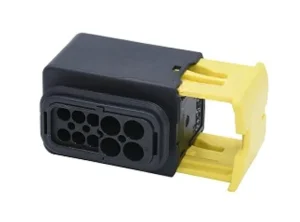
Key Factors in Component Selection
Choosing between OEM and aftermarket isn’t just about price — it’s about matching your decision to the unique demands of your situation.
- Device Age and Warranty Status
If your equipment is still under warranty, sticking with OEM parts can protect your coverage. On the other hand, older or out-of-warranty systems benefit from cost-effective aftermarket replacements. - Budget Constraints
For businesses managing tight budgets or individuals doing their own repairs, aftermarket parts provide significant savings without necessarily sacrificing function. - Performance Needs
OEM parts guarantee the original performance level. However, if you’re looking to enhance performance (e.g., upgrading a car’s braking system), certain aftermarket brands offer superior alternatives. - Urgency and Availability
When time is critical — such as during a production line shutdown — the ready availability of aftermarket parts can be a lifesaver. - Industry-Specific Requirements
In regulated or safety-critical environments like aerospace, medical devices, or heavy machinery, OEM components are often mandatory. In contrast, general industrial or consumer settings may allow greater flexibility.
Common Myths and Misconceptions
- “All Aftermarket Parts Are Inferior”
This is simply untrue. Many aftermarket brands invest heavily in R&D and produce components that meet or exceed OEM standards. - “OEM Is Always the Safest Bet”
While OEM ensures accuracy, it doesn’t always equate to better value or even better performance. Some aftermarket parts are engineered for improved longevity or efficiency. - “Using Aftermarket Parts Automatically Void Warranties”
Legally, warranties can only be voided if the aftermarket part directly caused the failure. Otherwise, consumers have the right to choose replacement options freely.
Scenario-Based Recommendations
| Use Case | Recommended Option | Why |
|---|---|---|
| New equipment under warranty | OEM | Preserves warranty and ensures factory-level performance |
| Critical control systems (e.g., sensors, PLCs) | OEM | High-stakes applications demand proven reliability |
| Out-of-warranty industrial motors | Aftermarket | Reduces costs while maintaining function |
| Routine replacement items (fuses, filters, belts) | Aftermarket | Offers equivalent performance at lower cost |
| Vehicle maintenance beyond warranty | Aftermarket | Cost-effective and widely available |
| Performance tuning/upgrades | Aftermarket | Provides enhancements over stock specifications |
How to Choose High-Quality Aftermarket Components
If you decide to go the aftermarket route, here are key steps to ensure you’re getting a reliable product:
- Stick to Reputable Brands: Look for established names with positive reviews and track records.
- Check Certifications: Products with ISO, UL, CE, or SAE certifications indicate adherence to industry standards.
- Match Specifications Carefully: Use part numbers, VINs, or model codes to confirm compatibility.
- Read Reviews and Compare Prices: Don’t be swayed by low prices alone; look for consistent user feedback.
- Opt for Extended Warranties: Quality aftermarket vendors often offer solid warranty terms as a sign of confidence.
Conclusion
There’s no one-size-fits-all answer when it comes to choosing between OEM and aftermarket components. Each option serves a purpose, and the best choice depends on your priorities — whether that’s cost, performance, availability, or peace of mind.
By carefully evaluating your needs, understanding the trade-offs, and selecting trusted providers, you can confidently mix and match OEM and aftermarket parts to maintain, repair, and even improve your systems. What matters most is making an informed decision — not just following convention.
Whether you’re managing large-scale industrial systems or replacing parts in a vehicle, selecting high-quality components is key to reliability and performance. At Jingu, we specialize in the development and manufacturing of a wide range of automotive and power tool accessories — from precision plastic connectors and relays to custom wiring harnesses and metal stamped parts. Backed by IATF 16949:2016 certification and decades of technical expertise, we’re committed to helping customers worldwide make smarter, more cost-effective component choices.
Contact Jingu today to explore OEM-grade solutions and high-quality aftermarket alternatives tailored to your exact needs. Let’s build performance and reliability — together.