Introduction: The Lightweighting vs. Reliability Balance
Automotive wire harness design requires you to manage a continuous trade-off between assembly weight, production cost, and long-term joint reliability. While copper remains the industry benchmark for electrical performance, transitioning heavy power paths to aluminum offers a direct method to reduce vehicle mass. Choosing the right conductor for your specific platform depends on how these two materials behave under harsh physical constraints.
Material Physics: Conductivity, Weight, and Mass-Production Realities
To select the right conductor for your wiring system, you must first evaluate how copper and aluminum differ at a basic physical level. These raw material properties directly impact both your engineering calculations and your factory floor throughput.
Electrical Conductivity:
Copper sets the industry baseline at 100% IACS (International Annealed Copper Standard). Aluminum carries about 61% of that conductivity. This means if you choose aluminum, you will need a larger cross-sectional area to handle the same electrical current without overheating.

© 2026 来源 https://etimg.etb2bimg.com/photo/126300389.cms
The Weight Trade-off:
While aluminum requires thicker wire diameters, it is nearly 70% lighter than copper by volume. When you calculate the final bundle weight, an aluminum wire harness can still reduce total assembly mass by up to 48% compared to a copper equivalent. This massive weight savings is why many technical teams consider alternative conductors for heavy power distribution paths.
Mass-Production Behavior:
Beyond the data sheets, you have to look at how these metals behave inside high-speed crimping machinery. Copper is highly ductile with excellent tensile strength, making it very forgiving during automated terminal crimping. Aluminum, however, has a much narrower manufacturing window; it exhibits lower fatigue strength and lower yield points, meaning your tooling setups must be precisely controlled to prevent wire damage during stripping and crimping.
Microscopic Interface Behaviors in Wire Harnesses
Evaluating copper and aluminum as wiring harness conductors requires looking at how these materials behave at the physical contact interface. Under continuous vehicle operation, the microscopic traits of each conductor wire change how power and signals flow through your crimped joints.
Conductor Oxide Film Realities:
Bare aluminum wire strands develop a hard, insulating oxide layer within seconds of exposure to air. To keep electrical resistance low, your harness tooling must physically break this layer during assembly to expose raw metal. Copper wire strands oxidize at a much slower rate, creating a highly manageable surface that offers a more forgiving window during high-speed automated termination.
Bimetallic Contact Reactions:
Wiring harnesses often connect alternative conductor wires to standard copper alloy terminals, creating a two-metal interface. Copper conductors match naturally with these terminals, offering total electrochemical stability. Aluminum conductors create a much larger potential voltage difference at the joint, meaning your design must strictly isolate the crimp from outside moisture to prevent localized electrochemical degradation.
© 2026 azom.com,仅供学习使用
Strand Deformation Under Pressure:
Inside a compressed terminal barrel, individual conductor strands face constant pressure and thermal cycles. Aluminum strands naturally exhibit higher rates of creep, meaning the metal can slowly “flow” or yield under stress, potentially loosening the crimp joint over time. Copper strands remain structurally resilient under identical harness clamping forces, holding their shape and maintaining tight contact tension.
Processing and Manufacturing Realities
Selecting a conductor material changes more than just your initial design calculations; it dictates how your wiring harness behaves on the factory floor. The differences in tensile strength and yield points between copper and aluminum directly impact tool calibration, terminal selection, and quality control during assembly.
Terminal Crimp Mechanics:
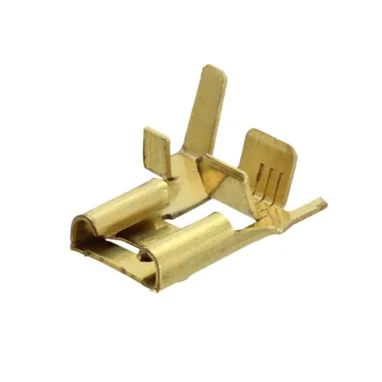
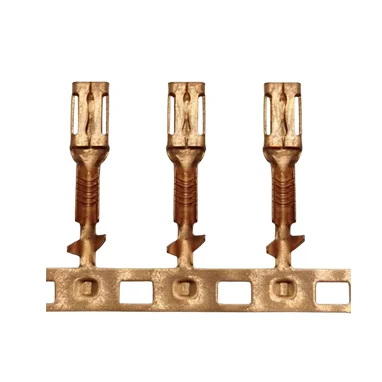
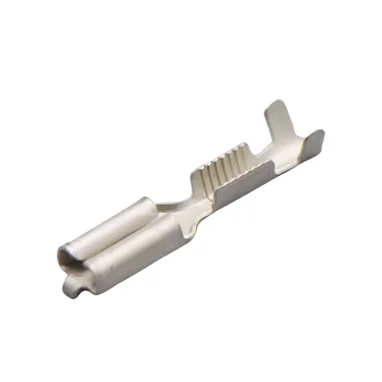
Standard smooth-barrel terminals are optimized for copper wire, where standard crimp forces easily achieve a reliable interface. When processing aluminum wire conductors, however, standard tooling cannot safely establish a gas-tight seal. Because aluminum strands have a harder outer oxide layer and a lower yield point, the terminal barrel must feature internal micro-serrations to fracture that oxide layer during the crimp stroke without over-compressing and damaging the delicate strands.
Environmental Sealing Controls:
Bimetallic contact is a major factor when crimping aluminum conductors to traditional copper alloy terminals. If moisture enters the joint, the electrochemical potential difference can cause degradation. Therefore, processing aluminum wire requires additional manufacturing steps, such as introducing anti-corrosion grease or applying localized sealing boots after crimping. Copper-to-copper connections avoid this risk entirely, offering a much wider environmental processing window.
Stripping and Handling Resilience:
Copper wire strands possess high tensile strength and ductility, making them highly forgiving during high-speed automated stripping and feeding. Aluminum strands are more brittle and prone to structural nicking. If an automated blade scores an aluminum conductor during the insulation stripping phase, the wire’s fatigue life drops significantly, increasing the risk of breakage during harness routing.
Managing these production variables requires strict adherence to automotive-grade quality standards. When configuring your manufacturing flow, choosing components from an established automotive wire harness supplier ensures that your terminal geometries and tooling tolerances are pre-engineered to handle these material-specific processing realities.

Application Boundaries: Deploying Copper vs. Aluminum
Deciding between copper and aluminum conductors is not an all-or-nothing choice. To keep your system reliable while managing costs, you need to match each material to the specific mechanical and electrical realities of your platform.
Heavy Power Distribution (Where Aluminum Works):
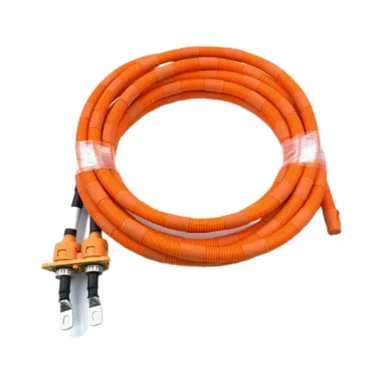
Large-voltage battery lines, main power feeder routes, and long cables with large diameters are where aluminum makes sense. In these areas, your wire harness usually has enough physical space to accommodate the thicker strands. This allows you to cut total assembly mass and hit your sustainability goals without overcomplicating the system design.
High-Density Signal Routing (Where Copper is Required):
Low-voltage sensor wires, data links, and tight branch lines inside instrument panels still need copper. Aluminum is less reliable in very thin wire gauges because its lower tensile strength makes it prone to breaking when your terminal crimp areas are tiny, or when the wires face constant flexing during vehicle assembly.
High-Vibration and Heat Zones:
For wiring that passes through engine compartments or open wheel wells, copper offers a much safer margin. Its high yield strength handles constant shaking far better. If you do use aluminum here, your engineering team must focus heavily on adding physical strain relief and extra environmental boots to protect the connection points.
Conclusion
Making the choice between copper and aluminum conductors comes down to your specific platform goals. Whether your design requires copper or aluminum, we provide precision-engineered assemblies built to your exact specifications. To discuss your routing requirements and technical constraints, please contact us today.