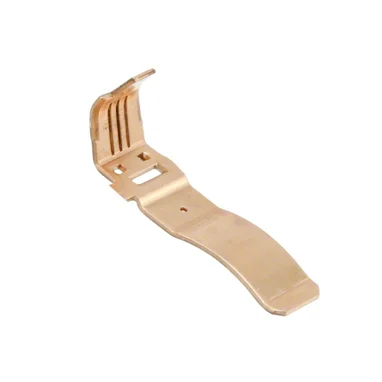
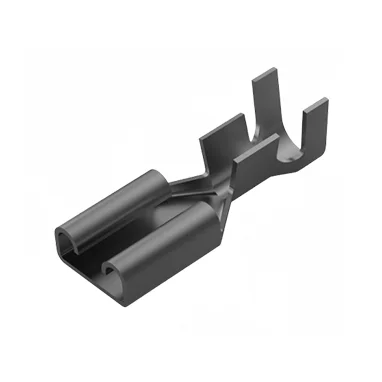
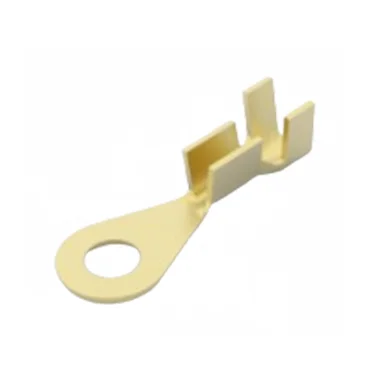
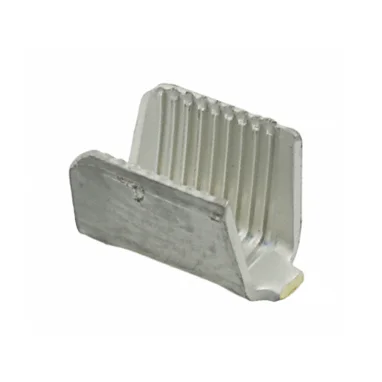
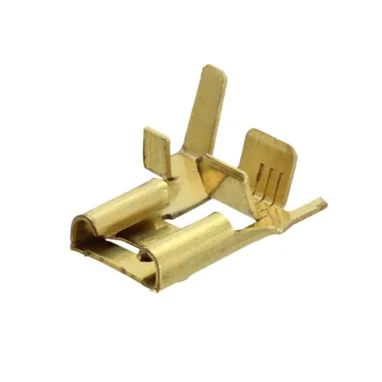
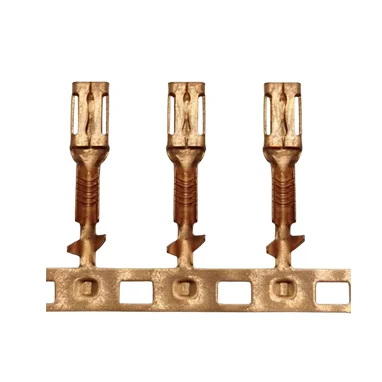
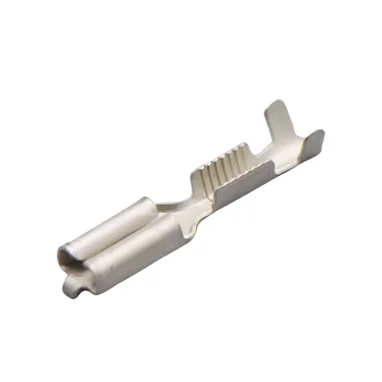
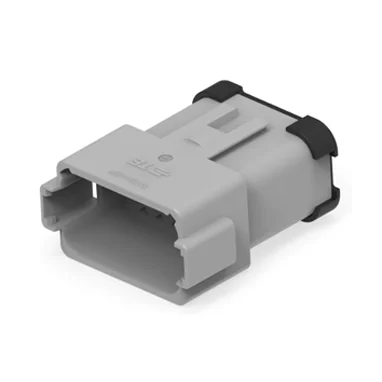
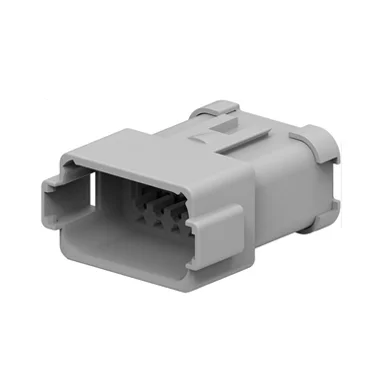
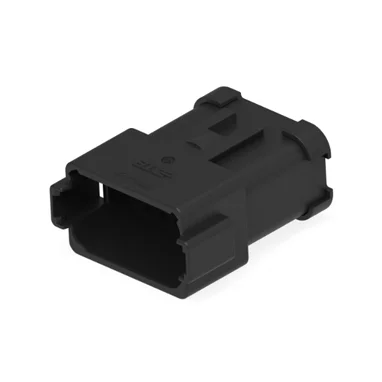
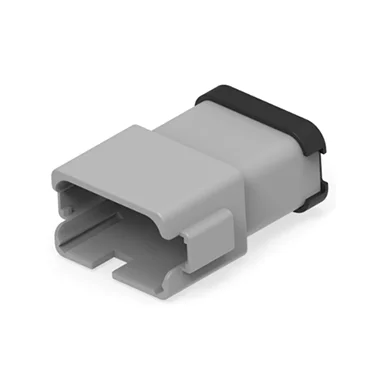
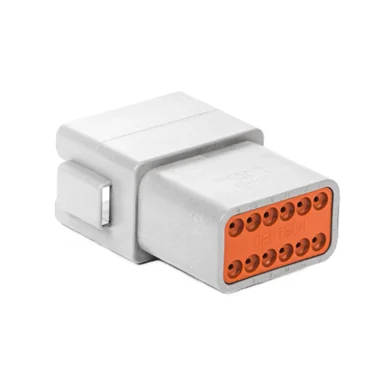
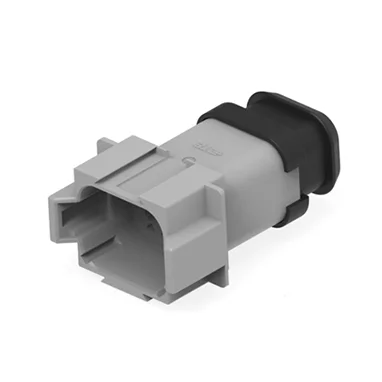
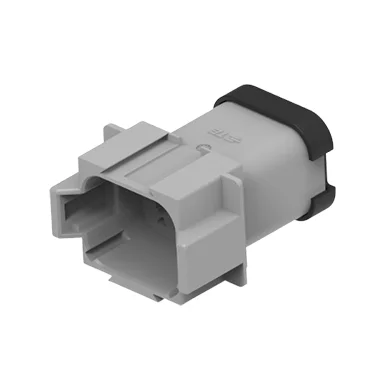
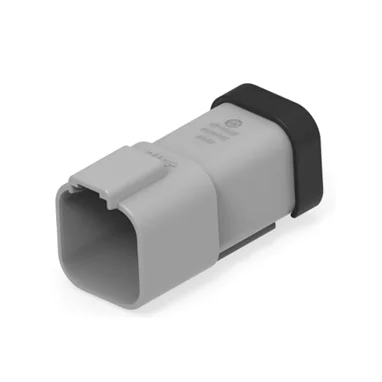
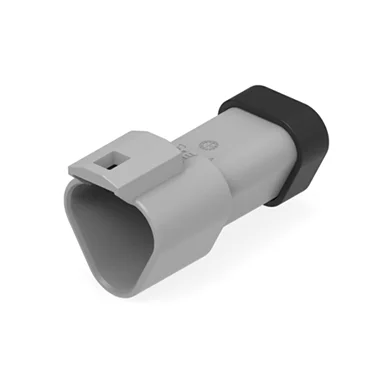
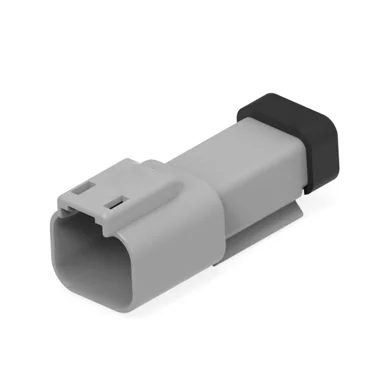
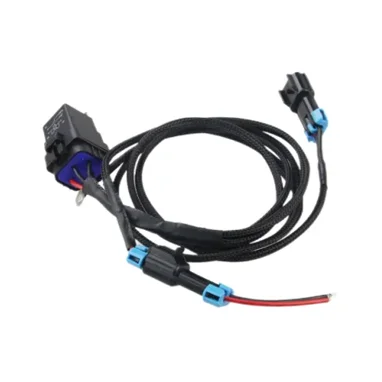
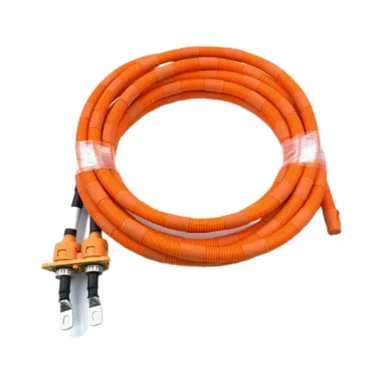
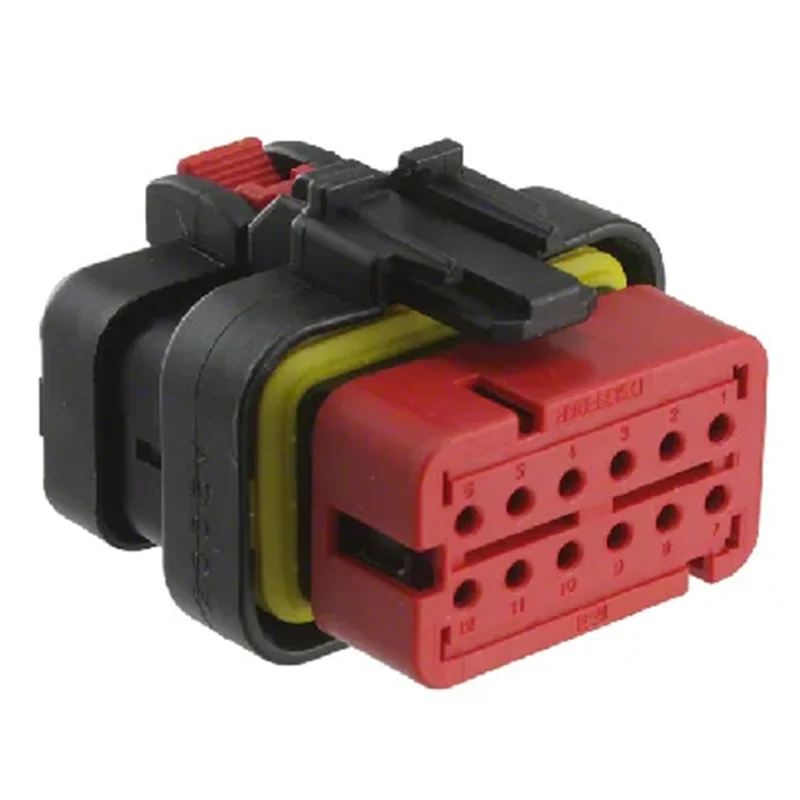
In the era of electric vehicles, autonomous driving, and smart cockpits, automotive connectors emerge as silent workhorses enabling seamless communication between vehicle subsystems. While often overshadowed by flashy innovations, OEM connectors serve as mission-critical components that demand extreme reliability under punishing conditions.
Understanding OEM Automotive Connectors
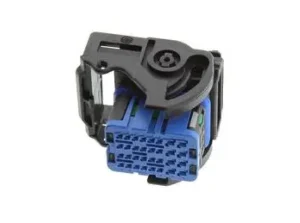
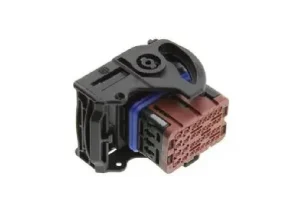
OEM (Original Equipment Manufacturer) connectors are precision-engineered electrical interfaces tailored exclusively for specific vehicle makes and models. Unlike generic aftermarket parts, these connectors undergo rigorous design validation to ensure:
- Absolute Compatibility: Seamless integration with vehicle ECUs, sensors, and powertrains
- Environmental Resilience: Withstanding extreme temperatures (-40°C to 150°C), vibration, and fluid exposure
- Signal Integrity: Maintaining low latency and electromagnetic compatibility (EMC) for critical data transmission
Modern OEM connectors incorporate advanced materials like:
- High-Temperature Polymers(e.g., PBT, LCP) for engine compartments
- Gold-Plated Contacts(50+ mating cycles) to prevent fretting corrosion
- Multi-Layer Sealing Systems(IP69K-rated) for submersible applications
Why OEM Connectors Matter
1. Reliability in Harsh Environments
- Vibration Resistance: Non-symmetrical contact designs compensate for mechanical stress (up to ±5mm displacement)
- Thermal Stability: Liquid crystal polymer housings maintain structural integrity at 150°C
- EMC Shielding: 3D braided copper meshes block interference (≥60dB attenuation)
2. Performance Optimization
- High-Speed Data Handling: 10Gbps Ethernet connectors support autonomous driving sensors
- Power Delivery Efficiency: 800V-rated terminals minimize energy loss in EV battery systems
- Space Efficiency: NanoMQS connectors save 30% space in compact ECUs
3. Compliance and Safety
- Full adherence to standards like IATF 16949, ISO 16750-3, and GMW3172
- Built-in safety features: HVIL interlock circuits for EVs, redundant contacts for critical systems
Jingu’s Technical Differentiators
1. Advanced Manufacturing Capabilities
- AI-Driven Quality Control: 99.92% defect detection rate with machine vision systems
- Precision Injection Molding: ±0.02mm dimensional accuracy for micro-components
- Full-Spectrum Testing: From -55°C to 150°C thermal cycling to 20,000+ plug cycles
2. Customization Solutions
- Modular Design: Plug-and-play architectures reduce assembly time by 30%
- Material Innovation: Bio-based composites (PLA/PHA) for sustainable packaging
- Smart Features: Integrated sensors for real-time monitoring (voltage/current/temperature)
3. Industry-First Initiatives
- Hydrogen-Proof Connectors: Passes 10,000-hour salt spray tests in H₂ environments
- Self-Healing Coatings: Polymer matrices autonomously repair micro-cracks (<50μm)
- Carbon-Neutral Production: Achieves 100% renewable energy usage in manufacturing
Choosing the Right OEM Connector Partner
Evaluate suppliers based on:
- Certifications: Look for IATF 16949, UL, and RoHS compliance
- R&D Investment: Annual R&D budget should exceed 5% of revenue
- Global Footprint: Localized support (e.g., Wenzhou warehouses) ensures JIT delivery
The Future of OEM Connectivity
As vehicles evolve into “smart nodes,” connectors will:
- Enable V2X Communication: Support 5G C-V2X for vehicle-to-infrastructure interactions
- Integrate AI Capabilities: Embedded edge computing modules for real-time analytics
- Adopt Print-on-Demand Technology: Mass customization without tooling costs
Conclusion
OEM connectors are no longer passive components—they’re intelligent gateways that bridge legacy systems with tomorrow’s technology. Jingu Auto Parts leverages material science breakthroughs, AI-driven manufacturing, and forward-thinking R&D to deliver connectors that not only meet specifications but anticipate future challenges.
For tailored solutions or technical white papers, visit Jingu to connect with our engineering experts.