From battlefield-tested vehicles to extreme off-road expeditions, electrical reliability is not just an advantage—it’s a necessity. In mission-critical systems, wiring harnesses play a central role in ensuring that power, data, and control flow without fail. But what makes a harness “military-grade”? This article explores the features, standards, and real-world applications behind these rugged systems built for the toughest environments.
Why Wiring Harnesses Matter in Harsh Environments
In defense and off-road sectors, vehicles are expected to perform reliably under the most extreme and unpredictable conditions imaginable. Whether operating in the scorching heat of deserts, the icy terrains of arctic zones, or through dense jungles and urban conflict zones, these platforms must remain fully functional. They also contend with relentless vibration, water immersion, high concentrations of dust and debris, and intense electromagnetic interference. In such hostile environments, even a momentary lapse in power or data transmission can have severe consequences—compromising communication, disabling targeting systems, or immobilizing a vehicle during a mission. The stakes are high, and so is the demand for unwavering reliability.
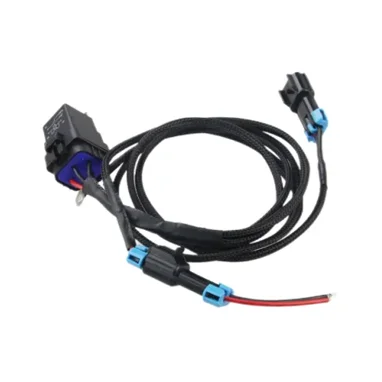
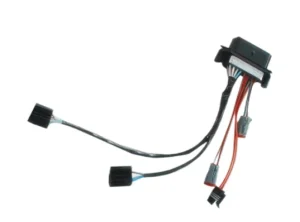
Often hidden beneath panels and armor plating, the wiring harness is the unseen hero of every modern military and off-road platform. Acting as the electrical nervous system, it interconnects critical subsystems—ranging from sensors and propulsion to navigation, communications, and weapons control. Standard automotive harnesses are not built to withstand these grueling conditions. They tend to deteriorate quickly under stress, leading to mission failure and heightened risk. That’s why military-grade wiring harnesses are meticulously designed and engineered to meet exceptional standards of durability, safety, and long-term performance. These robust electrical backbones are essential to keeping high-value platforms mission-ready and resilient in every environment.
The Global Landscape of Military Wiring Systems
Across the globe, the demand for high-performance military wiring systems is rapidly accelerating. This expansion is fueled by several converging factors: rising global defense budgets, the widespread modernization of aging vehicle fleets, and the fast-growing deployment of autonomous and semi-autonomous platforms. According to industry forecasts, the military wire and cable market is projected to surpass USD 7 billion by 2030, advancing at a compound annual growth rate (CAGR) of over 5%. This steady growth underlines the critical role of electrical infrastructure in next-generation defense systems and battlefield readiness.
A significant portion of this growth stems from the urgent need to retrofit legacy platforms with state-of-the-art electronics, advanced sensors, and hybrid-electric propulsion systems. In addition to modernization efforts, many defense departments are embracing modular system architectures. In such designs, each subsystem must be easily replaceable or upgradeable in the field without compromising the integrity of the electrical network. Consequently, wiring harnesses must be engineered for plug-and-play capability, minimized maintenance intervals, and seamless data transmission—even across varying terrains and electromagnetic conditions.
Moreover, new defense doctrines increasingly emphasize the integration of data-centric capabilities—such as sensor fusion, AI-driven navigation, and remote diagnostics. These trends make the wiring harness more critical than ever, not just as a means of power delivery but as a fundamental enabler of advanced system functionality. In short, whether supporting traditional battle tanks or cutting-edge autonomous drones, the military-grade harness forms the technological backbone of mission-critical platforms. Its role is foundational and expanding as warfare grows increasingly networked and automated.
Engineering Requirements and Material Performance
Designing harnesses for such rigorous applications means addressing multiple layers of technical challenges. Military wiring harnesses must consistently perform under punishing conditions, and this demands a blend of mechanical robustness, environmental resistance, and electromagnetic reliability. Specifically, they must meet four core performance criteria:
-
Mechanical Durability
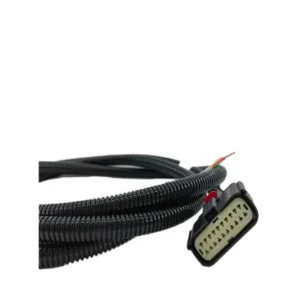
Harsh environments subject vehicles to constant mechanical abuse—from road vibration and recoil shock to cable abrasion within tight engine compartments. To counter this, military harnesses employ rugged armoring, flexible conduits, and IP69K-rated seals that provide top-tier ingress protection. These features prevent physical wear and protect the internal conductors from being compromised over time. -
Thermal Stability
Temperature extremes are common in military operations. Harnesses must endure conditions ranging from –55°C during high-altitude or polar missions to over +200°C in engine bays or desert deployments. Materials such as cross-linked polyolefins, fluoropolymers, and silicone-based compounds are often selected for their ability to remain stable and non-brittle under such extremes. Thermal resilience directly impacts operational reliability and safety. -
Electromagnetic Shielding
In electronically congested or contested environments, the integrity of signal transmission becomes paramount. EMI shielding—using braided conductors, metalized film wraps, and shielded connectors—ensures that communication and sensor signals remain intact and unaffected by external electronic warfare or nearby radio-frequency activity. This is especially important in integrated battlefield operations where secure, uninterrupted communication is critical. -
Corrosion Resistance
Military platforms are frequently exposed to salt spray, humidity, oil, and aggressive cleaning solvents. Corrosion-resistant materials, including silver-plated copper, nickel alloys, and sealed connection interfaces, safeguard against oxidation and chemical degradation—preserving functionality throughout years of field deployment. This resistance ensures longer service intervals and fewer unexpected failures.
Each of these features contributes directly to system uptime and operational resilience. A single cracked connector or moisture-compromised joint could disrupt the entire platform. That’s why engineers don’t just build military harnesses to endure—they design them to actively protect mission continuity. The investment in high-quality harness engineering pays dividends through enhanced mission effectiveness and reduced life-cycle costs.
Compliance with Global Defense Standards
Building a tough harness isn’t enough—it also has to be provably reliable through standardized, rigorous testing protocols. Military wiring systems must comply with a range of international standards that certify their suitability for combat and aviation environments. These benchmarks ensure not only performance but also cross-national interoperability, which is essential for joint military operations.
Some of the most important standards include:
-
MIL-DTL-27500 – Defines the performance characteristics of aerospace-grade cables, focusing on factors like insulation, shielding, and thermal behavior.
-
MIL-W-5088 – Specifies best practices for aircraft wiring installation, including routing, protection, and grounding techniques.
-
MIL-STD-810G – Provides comprehensive testing guidelines for environmental durability, including vibration, temperature cycling, sand/dust exposure, and humidity.
-
MIL-STD-461F – Addresses electromagnetic compatibility, ensuring systems do not interfere with or succumb to external emissions.
-
STANAG 4370 – A NATO standard that harmonizes environmental test procedures across member states for better system alignment and deployment readiness.
Certification procedures include exposing the harness to rapid temperature shifts, high-pressure water jets, chemical immersion, salt fog corrosion, drop impacts, and prolonged vibration. These accelerated tests simulate years of wear in just days, filtering out substandard designs. Only harnesses that pass these evaluations without degradation are cleared for use in operational environments. Standardized compliance is a critical checkpoint, especially in multinational deployments where systems must work seamlessly together.
System Integration and Component Compatibility
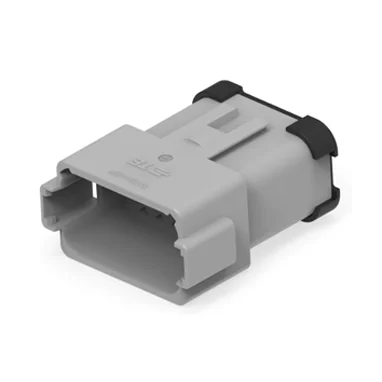
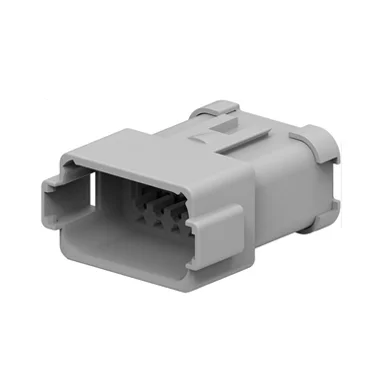
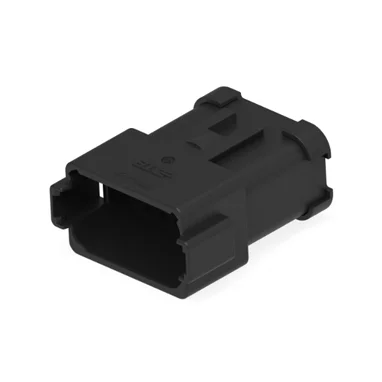
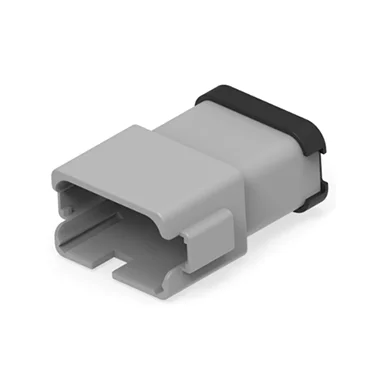
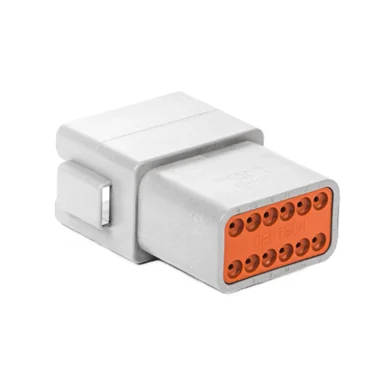
A wiring harness is only as strong as the components it connects. For truly mission-ready performance, connectors, terminals, routing clips, and even strain reliefs must be designed to the same exacting standards. Compatibility isn’t just about fitting together—it’s about maintaining the electrical and mechanical integrity of the entire system under pressure.
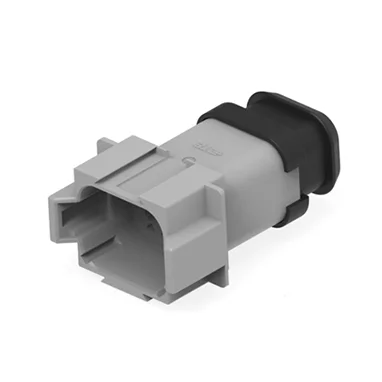
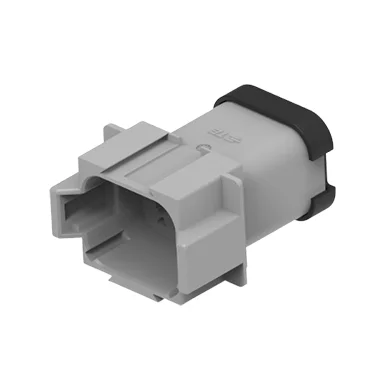
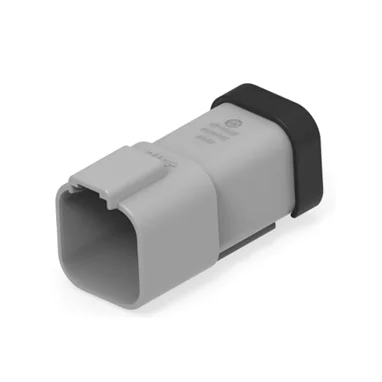
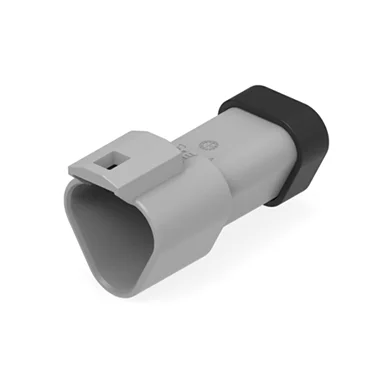
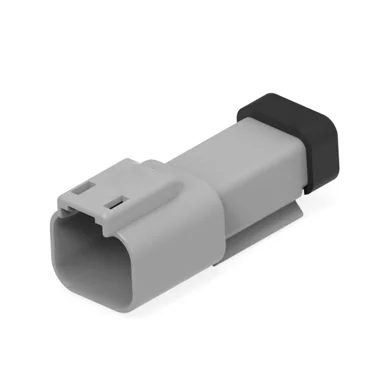
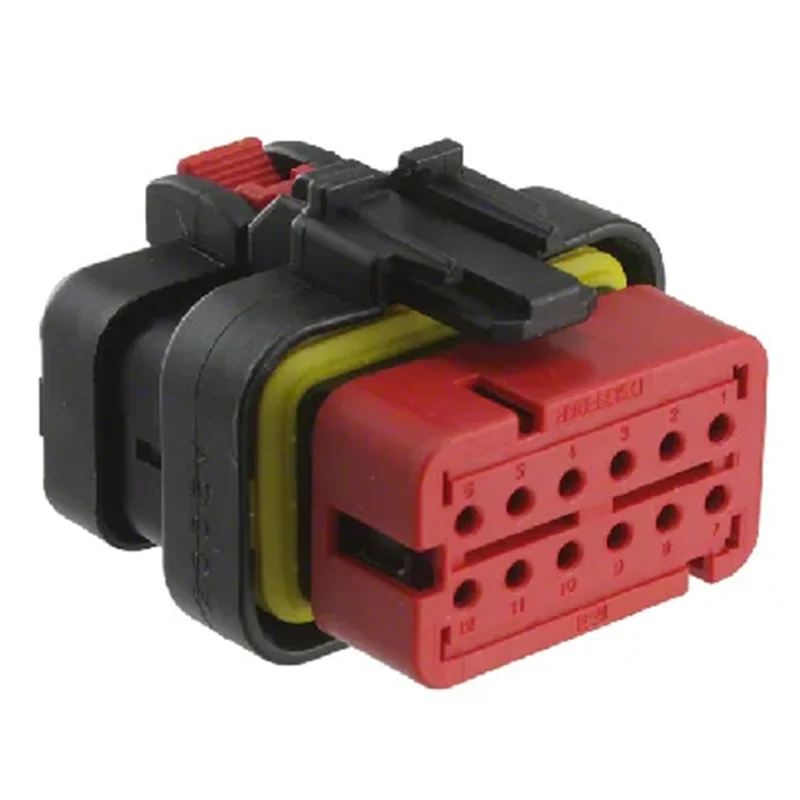
Consider MIL-DTL-38999 connectors. These are widely used in military and aerospace vehicles because they offer superior EMI protection, corrosion resistance, and secure mechanical locking mechanisms. They’re particularly effective in high-shock environments where vibration or impact could otherwise loosen connections. Their use is a staple in modern armored and aerial platforms.
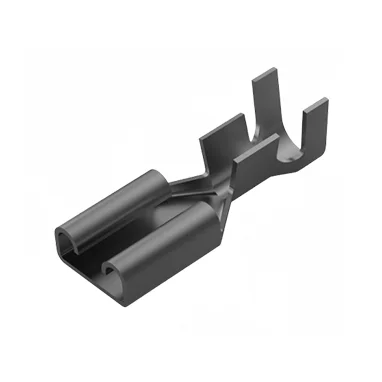
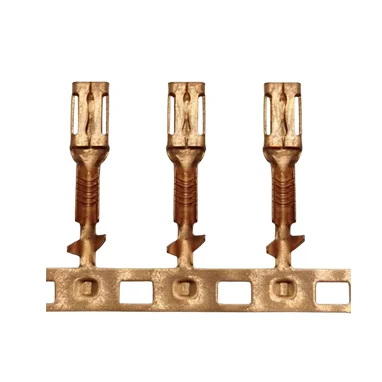
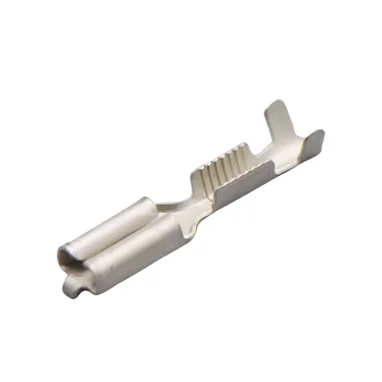
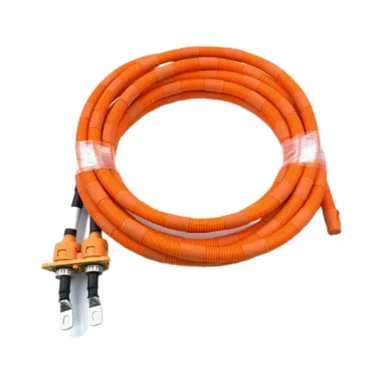
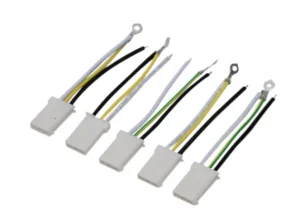
Likewise, silver- or tin-plated high-current terminals provide reliable energy delivery to demanding subsystems like electric drivetrains, sensor clusters, and automated weapon systems. Meanwhile, dust- and moisture-resistant brush holders ensure stable performance in motors during quiet operation modes—such as in stealth surveillance vehicles or silent watch patrols.
In terms of physical layout, harness design must strike a balance between protection and maintainability. Modular architecture allows technicians to access and service specific systems without disassembling the entire vehicle. Hot-swappable components, color-coded cabling, and logical routing all contribute to field service efficiency. These design choices are not just conveniences—they’re force multipliers in active operations.

Platform Use Cases and Real-World Demands
Military-grade wiring harnesses are used across a wide array of platforms, each with its own unique operational challenges and electrical requirements. Here’s how wiring demands vary across different vehicle types:
| Platform Type | Key Electrical Requirements |
|---|---|
| Armored Vehicles | Shock resistance, thermal management, modular maintenance |
| UGVs & Remote Platforms | Lightweight design, EMI protection, low-latency signal integrity |
| Naval/Amphibious Systems | Waterproofing, corrosion resistance, chemical durability |
| Aircraft & Drones | Flame retardance, pressure stability, EMI control |
| Humanitarian Operations | Cross-environment reliability, field-serviceable modular designs |
Take armored vehicles, for example. When retrofitting legacy fleets, engineers often integrate modular harnesses that support newer technologies such as radar, thermal imaging, and autonomous targeting. These upgrades have been shown to improve diagnostic accuracy and uptime by as much as 30%, offering a substantial operational advantage.
In UGVs (Unmanned Ground Vehicles), the focus is on lightweight, flexible harnesses that maintain signal integrity even when exposed to strong electromagnetic fields. In trials, such harnesses stabilized navigation and video feeds during missions in heavily contested radio environments.
For naval applications, long-term submersion and chemical exposure are key threats. By transitioning from older PVC-based systems to UV-stable, marine-grade materials, engineers improved reliability even during 12-month deployments in corrosive saltwater conditions.
Meanwhile, aerial platforms require flame-resistant, low-mass harnesses that maintain function despite turbulence, pressure changes, or sudden electrical discharges like lightning. In these platforms, signal preservation is not a luxury—it’s a matter of safety.
Even in humanitarian missions, rugged harnesses are essential. Mobile medical units, emergency response trailers, and command posts often operate in unstable environments with limited spare parts. Modular harness design enables quick repairs and adaptations under stress, ensuring that critical infrastructure can be deployed anywhere on short notice.
When Failure Happens: The Risks Are Real
Failures in wiring systems are rarely benign. A single damaged wire, oxidized terminal, or poorly secured connector can initiate a domino effect—causing power loss, signal distortion, or system-wide shutdown. These problems often emerge without warning, especially in older or poorly maintained platforms.
A recent NATO field readiness audit revealed a striking fact: over 43% of all recorded electrical failures stemmed from issues with harnesses, connectors, or terminals—not the more complex systems they served. This finding underlines the importance of robust wiring design. It’s often the smallest component that makes or breaks an entire system.
In active conflict or rescue zones, electrical reliability directly translates to operational success or failure. Reducing risk starts with getting the wiring right from the beginning and maintaining strict quality oversight throughout the product lifecycle. It’s not just about performance—it’s about survivability.
Modularity, Diagnostics, and Digital Integration
Today’s most advanced harnesses go far beyond physical resilience—they’re intelligent systems built for seamless integration and proactive maintenance. By using digital twin simulations, engineers can now predict how a harness will perform under thermal load, mechanical stress, and electromagnetic exposure before it ever reaches production. This speeds up the design process and minimizes in-field surprises.
Modern field servicing is also becoming faster and more intuitive thanks to design innovations such as:
-
Color-coded and laser-marked cables for easy identification
-
QR or RFID tagging for instant diagnostics and traceability
-
Plug-and-play layouts for rapid expansion or component swapping
Some systems even include embedded passive memory chips or usage sensors that monitor stress cycles and provide predictive maintenance alerts. These smart features help prevent failure before it happens, keeping vehicles in operation longer and reducing the need for costly emergency repairs. In rapidly shifting mission profiles, the ability to adapt and service quickly is a critical advantage.
The result is a new generation of wiring harnesses that not only support missions—but also evolve with them, aligning with the fast pace of modern defense technologies and the increasing reliance on real-time data and automation.
Conclusion
Military-grade wiring harnesses are essential enablers of modern defense technology. Whether in tanks, drones, ships, or humanitarian platforms, they ensure uninterrupted flow of energy and data under the most punishing conditions. By combining rugged construction, compliance with international standards, seamless integration with critical components, and growing intelligence through digital diagnostics, these harnesses form the backbone of mission-ready platforms. As vehicle systems become increasingly automated and electrified, the importance of high-performance, future-proof wiring infrastructure will only continue to grow.
Powering Missions Where Failure Is Not an Option
From frontline combat vehicles to disaster recovery fleets, GVEI’s military-grade components are engineered to perform when stakes are highest. Our expertise in extreme-environment electrical systems ensures your vehicles remain operational, no matter the terrain or threat.