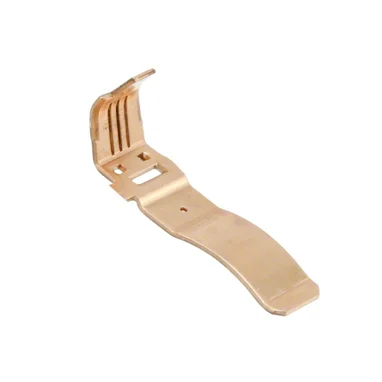
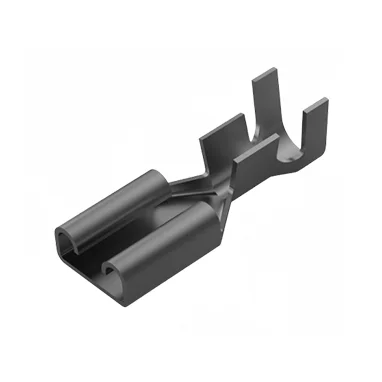
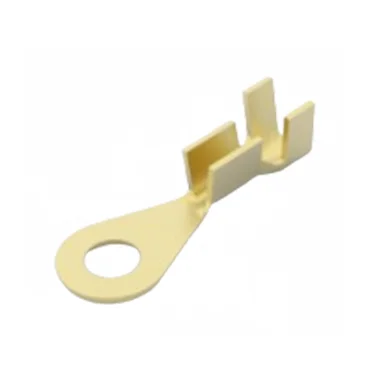
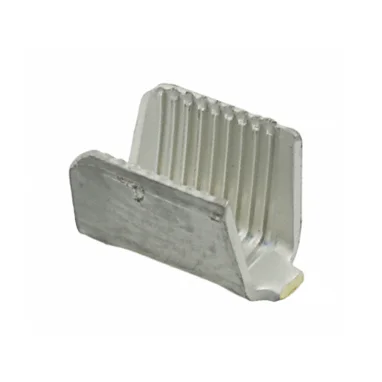
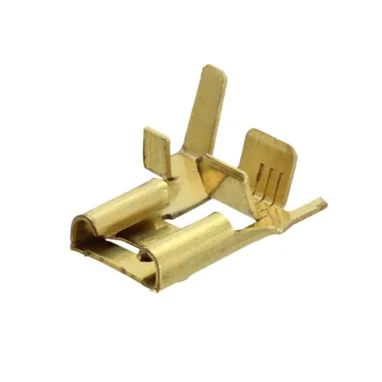
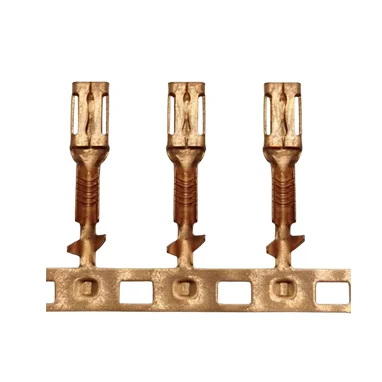
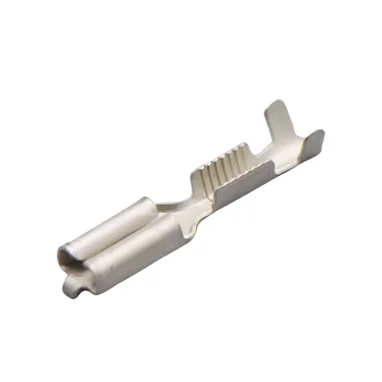
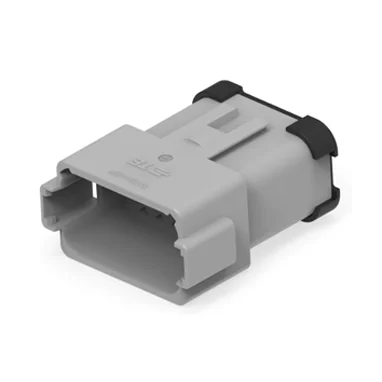
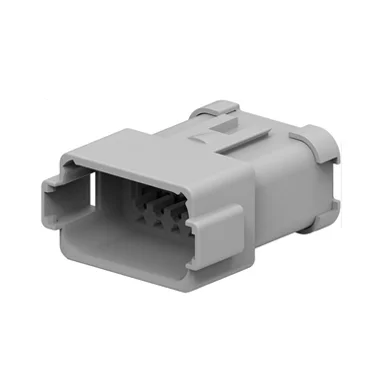
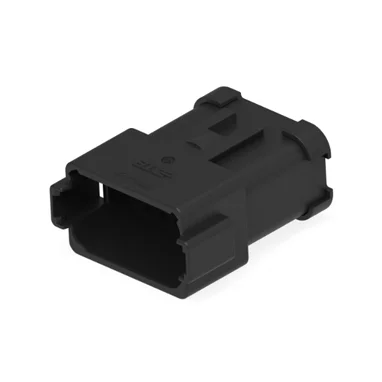
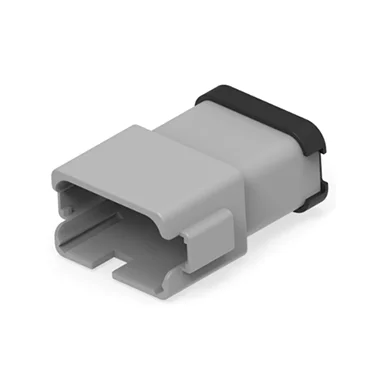
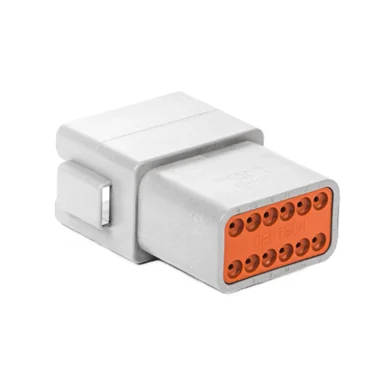
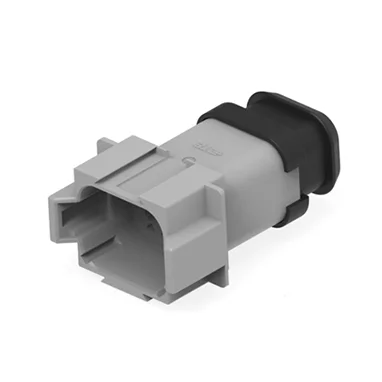
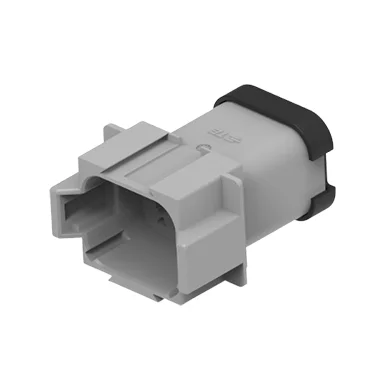
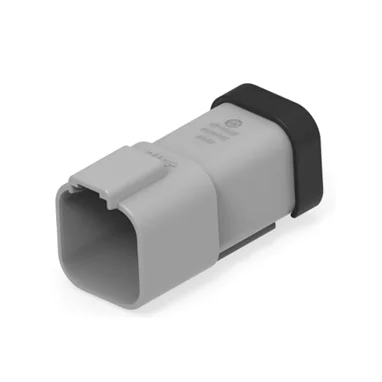
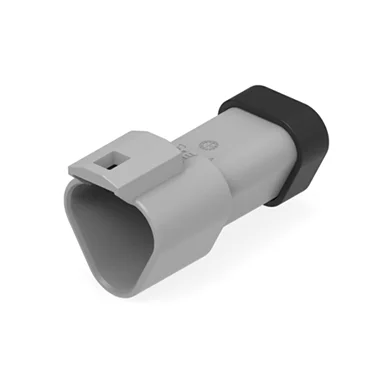
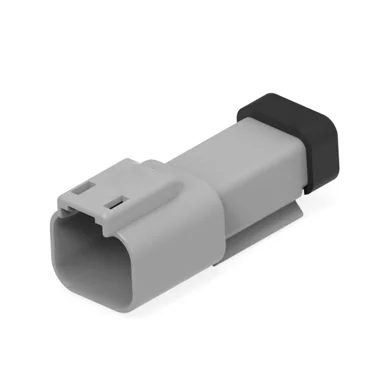
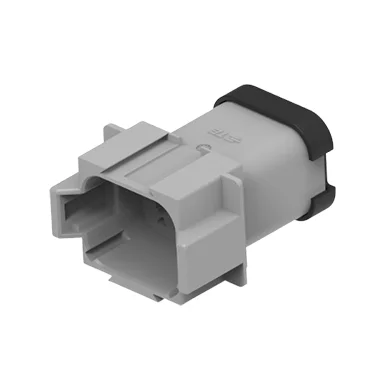
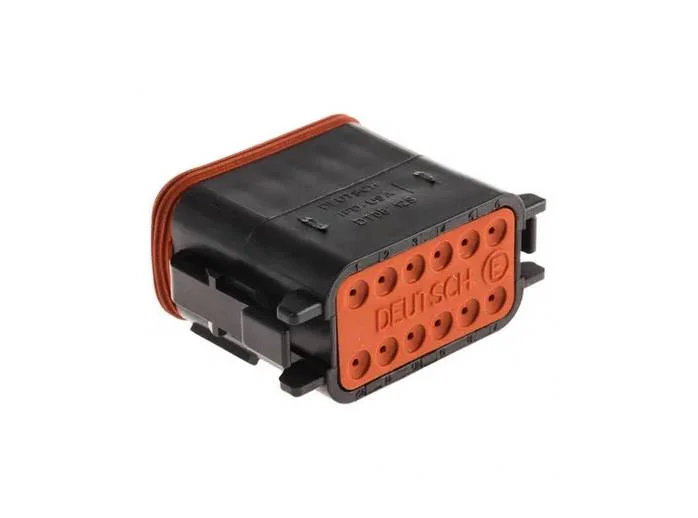
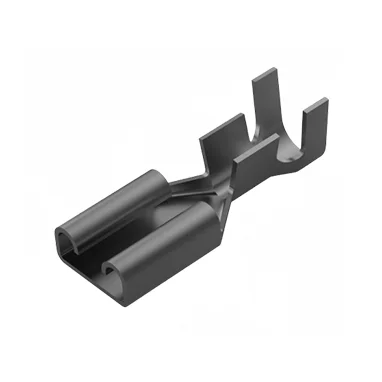
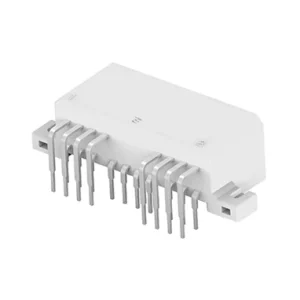
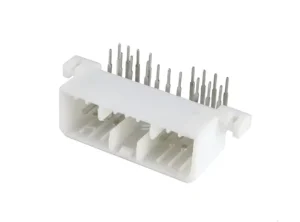
In-line connectors, also known as through-hole connectors, sockets, or plugs, are widely used in automotive electronics, communication devices, and industrial equipment. They play a critical role in connecting electronic components or modules to circuit boards (PCBs), ensuring reliable power and signal transmission. This article explains their functions, wiring methods, advantages, and disadvantages, as well as best practices for achieving optimal performance.
Functions and Importance of In-line Connectors
Before looking at wiring methods, it’s important to understand why in-line connectors are essential.
1. Circuit and Power Connection
The primary function of in-line connectors is to establish an electrical connection between components, modules, or devices. They allow power from a battery or adapter to flow into the circuit, ensuring that equipment runs correctly.
2. Signal Transmission
In-line connectors also support efficient transmission of data, audio, video, and control signals. Stable signal transfer is especially important in automotive electronics and communication equipment, where accuracy is critical.
3. Support for Modular Design
Because they can be plugged in and removed easily, in-line connectors make modular designs possible. This is useful for quick upgrades or when replacing damaged components without changing the entire system.
4. Improved Assembly Efficiency
In mass production, in-line connectors allow workers to assemble electronic devices quickly. This speeds up production lines and simplifies later maintenance.
Wiring Methods for In-line Connectors
Proper wiring is key to ensuring reliable performance. Although specific steps vary depending on connector type, some general practices apply.
1. Preparation and Safety
Always choose the correct type of connector and check its pin arrangement. Make sure the equipment is powered off to avoid safety risks. Most connectors have marks or notches indicating the correct insertion direction.
2. Plug-in Connection
Gently insert the connector into the matching slot or hole on the PCB. Do not use excessive force, as this may bend or damage the pins or the board.
3. Soldering the Pins
Once the connector is properly seated, solder its pins to the board using appropriate tools. A solid solder joint is necessary to maintain good electrical contact and prevent power or signal loss.
4. Testing the Connection
After soldering, use a multimeter or other testing tools to check continuity and confirm that all pins are correctly connected. Testing before final assembly helps avoid later failures.
Advantages of In-line Connectors
When used correctly, in-line connectors provide many benefits.
-
Ease of Use: Quick insertion and removal simplify assembly and maintenance.
-
Reliability: Properly soldered connectors provide stable electrical and signal connections.
-
Modular and Flexible Design: They support high-density connections in limited space, making them suitable for compact electronic systems.
-
Faster Production: Ideal for automated or semi-automated assembly lines.
-
Wide Application: Common in automotive electronics, communication devices, and computer hardware.
Disadvantages and Limitations of In-line Connectors
While they are practical, in-line connectors also have some drawbacks.
-
Space and Pin Count Constraints: Large connectors may not fit compact designs, and some types have limited pin numbers.
-
Durability Concerns: Repeated plugging and unplugging can wear out pins and reduce connection quality.
-
Soldering Requirements: Skilled soldering is needed; poor soldering may cause loose connections or overheating.
-
PCB Dependence: They require properly designed PCBs and are not suitable for all materials or non-standard boards.
Best Practices for Reliable Use
To maximize the performance of in-line connectors:
-
Select connectors based on application needs, such as current capacity and environmental conditions.
-
Use quality materials and follow proper soldering techniques.
-
Perform regular inspection and preventive maintenance to ensure long-term reliability.
Jingu Auto Parts: Your Reliable Connector Partner
For over a decade, Jingu Auto Parts Co., Ltd. has specialized in designing and manufacturing reliable connectors for automotive and electronic applications. Our products feature:
-
Optimized Design: Easy-lock mechanisms and anti-misplug coding simplify assembly.
-
Durability for Harsh Environments: IP-rated sealing and anti-vibration structures ensure long-term reliability in automotive and industrial applications.
-
Strict Quality Testing: Every connector undergoes 100% automated continuity testing and environmental simulation to guarantee performance.
Whether you need standard in-line connectors or customized wiring solutions, Jingu provides the expertise and technology to help improve assembly efficiency and product reliability.
Conclusion
In-line connectors are essential for efficient circuit connections, stable signal transmission, and modular system design. While they offer convenience and reliability, understanding their wiring methods and potential limitations is key to achieving the best results.
Contact Jingu Auto Parts today to explore high-performance in-line connectors designed for next-generation automotive and electronic applications.