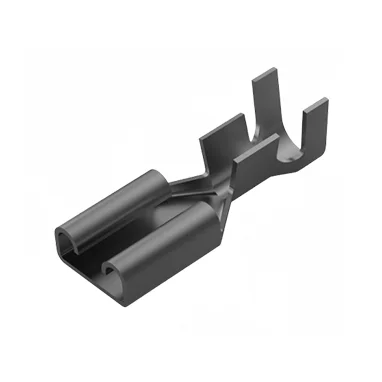
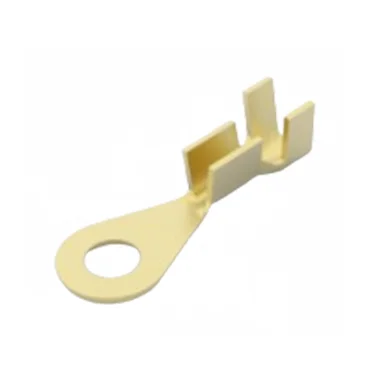
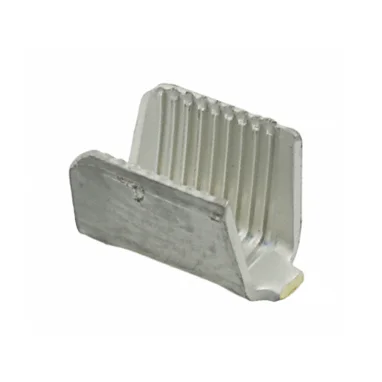
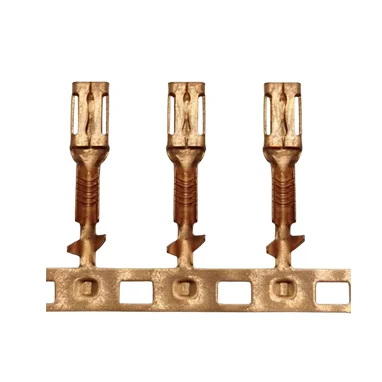
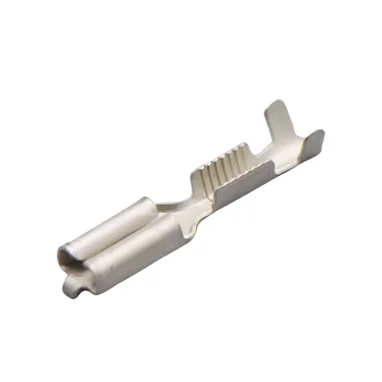
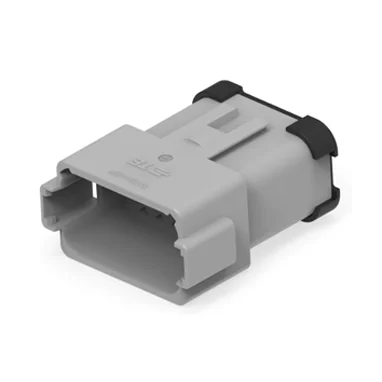
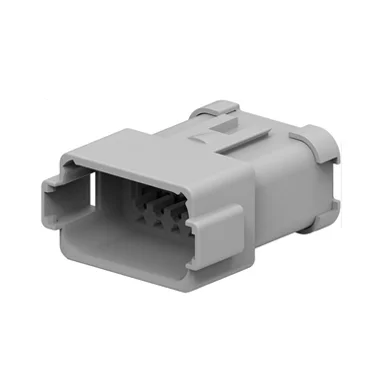
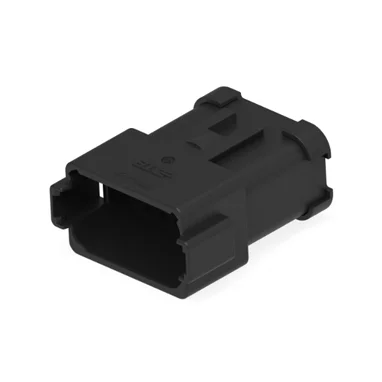
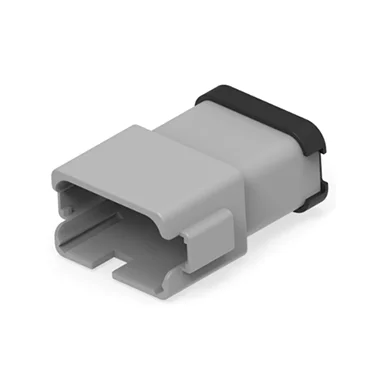
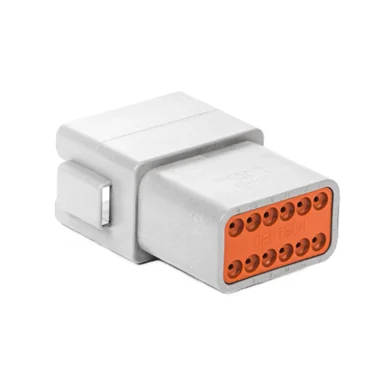
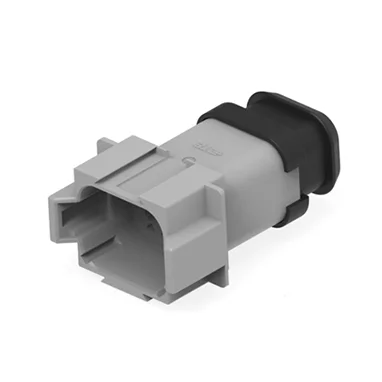
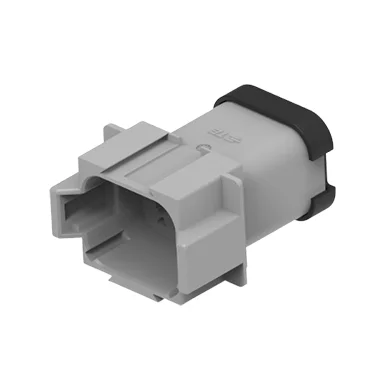
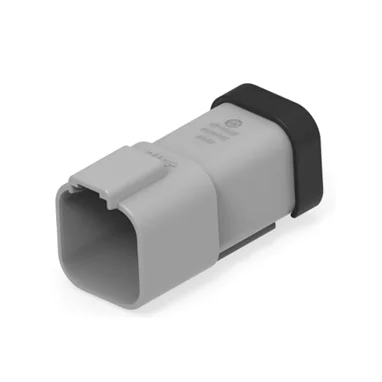
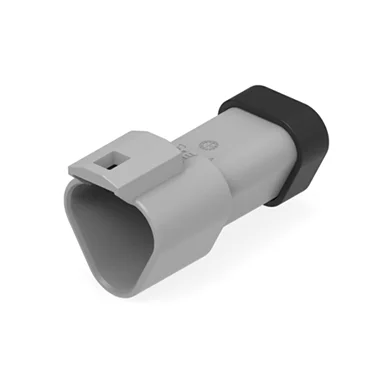
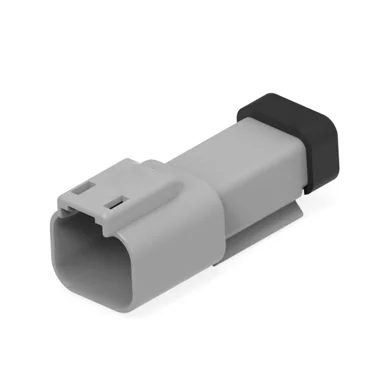
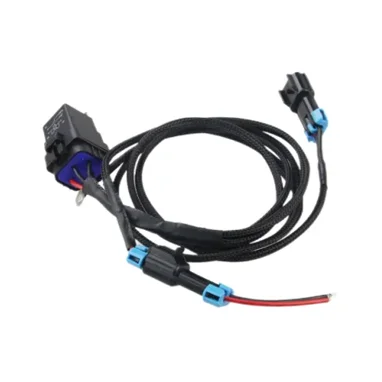
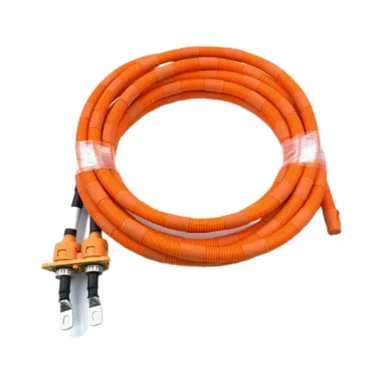
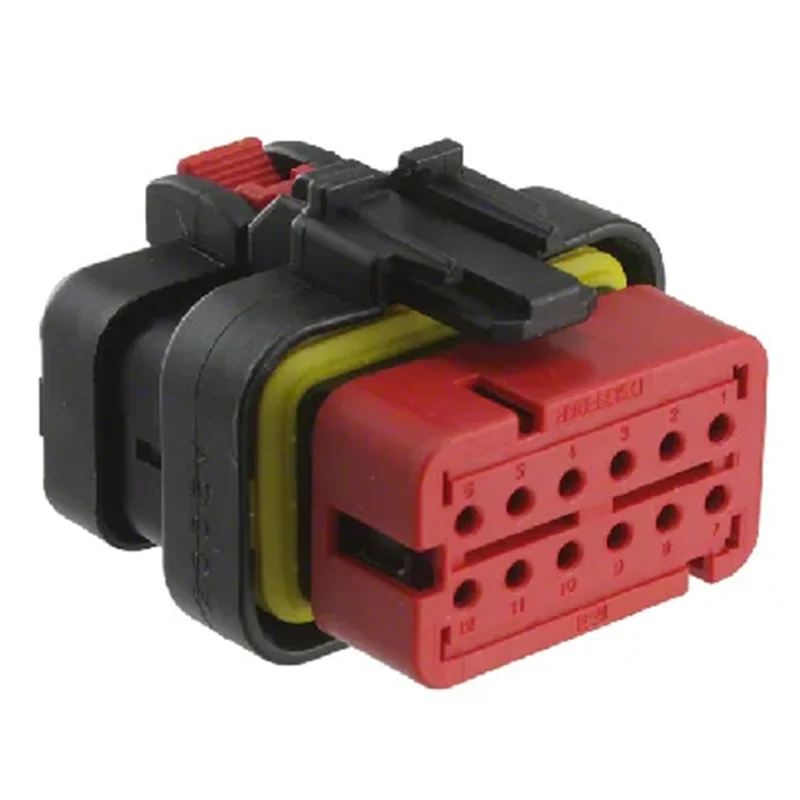
Terminals are metal components embedded in the insulating material of connectors, designed to guide wires and establish reliable electrical connections with electronic devices. With the rapid development of industrial automation and increasing demands for precise control, the use of terminals has grown significantly. However, this also means that terminal defects are becoming more common, which can lead to unstable power or signal transmission. Understanding why terminals fail is the first step to improving their reliability.
Common Terminal Defects and Their Impact
Defective terminals can appear in different forms, each affecting performance in a unique way.
Appearance Defects
Sometimes, terminals show visible flaws such as peeling or corrosion on the coating, scratches, cracks on the plastic housing, or deformed contact parts. While these issues may seem minor, they often indicate deeper structural or process problems that could affect reliability in the long run.
Poor Insulation
The insulator in a terminal holds the contacts in place and electrically separates them from each other and the housing. In high-density or miniaturized terminals, the insulating walls are thinner, which requires high-quality materials and precise molding processes. Poor insulation can lead to short circuits, leakage, or unstable signal transmission, severely affecting system performance.
Poor Fixation
Terminals must stay firmly in place to maintain stable contact. If the design is weak, materials are poorly selected, or assembly processes are inaccurate, terminals can loosen or even disintegrate under vibration or repeated use. In severe cases, the plug and socket may separate, causing power failure or signal loss.
Poor Contact Performance
The metal conductor inside the terminal is the core component that transmits power and signals. If its design is flawed, the size is inaccurate, or the plating quality is poor, contact resistance increases, resulting in unstable transmission. Over time, this can lead to overheating, signal distortion, or complete connection failure.
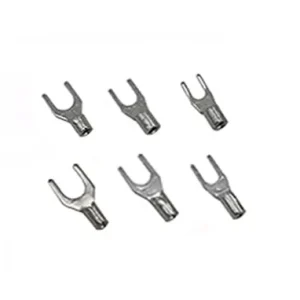
Root Causes Behind Terminal Defects
Terminal defects are rarely caused by a single factor. They usually result from a combination of design, material, and environmental issues.
-
Design Issues: Failure to account for vibration, thermal expansion, or current capacity during the design stage.
-
Material Selection Problems: Using low-quality metals, substandard insulating plastics, or coatings that corrode easily.
-
Process and Manufacturing Errors: Inconsistent stamping, plating, or heat treatment; poor crimping or welding during assembly.
-
Harsh Operating Environments: High temperatures, humidity, dust, and chemical exposure accelerate corrosion and material fatigue.
How to Prevent Terminal Defects
Reducing terminal defects requires improvement at every stage, from design to production and maintenance.
Design and Material Optimization
Choose high-conductivity metals with corrosion-resistant plating, such as tin or gold, and use insulating materials suitable for high-density designs. Well-designed contact geometry can also reduce wear and improve electrical performance.
Process Control and Testing
Precision stamping, accurate molding, and consistent plating are crucial. Automated testing, including continuity checks and environmental simulations, helps identify potential failures before products leave the factory.
Proper Assembly and Handling
Following standardized crimping and assembly procedures ensures stable connections. Training operators reduces human error, which is a common cause of poor fixation or contact issues.
Environmental Protection
In harsh conditions, sealed connectors and reinforced housings can protect terminals from moisture, dust, and vibration, extending service life.
Jingu Auto Parts: Ensuring Terminal Reliability
At Jingu Auto Parts Co., Ltd., we understand how critical terminal reliability is for automotive and industrial applications. Our terminals are designed with optimized contact structures, high-performance insulating materials, and precision manufacturing processes. Each product undergoes 100% automated continuity testing and environmental simulation to guarantee consistent performance, even in harsh environments.
For projects that require specific designs or environmental resistance, Jingu provides customized solutions, helping clients reduce failure rates and ensure stable power and signal transmission.
Conclusion
Terminal defects often result from poor design, improper material selection, or inconsistent manufacturing processes. By addressing these issues with better materials, stricter quality control, and proper handling, manufacturers can significantly improve reliability.
Looking for high-performance terminals for demanding applications? Contact Jingu Auto Parts today to learn how our reliable connector and terminal solutions can help improve your system’s stability and efficiency.