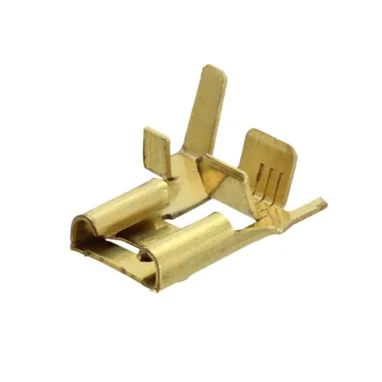
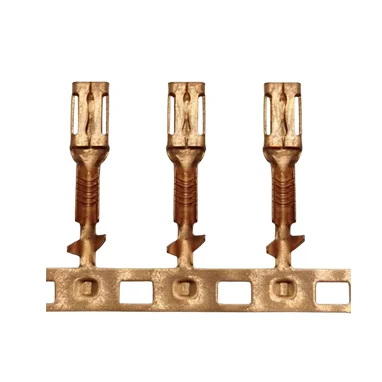
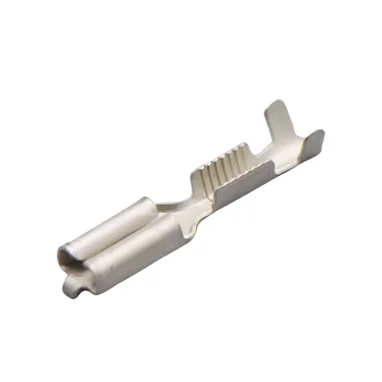
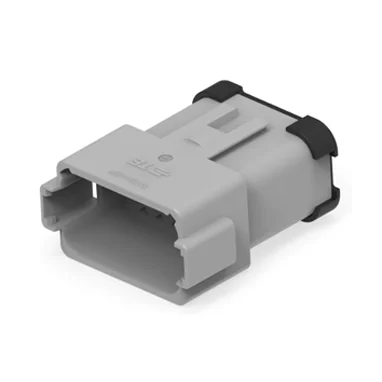
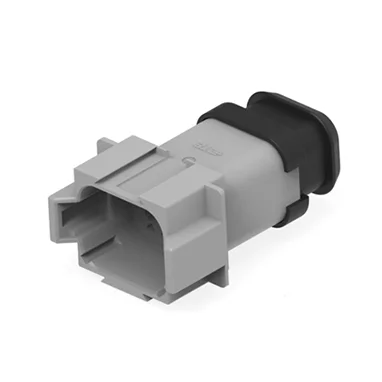
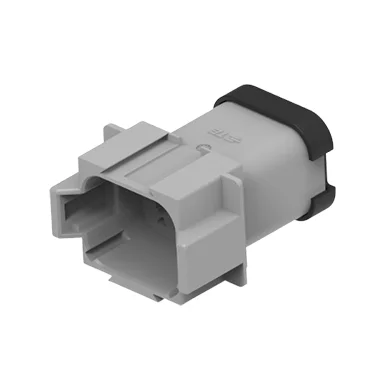
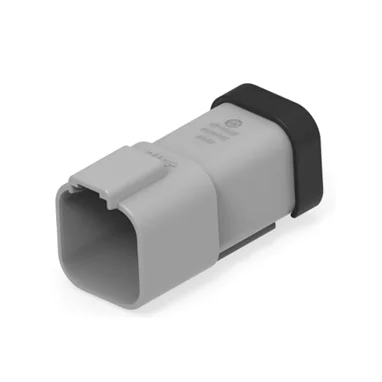
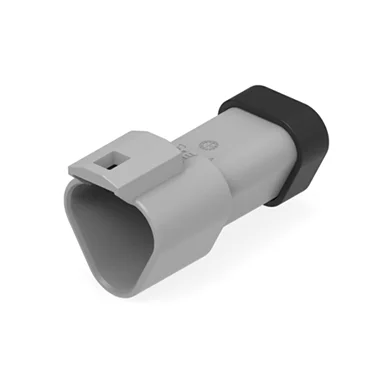
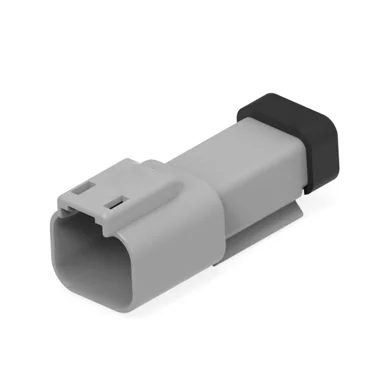
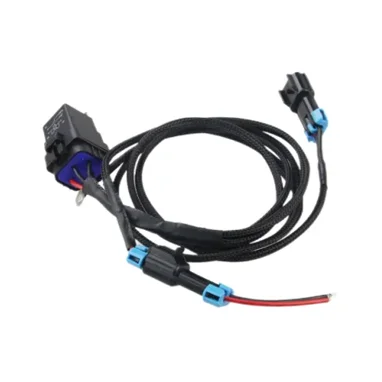
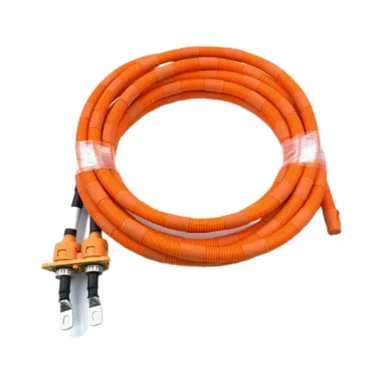
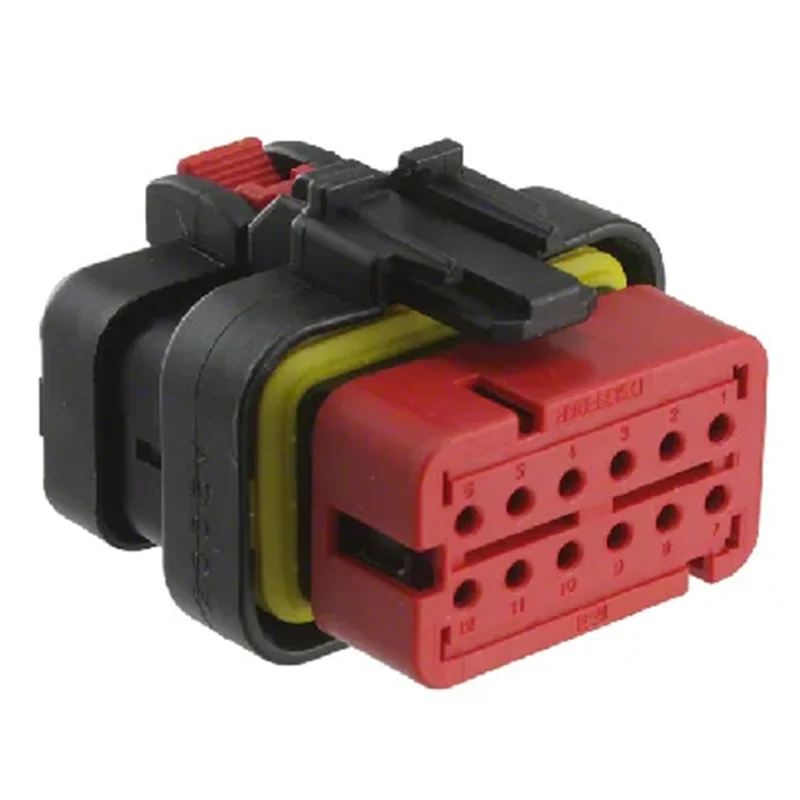
In the automotive industry, reliable electrical connections are essential for the safe and efficient performance of vehicles. Among the most commonly used connection methods are solder terminals and crimp terminals. While both serve to connect electrical wires to components, their structures, application methods, and performance characteristics differ significantly.
At Jingu Auto Parts Co., Ltd. (GVEI), we manufacture a wide range of high-performance terminals to meet the evolving demands of the automotive market. In this article, we explore the key differences between solder and crimp terminals, along with their respective advantages and ideal application scenarios.
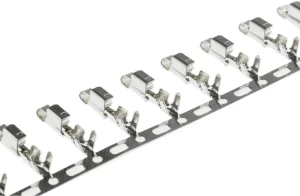
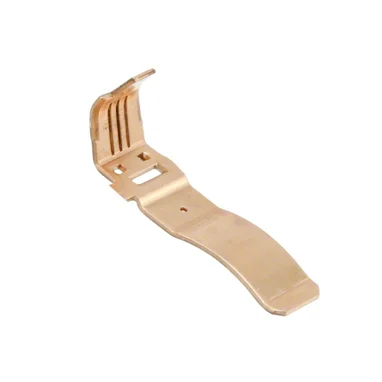
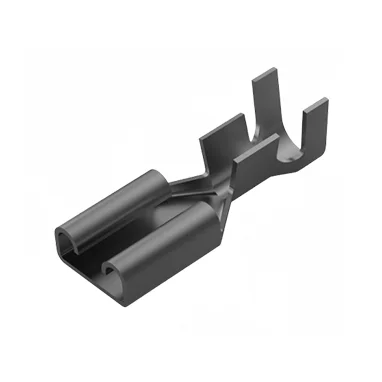
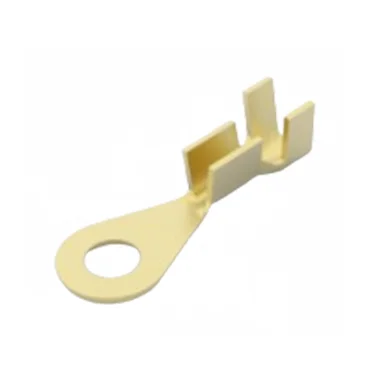
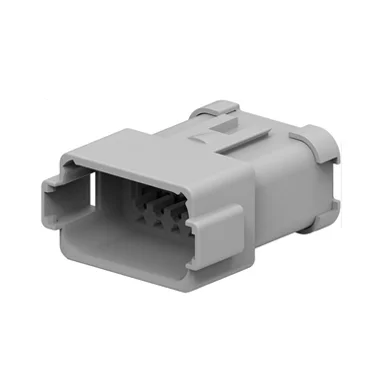
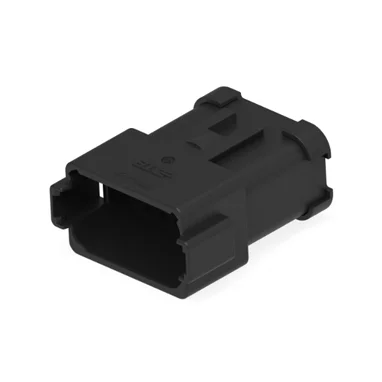
Figure 1: Automotive Crimp Terminals
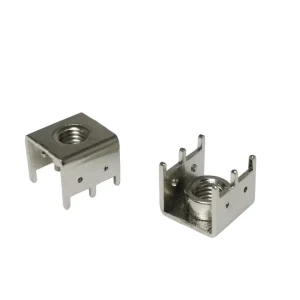
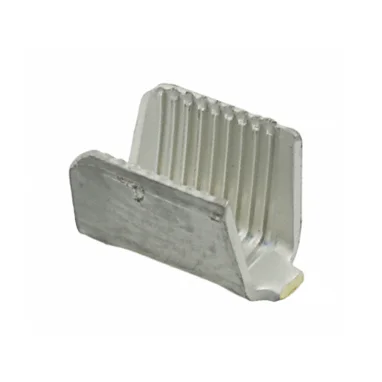
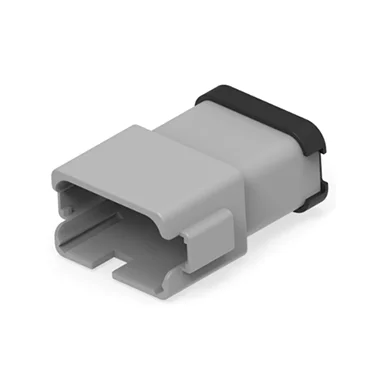
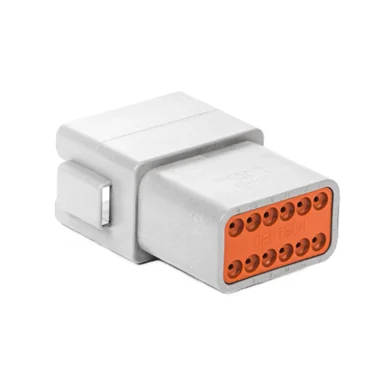
Figure 2: Automotive Solder Terminals
Connection Method
Solder terminals form an electrical connection by melting solder around the conductor to bond the wire to the terminal. The high temperature generated by a soldering tool melts the solder, which then flows into the joint and solidifies to create a secure, continuous metal connection.
In contrast, crimp terminals use mechanical pressure to deform the terminal barrel around the wire. This process physically compresses the terminal and conductor together, creating a gas-tight bond. Crimping often also removes a thin layer of oxide, improving conductivity without the need for high temperatures.
GVEI Tip: Crimp terminals are more suitable for automated production lines, while solder terminals are better suited for manual, precision-based assemblies.
Connection Strength and Reliability
When done correctly, soldering offers high conductivity and a permanent bond, making it suitable for low-voltage applications or circuits requiring minimal electrical resistance. However, solder joints can be vulnerable to mechanical stress and vibration, which are common in automotive environments. The quality of the connection heavily depends on the technician’s skill.
Crimping, on the other hand, offers excellent mechanical strength and vibration resistance. A properly crimped terminal is less likely to fail due to loosening or cracking, making it ideal for harsh automotive conditions. In the event of a fault, crimped terminals are easier to replace than soldered joints.
Installation and Maintenance
- Solder Terminalsrequire skilled labor, temperature control, and manual operation. The process is slower and not easily scalable for mass production.
- Crimp Terminalsare faster and more consistent, especially when using automated machinery. They do not require any heating tools or soldering materials, which simplifies production and reduces operational risk.
Additionally, crimped connections are easier to inspect, test, and maintain. If a crimped connection fails, the terminal can often be replaced without damaging the wire.
Application Scenarios
Choosing between solder and crimp terminals depends heavily on the type of automotive application, the electrical load, and the operating environment. Below is an expanded comparison with specific use cases to guide your selection:
| Application Area | Solder Terminals | Crimp Terminals |
| Wiring Harness for Passenger Cars | ❌ Not ideal due to vibration | ✅ Standard choice due to speed, durability, and cost-efficiency |
| Electric Vehicle (EV) Battery Packs | ✅ Sometimes used for sensor signal wiring | ✅ Preferred for high-current interconnects and fast production lines |
| Engine Compartment Connections | ❌ Solder joints may fail under heat/vibration | ✅ Excellent for high-temperature, high-vibration areas |
| Automotive Lighting Systems | ✅ Used in precision modules like LED control units | ✅ Common in lamp housing wire assemblies |
| In-Vehicle Infotainment (IVI) Systems | ✅ Good for low-voltage signal lines | ✅ Used where connectors must be swapped or upgraded easily |
| Airbag and Safety System Wiring | ❌ Not suitable due to reliability risks | ✅ Mandated by many OEM standards for secure mechanical bonding |
| Aftermarket Repairs & Modifications | ✅ Ideal for spot repairs and retrofitting | ✅ Often used with crimp kits for quick fixes |
| Aerospace & Defense Vehicles | ✅ High-spec soldering used for precision systems | ✅ Used for rugged environments where reliability is critical |
| Control Units and PCBs | ✅ Preferred for circuit boards and sensor solder pads | ❌ Not applicable to PCB-level connections |
Summary:
- Choose crimp terminalsfor high-volume production, vibration-prone environments, and mechanical reliability.
- Choose solder terminalsfor precision electronics, prototyping, or custom modifications.
At GVEI, we support both terminal types across a wide spectrum of automotive use cases, helping you meet performance, safety, and efficiency goals.
GVEI: Your Trusted Supplier of Automotive Terminals
Jingu Auto Parts Co., Ltd. (GVEI) offers a comprehensive portfolio of both solder and crimp terminals for automotive applications. We support clients with:
- Custom terminal designs that comply with ISO 9001, ISO 14001, IATF 16949, and OHSAS 1800 standards
- In-house capabilities in mold design, injection molding, metal stamping, and assembly
- Full testing and quality inspection to ensure durability and reliability
- OEM and ODM services tailored for automotive, industrial, and new energy vehicle (NEV)sectors
With long-term cooperation with leading R&D institutions, GVEI delivers innovative solutions for global automotive manufacturers.
Conclusion
While solder terminals and crimp terminals serve the same fundamental purpose, their connection methods, strengths, and optimal applications differ greatly. For large-scale, high-performance automotive systems, crimp terminals are often the best choice. For precision, low-volume, or specialized electronic modules, solder terminals can provide unmatched electrical contact.
At GVEI, we are committed to helping you choose the most reliable and cost-effective terminal solutions for your specific application. Our extensive manufacturing experience and technical support ensure that every product we deliver meets your highest quality standards.
Contact GVEI
Explore our full range of solder and crimp terminals at www.gvei.com
Contact us today to request samples, technical support, or a free consultation.
📧 Email: alltrade@gvei.com
📞 Phone: +86 15058771812